Balsamic Parmesan Roasted Asparagus and Tomatoes
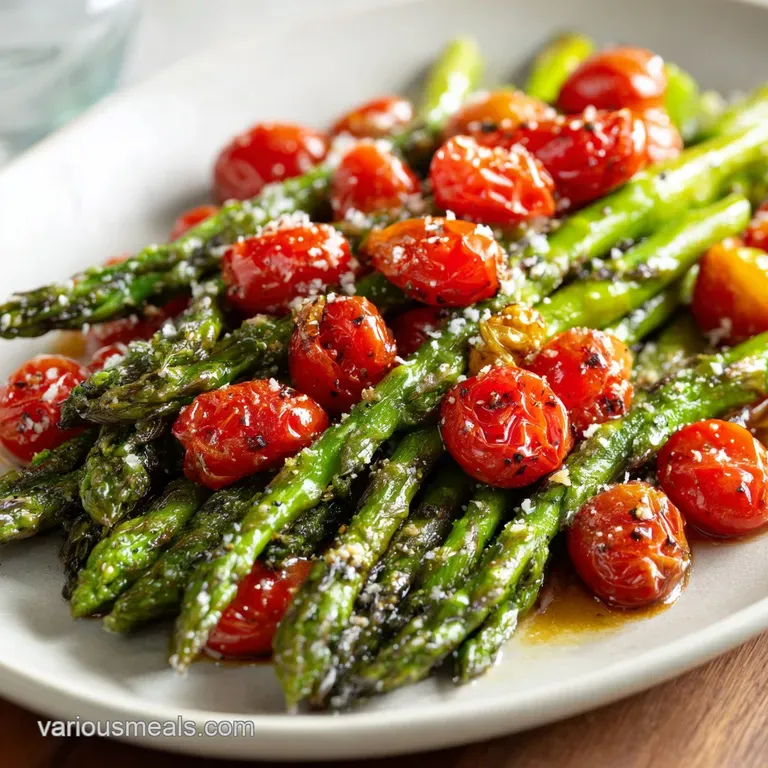
- Time: Active 5 minutes, Passive 12 minutes, Total 17 minutes
- Flavor/Texture Hook: Shattering parmesan crust paired with jammy, bursting tomatoes
- Perfect for: Sunday family roasts or sophisticated weeknight dinners
- Bringing it Home with Balsamic Parmesan Roasted Asparagus and Tomatoes
- The Physics of the Caramelized Snap and Burst
- Identifying the Component Analysis for Flavor Success
- The Essential Elements and Smart Substitutions
- Professional Tools for a Perfect Roast
- Detailed Steps from Prep to Plate
- Avoiding Mistakes and Solving Problems
- Guidelines for Scaling the Recipe
- Budget Conscious Substitutes and Alternatives
- Debunking Common Roasting Myths
- Storage Guidelines and Zero Waste Tips
- Elegant Serving Suggestions
- Recipe FAQs
- 📝 Recipe Card
Bringing it Home with Balsamic Parmesan Roasted Asparagus and Tomatoes
There is a specific sound that happens about eight minutes into roasting this dish the unmistakable, rhythmic pop of cherry tomatoes finally surrendering to the heat.
It is usually followed by the intoxicating aroma of garlic beginning to toast in olive oil, a scent that honestly makes my neighbors knock on the door asking what's for dinner. I remember the first time I got this right; I’d spent years serving limp, gray asparagus because I was too afraid of a hot oven, but the moment I saw those charred, lacy parmesan edges, I knew I could never go back.
This recipe is all about the beautiful friction between textures. You have the fibrous, earthy snap of the green spears meeting the velvety, acidic explosion of a roasted tomato. Then, we layer on the salt from the cheese and the syrupy depth of the glaze.
It’s a comfort food staple in my house that feels much fancier than it actually is, making it a regular at our traditional family gatherings.
You don't need a culinary degree to nail this, but you do need to trust the heat. We are going for a quick, intense roast rather than a long, slow bath in the oven. The result is a dish where every bite offers something different a bit of crunch, a bit of silkiness, and a whole lot of bright, punchy flavor that brightens up any plate it touches.
The Physics of the Caramelized Snap and Burst
Thermal Dehydration: High heat rapidly evaporates surface moisture on the asparagus, allowing the Parmesan to undergo the Maillard reaction and form a crisp, lacy structure.
Pectin Breakdown: The intense oven temperature causes the internal pressure of the cherry tomatoes to rise until the skins shatter, releasing concentrated sugars that mingle with the oil.
| Asparagus Thickness | Internal Texture | Visual Doneness Cue | Ideal Roast Time |
|---|---|---|---|
| Pencil Thin (1/4 inch) | Tender Crisp | Slightly browned tips | 8-10 minutes |
| Standard (1/2 inch) | Juicy & Firm | Charred edges, limp middle | 12-14 minutes |
| Thick (3/4 inch) | Meaty & Soft | Deeply blistered skins | 15-18 minutes |
Determining the exact moment to pull the tray is the difference between a soggy mess and a vibrant side. For most grocery store bunches, 12 minutes at 400°F (200°C) is the sweet spot where the tomatoes have slumped but haven't completely disintegrated into a puddle.
Identifying the Component Analysis for Flavor Success
To get that perfect contrast, we have to look at how each ingredient behaves under pressure. This isn't just about throwing things on a tray; it's about understanding the role of fat and acid in the roasting process.
| Ingredient | Science Role | Pro Secret |
|---|---|---|
| Fresh Asparagus | Structural Base | Snap the woody ends off by hand; they naturally break where the fiber softens. |
| Parmesan Cheese | Protein/Fat Crust | Use a microplane for "snow like" cheese that melts and crisps instantly. |
| Cherry Tomatoes | Acidic Emulsifier | Leave them whole so they steam from the inside out, keeping the tray dry. |
| Balsamic Glaze | Sugar Carbondization | Apply only at the very end to prevent the high heat from burning the sugars. |
The interaction between the oil and the garlic is equally vital. By slicing the garlic thinly rather than mincing it, we ensure it browns beautifully without turning bitter and burnt before the vegetables are tender. If you love these bright, garden fresh flavors, you might also enjoy the vibrant profile of this Pear Salad in recipe.
The Essential Elements and Smart Substitutions
- 1 lb fresh asparagus, medium thickness: Why this? Provides the necessary structure to withstand over high heat roasting without turning to mush. (Sub: Fresh green beans)
- 1 cup cherry tomatoes: Why this? Their high sugar to water ratio creates a natural "sauce" when they burst. (Sub: Grape tomatoes or diced Roma)
- 2 cloves garlic, thinly sliced: Why this? Slices provide mellow, toasted nuttiness compared to the sharpness of minced garlic. (Sub: 1/2 tsp garlic powder)
- 2 tbsp extra virgin olive oil: Why this? Conducts heat and helps the parmesan adhere to the spears. (Sub: Avocado oil)
- 1/2 cup freshly grated Parmesan cheese: Why this? High protein content creates the signature "shatter" texture when roasted. (Sub: Pecorino Romano)
- 1/4 tsp flaky sea salt: Why this? Provides pops of salinity without over seasoning the entire dish. (Sub: Kosher salt)
- 1/4 tsp freshly cracked black pepper: Why this? Adds a subtle floral heat that cuts through the rich cheese. (Sub: White pepper)
- 2 tbsp balsamic glaze: Why this? The thick consistency clings to the vegetables instead of pooling on the tray. (Sub: Honey and balsamic vinegar reduction)
Professional Tools for a Perfect Roast
You don't need a kitchen full of gadgets, but a heavy duty rimmed baking sheet is non negotiable here. Thin sheets tend to warp at 400°F (200°C), which causes your oil and juices to run to one corner, leaving half your asparagus dry and the other half soggy.
I always reach for my half sheet pan because it gives the vegetables enough "breathing room" to roast rather than steam.
A sharp chef's knife or a mandoline is also a lifesaver for those garlic cloves. You want them thin enough to be translucent this ensures they crisp up at the same rate as the parmesan. Finally,, grab some parchment paper.
While you can roast directly on the metal for a bit more char, the parmesan has a tendency to bond to the pan like superglue. Parchment makes cleanup a five second job instead of a twenty minute scrub session.
Detailed Steps from Prep to Plate
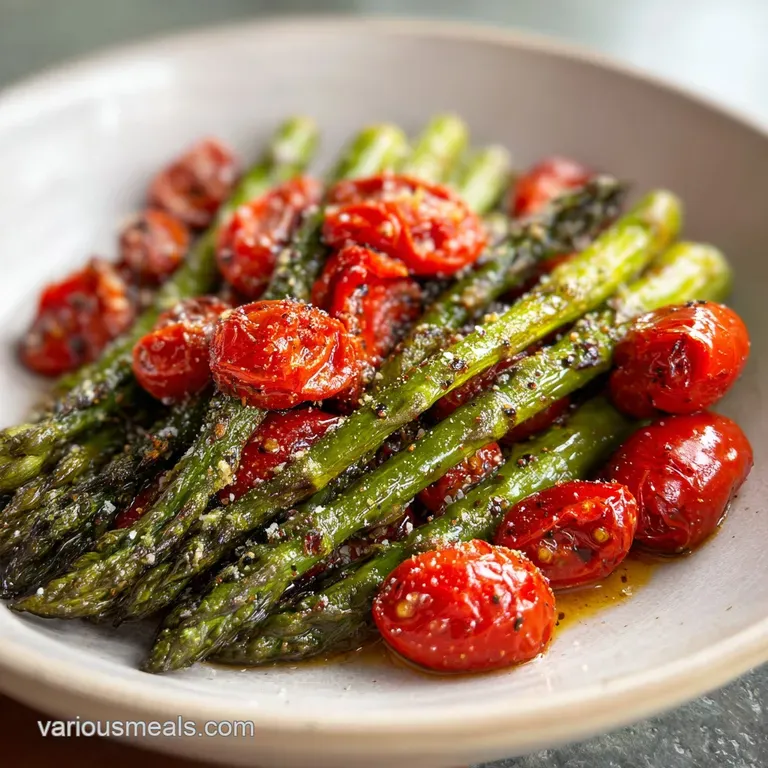
- Preheat the oven to 400°F (200°C). Note: A fully preheated oven is vital for that initial sear.
- Prep the asparagus by snapping off the woody, tough bottom ends. Note: Don't use a knife; let the spear tell you where the tenderness begins.
- Wash and dry the asparagus and tomatoes thoroughly. Note: Water is the enemy of a crisp roast; use a clean kitchen towel to pat them bone dry.
- Arrange the vegetables on the baking sheet in a single, even layer.
- Drizzle with olive oil and toss until every spear and tomato is glistening.
- Scatter the garlic slices and season with the sea salt and cracked pepper.
- Roast for 8 minutes until the tomatoes begin to wrinkle and the asparagus turns bright green.
- Sprinkle the Parmesan evenly over the top of the vegetables.
- Return to the oven for 4 minutes until the cheese is melted, golden, and crackling.
- Drizzle the balsamic glaze over the hot vegetables just before serving.
Avoiding Mistakes and Solving Problems
The most common heartbreak with this dish is "The Great Sogginess." If your tray comes out swimming in liquid, it’s usually because the vegetables weren't dry enough before they hit the oil.
Asparagus has a high water content, and if you add extra moisture from washing, you're essentially boiling them on the tray. Always give them a good pat down.
Why Your Asparagus Turned Mushy
If the spears are limp and olive drab instead of vibrant and snappy, the heat was likely too low or the cook time was too long. Asparagus continues to cook for a minute or two after leaving the oven due to carryover heat. Pull them when they still have a slight "bite" to them.
| Problem | Root Cause | Solution |
|---|---|---|
| Burnt Garlic | Slices were too thin or added too early | Tuck garlic slices under the asparagus spears for protection. |
| Soggy Bottoms | Overcrowding the baking sheet | Use two trays or a larger sheet to ensure airflow between spears. |
| Chewy Cheese | Using pre shredded canned cheese | Grate fresh Parmesan from a block; anti clumping agents prevent melting. |
Common Mistakes Checklist
- ✓ Never use "shaker" parmesan; the cellulose prevents it from melting into a crust.
- ✓ Avoid crowding the pan if the vegetables touch too much, they will steam.
- ✓ Don't add the balsamic glaze before roasting, as the sugar will burn and turn bitter.
- ✓ Ensure the oven is truly at 400°F (200°C) before the tray goes in.
- ✓ Pat the tomatoes dry after washing to prevent "puddling" on the tray.
Guidelines for Scaling the Recipe
If you are cooking for a crowd, do not simply double the ingredients on one tray. This is the fastest way to ruin the texture. You must maintain that single layer. For 8 servings, use two separate baking sheets and rotate them halfway through the cooking time to ensure even browning.
When scaling down for one or two people, you can actually use a toaster oven. It preheats faster and concentrates the heat beautifully for a smaller batch. Just keep a close eye on the cheese, as the heating elements are much closer to the food. If you find yourself with extra tomatoes, they work beautifully in a Sun Dried Tomato Cream recipe the next day.
Budget Conscious Substitutes and Alternatives
While Parmigiano Reggiano is the gold standard, it can be pricey. You can achieve a very similar effect with other hard, salty cheeses that might be on sale.
| Premium Ingredient | Budget Alternative | Flavor Impact | Savings |
|---|---|---|---|
| Aged Balsamic Glaze | Balsamic Vinegar + Honey | Sharper, less syrupy | Save $5-7 |
| Fresh Asparagus | Frozen Asparagus | Softer texture, less snap | Save $3-4 |
| Parmigiano Reggiano | Hard Grana Padano | Nearly identical nuttiness | Save $4-6 |
Chef's Tip: If you're using frozen asparagus, do not thaw it. Toss it with oil while frozen and roast at 425°F (220°C) to help evaporate the extra moisture as quickly as possible. It won't be quite as snappy as fresh, but it's a great pantry raid version!
Debunking Common Roasting Myths
One of the biggest myths is that you should peel asparagus. Unless you are dealing with jumbo, woody spears the size of a thumb, peeling is an unnecessary chore that removes the beautiful outer skin which holds all that lovely char. For medium spears, a simple snap is all you need.
Another misconception is that "fresh is always better." While usually true, cherry tomatoes that are slightly past their prime maybe a bit wrinkled or soft are actually better for roasting.
Their sugars have concentrated, and they'll burst into a jammy sauce even faster than perfectly firm ones.
Storage Guidelines and Zero Waste Tips
- Fridge Storage
- Store leftovers in an airtight container for up to 3 days. Be aware that the parmesan crust will lose its crunch once refrigerated.
- Reheating
- To revive the texture, avoid the microwave. Toss the leftovers back onto a sheet pan and air fry or broil for 2-3 minutes until the cheese sizzles again.
- Freezing
- I don't recommend freezing this dish. The cellular structure of both the asparagus and the tomatoes collapses upon thawing, resulting in a watery mush that no amount of parmesan can save.
Zero Waste Tip: Don't throw away those woody asparagus ends! Toss them into a freezer bag with other veggie scraps. Once you have enough, boil them down with water, an onion, and some peppercorns to make a delicious, earthy vegetable stock for risotto or soup.
Elegant Serving Suggestions
This dish is a chameleon. On a Tuesday night, I'll pile it high in a bowl and top it with a jammy 6 minute boiled egg for a simple, light dinner. But if I'm hosting, I'll serve it on a long white platter alongside a grilled ribeye or a piece of lemon butter salmon.
The colors are so vibrant that it naturally acts as a centerpiece.
If you want to turn this into a "Meatless Monday" power bowl, serve it over a bed of fluffy quinoa or farro. The juices from the burst tomatoes act as a built in dressing for the grains. You can even add a dollop of fresh ricotta on the side to contrast the heat of the roasted vegetables with something cool and creamy.
It’s an approachable, family style dish that never fails to impress.
Recipe FAQs
Should I use pre-grated Parmesan cheese for the crisp layer?
No, use only freshly grated hard cheese. Pre-shredded cheeses contain anti caking agents like cellulose that prevent them from melting properly, resulting in a chewy texture instead of a crisp, lacy crust.
How to prevent the balsamic glaze from burning during roasting?
Apply the balsamic glaze immediately after removing the tray from the oven. The high sugar content in the glaze will scorch rapidly under high heat, turning bitter before the vegetables are fully cooked.
What is the secret to ensuring the asparagus snaps instead of wilts?
Ensure your oven is fully preheated to 400°F (200°C) and do not overcrowd the pan. Overcrowding traps steam, essentially boiling the asparagus; use a single layer to allow the high heat to roast the spears quickly.
Is it true that I should only use medium thickness asparagus for this recipe?
No, thickness just dictates cooking time. Pencil thin asparagus will be tender crisp in about 10 minutes, while very thick spears require closer to 18 minutes to become tender; adjust your total time accordingly.
How can I use the leftover roasted tomatoes if I have too many?
Blend the leftovers into a concentrated sauce base. Their natural sweetness works beautifully in savory dishes; for a similar flavor profile transition, see how we use concentrated tomato flavors in our Creamy Garlic Chicken recipe.
Why do my cherry tomatoes release too much liquid and make the tray soggy?
The vegetables were likely not dried thoroughly after washing. Water on the surface of the tomatoes and asparagus turns to steam, overwhelming the roasting process; pat everything completely dry before adding oil.
Can I substitute Pecorino cheese if I don't have Parmesan?
Yes, Pecorino Romano works very well as a substitute. It provides a sharper, saltier flavor profile compared to nutty Parmesan, so you may need to slightly reduce the added sea salt in the initial seasoning step.
Balsamic Asparagus Tomatoes
Ingredients:
Instructions:
Nutrition Facts:
| Calories | 152 kcal |
|---|---|
| Protein | 7.1 g |
| Fat | 10.2 g |
| Carbs | 9.4 g |
| Fiber | 2.4 g |
| Sugar | 4.6 g |
| Sodium | 322 mg |
