Black Pepper Beef Stir Fry
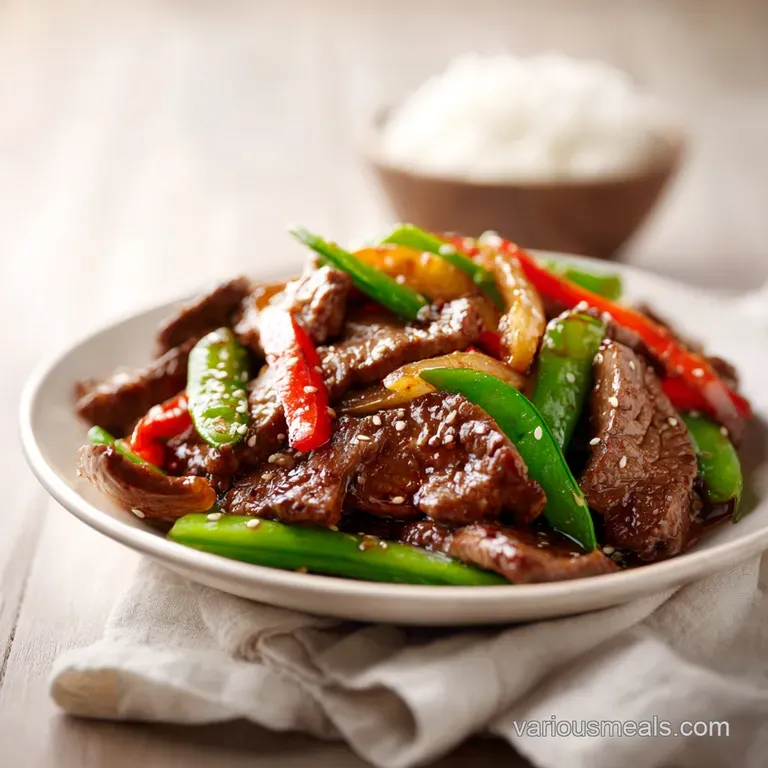
- Time: Active 40 minutes, Passive 10 minutes, Total 50 minutes
- Flavor/Texture Hook: Velvety beef with a peppery, umami rich shatter
- Perfect for: Bold weeknight dinners or impressing friends who love fusion flavors
- Critical Timing and Heat Specs for Success
- The Alchemy of Umami: Selecting Your Elements
- Essential Tools for a over High heat Stir fry
- Mastering the Five Stages of the Wok
- Fixing Soggy Beef and Bitter Sauce
- Exploring Fusion Twists and Global Adaptations
- Debunking Heat and Texture Myths
- Keeping the Beef Tender and Sauce Glossy
- Finishing Touches for a Restaurant Quality Meal
- Critical High in Sodium
- Recipe FAQs
- 📝 Recipe Card
The moment those whole peppercorns hit the heavy mortar and pestle, the kitchen transforms. It isn't just a spice; it's a floral, pungent fog that wakes up your senses. I remember the first time I tried to make a black pepper beef stir fry at home.
I used pre ground pepper from a tin, and honestly, it tasted like dusty cardboard. It was a total letdown. But once I learned to toast whole corns until they started jumping in the pan, the whole game changed.
You want that specific, nose tingling aroma that makes your eyes water just a bit. When that beef hits the screaming hot oil, it shouldn't just cook it should sizzle with a rhythmic pop. This dish isn't about subtle hints; it's about bold flavors and efficient technique.
We're talking about a glossy, dark sauce that clings to every fiber of meat without making the vegetables soggy. If you’ve ever struggled with "gray" meat that tastes boiled rather than seared, you're in the right place.
Critical Timing and Heat Specs for Success
Alkaline Tenderizing Secrets: Baking soda raises the pH of the meat's surface, hindering proteins from bonding tightly. This ensures the fibers remain loose and velvety even under the intense, drying heat of a wok.
- Velocity of Heat: Using a high smoke point oil allows for the Maillard reaction to occur in seconds, creating a savory crust before the interior overcooks.
- Peppercorn Volatility: Heat releases piperine and essential oils from the peppercorns, transforming them from one dimensional heat to a complex, woody spice.
- Starch Gelatinization: The cornstarch in the marinade creates a protective slurry that thickens into a translucent glaze the moment the beef broth hits the pan.
| Method | Total Time | Texture | Best For |
|---|---|---|---|
| over High heat Wok | 10 mins | Crispy edges, tender center | Authentic texture |
| Cast Iron Skillet | 15 mins | Heavy crust, consistent sear | Smaller burners |
| Air Fryer (Beef only) | 8 mins | Extra crispy, less oil | Modern fusion prep |
Choosing the right approach depends on your gear. If you have a powerful gas range, the wok is your best friend. For those of us on electric or induction, a heavy cast iron skillet actually holds heat better, preventing that dreaded temperature drop when the cold meat hits the pan. This technique is similar to how we handle the initial sear in a solid Ground Beef Recipe to ensure maximum browning.
The Alchemy of Umami: Selecting Your Elements
| Ingredient | Science Role | Pro Secret |
|---|---|---|
| Flank Steak | Long muscle fibers | Slice at a 45 degree angle against the grain for maximum tenderness. |
| Black Peppercorns | Heat and aroma | Use a mix of Tellicherry and Malabar for a broader flavor profile. |
| Oyster Sauce | Primary emulsifier | Look for brands where "oyster extract" is the first or second ingredient listed. |
| Baking Soda | pH Modifier | A tiny amount is enough; too much leaves a metallic aftertaste. |
- 1.5 lbs flank steak
- Cut into thin, bite sized strips. Why this? Lean but takes well to marinade.
- 1/2 tsp baking soda
- For that signature "velvet" texture.
- 1 tbsp cornstarch
- Acts as a thickener and moisture barrier.
- 1 tbsp soy sauce
- Provides the initial salt and color.
- 1 tbsp Shaoxing wine
- Cuts through the fat and adds acidity.
- 1 tsp toasted sesame oil
- For a nutty finish.
- 2 tbsp whole black peppercorns
- Toasted and coarsely cracked. Why this? Fresh oils are essential.
- 3 tbsp oyster sauce
- The backbone of the savory glaze.
- 2 tbsp light soy sauce
- For saltiness without darkening the meat too much.
- 1 tbsp dark soy sauce
- Purely for that deep, mahogany color.
- 1 tbsp Worcestershire sauce
- Adds a secret vinegar and anchovy kick.
- 1 tsp sugar
- To balance the intense heat.
- 1/2 cup low sodium beef broth
- The liquid base for the sauce.
- 3 tbsp neutral oil
- Grapeseed or peanut oil works best.
- 1 large onion
- Cut into petals.
- 2 bell peppers
- Green and red for a color contrast.
- 4 cloves garlic
- Minced finely.
- 1 inch fresh ginger
- Grated to a pulp.
| Original Ingredient | Substitute | Why It Works |
|---|---|---|
| Flank Steak | Top Sirloin | Tender and flavorful, though slightly more expensive. |
| Shaoxing Wine | Dry Sherry | Similar acidity and alcohol content to balance the sauce. |
| Oyster Sauce | Vegetarian Stir fry Sauce | Made from mushrooms; provides similar thickness and umami. |
| Beef Broth | Mushroom Broth | Adds deep earthy notes without the meat base. |
Essential Tools for a over High heat Stir fry
Chef's Tip: Freeze your beef for 15 minutes before slicing. It firms up the fat and muscle, letting you get those paper thin, restaurant style strips that cook in a flash.
You don't need a professional kitchen, but a few specific tools make this black pepper beef recipe much easier. A heavy bottomed pan is non negotiable. If you use a thin, cheap skillet, the temperature will plummet the second the steak touches the surface, and you’ll end up with gray, tough meat.
I also highly recommend a mortar and pestle over a spice grinder for the pepper. You want varied sizes some fine powder for heat and some large chunks for a peppery "shatter" when you bite down. It’s that texture contrast that makes the dish pop. If you're looking for something with a slower pace, you might prefer a Slow Cooker Beef recipe, but for tonight, we're keeping it fast and fiery.
Mastering the Five Stages of the Wok
1. Preparing the Protein
Mix the sliced flank steak with the baking soda, cornstarch, 1 tbsp soy sauce, Shaoxing wine, and sesame oil. Let it sit for at least 30 minutes. Note: This allows the baking soda to work its magic on the protein fibers.
2. Cracking the Pepper
Toast whole peppercorns in a dry pan over medium heat for 2 minutes until they smell woody and pungent. Crush them coarsely in a mortar and pestle.
3. Mixing the Glaze
In a small bowl, whisk together the oyster sauce, light and dark soy sauces, Worcestershire sauce, sugar, beef broth, and the crushed pepper.
4. Searing the Beef
Heat 2 tbsp of oil in your pan until it's barely smoking. Add the beef in a single layer and leave it alone for 90 seconds until a dark, caramelized crust forms. Flip and cook for 1 more minute, then remove from the pan.
5. Sautéing the Veggies
Wipe the pan, add the remaining oil, and toss in the onions and peppers. Stir fry for 2 minutes until the edges are charred but the centers stay snappy.
6. Combining Aromatics
Add the garlic and ginger to the center of the pan. Stir for 30 seconds until you smell a sharp, sweet fragrance.
7. The Final Emulsification
Return the beef to the pan and pour in the sauce mixture.
8. Thickening the Sauce
Toss everything constantly over high heat for 1-2 minutes until the sauce bubbles and turns into a thick, velvety glaze that coats every piece of beef.
Fixing Soggy Beef and Bitter Sauce
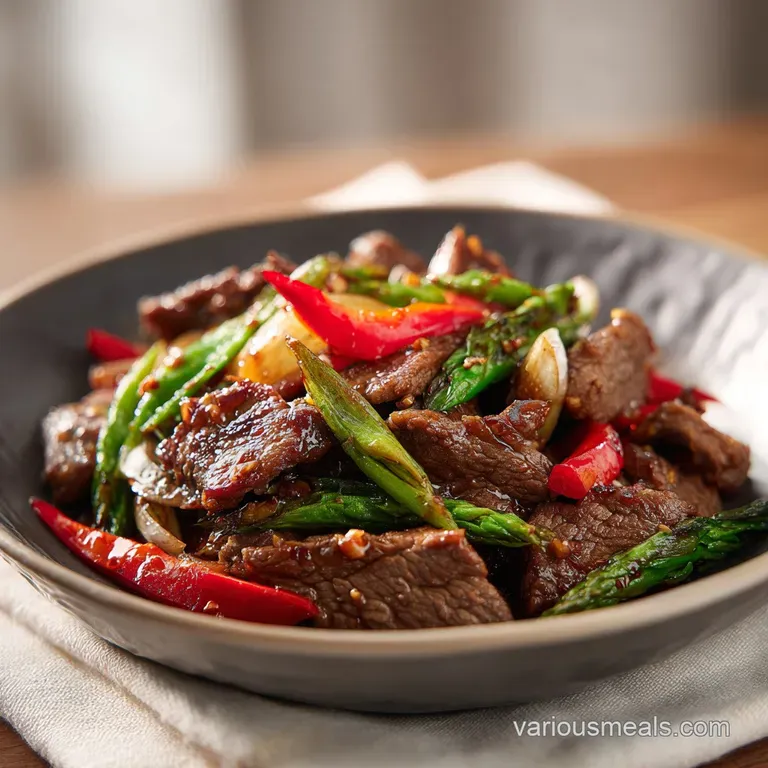
Why Your Beef is Gray and Tough
If your meat looks like it was boiled rather than seared, the pan wasn't hot enough or you overcrowded it. When you put too much cold meat in at once, the temperature drops and the juices leak out, steaming the beef in its own liquid.
| Problem | Root Cause | Solution |
|---|---|---|
| Bitter Aftertaste | Burnt garlic or old pepper | Add garlic at the very end; always toast whole peppercorns fresh. |
| Thin, Watery Sauce | Broth didn't reduce | Crank the heat to high and toss until the starch activates and thickens. |
| Mushy Vegetables | Overcooked in the sauce | Remove veggies after searing and only add them back for the final 30 seconds. |
Common Mistakes Checklist ✓ Pat the beef dry if it looks overly wet before adding the marinade. ✓ Don't skip the dark soy sauce; it's the only way to get that deep "black pepper" color.
✓ Use a neutral oil with a high smoke point butter or olive oil will burn and turn bitter. ✓ Let the pan reheat for a full minute between batches of beef. ✓ Slice the onions into thick petals so they don't disappear into the sauce.
Exploring Fusion Twists and Global Adaptations
If you want to scale this down for a solo dinner, just halve everything and use a smaller 8 inch skillet. For scaling up, don't just double the sauce or it will become a soup. Use 1.5x the liquids and spices, and most importantly, sear the beef in three or four batches.
If you try to cook 3 lbs of beef at once, you'll lose the sear.
Transforming into Black Pepper Beef Noodles
Add 8 oz of cooked udon or lo mein noodles during the final step. Increase the beef broth by 1/4 cup and add an extra tablespoon of oyster sauce to ensure the noodles are fully coated in that peppery goodness.
Making it Plant Based
Swap the steak for thick slices of King Oyster mushrooms or seitan. The "velvetting" process with baking soda isn't necessary here, but the cornstarch coating will still help the mushrooms get a lovely, golden exterior. Use a vegetarian oyster sauce made from shiitake mushrooms to keep the umami high.
| Feature | Restaurant Classic | Homemade Version |
|---|---|---|
| Pepper Intensity | Mild/Consistent | Adjustable and Bold |
| Oil Content | Very High/Greasy | Controlled and Fresh |
| Meat Quality | Processed/Tenderized | Hand cut Flank/Sirloin |
Debunking Heat and Texture Myths
- Myth: You need a 100,000 BTU wok burner to get "wok hei" (breath of the wok). While heat helps, you can mimic this flavor at home by letting the meat sit undisturbed in a screaming hot cast iron pan to get that deep char.
- Myth: Marinating longer than 24 hours makes the beef more tender. Actually, the baking soda will eventually start to break down the proteins too much, turning the meat into a mushy, unpleasant texture. Stick to 30 minutes to 4 hours for the best results.
Keeping the Beef Tender and Sauce Glossy
Storage: Store leftovers in an airtight container in the fridge for up to 3 days. The pepper flavor actually deepens and becomes more integrated over time, making day two Black Pepper Beef almost better than day one.
Reheating: Avoid the microwave if possible, as it tends to make the beef rubbery. Instead, toss the leftovers in a hot pan with a splash of water or extra beef broth for 2 minutes to loosen the sauce and bring back the gloss.
Zero Waste: Don't throw away the cilantro stems or the ends of your green onions. Chop them finely and toss them into the sauce while it's simmering for an extra layer of herbal brightness. If you have leftover sauce, it makes an incredible base for a quick pepper flavored fried rice the next day.
Finishing Touches for a Restaurant Quality Meal
When you're ready to eat, serve this immediately while the steam is still rising and the sauce is at its glossiest. It’s perfect over a bed of fluffy jasmine rice or even some simple garlic noodles. The contrast between the soft rice and the punchy, peppery beef is exactly what you want after a long day.
If you're feeling fancy, top it with some toasted sesame seeds and a handful of freshly sliced scallions. The green crunch cuts through the heavy umami of the oyster sauce. This is a dish built on speed and intensity, so don't be afraid to keep the heat high and the movements fast.
Trust your nose when that pepper smells like it’s about to burn, that’s exactly when you add the liquid!
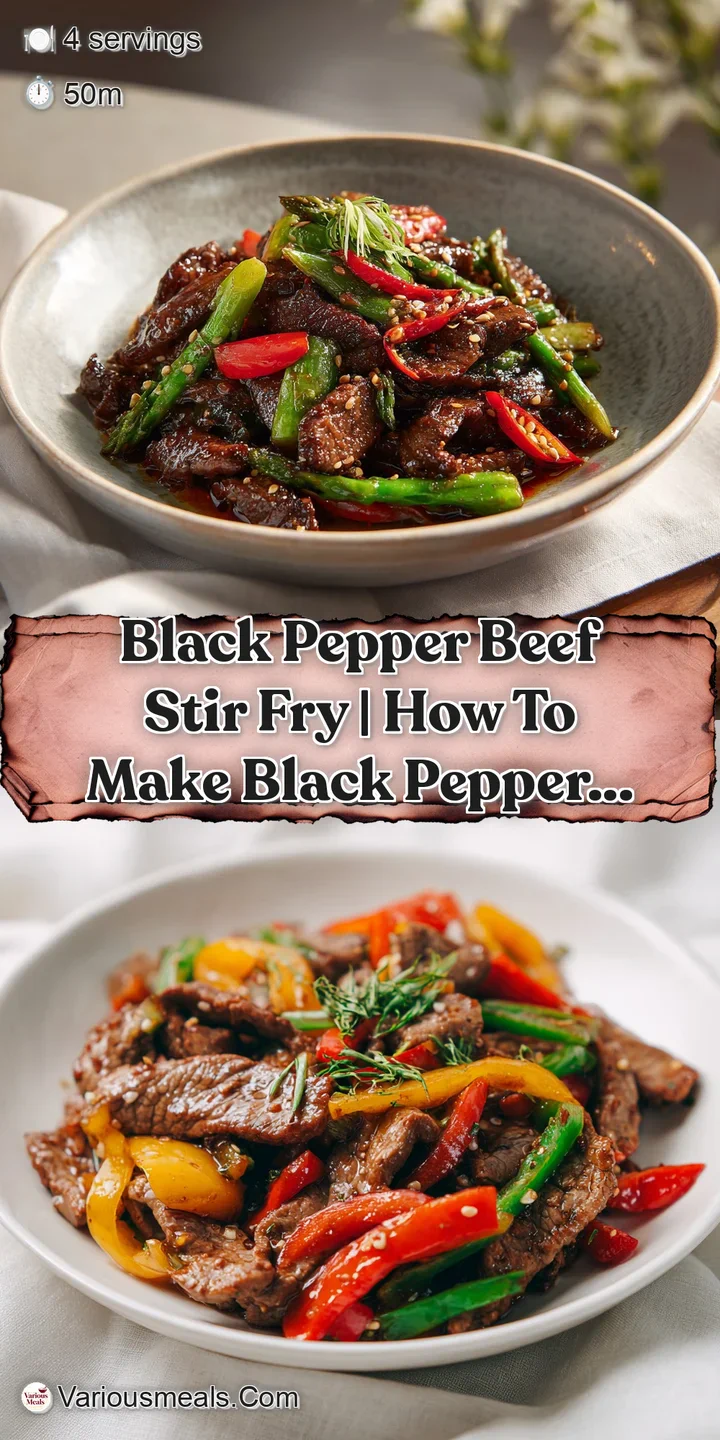
Critical High in Sodium
1685 mg mg of sodium per serving
(73% % of daily value)
The American Heart Association recommends limiting sodium intake to about 2,300mg per day for adults.
Tips to Reduce Sodium in This Recipe:
-
Low-Sodium Broth-30%
Replace the regular beef broth with low-sodium or no-sodium beef broth. This can significantly reduce the overall sodium content.
-
Reduce Oyster Sauce-20%
Oyster sauce is a major source of sodium. Reduce the amount used from 3 tablespoons to 1.5 tablespoons. Consider substituting with a homemade oyster sauce alternative using mushroom broth for umami.
-
Light Soy Sauce Control-20%
Use a low-sodium light soy sauce. Also, reduce the total amount of light soy sauce from 2 tablespoons to 1 tablespoon. Consider tamari (wheat free soy sauce) as a lower sodium alternative.
-
Dark Soy Sauce Dilution-15%
Dark soy sauce is added to give the dish color, but it's also high in sodium. Reduce the amount used to 0.5 tablespoons or substitute with a small amount of molasses for color.
-
Worcestershire Tweak-15%
Worcestershire sauce contributes a significant amount of sodium. Halve the amount used from 1 tablespoon to 0.5 tablespoons. Look for a low-sodium brand if available.
-
Spice It Up!
Enhance the flavor with sodium free herbs and spices like garlic powder, onion powder, smoked paprika, or red pepper flakes to compensate for the reduced saltiness.
Estimated Reduction: Up to 60% less sodium
(approximately 674 mg per serving)
Recipe FAQs
What is Chinese Black Pepper Beef?
It is a popular Cantonese stir fry. It features tender slices of beef coated in a glossy, savory sauce heavily seasoned with freshly toasted and cracked black peppercorns, delivering a pungent, signature heat.
What cut of beef is best for Black Pepper Beef?
Flank steak is the top recommendation. It has long muscle fibers that, when sliced thinly against the grain, maximize tenderness, especially after using the baking soda tenderizing technique.
What are common mistakes when making pepper steak?
Overcrowding the pan and using pre-ground pepper are the worst culprits. Overcrowding lowers the pan temperature, causing the beef to steam instead of sear, and stale pepper lacks the essential volatile oils needed for depth.
What should I serve alongside Black Pepper Beef?
Steamed jasmine rice or plain white rice is ideal for soaking up the sauce. For something heartier that uses a similar fast cooking approach, try tossing it with fresh noodles; if you enjoyed mastering the quick sear technique here, see how we apply similar heat control in our Cajun Seafood Boil recipe for perfect texture.
How do I achieve that signature velvety texture on the beef?
Marinate the beef with a small amount of baking soda and cornstarch. The baking soda raises the pH, preventing the proteins from tightening too much during the high heat sear, while the cornstarch creates a protective barrier against moisture loss.
How do I ensure my pepper flavor is aromatic and not just harsh?
Toast whole peppercorns briefly over medium heat until fragrant before crushing them. Toasting wakes up the essential oils in the piperine; if you want to explore deep, slow cooked flavors instead, our Crockpot Meatballs for recipe relies on slow infusion rather than rapid blooming.
Can I prepare the beef marinade ahead of time?
Yes, marinating for up to 24 hours is highly encouraged. This extended time allows the alkaline tenderizer and salt to fully penetrate the meat fibers, resulting in maximum tenderness without over processing the texture.
Black Pepper Beef Recipe
Ingredients:
Instructions:
Nutrition Facts:
| Calories | 495 kcal |
|---|---|
| Protein | 41.2 g |
| Fat | 28.4 g |
| Carbs | 18.6 g |
| Fiber | 3.2 g |
| Sugar | 6.8 g |
| Sodium | 1685 mg |
