New Orleans Shrimp: Buttery Southern Classic
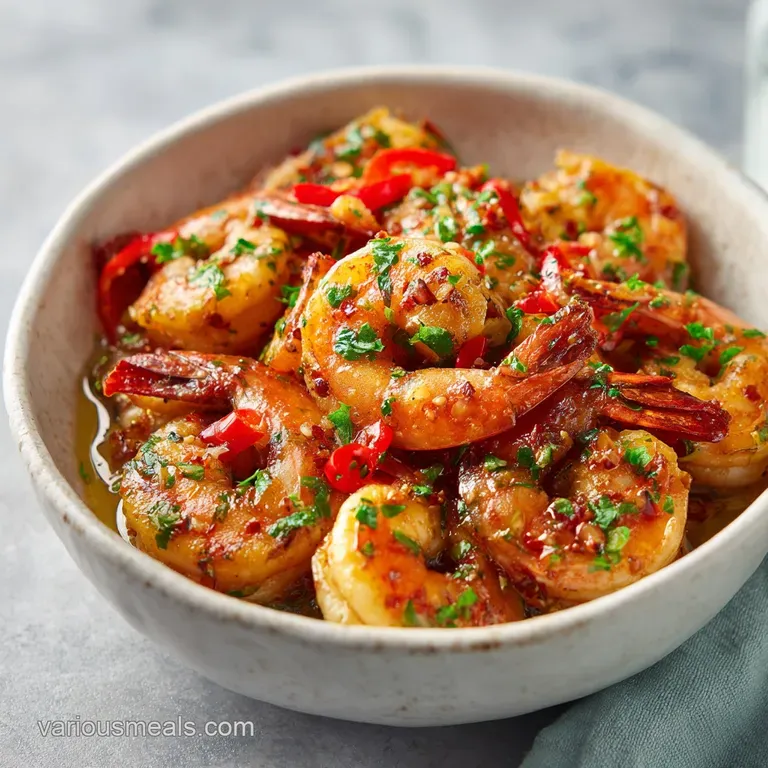
- Time: Active 10 minutes, Passive 10 minutes, Total 20 minutes
- Flavor/Texture Hook: Peppery, citrusy, and buttery with a velvety finish
- Perfect for: Casual family dinners or a messy backyard feast
- The Flavor Packed Secret to New Orleans Shrimp
- A Tangy and Peppery Southern Coastal Classic
- The Science Behind the Velvet Pan Sauce
- The Alchemy of Ingredient Science
- Essential Preparation Metrics and Cooking Times
- Essential Tools for Crafting the Ultimate Sauce
- Mastering the Pan Sizzle and Emulsion Process
- Solving Common Cooking Obstacles and Texture Issues
- Flavor Adaptations and Regional Ingredient Swaps
- Adjusting the Recipe for Different Crowds
- Debunking Southern Cooking Misconceptions
- Best Practices for Chilling and Reheating Leftovers
- Perfect Side Dishes for a Complete Family Feast
- Recipe FAQs
- 📝 Recipe Card
The Flavor Packed Secret to New Orleans Shrimp
The first time I stepped into a tiny kitchen in the French Quarter, the air didn't just smell like food, it felt heavy with the scent of toasted black pepper and rosemary. I watched an old cook toss a handful of unpeeled shrimp into a pan that was already screaming with heat.
The instant they hit the metal, a sizzle erupted that drowned out the jazz from the street corner, and a cloud of lemon and garlic practically knocked me sideways. It wasn't fancy, but it was the most intoxicating thing I'd ever smelled.
We sat at a wobbly table with a stack of napkins and a loaf of bread that was crusty enough to shatter when you tore it. There’s something primal about peeling shrimp that are dripping in a spicy, mahogany colored sauce.
It slows you down, makes you enjoy the company, and honestly, licking that peppery butter off your fingers is half the point. I’ve spent years trying to replicate that specific balance of tang and heat in my own kitchen, and this New Orleans Shrimp is finally it.
If you’re looking for a neat, "fork and knife" kind of meal, this isn't the one. But if you want a dish that brings everyone to the center of the table, laughing and dipping bread into the bottom of the pan, you’re in the right place.
It’s bold, it’s messy, and it’s a total celebration of Southern coastal flavor that I’ve learned to get just right through plenty of trial and error.
A Tangy and Peppery Southern Coastal Classic
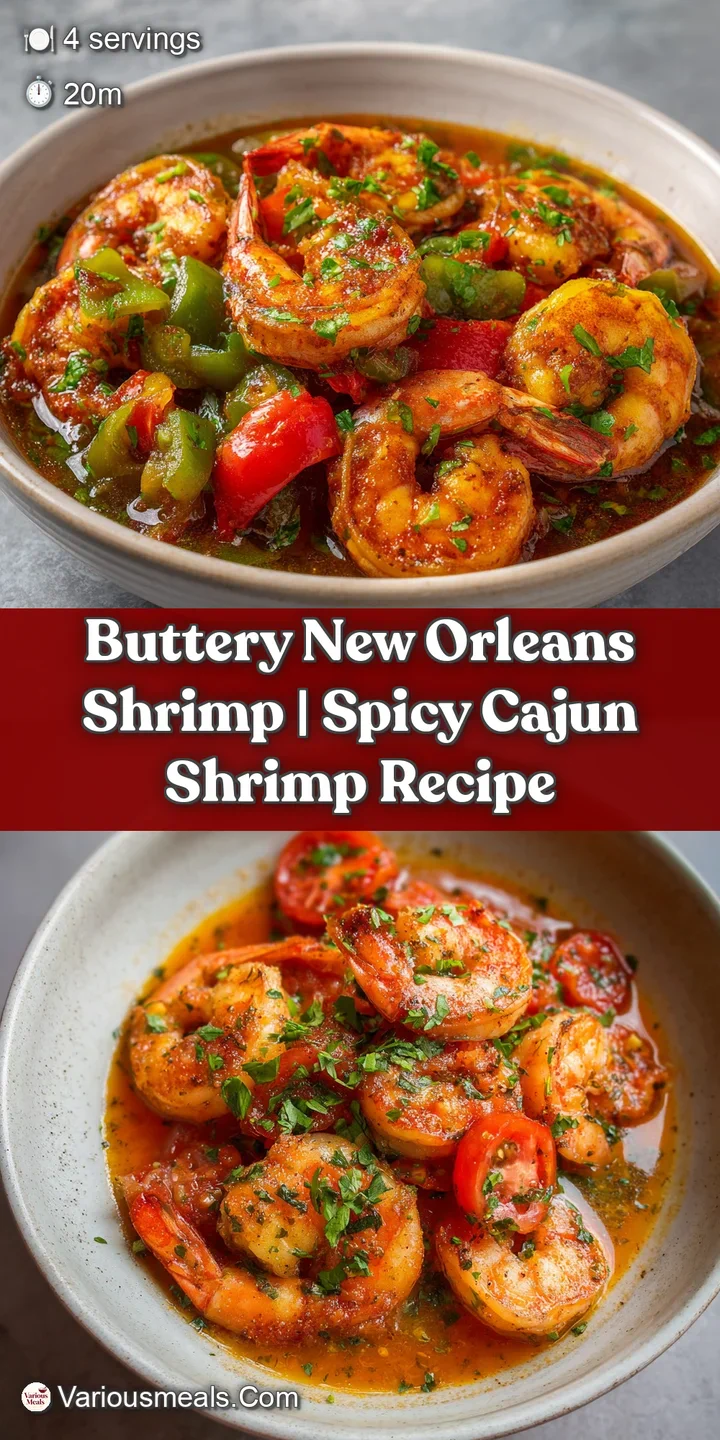
This dish is often called "BBQ Shrimp," but don't let the name fool you - there isn't a drop of hickory sauce or a charcoal grill in sight. In the world of Louisiana cooking, this refers to a specific technique where the seafood is simmered in a rich, spicy butter sauce that behaves more like a French pan sauce than anything you'd find at a cookout.
The flavor profile is defined by a massive hit of Worcestershire sauce, which provides a deep, savory foundation that balances the sharp kick of cayenne and the floral notes of fresh rosemary.
What sets this apart from a standard Garlic Butter Shrimp recipe is the intense concentration of the aromatics. We aren't just sautéing; we are building a reduction that coats the shells and protects the meat inside. By keeping the shells on during the cooking process, we ensure the shrimp stay succulent while the sauce traps all that briny juice. It creates a complex, multi layered experience where the heat builds slowly, tempered by the silkiness of the chilled butter we whisk in at the very end.
The Science Behind the Velvet Pan Sauce
Creating a cohesive sauce from butter and acidic liquids requires a bit of kitchen physics to prevent it from turning into a greasy puddle.
- Emulsification Stability: By whisking chilled, cubed butter into the hot reduction off the heat, the milk solids act as a natural emulsifier, suspending the fat in the liquid for a velvety texture.
- Shell On Insulation: The chitin in the shrimp shells acts as a heat shield, slowing down the protein denaturation so the meat stays tender while the sauce reduces.
- Maillard Enhancement: The sugars in the Worcestershire sauce caramelize slightly against the high heat of the pan, adding a dark, savory depth that mimics a long simmered stock.
| Thickness of Shrimp | Internal Temp | Rest Time | Visual Cue |
|---|---|---|---|
| Large (16/20 count) | 145°F | 2 minutes | C shape and opaque pink |
| Jumbo (10/12 count) | 145°F | 3 minutes | Firm but not rubbery |
| Medium (26/30 count) | 140°F | 1 minute | Just turns white in center |
When you are aiming for that restaurant quality finish, the temperature of your butter is non negotiable. If the butter is room temperature, it melts too quickly and the fat separates from the solids, leaving you with a broken, oily mess. Keep those cubes in the fridge until the very second they are needed.
The Alchemy of Ingredient Science
Understanding why we use specific components helps you master the flavor balance of the New Orleans Shrimp without needing to guess.
| Ingredient | Science Role | Pro Secret |
|---|---|---|
| Large Gulf Shrimp | Flavor Reservoir | Keep shells on; they hold the sauce and prevent the meat from drying out. |
| Unsalted Butter | Emulsifier/Fat | Using chilled cubes prevents the sauce from "breaking" and keeps it creamy. |
| Worcestershire | Umami Base | The fermented anchovies and tamarind provide the essential dark, tangy backbone. |
| Fresh Rosemary | Aromatic Oil | Finely chopping the needles releases pinene oils that cut through the heavy fat. |
Choosing the right seafood is the foundation of this recipe. While you can use peeled shrimp in a pinch, you’ll lose that deep, briny flavor that only the shells can provide. It's the difference between a good meal and a memorable one.
Essential Preparation Metrics and Cooking Times
- Prep time:10 minutes
- Cook time:10 minutes
- Total time:20 minutes
- Yield: 4 servings
To keep things organized, I always suggest having your spice mix ready in a small bowl before you even turn on the stove. This dish moves fast once the heat is on, and you don't want to be fumbling with a spice jar while your garlic is browning.
The Building Blocks
- 1.5 lbs Large Gulf Shrimp (16/20 count): Shell on and deveined is the gold standard here. Why this? The shell protects the delicate meat from the over high heat spices. (Substitute: Peeled shrimp, but reduce cook time by 2 minutes).
- 4 tbsp Unsalted Butter: Must be chilled and cubed. Why this? Cold fat creates a stable emulsion for a silky sauce. (Substitute: Vegan butter sticks).
- 3 tbsp Low sodium Worcestershire sauce: The primary flavor driver. Why this? Provides salt, acidity, and umami all at once. (Substitute: 2 tbsp soy sauce + 1 tbsp lemon juice).
- 4 cloves Garlic: Mined fine. Why this? Provides the aromatic punch that balances the heat. (Substitute: 1 tsp garlic powder).
- 1 tbsp Sriracha or hot sauce: For that signature Louisiana kick. Why this? Adds vinegar based heat that brightens the butter. (Substitute: Crystal or Louisiana Hot Sauce).
- 1 tsp Smoked paprika: For color and a hint of wood smoke flavor. (Substitute: Sweet paprika).
- 0.5 tsp Cayenne pepper: The source of the slow burn heat. (Substitute: Red pepper flakes).
- 1 tsp Dried oregano: Adds an earthy, herbal undertone. (Substitute: Dried thyme).
- 1 tbsp Fresh rosemary: Finely chopped. Why this? Essential for the authentic "NOLA" aroma. (Substitute: 1 tsp dried rosemary, crushed).
- 2 tbsp Fresh lemon juice: Cuts through the richness of the butter. (Substitute: White wine vinegar).
- 1 tsp Extra virgin olive oil: For the initial sear.
- 0.5 tsp Kosher salt: Enhances all the other spices.
Essential Tools for Crafting the Ultimate Sauce
To get that perfect sear on the seafood, a heavy bottomed skillet is your best friend. I swear by a 12 inch cast iron pan because it holds heat like nothing else, allowing the shrimp to get those slightly charred spots without overcooking the centers.
If you don't have cast iron, a large stainless steel pan works well too, as it lets you see the color of the sauce as it reduces.
You’ll also need a sturdy whisk for the final stage. When you’re adding that cold butter, you need to move quickly to incorporate it into the liquid. A pair of locking tongs is also helpful for flipping the shrimp individually so each side gets equal contact with the heat.
Mastering the Pan Sizzle and Emulsion Process
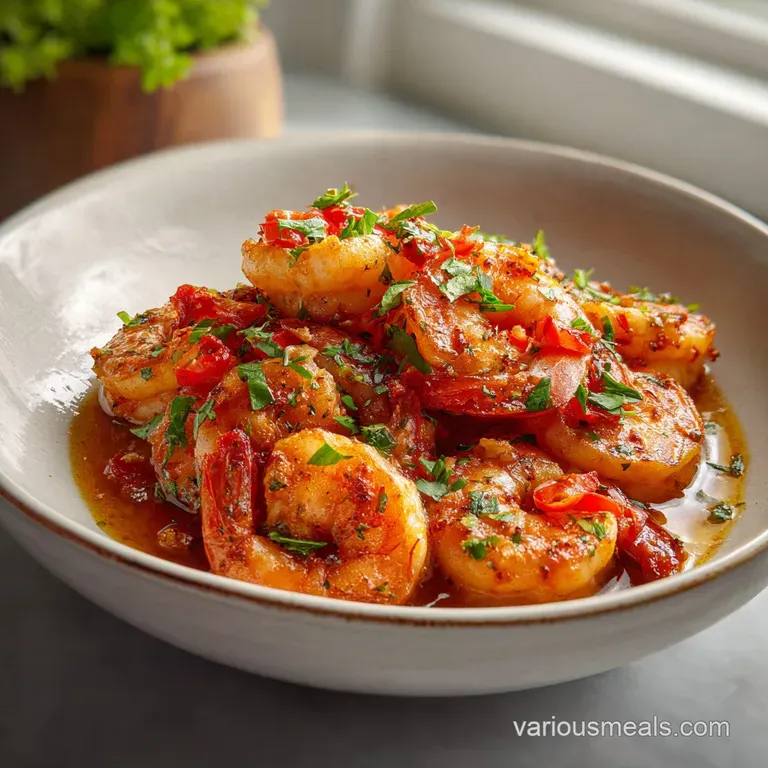
- Prep the shrimp. Rinse the 1.5 lbs of shrimp under cold water and pat them dry with paper towels. Note: Dry shells sear better than wet ones.
- Heat the pan. Place your skillet over medium high heat and add 1 tsp of olive oil. Wait until it is shimmering and just starting to smoke.
- Sear the seafood. Add the shrimp in a single layer. Cook for 2 minutes until the shells turn bright pink and slightly charred, then flip.
- Add the aromatics. Stir in the 4 cloves of minced garlic and 1 tbsp of fresh rosemary. Sauté for 30 seconds until the garlic smells nutty and fragrant.
- Build the flavor base. Pour in the 3 tbsp of Worcestershire sauce, 1 tbsp of Sriracha, smoked paprika, cayenne, oregano, and salt.
- Simmer and reduce. Bring the liquid to a bubble. Let it cook for 2-3 minutes until the sauce thickens slightly and coats the back of a spoon.
- Add acidity. Stir in the 2 tbsp of lemon juice. This will brighten the dark sauce and prep it for the butter.
- Mount the sauce. Turn the heat to low. Add the 4 tbsp of chilled butter cubes one at a time, whisking constantly.
- Finish the emulsion. Continue whisking until the sauce is glossy, thick, and opaque. Do not let it boil again or it might separate.
- Rest and serve. Remove from heat immediately. Let the dish sit for 2 minutes to let the juices settle before piling into bowls.
Chef's Tip: If you find the sauce is too thick, add a splash of water or white wine before adding the butter to loosen the reduction.
Solving Common Cooking Obstacles and Texture Issues
The most frequent mistake people make with this recipe is overcooking the shrimp. Because they continue to cook in the residual heat of the sauce, you want to pull them off the burner when they still have a tiny bit of translucency in the very center. They should be firm, not rubbery.
If they start to curl into tight "O" shapes, they've gone too far.
Why Your Pan Sauce Broke
If your sauce looks oily or separated, it usually means the heat was too high when you added the butter. To fix a broken sauce, remove it from the heat entirely, add a teaspoon of cold water, and whisk vigorously. The water helps re establish the emulsion. For more tips on managing heat with spicy dishes, my Cajun Seafood Boil recipe covers similar ground with large batch seasoning.
| Problem | Root Cause | Solution |
|---|---|---|
| Rubbery Shrimp | Overcooked/High heat | Reduce cook time by 1 min; remove from heat sooner. |
| Greasy Sauce | Butter melted too fast | Use ice cold butter and lower the heat before adding. |
| Bitter Taste | Burnt garlic | Add garlic only after the pan has cooled slightly from the sear. |
Common Mistakes Checklist ✓ Never use pre peeled, cooked shrimp; they will turn into rubber. ✓ Don't skip the Worcestershire; it's the source of the recipe's soul. ✓ Avoid crowding the pan; work in two batches if your skillet is small.
✓ Always pat the shrimp dry to ensure a good sear rather than steaming them. ✓ Keep the butter in the fridge until the very moment you need it.
Flavor Adaptations and Regional Ingredient Swaps
If you’re watching your salt intake, you can easily swap the Worcestershire for a low sodium version, though you might need an extra squeeze of lemon to keep the tang high. For those who want more "fire," adding a teaspoon of red pepper flakes along with the cayenne will push this into the "extra spicy" category.
| Original Ingredient | Substitute | Why It Works |
|---|---|---|
| Unsalted Butter | Ghee | Higher smoke point, though the sauce won't be as creamy. |
| Gulf Shrimp | Langoustines | Similar texture but sweeter; Note: Very delicate, reduce cook time. |
| Fresh Rosemary | Fresh Thyme | Offers a softer, more floral herb profile than the woody rosemary. |
If you happen to have leftovers, they make an incredible base for a quick meal the next day. I love tossing the deshelled shrimp and extra sauce into a Seafood Pasta with recipe for a decadent lunch.
Adjusting the Recipe for Different Crowds
When scaling this dish down for two people, simply halve all ingredients. You can use a smaller 8 inch skillet, but keep an eye on the sauce reduction it will happen much faster in a smaller volume.
Scaling up for a party (8-12 people) requires a bit more care. I don't recommend doubling the recipe in a single pan unless you have a massive commercial grade skillet. Instead, cook the shrimp in batches to maintain that over high heat sear.
You can keep the finished shrimp in a warm oven (175°F) while you finish the subsequent batches. When all the shrimp are cooked, combine all the pan drippings to make one large batch of sauce, then pour it over the platter.
Debunking Southern Cooking Misconceptions
One major myth is that "BBQ Shrimp" needs to be grilled. As we’ve seen, the "BBQ" name in New Orleans refers to the spice profile and the buttery, messy nature of the dish, not the cooking method.
Using a grill actually dries out the shrimp too quickly and prevents you from capturing the flavor packed pan drippings that make the sauce so iconic.
Another misconception is that you should peel the shrimp before cooking to make it "easier to eat." In reality, the shells are where a massive amount of the flavor lives. They protect the meat and provide a surface area for the spices to cling to.
Cooking them peeled results in a much flatter flavor profile and a sauce that doesn't have nearly as much depth.
Best Practices for Chilling and Reheating Leftovers
Storage: Keep any leftover shrimp in an airtight container in the fridge for up to 2 days. Because of the high butter content, the sauce will solidify into a thick paste don't worry, this is normal and it will melt back down beautifully.
Freezing: I don't generally recommend freezing this dish once it's cooked. The texture of the shrimp becomes grainy upon thawing, and the emulsion of the sauce will break completely. It's best enjoyed fresh.
Reheating: To reheat, place the shrimp and sauce in a skillet over very low heat. Add a splash of water or chicken broth to help loosen the butter. Cover the pan and heat just until the shrimp are warm through. Avoid the microwave at all costs, as it will turn the seafood into tiny rubber balls.
Zero Waste Tip: Don't throw away those shells! If you find yourself with a pile of shells after eating, toss them into a freezer bag. When you have enough, boil them with celery, onion, and carrot to make a rich seafood stock for your next gumbo or chowder.
Perfect Side Dishes for a Complete Family Feast
To truly enjoy this New Orleans Shrimp, you need something to soak up every last drop of that liquid gold. A warm, crusty baguette is mandatory. I like to slice it into thick rounds and toast them slightly so they can stand up to the heavy sauce.
If you want a more substantial side, serving this over a bed of creamy stone ground grits is a classic move. The mild, earthy flavor of the corn is the perfect foil for the aggressive spices and tangy lemon.
A simple green salad with a light vinaigrette is also a great way to cleanse the palate between those rich, buttery bites. Whatever you choose, make sure you have plenty of napkins on hand you're going to need them!
Recipe FAQs
Is it true that "BBQ Shrimp" must be cooked on a grill?
No, this is a common misconception. In New Orleans, "BBQ Shrimp" refers to the rich, buttery, and spicy sauce, not the grilling method; using a skillet allows for better sauce reduction.
How do I prevent the butter sauce from separating into oil and liquid?
Whisk in chilled, cubed butter off the heat. This slow incorporation forces the fat solids to emulsify with the liquid reduction, creating a stable, velvety texture; if it breaks, add a splash of cold water and whisk vigorously.
Should I peel the shrimp before cooking for this recipe?
No, keep the shells on. The shells protect the delicate meat from the high heat of the spices and hold onto the flavorful butter sauce; peeled shrimp yield a significantly flatter flavor profile.
How do I know when the shrimp is perfectly cooked and not rubbery?
Cook until they reach 145°F internal temperature. Visually, they should be opaque pink and curled into a C-shape; pull them off the heat just before they form a tight O-shape, as residual heat will finish the cooking.
What is the best way to serve this dish to ensure no sauce is wasted?
Serve with thick, crusty bread for dipping. The sauce is the star, so you need a sturdy vehicle to soak up every drop; this pairs wonderfully with a simple side like our Sheet Pan Quesadilla recipe if you are looking for an absorbent counterpoint.
Why does the Worcestershire sauce have such a strong role in the flavor?
It provides deep, savory umami that balances the fat and acid. The fermented anchovies and tamarind create a dark, complex backbone; mastering this balance of savory and bright is similar to how we balance flavors in our Spaghetti Carbonara Recipe.
How can I scale this recipe safely for a large party?
Cook the shrimp in batches, not all at once. Crowding the pan lowers the temperature and causes the shrimp to steam instead of sear; finish all batches separately and combine the resulting pan drippings to make one final, large batch of emulsified sauce.
Buttery New Orleans Shrimp
Ingredients:
Instructions:
Nutrition Facts:
| Calories | 308 kcal |
|---|---|
| Protein | 34.5 g |
| Fat | 15.8 g |
| Carbs | 5.2 g |
| Fiber | 0.6 g |
| Sugar | 2.1 g |
| Sodium | 485 mg |
