Cajun Honey Butter Salmon
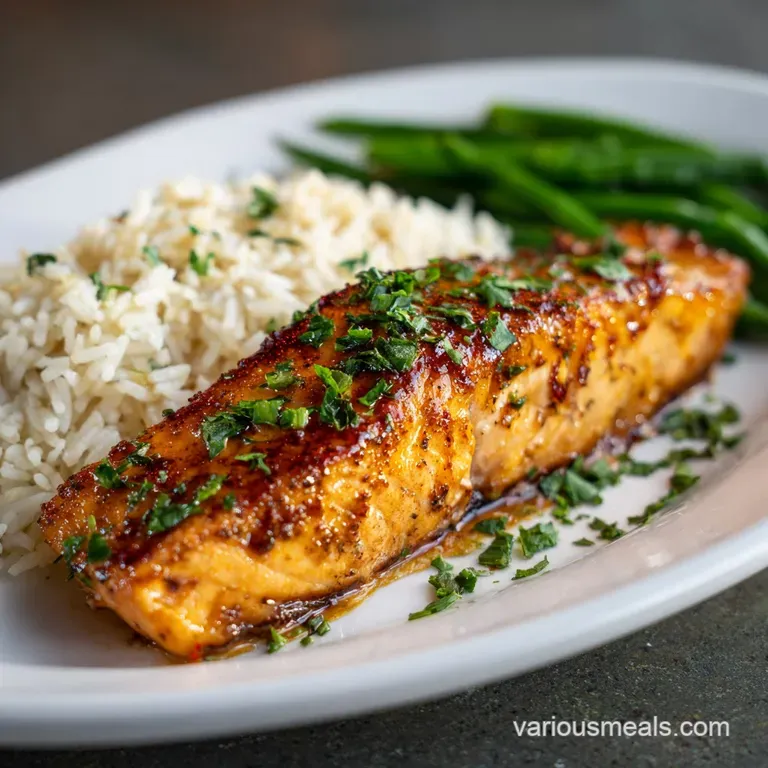
- Time: Active 5 minutes, Passive 10 minutes, Total 15 minutes
- Flavor/Texture Hook: A shatter crisp exterior with a buttery, melt in-your mouth interior
- Perfect for: Approachable weeknight comfort or impressive family dinners
- Mastering Cajun Honey Butter Salmon
- Why This Dish Hits Different
- Component Analysis
- The Core Flavor Elements
- Must Have Cooking Gear
- Step-by-Step Cooking Guide
- Solving Common Kitchen Blunders
- Simple Ways to Customize
- Debunking Kitchen Myths
- Keeping Leftovers Fresh
- Best Ways to Serve
- Recipe FAQs
- 📝 Recipe Card
Mastering Cajun Honey Butter Salmon
The moment that smoked paprika hits the hot avocado oil, your kitchen transforms into a French Quarter bistro. I remember the first time I whipped up this Cajun Honey Butter Salmon; it was one of those frantic Tuesday nights where the kids were doing homework at the counter and I just needed something that tasted like a weekend treat without the weekend effort.
When the honey started bubbling around the edges of the fillets, the smell was so intoxicating that even my pickiest eater came wandering into the kitchen asking, "What is that?"
That evening, we sat down to a meal that felt truly special the kind of comfort food that sparks real conversation. The contrast of the charred, spicy crust against the sweet, cooling honey butter is just pure magic.
We didn’t even need fancy sides; a bit of steamed rice to soak up that extra liquid gold was enough to make everyone reach for seconds. It has since become a staple in our home, a recipe that proves you don't need hours to create something that feels like a warm hug.
But what makes this specific version stand out is the balance. I’ve tried versions that were too spicy or so sweet they felt like dessert, but we’ve found the sweet spot here.
It’s about creating layers searing the fish to get that structural integrity, then bathing it in a glaze that mellows the heat. It’s approachable, traditional in its roots, and honestly, it’s the only way I want to eat salmon anymore.
Trust me, once you see how that butter emulsifies with the lemon juice, you’ll be hooked too.
Why This Dish Hits Different
- Thermal Equilibrium: Using room temperature fillets ensures the center reaches the ideal temperature at the same time the exterior achieves a crispy shatter.
- Acidic Brightness: The lemon juice acts as a chemical bridge, cutting through the heavy fats of the butter and salmon oils to wake up the palate.
- Maillard Maximization: The honey’s sugars react with the salmon’s proteins under high heat, creating a deeply caramelized crust that stores complex flavor compounds.
- Emulsification Stability: Adding cold butter cubes at the end of the glaze process creates a "beurre blanc" style sauce that is velvety rather than greasy.
| Method | Cook Time | Final Texture | Best For |
|---|---|---|---|
| Stovetop | 6-8 mins | Maximum crisp skin | Quick weeknight meals |
| Oven Bake | 10-12 mins | Uniformly tender | Cooking for a crowd |
| Air Fryer | 8-9 mins | Extra charred edges | Maximum convenience |
The stovetop method is my personal favorite because it allows you to baste the fish continuously. Similar to the technique used in our Honey Butter Chicken recipe, the constant movement of hot fat over the protein creates a more intense flavor profile.
Component Analysis
| Ingredient | Science Role | Pro Secret |
|---|---|---|
| Honey (Clover) | Humectant/Sugar | Use high-quality clover honey for a neutral sweetness that doesn't mask the spices. |
| Avocado Oil | High Smoke Point | Its neutral flavor and 500°F smoke point prevent the rub from tasting scorched. |
| Smoked Paprika | Flavor/Color | Provides the "red" look of Cajun food without needing to burn the butter. |
| Unsalted Butter | Fat/Emulsifier | Use European style butter for higher fat content and a creamier glaze mouthfeel. |
The Core Flavor Elements
To get this right, you’ll need to assemble your spice arsenal and high-quality protein.
- Salmon Fillets (4, 6 oz each): Look for center cut pieces of uniform thickness. Why this? Ensures all fillets cook at the exact same rate in the pan.
- Avocado Oil (15 ml): A neutral oil with high heat tolerance. Why this? Prevents the pan from smoking while you sear the crust.
- Smoked Paprika (10 g): For that deep, wood fired aroma. Why this? Adds a complex smokiness that mimics an outdoor grill.
- Clover Honey (60 ml): The primary sweetener. Why this? Its viscosity helps the glaze cling to the fish without sliding off.
- Unsalted Butter (45 g): For the finishing richness. Why this? Allows you to control the salt level of the final sauce.
- Garlic (2 cloves, microplaned): Pungent aromatics. Why this? Microplaning melts the garlic into the sauce so you don't get bitter chunks.
| Original Ingredient | Substitute | Why It Works |
|---|---|---|
| Avocado Oil | Grapeseed Oil | Both have high smoke points and neutral flavors. |
| Clover Honey | Maple Syrup | Provides sweetness. Note: Adds a distinct woody flavor; thinner consistency. |
| Cayenne Pepper | Red Pepper Flakes | Similar heat level. Note: Will result in a more textured, "speckled" appearance. |
| Fresh Lemon Juice | Apple Cider Vinegar | Provides necessary acidity to balance the sugar and fat. |
Must Have Cooking Gear
You don't need a professional kitchen, but a heavy bottomed skillet is your best friend here. A cast iron pan (like a Lodge) or a high-quality stainless steel pan (such as All Clad) provides the heat retention necessary for that signature sear.
If you use a thin non stick pan, you might find the honey burns before the fish is cooked through.
You'll also want a microplane for the garlic and lemon zest. It’s a total game changer for sauces because it turns the garlic into a fine paste that distributes evenly. Finally,, a fish spatula those long, flexible metal ones is essential for flipping the fillets without breaking them.
step-by-step Cooking Guide
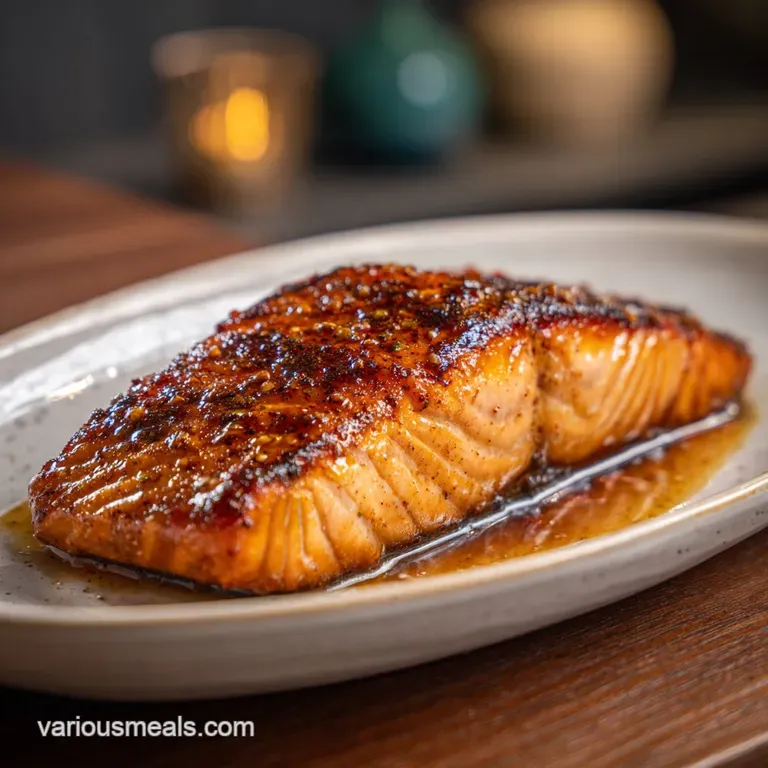
Tempering the Protein
- Pat the salmon dry with paper towels. Note: Moisture is the enemy of a good sear; any water will steam the fish instead of crisping it.
- Season the fillets with sea salt (0.5 tsp) and black pepper (0.25 tsp). Let them sit at room temperature for 15 minutes.
Applying the Dry Layer
- Mix the Cajun rub by combining smoked paprika, garlic powder, onion powder, dried oregano, and cayenne in a small bowl.
- Press the spice mixture firmly onto the flesh side of each fillet. Cook 2 minutes on the spice side first until a dark, fragrant crust forms.
Searing for Structure
- Heat avocado oil in your skillet over medium high heat until it shimmers.
- Flip the salmon to the skin side. Cook 4 minutes until the skin is golden and releases easily from the pan.
Glazing to Completion
- Lower the heat to medium low and move the salmon to the edges of the pan.
- Add the honey, garlic, and lemon juice to the center of the pan. Whisk 1 minuteuntil the mixture starts to bubble and thicken.
- Stir in the cubed butter one piece at a time. Note: This creates a stable emulsion that stays creamy.
- Baste the salmon with the bubbling honey butter for 2 more minutes until the fish flakes easily with a fork.
Solving Common Kitchen Blunders
Why Your Salmon Is Dry
If the fish feels like rubber or breaks into dry shards, it has likely passed the 145°F mark. Salmon continues to cook once removed from the heat (carryover cooking), so you want to pull it when the center still looks a tiny bit translucent.
Why Your Honey Is Bitter
Sugar burns quickly. If your heat is too high when you add the honey, it will go from golden to black in seconds. Always drop your pan temperature before the honey and garlic hit the surface.
| Problem | Root Cause | Solution |
|---|---|---|
| Skin is soggy | Pan wasn't hot enough | Wait for the oil to shimmer before adding the fish. |
| Spices are burnt | Too much heat during sear | Keep the sear to 2-3 minutes max on the spice side. |
| Glaze is "broken" | Butter added too fast | Whisk vigorously and add butter in small, cold increments. |
Common Mistakes Checklist
- ✓ Skipping the "pat dry" step (leads to gray, soggy fish)
- ✓ Using cold salmon straight from the fridge (uneven cooking)
- ✓ Crowding the pan (drops the temperature and prevents crisping)
- ✓ Forgetting to lower the heat before adding honey
- ✓ Not letting the fish rest for 3 minutes after cooking
Simple Ways to Customize
To scale this recipe down for two, simply halve the ingredients but keep the pan size the same if possible to ensure the sauce reduces properly. If you are doubling the recipe for a family gathering, work in two batches.
Never crowd the pan, as the moisture released from the fish will drop the temperature and you'll lose that "shatter" effect on the crust.
For a larger batch, I recommend doing the initial sear on the stovetop and then transferring all the fillets to a large baking sheet. Pour the honey butter over them and finish them in a 400°F (200°C) oven for 4-5 minutes.
Chef's Tip: To deepen the flavor, add a teaspoon of espresso powder to the Cajun rub. It doesn't make it taste like coffee, but it adds an incredible earthiness that complements the smoke of the paprika.
Debunking Kitchen Myths
One of the biggest myths is that searing meat or fish "seals in the juices." Science tells us this isn't true; moisture loss actually increases at higher temperatures. However, we sear for the Maillard reaction that chemical dance between amino acids and sugars that creates hundreds of new flavor compounds we perceive as "savory."
Another common misconception is that you shouldn't eat the salmon skin. In this recipe, the skin acts as a protective barrier and, when rendered properly, becomes a salty, crispy treat that provides a textural counterpoint to the velvety glaze.
Keeping Leftovers Fresh
- Storage: Keep leftover salmon in an airtight container in the fridge for up to 3 days. The honey butter will solidify, so it’s best to store it with the extra sauce.
- Freezing: You can freeze cooked salmon for up to 2 months, though the texture will become slightly firmer. Wrap tightly in plastic wrap then foil to prevent freezer burn.
- Zero Waste: Don't throw away those lemon rinds! Toss them into a jar of white vinegar for a natural kitchen cleaner, or use them to scrub your cutting board to remove the garlic scent. If you have leftover sauce, it makes a killer dressing for roasted sweet potatoes the next day.
Best Ways to Serve
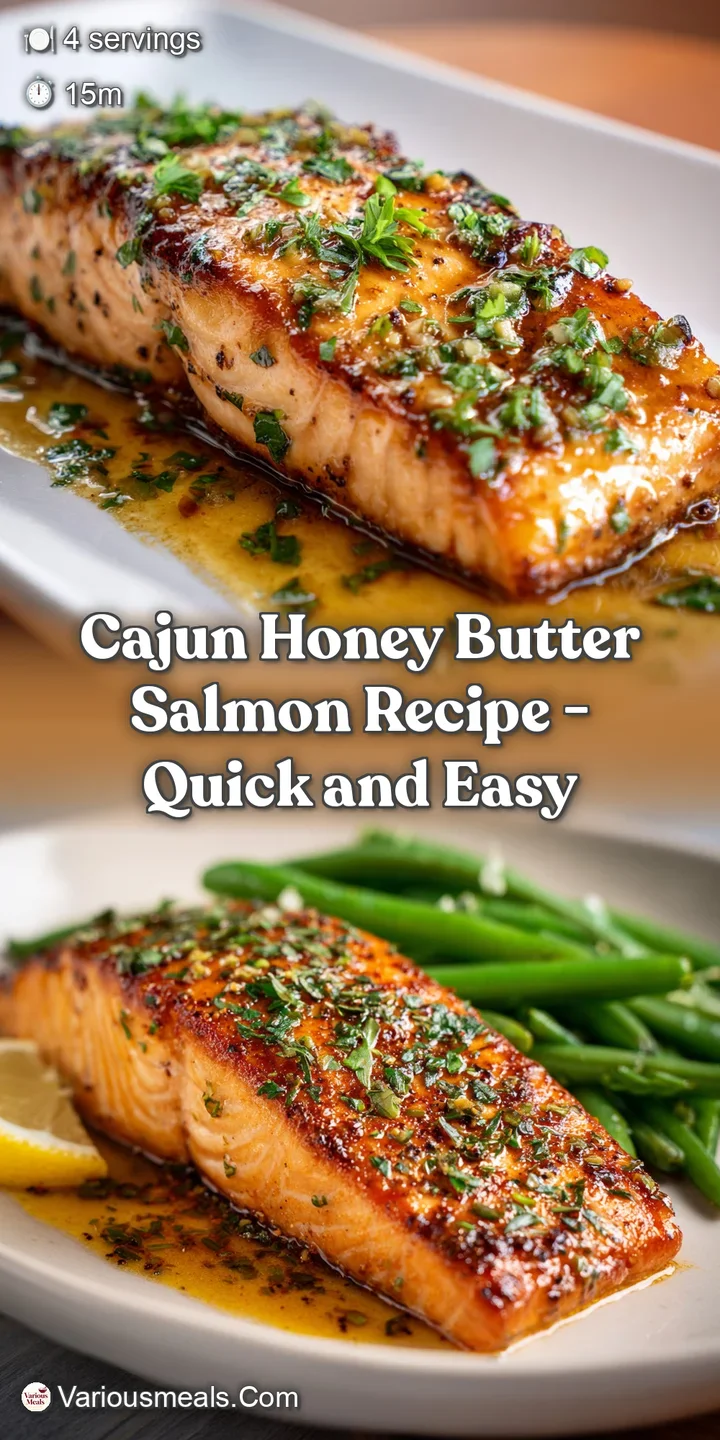
This Cajun Honey Butter Salmon is best served immediately while the glaze is still glossy and fluid. I love plating it over a bed of garlic mashed potatoes or a simple Seafood Pasta with recipe base if I'm feeling extra indulgent. The sauce is the star here, so make sure whatever you serve it with can catch every drop.
If you want a lighter option, a crisp cucumber salad with a vinegar based dressing provides a bright contrast to the richness of the butter. I usually finish the plate with a handful of fresh parsley or scallions for a pop of color and a final hit of freshness.
It’s a meal that feels complete, satisfying, and deeply traditional in its flavor profile.
If you want X, do Y:
- If you want more heat: Increase the cayenne pepper to 1 tsp or add a dash of your favorite hot sauce to the honey butter.
- If you want a thicker glaze: Let the honey and lemon juice simmer for an extra 2 minutes before adding the butter.
- If you want a smokier flavor: Swap half of the smoked paprika for chipotle powder for a deeper, earthier burn.
Recipe FAQs
Is it necessary to use skin-on salmon for this recipe?
No, skin-on is not strictly necessary, but it is recommended. The skin crisps beautifully under the sear and acts as a shield, protecting the delicate flesh from the high heat.
How do I prevent the honey in the glaze from burning on the pan?
Lower the heat to medium low before adding the honey. The sugars in honey caramelize rapidly; always reduce the heat after searing the fish to prevent scorching.
What is the best way to ensure the salmon fillets cook evenly?
Use center cut fillets of uniform thickness. If your pieces vary widely in size, place the thickest parts down first and monitor them closely, pulling them out when they are ready.
Can I substitute maple syrup for the clover honey in the glaze?
Yes, but the flavor profile will change slightly. Maple syrup is thinner and has a more distinct, woodsy note compared to neutral clover honey.
How long can I let the salmon sit at room temperature before cooking?
Allow the seasoned fillets to temper for 15 minutes. This step is crucial because using cold fish straight from the fridge leads to uneven cooking; the exterior burns before the center is done.
Why is the sauce separating or looking greasy after adding the butter?
This occurs if the cold butter is added too quickly or stirred too vigorously. Add the butter cubes slowly while whisking continuously to encourage a proper emulsion, similar to making a refined sauce like in our Creamy Garlic Chicken recipe.
What internal temperature signals the salmon is perfectly cooked?
Pull the salmon from the heat when it registers 135°F (57°C) internally. The carryover cooking while resting will bring it up to the safe serving temperature of 145°F without drying out the muscle fibers.
Cajun Honey Butter Salmon
Ingredients:
Instructions:
Nutrition Facts:
| Calories | 542 kcal |
|---|---|
| Protein | 34.2 g |
| Fat | 34.8 g |
| Carbs | 19.6 g |
| Fiber | 1.1 g |
| Sugar | 17.4 g |
| Sodium | 385 mg |
