Chicken and Rice: Slow Braised Comfort
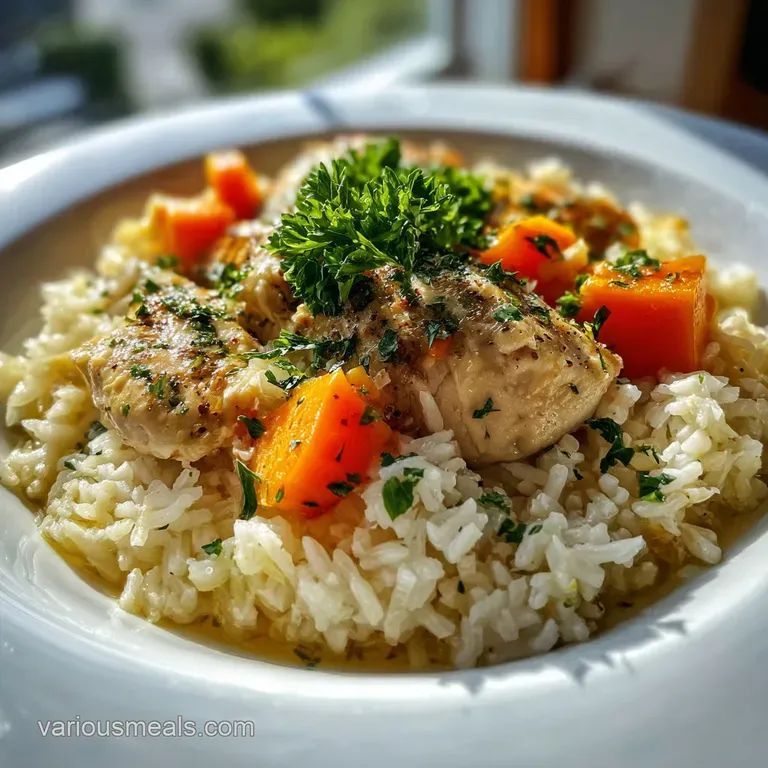
- Time: Active 15 minutes, Passive 4 hours 30 mins, Total 4 hours 45 mins
- Flavor/Texture Hook: Velvety, rich rice with fork tender, smoky chicken
- Perfect for: Lazy Sundays or hands off family dinner comfort
- Creating a Soulful Pot of Chicken and Rice
- The Secret of Starch Gelatinization
- Essential Elements for This Traditional Meal
- Professional Tools for Braised Success
- Executing the Layered Flavor Process
- Troubleshooting Your Savory Pot Grains
- Scaling for Large Family Gatherings
- Debunking Rice Cooking Misconceptions
- Storing Leftovers and Reducing Waste
- Serving Suggestions for a Full Plate
- HIGH in Sodium
- Recipe FAQs
- 📝 Recipe Card
Creating a Soulful Pot of Chicken and Rice
The kitchen window is completely fogged up, a sure sign that something wonderful is happening inside. I remember the first time I really nailed this recipe. It was a Tuesday, pouring rain outside, and I just wanted a meal that felt like a hug.
I tossed everything into the pot, walked away to finish some work, and an hour later, the aroma of smoked paprika and garlic began to drift through the house. It wasn't just "food"; it was an atmosphere.
We've all had those versions of this dish that end up as a sad, dry mountain of grains or, worse, a watery mess where the flavors just don't talk to each other. I've definitely been there, scraping scorched rice off the bottom of a pan.
But after some trial and error, I found that the secret isn't about fancy ingredients. It's about how you layer the moisture and the fat. When that shredded cheddar hits the residual heat at the end, it creates this silky coating that changes everything.
This isn't a "set it and forget it" meal that comes out bland. We're building a foundation of flavor with bone broth and condensed cream, then letting the chicken thighs release their natural collagen to thicken the whole affair.
Trust me, once you see the way the grains absorb every bit of that golden liquid, you’ll never go back to the box stuff. Let's get into how we make this happen without breaking a sweat.
The Secret of Starch Gelatinization
Hydration Equilibrium: The rice absorbs the seasoned bone broth slowly, allowing the starch granules to swell without bursting and becoming mushy. This maintains a distinct but tender grain texture throughout the long cook.
Collagen Breakdown: Using chicken thighs ensures that as the connective tissue melts at low heat, it releases gelatin into the rice. This creates a luxurious, velvety mouthfeel that leaner cuts like breasts simply cannot replicate.
| Cooking Method | Total Time | Final Texture | Best For |
|---|---|---|---|
| Slow Cooker | 4 hours 45 mins | Velvety and creamy | Hands off convenience |
| Oven Braised | 1 hours 15 mins | Fluffy with crispy edges | Weekend luxury |
| Stovetop | 45 minutes | Chewy and firm | Fast weeknight hunger |
Finding the right balance of liquid is crucial, similar to the technique used in our 30 Minute Weeknight recipe where the sauce must coat the starch perfectly. In this dish, the cream of chicken soup acts as a stabilizer, preventing the broth from separating during the long simmering process.
| Ingredient | Science Role | Pro Secret |
|---|---|---|
| Chicken Thighs | Fat and Gelatin Source | Leave small fat trimmings for extra silkiness |
| Long Grain Rice | Structural Starch | Rinse thoroughly to remove excess surface starch |
| Bone Broth | Mineral Rich Hydrator | Use low sodium to control the final salt concentration |
| Cheddar Cheese | Fat Emulsifier | Grate from a block to avoid grainy anti clumping agents |
Essential Elements for This Traditional Meal
- 1.5 lbs boneless, skinless chicken thighs: Why this? Stays juicy during long cooks unlike breasts. (Sub: Chicken drumsticks)
- 1.5 cups long grain white rice: Why this? Holds its shape without turning into porridge. (Sub: Basmati rice)
- 2 cups low sodium chicken bone broth: Why this? Deep flavor and natural protein body. (Sub: Vegetable stock)
- 10.5 oz condensed cream of chicken soup: Why this? Provides the creamy, thick foundation. (Sub: Heavy cream and flour)
- 1 cup shredded sharp cheddar cheese: Why this? Adds tang and a silky finish. (Sub: Monterey Jack)
- 1 medium yellow onion, finely diced: (Sub: Shallots)
- 3 cloves garlic, minced: (Sub: 1 tsp garlic powder)
- 1 cup frozen peas and carrots: (Sub: Chopped broccoli)
- 1 tsp sea salt: (Sub: Kosher salt)
- 1/2 tsp cracked black pepper: (Sub: White pepper)
- 1 tsp smoked paprika: (Sub: Sweet paprika)
- 1 tsp dried oregano: (Sub: Dried thyme)
- 2 tbsp unsalted butter, cubed: (Sub: Olive oil)
- Fresh parsley for garnish: (Sub: Chives)
Professional Tools for Braised Success
You don't need a professional kitchen, but a reliable 6 quart slow cooker is the star of the show here. If yours runs hot, you might need to check the rice a bit earlier. A sharp chef's knife is non negotiable for dicing that onion finely large chunks of onion won't soften enough and will disrupt the silky texture of the grains.
I also highly recommend a fine mesh strainer. Rinsing the rice is the difference between a beautiful Chicken and Rice dish and a sticky, gummy mess. You want the water to run completely clear.
Finally,, a sturdy silicone spatula is best for folding in the cheese at the end so you don't break the tender grains of rice or the softened vegetables.
Executing the Layered Flavor Process
1. Seasoning and Layering the Base
Pat the 1.5 lbs chicken thighs dry with paper towels. Rub them thoroughly with the 1 tsp sea salt, 1/2 tsp pepper, 1 tsp smoked paprika, and 1 tsp dried oregano. Note: Drying the meat helps the spices stick rather than sliding off into the broth.
2. Preparing the Aromatics
Place the finely diced yellow onion and 3 cloves of minced garlic into the bottom of the slow cooker. Lay the seasoned chicken thighs directly on top of the aromatics.
3. Creating the Braising Liquid
In a separate bowl, whisk together the 2 cups chicken bone broth and the 10.5 oz condensed cream of chicken soup. Pour this mixture over the chicken until the meat is mostly submerged.
4. Executing the Slow Braise
Cover and cook on LOW for 3 hours 30 mins. The chicken should be tender enough to pull apart with a fork. This allows the flavors to meld before the rice enters the picture.
5. Integrating the Rice
Rinse the 1.5 cups long grain rice under cold water for 2 minutes. Stir the rinsed rice and the 1 cup frozen peas and carrots into the slow cooker, ensuring the rice is pushed down into the liquid.
6. Finishing the Texture
Cover and continue cooking on LOW for another 45 minutes to 1 hour until the rice has absorbed the liquid and is tender to the bite.
7. Melting and Emulsifying
Switch off the heat. Scatter the 1 cup shredded sharp cheddar cheese and 2 tbsp cubed butter over the top. Let it sit covered for 5 minutes until the cheese is a molten, golden blanket.
8. The Final Fold
Gently fold the cheese and butter into the rice. Use a light touch to avoid mashing the grains.
9. Resting Period
Let the pot sit uncovered for 5 minutes. This allows the steam to clear and the sauce to set around the rice.
10. Serving the Dish
Garnish with fresh parsley and serve immediately while the cheese is still stretchy and the aroma is at its peak.
Troubleshooting Your Savory Pot Grains
Preventing Mushy Grains
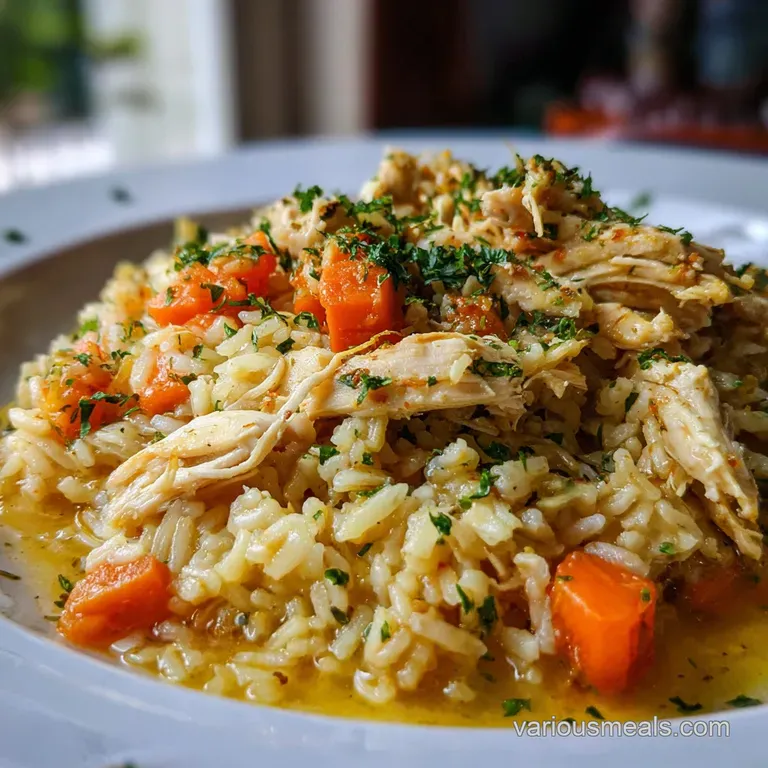
If your rice turns into a paste, it's usually because there was too much agitation or the rice wasn't rinsed. Rinsing removes the surface starch that acts like glue. Also, resist the urge to stir the pot every ten minutes; every time you open the lid, you lose the precise steam balance required for the grains to cook evenly.
Fixing Crunchy Rice
Crunchy rice happens when the liquid evaporates too fast or the temperature was too high. If you find the rice is still hard after the allotted time, add 1/4 cup of warm broth, stir gently, and give it another 15 minutes.
Never add cold liquid, as it shocks the rice and stops the cooking process dead in its tracks.
| Problem | Root Cause | Solution |
|---|---|---|
| Gummy Rice | Excess surface starch | Rinse rice until water is clear before adding |
| Bland Flavor | Under seasoned chicken | Increase smoked paprika and use bone broth, not water |
| Dry Texture | Liquid evaporated too fast | Keep lid sealed tight; add a splash of broth if needed |
Common Mistakes Checklist
- ✓ Rinsing the rice for at least 60 seconds (prevents the dreaded "rice glue").
- ✓ Using chicken thighs instead of breasts (breasts will dry out and turn stringy).
- ✓ Checking the rice at the 45 minute mark (slow cookers vary in heat intensity).
- ✓ Adding the cheese only at the very end (prevents the fat from separating).
- ✓ Using low sodium broth to avoid an overly salty final result after reduction.
For another hands off success, you might enjoy the Slow Cooker Honey recipe which uses a similar low temperature logic to tenderize the protein.
Scaling for Large Family Gatherings
When you're feeding a crowd, you can't just double everything and hope for the best. For a double batch (12 servings), use a 7 or 8 quart slow cooker. Don't double the salt immediately; go with 1.5x the salt and adjust at the end.
The liquid usually needs about 10% less than a straight double because there is less surface area for evaporation.
If you need to scale down for two people, cutting the recipe in half works perfectly. Use a smaller 3 quart slow cooker if you have one. If you only have a large one, the rice will cook significantly faster check it at 30 minutes instead of 45.
To get a single egg for half a recipe (if adding one for richness), beat it in a cup and pour out exactly half.
Debunking Rice Cooking Misconceptions
One of the biggest myths is that you must brown the chicken first to "lock in the juices." Searing meat creates flavor through the Maillard reaction, but it doesn't actually seal anything.
In a slow cooker environment, the gentle braise in cream and broth keeps the chicken incredibly moist without the extra step of pan frying.
Another common thought is that you can use any rice interchangeably. Using Minute Rice or arborio in this specific Chicken and Rice setup will result in a disaster. Minute rice will dissolve into nothing, and arborio will release too much starch, making the dish feel like a heavy risotto rather than a classic pot of chicken and rice.
Storing Leftovers and Reducing Waste
This dish stays beautiful in the fridge for up to 4 days. When reheating, the rice will have soaked up more liquid, so it might seem a bit stiff. I always add a tablespoon of water or milk before microwaving to bring back that velvety texture. For freezing, portion it into airtight bags for up to 3 months.
Thaw it in the fridge overnight before reheating.
To keep things zero waste, don't throw away those onion skins or parsley stems. Throw them into a freezer bag and use them next time you're making a homemade stock. If you have leftover rice that’s a bit too dry after a few days, it makes a fantastic base for a quick fried rice or can be stuffed into bell peppers for a second meal.
Serving Suggestions for a Full Plate
While this is a complete meal on its own, I love serving it with something bright and acidic to cut through the richness of the cheddar and cream. A simple green salad with a lemon vinaigrette works wonders.
Alternatively, some roasted green beans or steamed broccoli with a squeeze of lime can balance the smoky notes of the paprika.
If you want to lean into the comfort factor, a side of warm crusty bread is never a bad idea. It's the perfect vessel for swiping up any remaining creamy sauce from the bottom of the bowl. This dish also pairs beautifully with a side of one pan roasted recipe vegetables if you want to double down on the garden fresh elements of your dinner.
HIGH in Sodium
895 mg mg of sodium per serving (39% of daily value)
The American Heart Association recommends limiting sodium intake to approximately 2,300mg per day.
Sodium Reduction Tips for Chicken Rice Casserole
-
Broth Swap-30%
Replace the 2 cups of low-sodium chicken bone broth with a no-sodium chicken broth or homemade broth. This can significantly lower the overall sodium content.
-
Rethink the Soup-20%
Substitute the condensed cream of chicken soup with a homemade version or a reduced sodium alternative. Alternatively, try using a combination of milk or cream and cornstarch as a thickener with added herbs and spices to build flavor.
-
Cheese Carefully-15%
Reduce the amount of shredded cheddar cheese or opt for a lower sodium cheese variety like Swiss or Monterey Jack. Consider using only 1/2 cup of cheese or omitting it entirely.
-
Salt Control-25%
Reduce the amount of sea salt added to the recipe. Start by halving the amount (1/2 tsp) and adjust to taste after cooking. Remember, you can always add more, but you can't take it away!
-
Herb Power
Enhance the flavor with fresh herbs and spices. Use garlic powder, onion powder, or a blend of Italian herbs to compensate for reduced saltiness.
-
Fresh is Best-10%
If possible, use fresh peas and carrots instead of frozen to avoid any added sodium that may be present in frozen vegetables.
-
Rinse Rice Well-5%
Ensure you thoroughly rinse the long grain white rice before cooking. Rinsing removes excess starch and can help remove some surface sodium, if present.
Recipe FAQs
Can I cook rice in a crock pot with chicken?
Yes, absolutely. A crock pot is ideal for cooking rice and chicken together, as the low, slow cooking method allows the rice to absorb flavors and become tender without drying out. This method is great for hands off meal preparation.
Can you cook raw chicken and rice at the same time?
Yes, you can. Raw chicken can be cooked directly with rice, especially in methods like slow cooking or oven braising. The key is ensuring there's enough liquid for both to cook through safely and thoroughly. If you enjoyed mastering the technique of cooking protein and starch together here, see how the same principle applies in our Ground Beef Recipe for Beginners with Garlic and Herbs - Pan-Seared in 25 Minutes.
What are some common mistakes in chicken and rice?
Common mistakes include using too little liquid, which leads to dry, undercooked rice, or too much liquid, resulting in mushy, overcooked rice. Another pitfall is not rinsing the rice, which leaves excess starch and can make the dish gummy.
Also, using chicken breasts can lead to dry meat if cooked too long.
Can uncooked rice go in the crockpot?
Yes, uncooked rice can go directly into a crock pot. It requires sufficient liquid and time to cook through. Ensure the rice is fully submerged in the cooking liquid before starting the crock pot. This technique is similar to how we develop flavor in 15 Minute Pasta Salad Recipe with Italian Dressing by allowing ingredients to meld.
What's the best type of rice for slow cooker chicken and rice?
Long grain white rice is generally best. It holds its shape well and absorbs liquid evenly without becoming overly mushy, creating a pleasant texture. Varieties like Basmati or Jasmine also work well and add their own subtle aromatic qualities.
How do I prevent my crock pot chicken and rice from being dry?
Ensure adequate liquid is used and the lid stays sealed. A good ratio is typically 1.5 to 2 cups of liquid for every 1 cup of rice, plus enough to cover the chicken. Using fattier cuts of chicken, like thighs, also helps keep the dish moist.
Can I add vegetables to my chicken and rice in the crock pot?
Yes, absolutely. Vegetables like carrots, peas, onions, and bell peppers can be added. For quicker cooking vegetables, add them during the last hour of cooking to prevent them from becoming too soft. If you enjoy creating versatile meals, you might find our Orzo Pasta Salad in 20 Minutes | Creamy Mediterranean recipe useful for incorporating fresh ingredients.
Chicken And Rice
Ingredients:
Instructions:
Nutrition Facts:
| Calories | 498 kcal |
|---|---|
| Protein | 34.1 g |
| Fat | 17.8 g |
| Carbs | 48.2 g |
| Fiber | 2.4 g |
| Sugar | 2.8 g |
| Sodium | 895 mg |
