Creamy Avocado Pasta: Velvety & Zesty
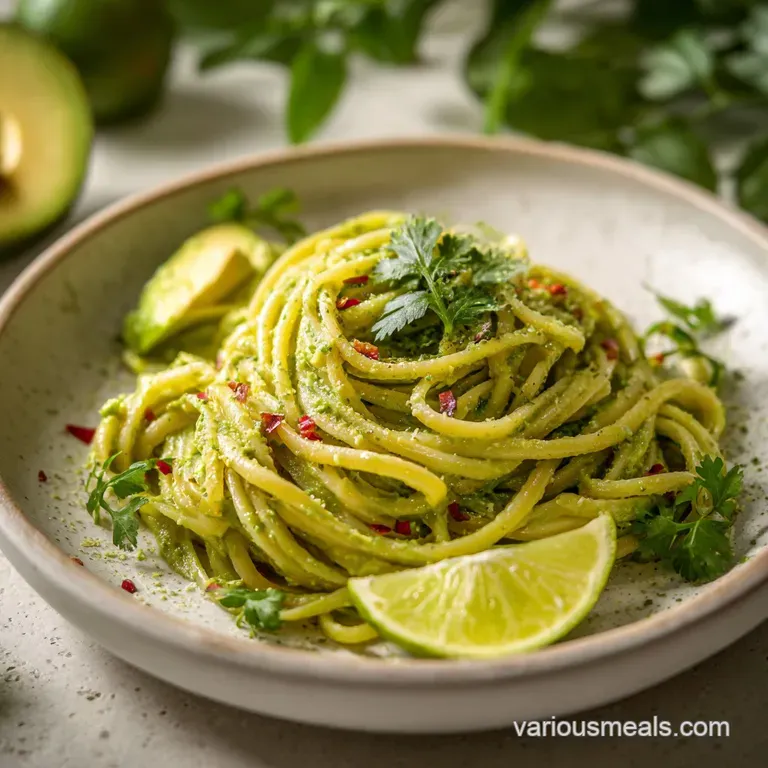
- Time: Active 5 minutes, Passive 10 minutes, Total 15 minutes
- Flavor/Texture Hook: Velvety, herbaceous, and zesty
- Perfect for: Hectic weeknight dinners and quick family comfort
Master the Ultimate Creamy Avocado Pasta
You know those Tuesday nights when the clock hits 6:00 PM, the kids are asking "what's for dinner," and you've got exactly zero energy left? That was me last week. I stared into my pantry, found a half empty box of spaghetti, and then spotted two perfectly ripe avocados on the counter.
It felt like a culinary emergency, but what happened next was pure kitchen magic.
The aroma of fresh basil hit the steam from the boiling pasta, and as I pulsed the sauce together, it turned into this vibrant, glowing green velvet. I didn't tell the family it was packed with healthy fats; I just served it up. The contrast of the warm, al dente noodles against the bright, zesty sauce was a total hit.
There wasn't a single strand left on anyone's plate.
This Creamy Avocado Pasta is my secret weapon for when I want something that feels like a fancy bistro meal but takes less time than ordering a pizza. It’s rich without being heavy, and the way the garlic and lemon cut through the buttery avocado is something you just have to experience.
We’re talking about a dinner that’s ready in the time it takes to boil water, yet it feels like a warm hug in a bowl.
Performance Metrics and Comparisons
When we think of comfort, we usually think of heavy cream and butter. However, this method proves that plant based fats can achieve that same luxurious mouthfeel with half the effort and a much brighter flavor profile. It's about working smarter, not harder, in the kitchen.
Before we get our hands messy, let's look at how this quick version stacks up against a more traditional cream based pasta. You might be surprised at how much time and effort you save without sacrificing that indulgent texture we all crave.
| Method | Total Time | Texture | Flavor Profile |
|---|---|---|---|
| Avocado Sauce | 15 minutes | Silk like and light | Bright, zesty, fresh herbs |
| Classic Alfredo | 30 minutes | Thick and coating | Heavy, buttery, salty cheese |
| Pesto Cream | 25 minutes | Grainy and rich | Nutty, oily, deeply savory |
Choosing the right pasta shape is just as important as the sauce itself. While we are using spaghetti here, the weight and surface area of your noodle dictate how well the sauce clings.
A thicker noodle like fettuccine provides more "real estate" for the avocado to coat, while a thinner spaghetti offers a more delicate balance.
Trust me on this: once you see how the green sauce coats the noodles, you'll never look back at the jarred stuff. It’s about that immediate gratification of a home cooked meal that actually tastes like it took an hour of prep.
Ingredient Selection and Science
Understanding the components is the first step to becoming a more intuitive cook. We aren't just tossing things in a blender; we are building a stable emulsion that stays creamy even as it cools slightly on the plate.
The Physics of the Glossy Emulsion: The starch molecules in the reserved pasta water act as a bridge between the olive oil and the avocado's natural fats. This creates a cohesive, velvety sauce that sticks to the pasta instead of sliding off into a puddle at the bottom of the bowl.
| Ingredient | Science Role | Pro Secret |
|---|---|---|
| Ripe Avocado | Primary Emulsifier | Use fruit that gives slightly to gentle thumb pressure. |
| Lemon Juice | pH Balancer | Prevents enzymatic browning and cuts through the fat. |
| Starchy Water | Binding Agent | Never skip this; it turns "guacamole" into "pasta sauce." |
| Extra Virgin Olive Oil | Flavor Carrier | Use cold pressed oil for a peppery, high end finish. |
Finding that sweet spot between a sauce and a dip is all about the liquid ratio. The starch in the water is your best friend here. If you've ever made my French Onion Pasta recipe, you know how vital that liquid gold is for achieving a silky consistency.
For the Pasta Base
The foundation of our dish is 12 oz spaghetti. I prefer a high-quality bronze cut pasta because the rougher surface helps the Creamy Avocado Pasta sauce grab onto the strands. You’ll also need 1 tbsp sea salt for the boiling water don't be shy with it, as this is your only chance to season the pasta from the inside out.
For the Simple Avocado Pasta Sauce
The heart of the dish requires 2 large ripe Hass avocados, pitted and peeled. To bring the garden into the kitchen, grab 0.5 cup fresh basil leaves, tightly packed. We’ll add 2 cloves garlic, peeled and smashed, to give it a gentle bite without being overwhelming.
To keep things bright and stable, we use 2 tbsp fresh lemon juice and 0.25 cup extra virgin olive oil. Finish it off with 0.5 tsp freshly cracked black pepper. The final "secret" ingredient is that 0.5 cup reserved starchy pasta water we talked about earlier.
| Original Ingredient | Substitute | Why It Works |
|---|---|---|
| Fresh Basil (0.5 cup) | Fresh Baby Spinach | Provides the same green hue with a milder, earthier flavor. |
| Lemon Juice (2 tbsp) | Lime Juice | Adds a more tropical, sharp acidity. |
| Spaghetti (12 oz) | Zucchini Noodles | Lowers carbs; use raw "zoodles" and toss with warm sauce. |
Essential Kitchen Gear
You don't need a professional kitchen to pull this off, but a few specific tools make the process seamless. The goal is a completely smooth sauce, so we want to avoid any chunky bits of garlic or avocado.
A high powered blender or a food processor is non negotiable for that professional grade texture. If you use a food processor, you might need to scrape down the sides a couple of times to ensure every bit of basil is pulverized. A blender tends to create a slightly more aerated, "whipped" texture which is quite lovely.
You’ll also need a large pot for the spaghetti and a pair of tongs. Tongs are much better than a fork for tossing the pasta in the sauce they allow you to lift and swirl the noodles, ensuring every inch is coated in green goodness.
Finally,, grab a small measuring cup to snag that pasta water before you drain the pot.
Chef's Tip: If you don't have a blender, you can use a mortar and pestle to grind the garlic and basil into a paste first, then mash in the avocado. It's more work, but the flavor is incredibly intense.
The Cooking Process
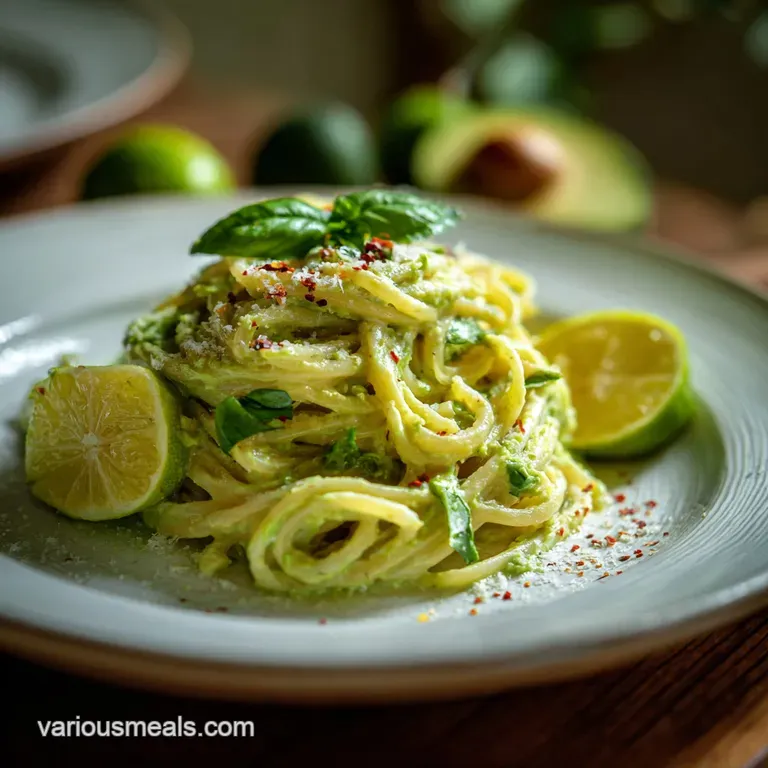
Ready to get started? This moves fast, so make sure your ingredients are prepped before the pasta hits the water. We want the sauce ready the moment the noodles reach that perfect al dente bite.
- Boil the water. Fill a large pot with water and add the 1 tbsp sea salt. Bring it to a rolling boil. Note: Salty water is essential for flavorful pasta.
- Cook the noodles. Add the 12 oz spaghetti and cook for about 10 minutes until firm to the bite (al dente).
- Prep the base. While the pasta cooks, place the 2 large ripe avocados, 0.5 cup basil, 2 cloves garlic, 2 tbsp lemon juice, and 0.25 cup olive oil into your blender.
- Season the mix. Add the 0.5 tsp freshly cracked black pepper to the blender.
- Save the liquid. Just before draining, dip a measuring cup into the pot to reserve 0.5 cup of the starchy pasta water.
- Drain the pasta. Pour the spaghetti into a colander, but do not rinse it. Note: Rinsing removes the starch we need for the sauce to stick.
- Blend the sauce. Add the reserved pasta water to the blender and pulse until the mixture is completely smooth and velvety.
- Combine. Return the pasta to the warm pot (off the heat) and pour the avocado sauce over the top.
- The final toss. Use tongs to swirl the noodles until they are fully coated and the sauce looks glossy.
- Serve immediately. Divide into bowls and top with extra basil or a crack of pepper if you're feeling fancy.
The heat from the pasta will warm the sauce just enough without "cooking" the avocado, which can sometimes make it taste bitter. You're looking for a finish that looks almost like a green Alfredo sauce thick, shiny, and utterly inviting.
Troubleshooting and Mistakes
Even the simplest recipes can have a few hiccups. Avocado is a temperamental ingredient because it oxidizes so quickly. If your sauce doesn't look quite right, don't panic! Most issues are easily fixed with a little kitchen chemistry.
Fixing Bitter Aftertaste
Sometimes, if an avocado is slightly underripe or if it gets too hot, it can develop a faint bitterness. If this happens, add a tiny pinch of sugar or a bit more lemon juice. The acidity and sweetness will mask the bitter notes and bring the flavors back into balance.
Preventing Grey Oxidation
If you notice your sauce turning a muddy brown instead of vibrant green, it’s usually because of air exposure. Ensure you are using fresh lemon juice, as the citric acid acts as a natural preservative. Also, try to blend the sauce at the very last second so it spends the least amount of time sitting out.
| Problem | Root Cause | Solution |
|---|---|---|
| Clumpy Sauce | Not enough liquid | Add 1 tbsp of warm water or olive oil and re blend. |
| Watery Finish | Too much pasta water | Toss the pasta over very low heat for 30 seconds to evaporate excess moisture. |
| Bland Flavor | Lack of salt | Add a pinch of sea salt at the very end; the pasta water isn't always enough. |
Common Mistakes Checklist
- ✓ Never boil the avocado sauce itself; high heat can turn it bitter and oily.
- ✓ Ensure the garlic is fully smashed or minced before blending to avoid spicy "garlic bombs."
- ✓ Use the pasta water immediately while it's still warm to help the fats emulsify.
- ✓ Don't forget to reserve the water! It's a mistake I made once and the sauce was way too thick.
- ✓ Work quickly once the sauce is blended to keep that bright green color.
Flavor Variations
This recipe is a fantastic canvas for your own creativity. While the basic version is a "family favorite," you can easily adapt it to suit different moods or dietary needs. It's a lot like the versatility you find in my 15 Minute Pasta recipe, where a few swaps change the whole vibe.
If you are looking for a Creamy Avocado Pasta with Chicken, simply grill two chicken breasts with some lemon and oregano, slice them thin, and lay them over the finished pasta. The extra protein makes it a much heartier meal for a long day.
For a Spicy Mediterranean Twist, add a teaspoon of red chili flakes and some sun dried tomatoes to the final toss.
Scaling for Large Families
If you're doubling the recipe for a big Sunday lunch, keep the salt and spices at about 1.5x the original amount first, then taste. Liquids like lemon juice and olive oil can be doubled exactly.
Use a very large mixing bowl for the final toss to ensure you have enough room to get that even coating without breaking the noodles.
A Decision Shortcut for Your Cravings
- If you want a deeper umami flavor, add 2 tbsp of nutritional yeast or grated Parmesan to the blender.
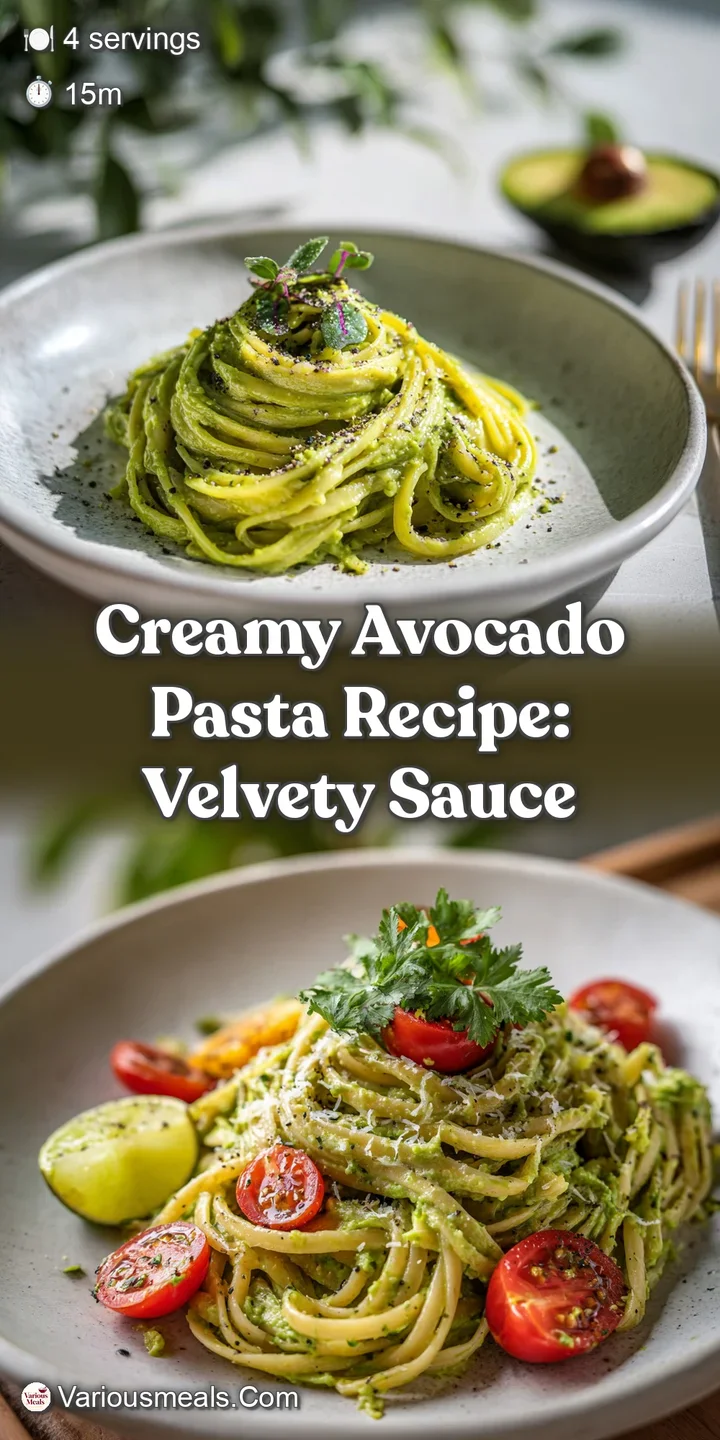
- If you want a lighter, summer meal, swap the spaghetti for penne and toss in a handful of halved cherry tomatoes.
- If you are making this for a toddler, omit the black pepper and blend in a handful of spinach for extra "superhero" nutrients.
For those who want something even more substantial, you might enjoy comparing this to the richness of my Seafood Pasta with recipe, which uses a similar emulsification technique but with a focus on briny, oceanic flavors.
Storage and Sustainability
Let’s be honest: avocado based dishes are best eaten immediately. However, if you do have leftovers, there are ways to save them. The key is to minimize the sauce's contact with oxygen.
Store any leftovers in the smallest airtight container possible. Press a piece of plastic wrap directly onto the surface of the pasta before closing the lid. This creates a physical barrier against the air. It will stay fresh in the fridge for about 1 day.
When reheating, do it gently on the stovetop with a splash of water never use the microwave on high power, or the avocado will lose its creamy texture.
For a zero waste approach, don't toss those basil stems! You can throw them into a bag in the freezer to use for making vegetable stock later. And those avocado pits? Some people swear by leaving the pit in the container with the leftovers to slow down browning, though the plastic wrap method is much more effective.
Perfect Table Pairings
This pasta is quite rich, so you’ll want to pair it with something that offers a bit of crunch or acidity to cleanse the palate. A simple side salad with a sharp vinaigrette is the classic choice, but don't be afraid to get a little more adventurous.
I love serving this alongside some roasted broccoli or charred asparagus. The smoky notes from the roasted vegetables play beautifully against the fresh, citrusy avocado. If you're looking for more inspiration for quick side dishes, you might find some ideas in our Orzo Pasta Salad recipe which also focuses on fresh, vibrant ingredients.
A crisp piece of garlic bread is also a mandatory addition in my house. Use it to swipe up any extra sauce left at the bottom of the bowl trust me, you won't want to waste a single drop of that green gold. It’s the ultimate comfort meal that leaves you feeling energized instead of weighed down.
For a Hearty Dinner
If you're serving this as the main event for a big dinner party, start with a light appetizer like bruschetta. The acidity of the tomatoes prepares the taste buds for the creamy main course.
Since this dish is naturally vegetarian (and easily vegan), it's a great "middle ground" meal that everyone at the table can enjoy together. It's approachable, beautiful, and honestly, just plain fun to eat.
Recipe FAQs
How to make avocado cream for pasta?
Blend ripe avocado with reserved starchy pasta water, fresh basil, garlic, lemon juice, and olive oil. The starchy water is crucial; it acts as the emulsifier to turn the mixture from a dip consistency into a sauce that coats the noodles.
What is the secret to creamy pasta sauce without dairy?
The secret is using the natural fats from the avocado combined with hot, starchy pasta water. This combination creates a stable, glossy emulsion that mimics the luxurious mouthfeel of heavy cream, similar to the technique used to thicken the sauce in our Beef Bourguignon recipe.
Does avocado pair well with pasta?
Yes, it creates a vibrant, fresh, and surprisingly rich sauce. When blended with acid (lemon) and aromatics (garlic/basil), the avocado flavor becomes bright rather than heavy, tasting more herbaceous than guacamole.
What can I add to pasta to make it creamy instantly?
Blend ripe avocado with reserved, hot pasta water in a blender until completely smooth. This method takes less than five minutes and creates a velvety sauce that clings instantly to the warm noodles.
Why is my avocado pasta sauce turning slightly brown?
The sauce is oxidizing due to exposure to air, or the avocado wasn't fully ripe. Counter this by adding ample fresh lemon juice, which provides acid to inhibit the browning enzymes, and ensure you blend immediately before serving.
Can I use frozen avocado for this sauce?
No, frozen avocado will result in a watery, grainy sauce. Frozen avocados release excess moisture when thawed and will not emulsify properly with the oil and starch.
Should I use a high powered blender for this sauce?
A high powered blender is highly recommended for the smoothest texture. If using a food processor, blend longer and scrape down the sides often to ensure there are no chunks of garlic or basil remaining, as texture is key here.
Creamy Avocado Pasta Ready Fast
Ingredients:
Instructions:
Nutrition Facts:
| Calories | 559 calories |
|---|---|
| Protein | 12.6 g |
| Fat | 25.8 g |
| Carbs | 70.1 g |
| Fiber | 7.3 g |
| Sugar | 2.8 g |
| Sodium | 480 mg |
