Creamy Tomato Chicken Pasta: Velvety and Tangy
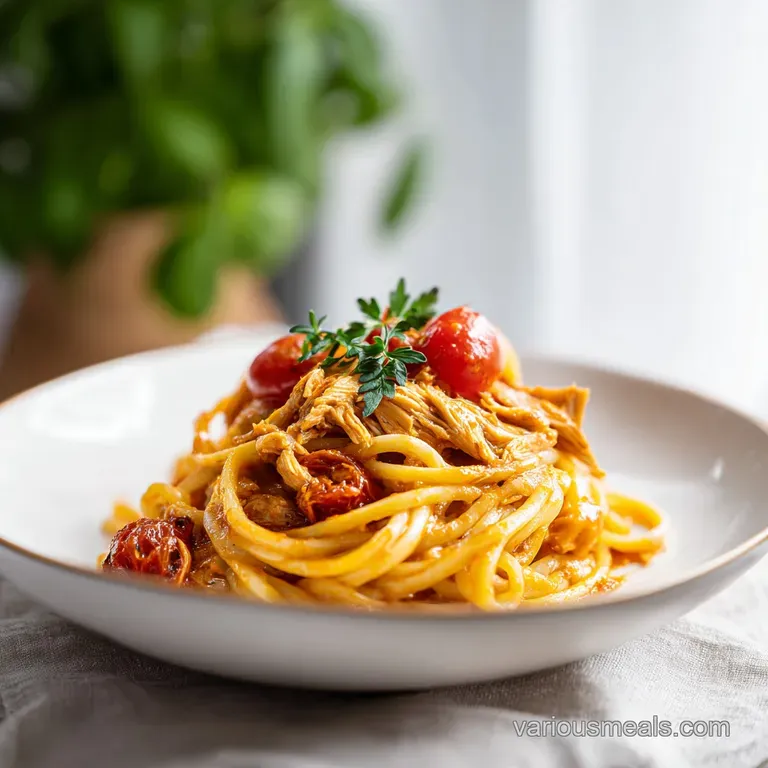
- Time: Active 10 mins, Passive 20 mins, Total 30 mins
- Flavor/Texture Hook: Velvety, tangy, and savory
- Perfect for: Cozy family dinners or beginner cooks
- Mastering My Best Creamy Tomato Chicken Pasta
- Why This Silky Sauce Stays Smooth
- Essential Specs for Best Results
- Selecting Quality Elements for Flavor
- Essential Tools for Your Kitchen
- Step-by-Step Guide to Cooking Success
- Fixing Common Kitchen Cooking Mistakes
- Tasty Ways to Change Flavors
- Storing and Reheating Your Leftovers
- Plating Techniques for Family Meals
- Myths About Creamy Pasta
- High in Sodium
- Recipe FAQs
- 📝 Recipe Card
Mastering My Best Creamy Tomato Chicken Pasta
The sound of those chicken medallions hitting the hot oil is basically my favorite song. There’s that immediate sizzle, a little puff of steam, and then that incredible aroma of searing protein that makes everyone wander into the kitchen asking, "What's for dinner?" I remember the first time I nailed this dish; I had finally stopped rushing the browning process and actually let the chicken develop those golden, crispy edges that hold all the flavor.
We’ve all had those pasta nights where the sauce ends up at the bottom of the bowl while the noodles stay dry and sad. This Creamy Tomato Chicken Pasta is the total opposite.
It’s about building layers of flavor starting with the browned bits in the pan, moving to the sharp bite of garlic, and finishing with a silky emulsion that hugs the pasta. It’s approachable, honest comfort food that I’ve made dozens of times when I needed a win in the kitchen.
Why This Silky Sauce Stays Smooth
Starch Binding: Starchy pasta water acts as a bridge, allowing the fats in the cream and cheese to bond perfectly with the acidic tomato base.
Maillard Magic: Searing the chicken at a high temp creates complex flavor compounds (the "fond") that dissolve into the sauce during deglazing.
Acid Balance: The dry white wine cuts through the richness of the heavy cream, keeping the flavor profile bright rather than heavy.
| Thickness | Internal Temp | Rest Time | Visual Cue |
|---|---|---|---|
| 1 inch Medallions | 165°F (74°C) | 3 mins | Opaque and springy to touch |
The key to that signature texture is understanding how the ingredients interact. When we talk about the science of a great sauce, we're really talking about emulsification. Without that splash of pasta water, your oil and cream might separate, leaving you with a greasy plate. By tossing the pasta directly into the sauce with that "liquid gold," you create a glossy finish that looks like it came from a professional kitchen. This reminds me of the technique in my Tomato Pasta Creamy recipe.
Essential Specs for Best Results
| Ingredient | Science Role | Pro Secret |
|---|---|---|
| Chicken Breast (1.5 lbs) | Protein Structure | Pat dry with paper towels to ensure a golden sear instead of steaming. |
| Tomato Paste (2 tbsp) | Umami Depth | Cook until it turns a dark brick red to remove the raw metallic taste. |
| Heavy Cream (1/2 cup) | Fat Emulsion | Add at room temperature to prevent the sauce from breaking due to heat shock. |
| Starchy Water (1/2 cup) | Binding Agent | Never rinse your pasta; that surface starch is what makes the sauce stick. |
When you're choosing your pasta, rigatoni or penne are the champions here. Those little tubes and ridges are designed to trap the sauce, ensuring you get a hit of that creamy tomato goodness in every single bite.
If you use a flat noodle, the chicken tends to sink to the bottom, but with a stout pasta shape, everything stays perfectly mingled.
Selecting Quality Elements for Flavor
- 1.5 lbs chicken breast: Sliced into 1 inch medallions. Why this? Smaller pieces cook faster and provide more surface area for browning.
- Substitute: Chicken thighs (use the same weight; they stay juicier but take 2 minutes longer).
- 12 oz penne or rigatoni pasta: The vessel for our sauce.
- Substitute: Fusilli or any corkscrew shape to catch the cream.
- 1 tbsp extra virgin olive oil: For the initial sear.
- Substitute: Unsalted butter for a richer, nuttier base.
- 3 cloves garlic: Minced finely.
- Substitute: 1 tsp garlic powder (but fresh is much more fragrant).
- 2 tbsp tomato paste: Concentrated flavor.
- Substitute: Double the amount of sun dried tomato pesto.
- 1/2 cup dry white wine: Pinot Grigio or Sauvignon Blanc work best.
- Substitute: Chicken broth with a squeeze of half a lemon.
- 14 oz crushed tomatoes: The heart of the sauce.
- Substitute: Whole peeled tomatoes crushed by hand for a chunkier texture.
- 1/2 cup heavy cream: For that signature velvet feel.
- Substitute: Full fat coconut milk (adds a slight nutty note).
- 1/2 cup Parmesan cheese: Freshly grated is mandatory.
- Substitute: Pecorino Romano for a saltier, sharper kick.
- 2 cups fresh baby spinach: For a pop of color and iron.
- Substitute: Chopped kale (sauté it for 3 minutes longer to soften).
- Seasonings: 1 tsp salt, 1/2 tsp black pepper, 1 tsp dried oregano, 1/2 tsp red pepper flakes.
| Fresh | Shortcut | Flavor Impact |
|---|---|---|
| Fresh Minced Garlic | Pre jarred Garlic | Fresh has a spicy, sharp bite; jarred is more mellow and sweet. |
| Hand Grated Parmesan | Pre shredded Bag | Fresh melts instantly; bagged has cellulose that can make sauces grainy. |
Essential Tools for Your Kitchen
You don't need a professional setup, but a heavy bottomed skillet is your best friend here. I personally love using a 12 inch cast iron or a stainless steel pan because they hold heat like a dream.
This ensures that when you drop 1.5 lbs of chicken in, the pan temperature doesn't plummet, which is the secret to getting that beautiful golden color.
A sturdy pair of tongs is also vital for flipping those chicken medallions individually. For the pasta, a large pot with plenty of salted water is a must aim for "salty like the sea." This is your only chance to season the pasta itself from the inside out.
Finally, grab a liquid measuring cup to scoop out that pasta water before you drain everything; I can't tell you how many times I've accidentally dumped that "liquid gold" down the sink!
step-by-step Guide to Cooking Success
1. The Golden Sear
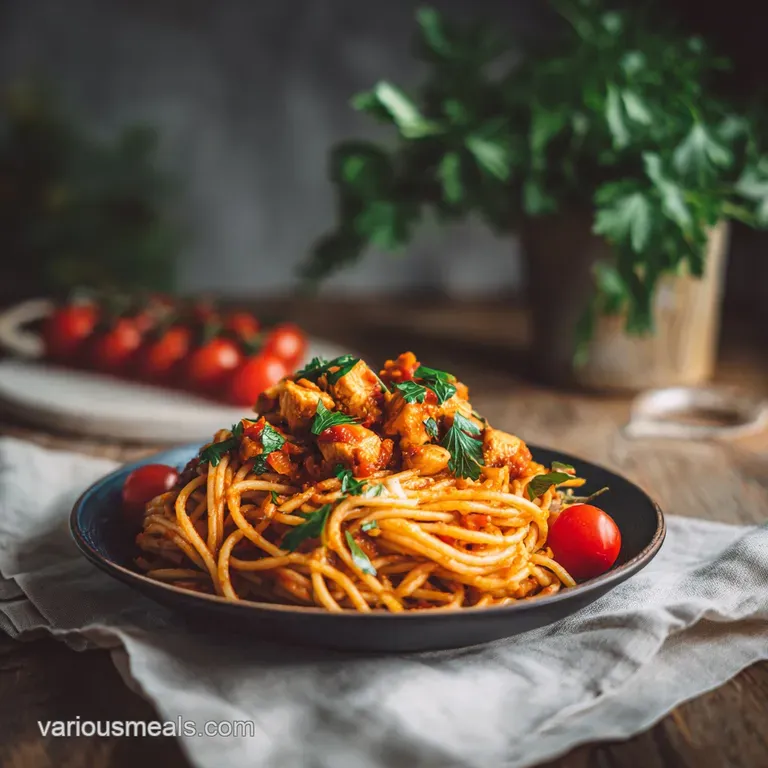
Season 1.5 lbs chicken medallions with salt and pepper. Heat 1 tbsp olive oil in your skillet over medium high heat and add the chicken in a single layer. Cook for 3-4 minutes per side until deeply browned and opaque.Note: Don't crowd the pan; work in batches if needed to maintain high heat.
2. Building the Aromatics
Remove the chicken and set it aside. In the same pan, add the 3 cloves of minced garlic, 1 tsp dried oregano, and 1/2 tsp red pepper flakes. Sauté for 1 minute until the garlic is fragrant and pale gold.
3. Deepening the Base
Stir in 2 tbsp tomato paste. Cook for 2 minutes, stirring constantly, until the paste turns a dark mahogany color.Note: This caramelization step removes the raw, metallic edge from the paste.
4. The Deglaze
Pour in 1/2 cup dry white wine. Scrape the bottom of the pan with a wooden spoon until all the browned bits (fond) are dissolved. For a busier night, you can skip the wine and use broth as seen in this Chicken Pasta Dinner.
5. The Simmer
Add 14 oz crushed tomatoes and stir to combine. Simmer for 10 minutes on low heat until the sauce thickens and the flavors meld.
6. Boiling the Pasta
While the sauce simmers, cook 12 oz pasta in salted water. Boil until just shy of al dente (usually 2 minutes less than the box says). Reserved 1/2 cup of the water before draining.
7. Creating the Velvet Finish
Lower the skillet heat and stir in 1/2 cup heavy cream and 1/2 cup Parmesan cheese. Whisk gently until the sauce is uniform and the cheese has melted.
8. The Final Emulsion
Add the cooked pasta, the seared chicken, and 2 cups baby spinach to the skillet. Toss everything together for 2 minutes, adding the reserved pasta water a tablespoon at a time until the sauce is glossy and coats every noodle.
Fixing Common Kitchen Cooking Mistakes
Rubbery Chicken Fix
If your chicken feels like a pencil eraser, it’s likely overcooked. Chicken breast is lean and dries out fast once it hits 165°F (74°C). To prevent this, pull the chicken out of the pan the second it's no longer pink in the middle.
It will finish cooking slightly when you toss it back into the hot sauce at the end.
Broken Oily Sauce Solutions
Seeing a layer of yellow oil on top of your sauce? That means the emulsion has "broken." This usually happens if the heat is too high when you add the cream or cheese. To fix it, remove the pan from the heat immediately and whisk in a tablespoon of room temperature water or more starchy pasta water.
The extra liquid and a good stir can often bring the sauce back together.
| Problem | Root Cause | Solution |
|---|---|---|
| Grainy texture | Pre shredded cheese used | Use hand grated cheese for better melting. |
| Sauce is too thin | Not enough reduction time | Simmer the tomatoes for 5 extra minutes before adding cream. |
| Bland finish | Lack of seasoning | Add a pinch more salt or a squeeze of lemon juice. |
Common Mistakes Checklist ✓ Pat the chicken dry with a paper towel before searing (moisture is the enemy of browning). ✓ Do not rinse the pasta; you need that surface starch for the sauce to cling. ✓ Let the tomato paste actually change color; don't just stir it in and move on.
✓ Add the cream slowly over low heat to avoid curdling. ✓ Save the pasta water before you drain the pot (set a timer or leave a measuring cup in the colander as a reminder).
Tasty Ways to Change Flavors
No Cream Variation
If you want to skip the heavy cream, you can actually use the starchy pasta water and a bit more Parmesan to create a "silky" effect without the dairy fat. Alternatively, blending half a cup of the crushed tomatoes with a handful of soaked cashews creates a surprisingly rich, plant based creaminess.
The Pasta Bake Version
Want a cheesy crust? Follow the recipe until the final tossing stage, then transfer everything to a 9x13 baking dish. Top with a cup of shredded mozzarella and bake at 400°F (200°C) for about 10 minutes until the cheese is bubbling and has those gorgeous brown spots.
Chef's Tip: To take the flavor even deeper, try adding a tablespoon of balsamic vinegar or a teaspoon of sugar to the tomato sauce. This balances the acidity of the tomatoes and brings out their natural sweetness.
Storing and Reheating Your Leftovers
Leftovers of this Creamy Tomato Chicken Pasta will stay fresh in the fridge for up to 3 days in an airtight container. The pasta will naturally absorb the sauce as it sits, so don't be surprised if it looks a bit "dry" the next day. To bring back that velvety texture, add a splash of milk or water when reheating.
I don't recommend freezing this specific dish. Cream based sauces have a tendency to separate and become grainy once thawed and reheated. If you must freeze it, do so before adding the cream and cheese.
For zero waste cooking, use any leftover sauce to top a piece of grilled fish or even as a dip for some crusty garlic bread.
Plating Techniques for Family Meals
Plating for Your Family
When serving, don't just dump the pan into a bowl. Use a large pasta fork to swirl the noodles into a high mound in the center of the plate. This keeps the heat trapped inside and looks much more intentional. Make sure a few pieces of the golden chicken are visible on top so people know what they're getting.
Final Finishing Touches
A final dusting of freshly grated Parmesan and a sprinkle of cracked black pepper goes a long way. If you have some extra basil or parsley, tear it by hand rather than chopping it with a knife this prevents the edges from bruising and keeps the herb's aroma bright.
A drizzle of high-quality olive oil right before serving adds a beautiful sheen and a peppery finish that ties the whole dish together. Trust me, it makes a world of difference.
Myths About Creamy Pasta
Myth: Adding oil to pasta water prevents sticking. Actually, oil just floats on top and then coats the pasta as you drain it, which prevents the sauce from sticking to the noodles.
The real secret to non stick pasta is using a large enough pot and stirring frequently during the first two minutes of boiling.
Myth: You must cook pasta "Al Dente" in the water. For a sauce heavy dish like this, you should actually pull the pasta out when it still has a firm "white core" in the center. It will finish cooking in the sauce, soaking up the tomato and cream flavors rather than just water.
Myth: Fresh tomatoes are always better than canned. Unless it's the peak of summer, high-quality canned crushed tomatoes (like San Marzano style) are usually more consistent and flavorful than grocery store fresh tomatoes, which are often picked green and lack the necessary sugar content for a rich
sauce.
High in Sodium
875 mg mg of sodium per serving (38% of daily value)
The American Heart Association recommends limiting sodium intake to about 2,300mg per day for overall cardiovascular health.
Tips to Reduce Sodium in This Recipe
-
Reduce Parmesan Cheese-15%
Parmesan cheese is a significant source of sodium. Reduce the amount of Parmesan by half, or substitute with a lower sodium cheese like part skim mozzarella (use only 1/4 cup) for a cheesy flavor with less sodium.
-
Choose Low-Sodium Tomatoes-20%
Canned crushed tomatoes can be high in sodium. Opt for no-salt added crushed tomatoes to significantly reduce the sodium content of the sauce.
-
Reduce Added Salt-25%
This recipe uses 1 tsp of kosher salt. Try reducing the salt used in the recipe by half (1/2 tsp). Taste and adjust the seasoning after cooking.
-
Omit Salt in Pasta Water-5%
While salting pasta water is common, it contributes to overall sodium intake. Skip the salt in the pasta water, as the sauce already contains enough flavor.
-
Enhance Flavor with Herbs
Experiment with sodium free herbs and spices like basil, parsley, or garlic powder to enhance the flavor of the dish without adding sodium. These alternatives boost the overall flavor profile.
Recipe FAQs
What is the secret to making the sauce cling perfectly to the pasta?
Reserve and use the starchy pasta water. This water contains dissolved starch that acts as an emulsifier, binding the fat (cream) and liquid (tomato) into a stable, glossy sauce.
Can I use heavy cream substitutions like milk or half and-half?
No, stick with heavy cream for best results. Lighter dairy products contain less fat, which means the sauce will separate easily when heated or may become too thin and watery.
How to ensure the chicken breast sears beautifully instead of steaming?
Pat the chicken thoroughly dry with paper towels before seasoning. Excess surface moisture must be removed; if the pan isn't hot enough when the chicken hits the oil, it will steam instead of forming a flavorful brown crust.
Is it true that cooking tomato paste is unnecessary for this recipe?
False. Cooking the tomato paste is crucial for deep flavor. Sautéing the paste for 1-2 minutes until it darkens to a brick red color cooks out the raw, metallic notes, boosting the umami significantly.
How to adjust this recipe if I want a richer, spicier flavor profile?
Increase the red pepper flakes and substitute the chicken breast for thighs. Chicken thighs retain more moisture during cooking and add a deeper savory flavor to the final sauce base. If you enjoy this depth, you might also like our African Chicken Peanut recipe for building complex flavors.
What is the best pasta shape to use for capturing the thick tomato cream?
Use a tube or spiral shape like rigatoni or penne. These shapes are designed to trap the thick sauce both inside the tube and on their ridged exterior, ensuring every forkful is coated.
How long can I safely store leftovers and can I freeze this sauce?
Refrigerate leftovers for up to 3 days, but avoid freezing the finished dish. Cream based sauces often break and turn grainy upon thawing and reheating, though you could freeze the tomato base before adding the cream.
Creamy Tomato Chicken Pasta
Ingredients:
Instructions:
Nutrition Facts:
| Calories | 848 calories |
|---|---|
| Protein | 69 g |
| Fat | 25 g |
| Carbs | 76 g |
| Fiber | 4 g |
| Sugar | 5 g |
| Sodium | 875 mg |
