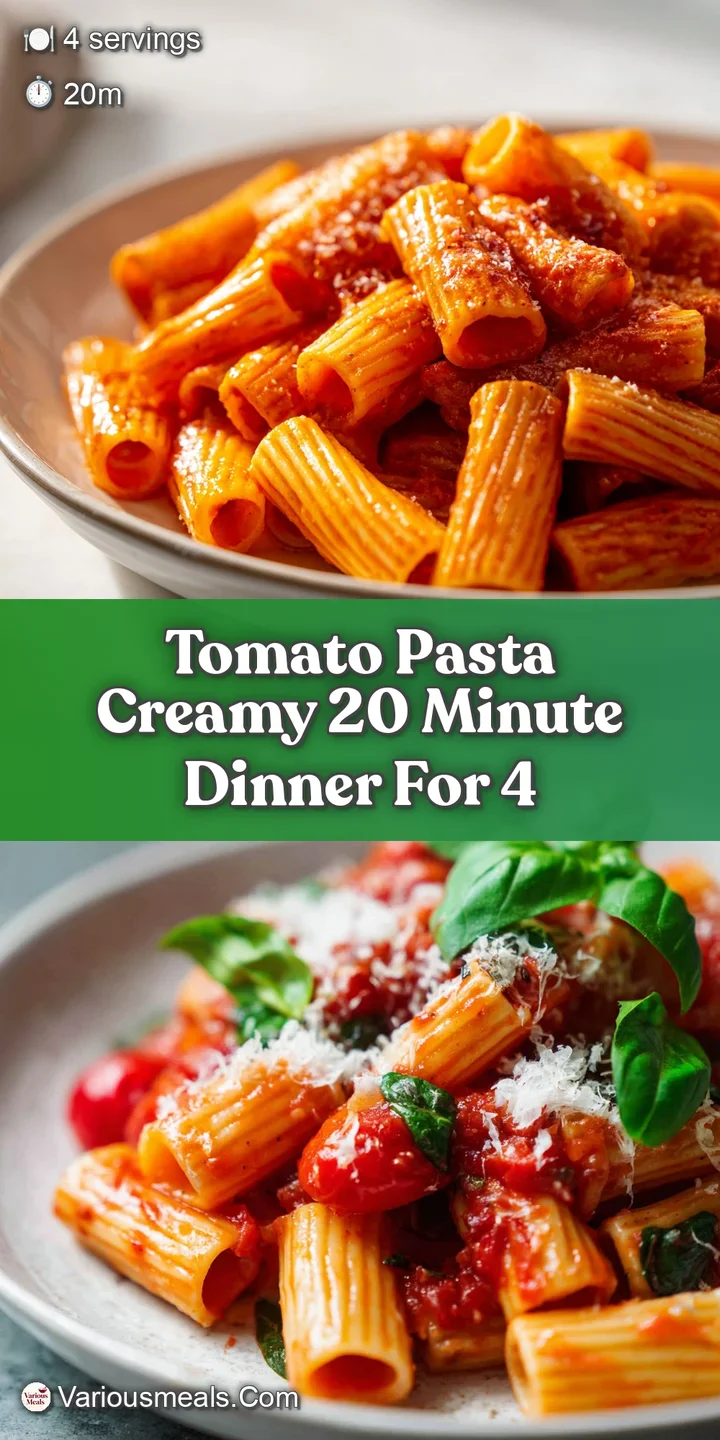
Tomato Pasta Creamy 20 Minute Dinner
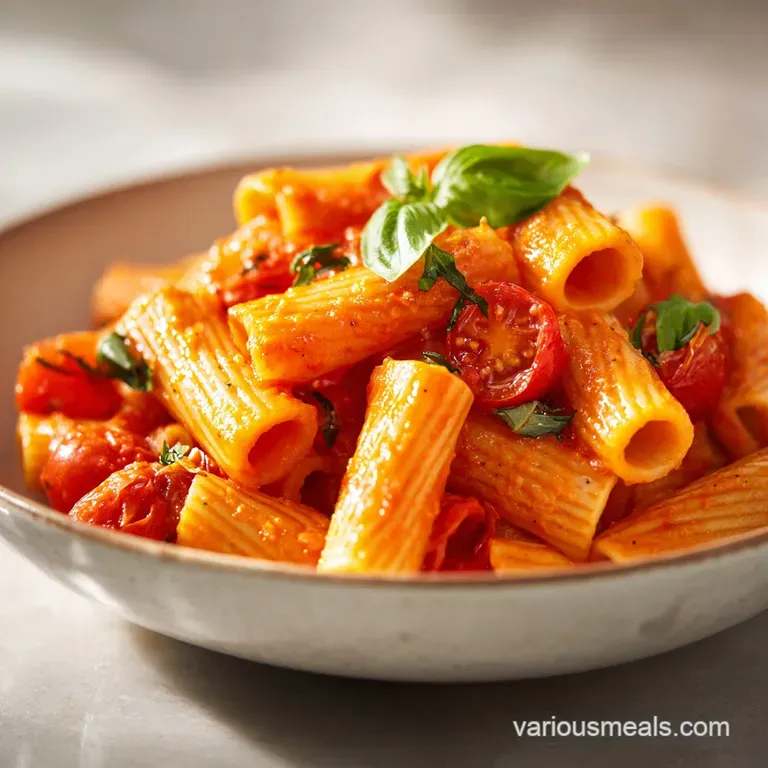
- Time: Active 5 minutes, Passive 15 minutes, Total 20 minutes
- Flavor/Texture Hook: Silky, tangy, and deeply savory
- Perfect for: Busy weeknights, comfort food cravings, or beginner cooks
- Science Behind the Silky Sauce Texture
- Ingredient Deep Dive and Component Analysis
- Essential Components for a Balanced Plate
- Tools Needed for a Quick Meal
- Simple Steps for a Velvety Result
- Common Pitfalls and Professional Solutions
- Smart Alternatives for Flavorful Variations
- How to Keep Leftovers Fresh
- Finishing Touches for Family Meals
- Myths Regarding Creamy Pasta Sauces
- Very High in Sodium
- Recipe FAQs
- 📝 Recipe Card
You know those nights when the fridge looks like a desert, you've got exactly zero energy, and the local takeout place has a forty minute wait? I've been there more times than I care to admit. Last Tuesday was one of them.
I stood in my kitchen, staring at a half used jar of passata and a tub of Greek yogurt, thinking there was no way I could turn this into a meal that didn't taste like "refrigerated despair." But then, I threw some sliced garlic into shimmering olive oil, and that sharp, sweet sizzle changed everything.
As the garlic turned golden and the tomato paste hit the pan with a punchy, savory aroma, I realized I was onto something. By the time the rigatoni was al dente, I had a sauce that was velvety, rich, and had this incredible tang from the yogurt that heavy cream just can't replicate.
It felt like a cheat code for a fancy Italian dinner. We sat down to eat in exactly twenty minutes, and honestly, the silence at the table - because everyone was too busy inhaling their pasta - was the ultimate win.
Science Behind the Silky Sauce Texture
Tomato Polymerization: Frying the tomato paste in oil causes the sugars to caramelize and the acids to mellow, creating a concentrated "umami" base that tastes like it simmered for hours.
Greek Yogurt Emulsification: The high protein content in full fat Greek yogurt allows it to bind with the starchy pasta water, creating a stable, velvety sauce that doesn't split as easily as light creams.
| Cooking Method | Cook Time | Final Texture | Best For |
|---|---|---|---|
| Standard Stovetop | 15 minutes | Silky and light | Quick weeknight meals |
| One Pot Method | 18 minutes | Starchy and thick | Minimum cleanup |
| Oven Baked Finish | 25 minutes | Crispy top edges | Weekend family style |
Choosing the right method depends on your mood, but for this specific version, the stovetop method wins every time because it gives you total control over the sauce's consistency. If you're in a rush later this week, you might also love this Creamy Avocado Pasta recipe. The stovetop approach ensures the garlic doesn't burn while the pasta reaches that perfect al dente bite.
Ingredient Deep Dive and Component Analysis
| Ingredient | Science Role | Pro Secret |
|---|---|---|
| Tomato Paste | Concentrated flavor | Sizzle until it turns a deep rust color for maximum sweetness. |
| Full fat Greek Yogurt | Acidic creaminess | Temper with a splash of warm pasta water before adding to the pan. |
| Pasta Water | Liquid gold binder | Never drain it all; the starch acts as the glue for your sauce. |
| Sea Salt | Protein seasoning | Salt the water until it tastes like the ocean to season the pasta from within. |
The interaction between the yogurt and the tomato acidity is where the magic happens. While many people reach for heavy cream, the yogurt provides a thick body without the heavy mouthfeel. If you want a more traditional meat based version when you have a bit more time, you can see how I handle the sauce balance in this 30 Minute Weeknight recipe.
Essential Components for a Balanced Plate
To make this tomato pasta creamy 20 minute dinner truly stand out, we need to focus on high-quality basics. Every ingredient in this list serves a specific purpose, from providing the fat that carries the flavor to the acid that cuts through the richness.
- 1 lb Rigatoni pasta: Why this? The ridges (rigate) are designed to catch and hold onto thick, creamy sauces. Substitute: Penne or Fusilli.
- 2 tbsp Sea salt: Why this? Essential for boiling pasta water; it's the only chance to season the dough. Substitute: Kosher salt.
- 2 tbsp Extra virgin olive oil: Why this? The fat base that carries the aromatics of garlic and shallot. Substitute: Unsalted butter.
- 3 cloves Garlic, thinly sliced: Why this? Slicing provides a mellow sweetness compared to the pungency of mincing. Substitute: 1 tsp Garlic powder.
- 1 small Shallot, finely minced: Why this? Offers a delicate onion flavor that melts into the sauce. Substitute: Red onion.
- 0.5 tsp Red pepper flakes: Why this? Adds a subtle background heat that balances the yogurt's tang. Substitute: Cayenne pepper.
- 2 tbsp Concentrated tomato paste: Why this? Provides the "cooked all day" depth in just a few minutes. Substitute: Sundried tomato pesto.
- 1.5 cups Tomato passata: Why this? A smooth, sieved tomato base that creates a uniform, silky sauce. Substitute: Crushed tomatoes.
- 0.5 cup Full fat Greek yogurt: Why this? The healthy secret to a creamy texture without the heaviness of cream. Substitute: Sour cream or Crème fraîche.
- 0.5 cup Freshly grated Parmesan cheese: Why this? Adds saltiness and helps emulsify the sauce into a glossy finish. Substitute: Pecorino Romano.
- 1 bunch Fresh basil, torn by hand: Why this? Tearing prevents bruising and releases the oils more effectively than chopping. Substitute: Fresh parsley.
Chef's Tip: If you find your tomato sauce tastes a little too "tinny" or metallic, add a tiny pinch of sugar. It doesn't make it sweet, but it acts like a highlighter for the natural tomato flavors.
Tools Needed for a Quick Meal
You don't need a professional kitchen for this, but two specific items make a world of difference. First, a wide skillet (about 12 inches) is better than a deep pot for the sauce. The wider surface area allows the passata to reduce and thicken much faster.
Second, a high-quality microplane for that Parmesan cheese ensures it's fine enough to melt instantly into the sauce rather than clumping.
I always recommend using a wooden spoon for the sauce. It's sturdy enough to scrape those caramelized tomato bits (the fond) off the bottom of the pan, which is where all the flavor lives. If you have a pasta fork, use that to transfer the rigatoni directly from the water to the skillet.
This naturally carries over some of that "liquid gold" pasta water we need for the emulsion.
Simple Steps for a Velvety Result
- Boil the water. Fill a large pot with water and add the 2 tbsp sea salt. Bring it to a rolling boil.
- Cook the rigatoni. Drop the 1 lb rigatoni into the water. Cook for about 10-12 minutes until it's al dente with a slight firm bite.
- Sizzle the aromatics. While the pasta cooks, heat 2 tbsp olive oil in a wide skillet over medium heat. Add the sliced garlic and minced shallot.
- Aroma Check 1: You're looking for the garlic to become fragrant and translucent - it should smell sweet and savory, not burnt.
- Bloom the paste. Stir in the 2 tbsp tomato paste and 0.5 tsp red pepper flakes. Cook for 2 minutes until the paste turns a dark, rusty red.
- Simmer the passata. Pour in the 1.5 cups tomato passata. Reduce the heat and let it bubble gently for 5 minutes.
- Aroma Check 2: The sharp acidic scent of the raw tomatoes will shift into a rich, mellow, and slightly caramelized aroma.
- Save the water. Before draining the pasta, scoop out 1 cup of the starchy pasta water.
- Combine. Add the cooked rigatoni directly to the skillet. Toss well to coat every tube in the tomato base.
- The Velvety Finish. Remove the pan from the heat. Whisk in the 0.5 cup Greek yogurt, 0.5 cup Parmesan, and a splash of pasta water until the sauce is glossy and clings to the pasta.
- Garnish. Throw in the bunch of hand torn basil and give it one last toss.
Chef's Tip: Always add your creamy element (yogurt or cream) after taking the pan off the heat. Excessive boiling can cause yogurt to curdle, ruining that velvety finish we worked so hard for.
Common Pitfalls and Professional Solutions
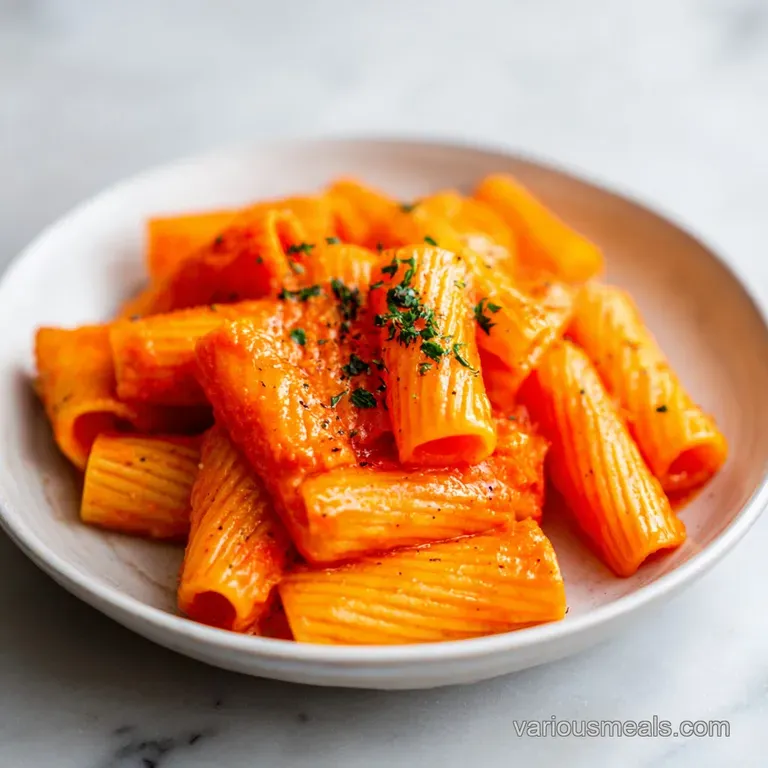
Why is my sauce grainy?
This usually happens for two reasons. Either the Parmesan cheese was the pre shredded kind (which is coated in potato starch to prevent sticking) or the pan was too hot when you added the Greek yogurt. High heat causes the proteins in the yogurt to tighten and clump together.
What if the sauce won't stick?
If the sauce is sliding right off the rigatoni, it's likely too thin or the pasta was rinsed. Never rinse your pasta! You need those surface starches. To fix a thin sauce, add an extra handful of Parmesan and another splash of pasta water, then toss vigorously. The agitation helps the fats and starches bond.
| Problem | Root Cause | Solution |
|---|---|---|
| Sauce is too sour | Passata acidity | Add a pinch of sugar or a small knob of butter to mellow it. |
| Clumpy cheese | Pan was too hot | Remove from heat and add a splash of hot pasta water to melt it. |
| Dry pasta | Too much evaporation | Add more pasta water 1/4 cup at a time until glossy. |
Common Mistakes Checklist
- ✓ Adding the yogurt while the sauce is at a rolling boil (causes curdling).
- ✓ Draining all the pasta water before the sauce is finished.
- ✓ Not "blooming" the tomato paste long enough to remove the raw metallic taste.
- ✓ Using low-fat or non fat yogurt, which lacks the stability of full fat versions.
- ✓ Slicing the garlic too thick, so it doesn't soften in time.
Smart Alternatives for Flavorful Variations
If you want to keep this a "tomato pasta sauce without cream" but want even more depth, you can swap the Greek yogurt for silken tofu blended with a little lemon juice for a vegan friendly creaminess. It's surprisingly effective! For a more Mediterranean vibe, check out this Orzo Pasta Salad recipe which uses similar aromatic principles but in a lighter format.
| Original Ingredient | Substitute | Why It Works |
|---|---|---|
| Greek Yogurt | Crème fraîche | Higher fat content makes it even richer and less likely to break. |
| Rigatoni | Penne | Similar shape with a hollow center to trap the creamy sauce. |
| Fresh Basil | Fresh Oregano | Adds a more earthy, floral note rather than the peppery sweetness of basil. |
If you want to add protein without increasing the cook time, toss in a can of drained chickpeas or some pre cooked rotisserie chicken during the final tossing stage. The residual heat will warm them through perfectly without requiring an extra pan.
How to Keep Leftovers Fresh
Storage: This pasta keeps beautifully in an airtight container in the fridge for up to 3 days. However, the pasta will continue to soak up the sauce as it sits, so it might look a bit dry the next day.
Reheating: To bring back that velvety texture, reheat it on the stove with a splash of water or milk. This re emulsifies the sauce. I don't recommend freezing this specific dish; the Greek yogurt can change texture and become slightly grainy once thawed and reheated.
Zero Waste: Don't throw away those basil stems! While we use the leaves for the garnish, the stems are packed with flavor. Finely mince them and sauté them right along with the shallots and garlic at the beginning of the recipe for an extra herbaceous punch.
Finishing Touches for Family Meals
When you're ready to serve, don't just dump the pasta into bowls. Give it one last vigorous stir in the pan this is what the Italians call mantecatura. It creates that final glossy sheen that makes the dish look like it came from a restaurant.
If you have any leftover Parmesan, a final dusting on top along with a crack of fresh black pepper is the way to go.
For a complete meal, I usually serve this with a simple side of leafy greens tossed in a sharp vinaigrette. The acidity of the salad dressing cleanses the palate between bites of the rich, creamy pasta. If you have five extra minutes, some crusty bread rubbed with a raw garlic clove is the perfect tool for scooping up every last drop of that sauce. Trust me, you won't want to leave any behind! If you're looking for another quick option for a busy night, my 15 Minute Pasta recipe is a great cold alternative for warmer days.
Myths Regarding Creamy Pasta Sauces
Myth: You need heavy cream for a "cream" sauce. The truth is that the combination of starch (from the pasta water), fat (from the oil and cheese), and a creamy acid (like yogurt) creates a much more complex and interesting emulsion than just adding heavy cream.
Cream often masks the flavor of the tomatoes, while yogurt enhances their natural brightness.
Myth: Adding oil to the pasta water prevents sticking. This is a kitchen fable. The oil just floats on top of the water and gets poured down the drain. Even worse, it can coat the pasta in a slick film that prevents the sauce from sticking later.
The only way to prevent sticking is to use a large enough pot and to stir the pasta occasionally during the first few minutes of cooking.
Myth: Tomato paste can be used straight from the can. While you can do this, you're missing out on 80% of its potential. Raw tomato paste has a harsh, flat taste.
By "blooming" it in fat until it changes color, you unlock deep savory notes that provide the foundation for the entire 20 minute dinner.
Very High in Sodium
1140 mg mg of sodium per serving (50% of daily value)
The American Heart Association recommends limiting sodium intake to about 2,300mg per day for overall cardiovascular health.
Sodium Reduction Tips for Your Rigatoni Recipe
-
Reduce Parmesan-15%
Parmesan cheese is a significant source of sodium. Reduce the amount of Parmesan by half or substitute with a lower sodium cheese like part skim mozzarella to cut approximately 15% of the sodium.
-
Salt Reduction-25%
Reducing the sea salt from 2 tbsp to 1 tbsp is a simple way to significantly lower the sodium content. This can reduce sodium by up to approximately 25%.
-
Low Sodium Passata-20%
Opt for a no-salt added or low-sodium tomato passata. This will help reduce the overall sodium level from approximately 20%, without sacrificing flavor.
-
Enhance with Herbs
Use fresh herbs like basil, oregano, or parsley to boost flavor without adding sodium. Fresh herbs can make the dish more vibrant and flavorful.
Recipe FAQs
Can I substitute the Greek yogurt with sour cream?
Yes, this is an excellent substitution. Sour cream contains higher fat content than most Greek yogurts, resulting in an even richer, silkier mouthfeel, though it will be slightly less tangy.
How to prevent the Greek yogurt from curdling when added to the sauce?
Remove the skillet entirely from the heat source before stirring in the yogurt. High, direct heat causes the yogurt proteins to tighten up and split, resulting in a grainy texture rather than a smooth emulsion.
How to achieve deep flavor in under 20 minutes?
Bloom the tomato paste aggressively in olive oil until it darkens to a rust color. This process caramelizes the sugars and eliminates the metallic taste, mimicking hours of slow simmering.
Is it true that rinsing pasta helps the sauce stick better?
No, this is a common misconception. Rinsing washes away the surface starch clinging to the pasta, which is crucial for creating a stable emulsion with the yogurt and cheese.
What is the role of the starchy pasta water in this recipe?
The starchy water acts as the primary binder and emulsifier for the sauce. Its starches help the fat from the cheese and the protein from the yogurt mix uniformly without separating, similar to how you build flavor in our Slow Cooker Honey recipe through liquid reduction.
How to substitute the pasta if I don't have rigatoni on hand?
Use any short, ridged pasta shape available, such as penne or fusilli. The ridges or crevices are essential for catching and holding onto the creamy sauce base effectively.
Should I salt the pasta water heavily for this quick meal?
Yes, the water must be salted aggressively, tasting like the sea. This is the only opportunity to season the actual pasta dough from within, providing a baseline flavor that balances the finished sauce.
Creamy Tomato Pasta In 20
Ingredients:
Instructions:
Nutrition Facts:
| Calories | 599 kcal |
|---|---|
| Protein | 23.9 g |
| Fat | 13.8 g |
| Carbs | 94.6 g |
| Fiber | 5.5 g |
| Sugar | 7.2 g |
| Sodium | 1140 mg |
