Crispy Beijing Beef Copycat Recipe
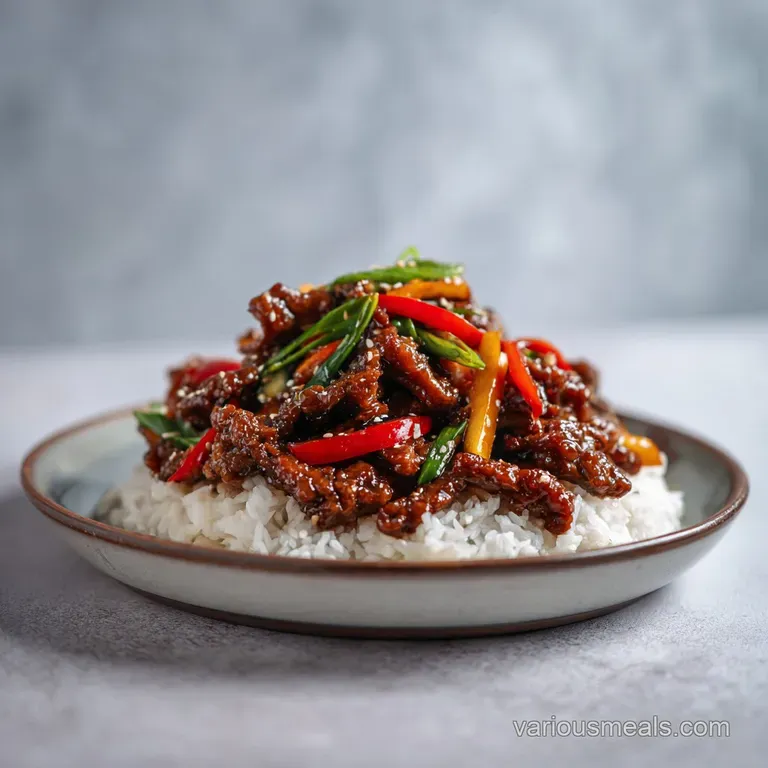
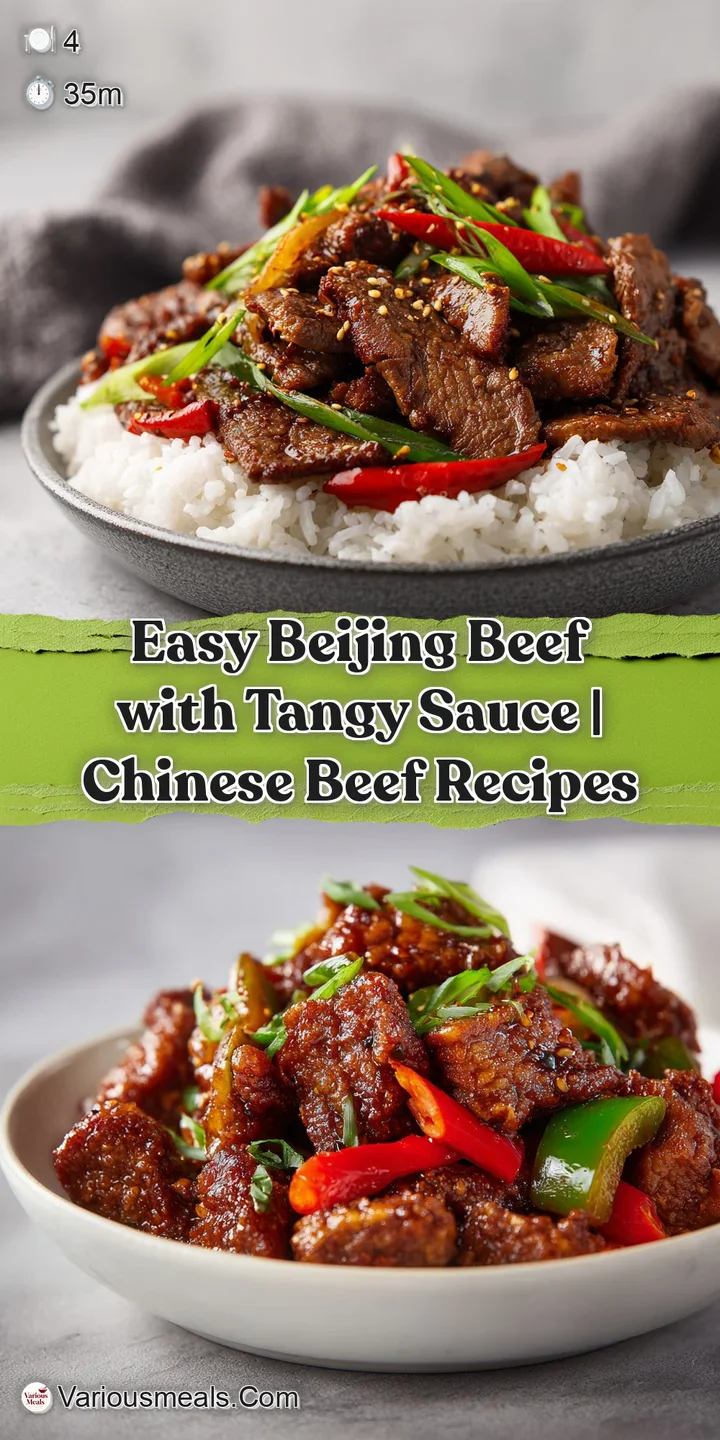
- Time: Active 20 minutes, Passive 15 minutes, Total 35 minutes
- Flavor/Texture Hook: A shatteringly crisp beef exterior cloaked in a sticky, tangy, umami rich glaze.
- Perfect for: A fast, high impact weeknight dinner that beats ordering delivery.
- Achieving Restaurant Quality Beijing Beef in Your Kitchen
- The Chemistry Behind the Perfect Beijing Beef Crunch
- Essential Ingredients and The Science of Flavor
- Professional Equipment for Maximum Efficiency
- The Step-by-Step Cooking Process
- Common Mistakes & Troubleshooting
- Dietary Adaptations for Your Needs
- Storage and Zero Waste Practices
- What to Serve This With
- High in Sodium
- Recipe FAQs
- 📝 Recipe Card
Achieving Restaurant Quality Beijing Beef in Your Kitchen
There is nothing quite like the sound of a scorching hot wok hitting the burner that sharp, rhythmic hiss that signals dinner is minutes away from being finished. I still remember the first time I tried to recreate my favorite takeout meal at home; I ended up with a pile of sad, gummy meat that looked nothing like the glossy, vibrant dish I craved.
It was a total disaster, but it taught me that the secret to a great Beijing Beef recipe isn't just the sauce it’s the sequence.
You want that specific contrast of a coating that holds its crunch against a punchy, caramelized glaze. It turns out that getting this right is mostly about managing the heat and coating the meat in a way that creates a protective, crispy barrier.
Stick with me, and we’ll turn your home kitchen into your new favorite takeout spot.
The Chemistry Behind the Perfect Beijing Beef Crunch
Maillard Reaction: By searing the cornstarch coated flank steak in over high heat oil, we facilitate rapid browning, creating complex savory notes and a textural barrier that resists moisture.
Starch Gelatinization: Using cornstarch instead of flour creates a lighter, glass like coating that doesn't absorb the glaze as aggressively, keeping the beef firm rather than soggy.
Emulsification Stability: Combining oyster sauce, sweet chili, and a touch of sesame oil creates a stable, glossy coating that clings to the beef without breaking under the heat of the wok.
Protein Denaturation: The quick, over high heat flash fry ensures the lean flank steak stays tender rather than turning rubbery, which often happens with longer cooking methods.
| Thickness | Internal Temp | Rest Time | Visual Cue |
|---|---|---|---|
| 1/4 inch strips | 145°F | 3 mins | Deep mahogany crust |
| 1/2 inch cubes | 145°F | 3 mins | Edges appear shattered |
| Whole flank | 145°F | 5 mins | Surface is dark brown |
Essential Ingredients and The Science of Flavor
Component Analysis: Ingredient Deep Dive
| Ingredient | Science Role | Pro Secret |
|---|---|---|
| Flank Steak | Primary protein source | Slice against the grain for tenderness |
| Cornstarch | Crisping agent | Double coat for extra structural integrity |
| Oyster Sauce | Umami anchor | Use sparingly as it contains sodium |
| Rice Vinegar | Acid balancing | Cuts the sugar to brighten the palate |
- 1 lb Flank steak: Why this? The lean muscle fibers offer the best "chew" when thinly sliced. (Substitute: Sirloin steak, though it lacks the same grain density)
- 1/2 cup Cornstarch: Why this? Creates the characteristic light, crackling crust. (Substitute: Potato starch, which provides an even airier texture)
- 1 tbsp Soy sauce: Why this? Provides the base salinity for the marinade. (Substitute: Tamari for a gluten-free option)
- 1 tsp Shaoxing wine: Why this? Adds a complex floral aroma essential to Chinese cooking. (Substitute: Dry sherry with a dash of lime juice)
- 1 cup Neutral oil: Why this? High smoke point is non negotiable for flash frying. (Substitute: Avocado oil, which handles high heat beautifully)
- 1/4 cup Sweet chili sauce: Why this? The primary sugar source for caramelization. (Substitute: Hoisin mixed with honey, though it will be less tangy)
- 2 tbsp Oyster sauce: Why this? Thickens the glaze and adds deep savoriness. (Substitute: Vegetarian mushroom stir fry sauce)
- 1 tbsp Rice vinegar: Why this? Brightens the heavy, sweet flavors. (Substitute: Apple cider vinegar)
- 1 tsp Sriracha: Why this? Adds a subtle heat that lingers. (Substitute: Chili garlic paste)
- 1/2 tsp Toasted sesame oil: Why this? Provides the final nutty aromatic top note. (Substitute: Toasted sesame seeds)
- 1 Red bell pepper & 1 Yellow onion: Why this? Adds essential sweetness and crunchy contrast. (Substitute: Snap peas for extra crunch)
Professional Equipment for Maximum Efficiency
You don't need a commercial range, but having the right tools makes this much easier. A large carbon steel wok is my go to because it retains heat and has high sides to prevent oil splatters.
If you don't have a wok, a large cast iron skillet (such as Lodge) works well because it holds its temperature during the flash fry process. Keep a pair of long metal tongs handy to maneuver the meat they are essential for keeping your hands away from the hot oil.
The step-by-step Cooking Process
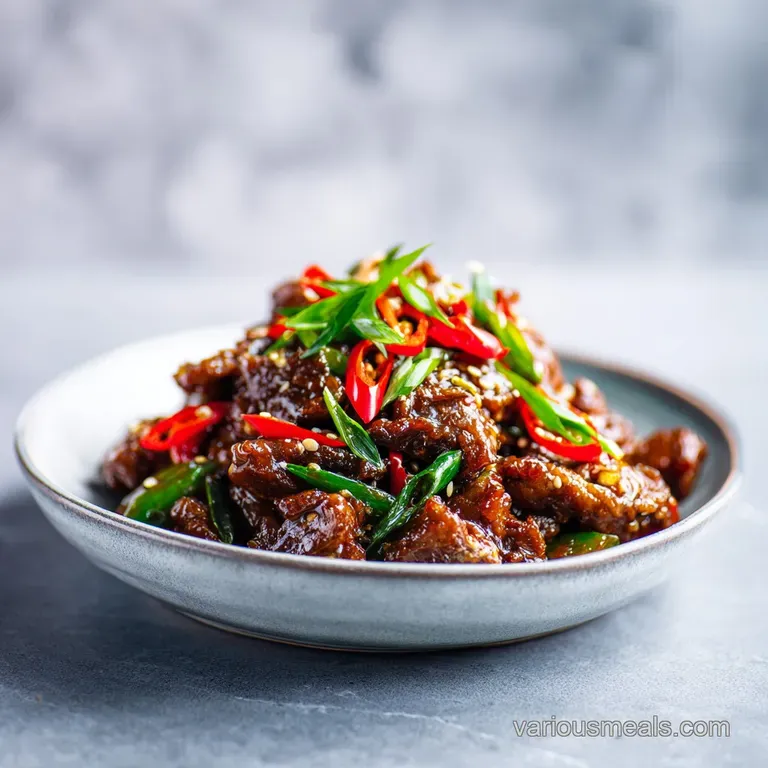
- Slice the steak: Cut the flank steak into thin 1/4 inch strips across the grain. Note: This is the most important step for ensuring the meat is easy to chew.
- Marinate the beef: Toss the beef with 1 tablespoon soy sauce and the Shaoxing wine. Note: Let this sit for 10 minutes to allow the flavors to penetrate the surface.
- Coat the meat: Dredge the beef strips in cornstarch until every piece is thoroughly covered. Note: Shake off the excess to prevent a gummy texture.
- Heat the oil: Add the neutral oil to your wok until it shimmers. Note: You want the oil to be near 375°F for that initial sear.
- Flash fry the beef: Add the beef in small batches and fry for 3 minutes until the exterior is deep gold and shattered. Note: Do not crowd the pan, or the temperature will drop and the beef will steam.
- Drain and rest: Remove the beef and set it on a wire rack or paper towels. Note: Resting allows the crust to firm up.
- Sauté the aromatics: Remove most of the oil, leaving just a teaspoon, and sear the onions and bell peppers for 3 minutes until charred at the edges.
- Make the glaze: Whisk the sweet chili sauce, oyster sauce, soy sauce, rice vinegar, Sriracha, and sesame oil in a bowl, then pour into the hot pan. Note: Stir until the sauce turns into a velvety, thick syrup.
- Toss and serve: Add the fried beef back into the pan and toss quickly for 30 seconds to coat. Note: Serve immediately while the crust is still crisp.
Common Mistakes & Troubleshooting
Why is my crust soggy?
The most common culprit is adding the sauce too early or overcrowding the pan during the frying stage. If the beef isn't crispy before it touches the sauce, it won't hold up. Ensure your oil is hot enough and that you let the beef drain for at least a minute on a rack before mixing it with the glaze.
| Problem | Root Cause | Solution |
|---|---|---|
| Gummy coating | Too much cornstarch | Shake off excess before frying |
| Tough meat | Overcooking | Stick to the 3 minute fry limit |
| Dull flavor | Low heat | Get the wok smoking hot before adding oil |
- ✓ Pat the beef dry with paper towels before marinating to ensure the cornstarch adheres perfectly.
- ✓ Use a heavy bottomed pan to maintain a consistent temperature when adding the cold beef.
- ✓ Never skip the resting period; it is the difference between a soggy mess and a professional grade crunch.
- ✓ Work in small batches, even if it takes a few extra minutes, to preserve the high heat of your oil.
Dietary Adaptations for Your Needs
If you are cooking for a gluten-free household, simply swap the soy sauce for tamari or coconut aminos. The cornstarch is already naturally gluten-free, so you’re halfway there.
For a low sodium version, you can reduce the oyster sauce by half and replace it with more ginger and garlic to boost the flavor without the extra salt.
If you prefer a lighter, faster version, you can stir fry the beef without the heavy cornstarch coating, though you will lose that signature "takeout" texture. For those who want more fiber, adding broccoli florets alongside the peppers creates a fantastic, balanced meal. This is similar to the vegetable integration used in our Beef Mushroom Stir recipe.
Storage and Zero Waste Practices
Beijing Beef is best consumed the moment it comes out of the wok. However, if you have leftovers, store the beef and sauce separately if possible. If you can't, keep them in an airtight container in the fridge for up to 2 days. To reheat, use a hot skillet rather than a microwave to regain some of the lost crispiness.
Don't toss those onion trimmings or the ends of your peppers! Keep a gallon sized freezer bag in your freezer labeled "stock scraps." Every time you have vegetable ends or even the bones from a Middle Eastern Roasted recipe, throw them in. Once the bag is full, boil it with water to make a rich, flavorful homemade vegetable stock.
What to Serve This With
This dish is packed with bold, sweet, and spicy flavors, so it needs a neutral base to balance it out. A simple, steamed bowl of jasmine rice is the classic choice. If you want a more substantial meal, pairing this with a crisp, cool cucumber salad or smashed garlic bok choy works wonders. For a different type of protein prep, you might enjoy this alongside a fresh Ground Beef Recipe if you are feeding a larger crowd.
Why Searing Does Not "Seal" Meat
It is a common myth that searing meat "seals in the juices." In reality, searing does not stop moisture loss; it primarily creates the Maillard reaction, which is essential for developing flavor and texture.
The moisture content remains relatively stable regardless of the sear, so don't worry about "locking in" anything focus instead on achieving that beautiful, dark crust that defines this dish.
High in Sodium
840 mg of sodium per serving (37% of daily value)
American Heart Association recommends a limit of about 2,300mg of sodium per day.
Tips to Reduce Sodium
-
Low-Sodium Soy Sauce-20%
Replace regular soy sauce with a low-sodium or reduced sodium version. This can significantly decrease the overall sodium content.
-
Reduce Oyster Sauce-15%
Oyster sauce is a concentrated source of sodium. Try using only 1 tablespoon of oyster sauce instead of 2, or substitute with a low-sodium alternative.
-
Control Chili Sauce-10%
Sweet chili sauce and sriracha can be high in sodium. Use a smaller amount or choose a low-sodium version. Consider fresh chili peppers for heat instead.
-
Skip the Marinade-10%
The initial soy sauce and Shaoxing wine marinade contributes to the sodium. Consider reducing the marinating time or omitting the soy sauce altogether, relying on other flavors.
-
Unsalted Rice-5%
Serve this dish with unsalted rice to balance the overall sodium intake of the meal.
-
Flavor Boost
Enhance the dish's flavor with sodium free herbs and spices like garlic powder, onion powder, black pepper, or red pepper flakes. These additions can help compensate for the reduced sodium content.
Recipe FAQs
What is in the Beijing beef?
Flank steak, bell pepper, and onion are the main components. The flavor comes from a sauce based on sweet chili sauce, oyster sauce, rice vinegar, and a touch of Sriracha, coating the crispy beef strips.
What does Beijing sauce taste like?
It is primarily sweet and savory with a mild, balancing tang. The dominant flavors are provided by the sweet chili and oyster sauces, offering a complex profile that is less heavy than some darker stir fry sauces.
What is the difference between Mongolian beef and Beijing beef?
Beijing beef sauce relies more heavily on sweet chili sauce for its profile. Mongolian beef typically features a thicker, richer sauce relying more heavily on dark soy sauce and sometimes brown sugar, offering a deeper umami note.
Why is Beijing beef so good?
The contrast between the crispy exterior and the tender steak is key. Achieving that perfect coating requires ensuring the cornstarch and liquid are properly balanced, a technique similar to what you need for a firm coating in our Sweet and Sour recipe.
How to ensure the beef stays crispy after saucing?
Toss the beef in the hot sauce for the shortest time possible. You want to coat the crispy strips quickly in the wok with the vegetables and immediately remove them from the heat source.
Is it true that Beijing Beef should only be eaten immediately?
No, but it is best consumed fresh. While the crispness degrades over time, leftovers stored airtight can last two days, and reheating in a hot skillet helps restore texture better than microwaving.
What temperature should the oil be for frying the steak strips?
Aim for 350°F (175°C) for double frying the coated steak. Maintaining this consistent high heat ensures the cornstarch crust sets quickly without absorbing excess oil, leading to a lighter crunch.
Crispy Beijing Beef Recipe
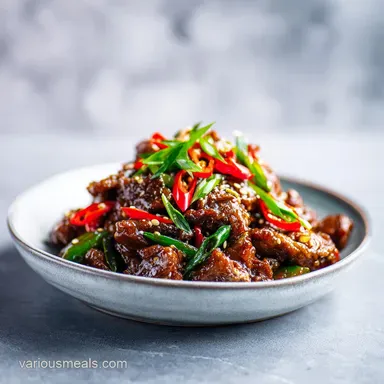
Ingredients:
Instructions:
Nutrition Facts:
| Calories | 415 kcal |
|---|---|
| Protein | 26g |
| Fat | 22g |
| Carbs | 28g |
| Sugar | 12g |
| Sodium | 840mg |
