Korean Fried Chicken: Crispy and Glazed
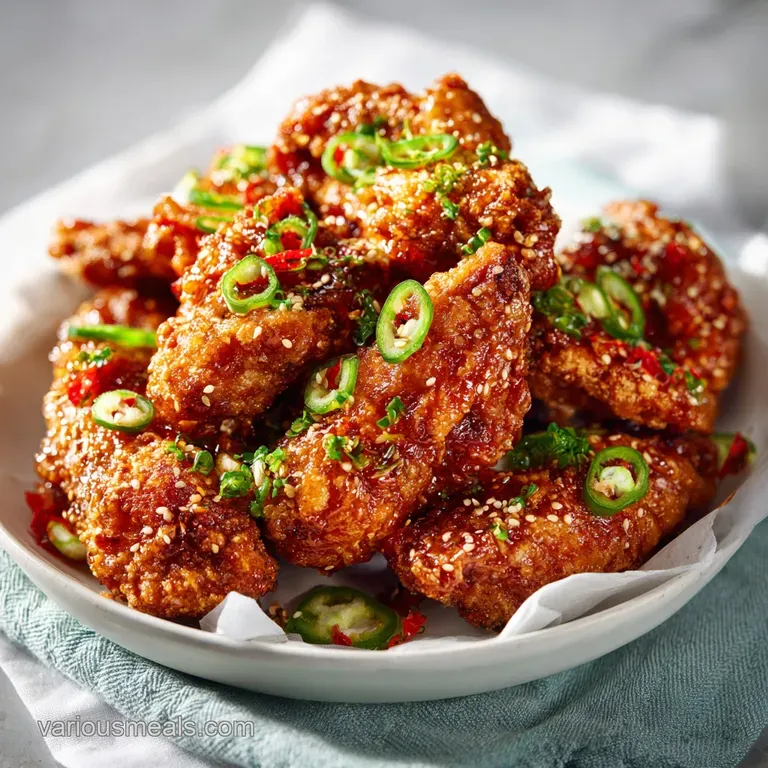
- Time: Active 20 minutes, Passive 25 minutes, Total 45 minutes
- Flavor/Texture Hook: Shatteringly crisp crust with a velvety, spicy sweet glaze
- Perfect for: Weekend treat, game night, or a bold dinner upgrade
- Shatteringly Crispy Secrets for the Best Korean Fried Chicken
- Why Most Methods Fail to Deliver the Crunch
- Key Benchmarks for Achieving the Perfect Glaze
- The Essential Tools for a Professional Home Fry
- Step by Step Guide to a Flawless Double Fry
- Fixing Soggy Crusts and Burnt Garlic Glazes
- Creative Ways to Customize Your Gochujang Glaze
- How to Store and Reheat for Maximum Crisp
- The Best Sides to Pair with Sticky Chicken
- Very High in Sodium
- Recipe FAQs
- 📝 Recipe Card
Shatteringly Crispy Secrets for the Best Korean Fried Chicken
Forget everything you know about standard breading. Most people assume that getting that iconic, glass like crunch on Korean Fried Chicken requires some industrial grade equipment or a secret chemical additive, but that is a complete myth.
You don't need a high tech pressure fryer to get results that rival your favorite spot in Seoul. In fact, the secret is actually about removing moisture, not adding more layers of batter.
I remember the first time I tried to make this at home. I used a standard thick beer batter, thinking more volume meant more crunch. It was a disaster. Within five minutes, the sauce turned the coating into a gummy, soggy mess that slid right off the meat. It was heartbreaking.
But after I realized that the magic lies in the starch ratio and the specific temperature jump during the fry, everything changed. Now, I get that "crack" sound every single time, even after the chicken has been sitting in the sauce for half an hour.
This recipe is all about high intensity flavor and efficiency. We are using boneless thighs because they stay juicy under the high heat of the second fry, and we’re building layers of flavor from the marinade to the final tossing of the glaze.
If you have been looking for that specific "Chimaek" (chicken and beer) experience in your own kitchen, this is the blueprint you need.
Why Most Methods Fail to Deliver the Crunch
The real reason most home cooked fried chicken fails to stay crispy is water. When you fry chicken once, steam from the meat works its way out through the crust, eventually softening it from the inside out. By implementing a two stage process, we effectively "waterproof" our chicken.
- Moisture Displacement: The first fry at a lower temperature cooks the meat and draws out surface moisture into the oil.
- Starch Gelatinization: Potato starch creates a rigid, crystalline structure when fried that is much stronger and thinner than wheat flour alone.
- Thermal Shock: Increasing the oil temperature for the second fry instantly boils off any remaining surface water and browns the starch.
- Gas Release: Baking powder creates tiny carbon dioxide bubbles in the coating, increasing the surface area for maximum crunch.
| Thickness | Internal Temp | Rest Time | Visual Cue |
|---|---|---|---|
| 2.5 cm pieces | 74°C | 3 minutes | Deep mahogany crust, clear juices |
| 4 cm pieces | 74°C | 5 minutes | Bubbles in oil slow down significantly |
| Wings (whole) | 74°C | 4 minutes | Skin appears translucent and taut |
The table above helps you gauge doneness regardless of the size of your chicken pieces. While we are using bite sized thighs for this recipe, you can adapt the timing based on these visual and thermal checkpoints.
Getting the internal temperature to exactly 74°C ensures the meat is safe and juicy without becoming rubbery from overcooking.
Key Benchmarks for Achieving the Perfect Glaze
The chemistry of the glaze is just as important as the fry. We aren't just making a sauce; we are creating a sugar based lacquer that needs to be thick enough to coat but thin enough not to weigh down the crust.
Using corn syrup is non negotiable here because it provides that signature mirror shine and prevents the sugar from crystallizing and becoming grainy.
| Component | Science Role | Pro Secret |
|---|---|---|
| Potato Starch | High amylose content for a rigid, thin crust | Press it firmly into the meat to form a "skin" |
| Mirin | Alcohol and sugar tenderize the muscle fibers | Let it sit for the full 15 minutes to penetrate |
| Gochujang | Fermented base provides umami and thickness | Simmer until the raw "pepper" taste mellows out |
| Baking Powder | Increases pH to accelerate browning | Don't skip this; it's the secret to the tiny craters |
When you are looking for a meal that hits different notes, you might be tempted by something like this Mississippi Chicken recipe, which is fantastic for a set it and forget it vibe. But when you want bold, aggressive crunch and heat, the manual labor of the double fry is worth every second.
| Original Ingredient | Substitute | Why It Works |
|---|---|---|
| Potato Starch | Cornstarch | Similar crispiness, though slightly less "glassy" texture |
| Mirin | Dry Sherry + 1 tsp sugar | Mimics the acidity and sweetness of rice wine |
| Corn Syrup | Honey | Provides stickiness. Note: Honey burns faster, so watch the heat |
| Gochujang | Sriracha + Miso paste | Combines heat with fermented salty depth |
Using the right starch is the biggest factor in the "crunch life" of your chicken. Potato starch has larger granules than cornstarch, which results in a more textured, craggy surface that holds onto the sauce better.
If you only have all purpose flour, you will end up with a softer, more bread like coating that will go soggy almost immediately once the sauce hits it.
The Essential Tools for a Professional Home Fry
To get this right, you need tools that can handle heat and provide stability. A thin walled pot will lose temperature too quickly when you drop the cold chicken in, leading to greasy, oily meat. I always reach for my heavy cast iron or a thick stainless steel Dutch oven. It holds onto that thermal energy like a champ.
- Heavy Bottomed Pot: Essential for maintaining a steady 160°C and 190°C during the different fry stages.
- Digital Thermometer: You cannot guestimate oil temperature; 10 degrees makes the difference between "crispy" and "burnt."
- Wire Cooling Rack: Never drain fried chicken on paper towels. The steam gets trapped underneath and ruins the bottom crunch.
- Fine Mesh Spider: Perfect for scooping out batches and clearing out "tempura bits" that would otherwise burn in the oil.
Chef's Tip: Freeze your marinated chicken for 10 minutes before dredging. The cold meat keeps the starch from hydrating too quickly, resulting in a much lighter, crispier shell.
step-by-step Guide to a Flawless Double Fry
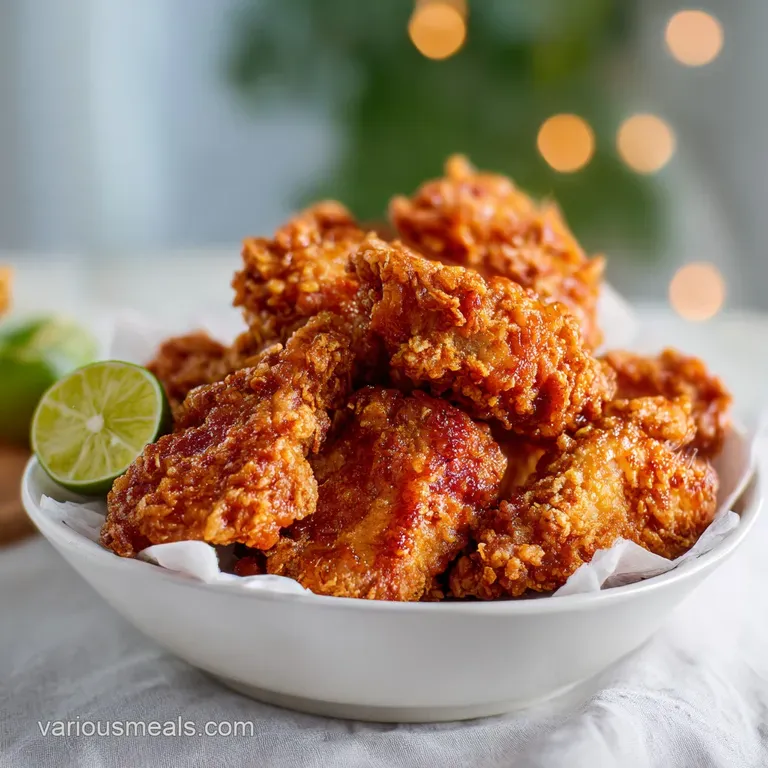
- Toss 900g (2 lbs) of bite sized chicken thighs with 1 tsp sea salt, 0.5 tsp white pepper, 1 tbsp grated ginger, and 2 tbsp mirin. Note: The ginger contains enzymes that help break down tough proteins.
- Marinate for 15 minutes until the meat looks glossy and smells fragrant.
- Whisk 1 cup potato starch, 0.25 cup flour, and 0.5 tsp baking powder in a shallow dish.
- Dredge the chicken pieces firmly in the starch mixture, ensuring no bald spots remain.
- Heat 4 cups vegetable oil to 160°C (325°F) in your heavy pot.
- Fry chicken in batches for 6 to 8 minutes until the coating is pale golden and firm. Note: Don't overcrowd the pot or the oil temp will tank.
- Increase oil heat to 190°C (375°F) and fry for 2 to 3 minutes until the crust turns deep mahogany and shatters when tapped.
- Simmer 3 tbsp gochujang, 2 tbsp soy sauce, 0.25 cup corn syrup, 1 tbsp brown sugar, and 2 cloves minced garlic in a wok until bubbles look thick and syrupy.
- Stir in 1 tsp toasted sesame oil, then toss the fried chicken in the hot glaze.
- Serve immediately while the sizzle is still audible.
While you are managing the oil, you might want a simpler side dish to keep things balanced. A bowl of Chicken and Rice is usually my go to when I'm not doing the full fry setup, but for this specific meal, some simple pickled radishes are the traditional choice to cut through the fat.
Fixing Soggy Crusts and Burnt Garlic Glazes
The most common issue I hear about is the coating falling off. This usually happens because the chicken wasn't dried enough or the starch wasn't pressed in firmly. If the starch is just sitting on top of a film of water, it creates a steam barrier that separates the "skin" from the meat during the fry.
Why Your Fried Chicken Is Greasy
If your chicken comes out tasting like a sponge full of oil, your temperature was likely too low. When the oil is hot enough, it pushes steam outward, preventing the oil from soaking into the meat. If the oil drops below 150°C, the flow reverses, and the oil moves into the crust.
| Problem | Root Cause | Solution |
|---|---|---|
| Coating is gummy | Oil temp too low on first fry | Ensure oil hits 160°C before adding meat |
| Sauce is bitter | Garlic burned in the glaze | Add garlic only after the liquids are simmering |
| Crust falls off | Too much moisture on meat surface | Pat chicken dry before marinating and press starch in hard |
Common Mistakes Checklist
- ✓ Always use a thermometer; oil temp drops significantly when chicken is added.
- ✓ Skim the oil between batches to remove burnt bits that ruin the flavor.
- ✓ Never cover the pot; trapped steam is the enemy of a crispy crust.
- ✓ Let the chicken rest on a wire rack, not a flat plate, to allow air circulation.
- ✓ Toss the chicken in the sauce right before serving; don't let it sit in the pan.
Creative Ways to Customize Your Gochujang Glaze
If you aren't a fan of super spicy food, you can easily pivot this into a "Soy Garlic" version. Just omit the gochujang and double the soy sauce and brown sugar. It creates a savory, salty caramel that is just as addictive.
For those who want more heat, adding a teaspoon of gochugaru (Korean chili flakes) to the glaze will give it a smoky, lingering burn that pairs beautifully with a cold beverage.
The Fried Chicken Sandwich Variation
You can use this exact method for full sized boneless thighs to make a killer sandwich. Use a toasted brioche bun, add a heap of kimchi slaw, and a smear of kewpie mayo. The shattering crunch of the chicken against the soft bun is pure texture heaven.
Just make sure to increase the first fry time by 2 to 3 minutes since the pieces will be larger.
Air Fryer Adaptation
While it won't be exactly the same, you can air fry these. Lightly spray the starched chicken with oil and cook at 200°C for 15 to 20 minutes, flipping halfway.
It won't have the same "glassy" shell, but it’s a solid option for a weeknight when you don't want to deal with a gallon of hot oil.
How to Store and Reheat for Maximum Crisp
Fried chicken is notoriously difficult to store, but because of the potato starch and double fry method, this version actually holds up better than most. If you have leftovers, keep the sauce and chicken separate if possible, but even if they are already tossed, you can save them.
- Fridge: Store in an airtight container for up to 3 days.
- Freezer: You can freeze the chicken after the first fry but before the second. When ready to eat, fry them directly from frozen at 190°C.
- Reheating: Never use a microwave. Use an oven at 200°C for 8 to 10 minutes on a wire rack. This will re crisp the starch without drying out the meat.
- Zero Waste: Any leftover glaze is essentially a spicy umami bomb. Save it and stir it into fried rice or drizzle it over steamed broccoli the next day.
The Best Sides to Pair with Sticky Chicken
In Korea, this dish is almost always served with "Mu" (pickled radish). The acidity and cold crunch of the radish reset your palate between the rich, spicy bites of chicken. If you can't find Korean radishes, quick pickled cucumbers with a splash of rice vinegar and sugar work in a pinch.
I also love serving this over a bed of shredded cabbage. The heat from the chicken slightly wilts the greens, and any extra glaze that drips down becomes a dressing for the salad. If you want something heartier, a simple bowl of steamed jasmine rice is the perfect vehicle for soaking up every last drop of that gochujang sauce.
Trust me, you won't want to leave any of that glaze behind on the plate. Right then, let's get that oil heating up!
Very High in Sodium
1340 mg 1340 mg of sodium per serving (58% 58% of daily value)
The American Heart Association recommends limiting sodium intake to no more than 2,300mg per day, with an ideal limit of about 1,500mg for most adults.
Tips to Reduce Sodium
-
Slash Soy Sauce-20%
Reduce the soy sauce from 2 tbsp to 1 tbsp. You can also use low-sodium soy sauce for an even greater reduction. This is the biggest sodium contributor besides the initial salt.
-
Lower Gochujang-15%
Decrease the gochujang from 3 tbsp to 2 tbsp. Gochujang can be surprisingly high in sodium, so cutting back here makes a significant difference.
-
Eliminate Added Salt-10%
Omit the initial 1 tsp of sea salt. The soy sauce, gochujang, and other ingredients will still provide flavor. You can add salt at the table if needed.
-
Boost Aromatics
Increase the grated ginger and minced garlic. These provide natural flavor without adding sodium, enhancing the overall taste profile.
-
Rethink Sweeteners-5%
Consider reducing the corn syrup and brown sugar slightly. While not primary sodium sources, they contribute to the overall flavor balance. Taste and adjust as needed.
Recipe FAQs
What is different in Korean fried chicken?
The double fry technique creates the difference. By frying initially at 325°F and then again at 375°F, you achieve a shatteringly crisp crust that stays crunchy even when coated in sauce.
What is a Korean style fried chicken?
It is a dish defined by a thin, glass like crust and a sticky, sweet savory glaze. Unlike American styles, it relies on potato starch for that signature light crunch and uses ginger and mirin to tenderize the chicken thighs.
Is Korean chicken good for diabetics?
No, it is generally not recommended for diabetics. The glaze relies on corn syrup and brown sugar for its signature gloss and flavor, which significantly increases the carbohydrate content.
What does Korean style chicken taste like?
Expect a complex balance of spicy, savory, and sweet. The gochujang provides a deep, fermented heat that is mellowed by the sweetness of corn syrup, while the ginger and sesame oil add aromatic depth.
How to keep the crust from getting soggy?
Drain the chicken on a wire rack immediately after both frying stages. Never use a flat plate, as trapped steam will soften the crust; if you enjoy mastering these crispy texture principles, you will appreciate how they apply to other high heat cooking methods.
Is it true I can skip the first fry to save time?
No, this is a common misconception. The first fry at 325°F is essential for cooking the interior of the chicken thighs without burning the exterior, which the final 375°F flash fry then crisps up.
How to ensure the chicken is fully cooked?
Use a digital thermometer to confirm the oil stays at the target temperatures. Keep the chicken in the 325°F oil for the full 6 8 minutes to ensure the meat is cooked through before starting the high heat crisping process.
Crispy Korean Fried Chicken
Ingredients:
Instructions:
Nutrition Facts:
| Calories | 962 kcal |
|---|---|
| Protein | 54g |
| Fat | 59g |
| Carbs | 73g |
| Fiber | 1.5g |
| Sugar | 29g |
| Sodium | 1340mg |
