Classic Tuna Melt Sandwich
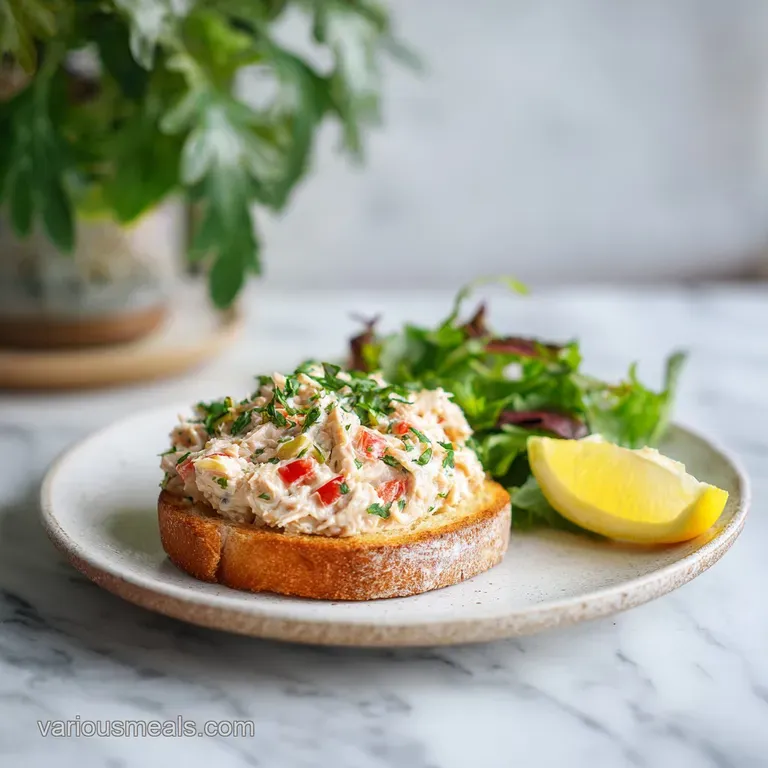
- Time: Active 10 minutes, Passive 10 minutes, Total 20 minutes
- Flavor/Texture Hook: Shatter crisp sourdough bread against molten sharp cheddar and zesty tuna
- Perfect for: A comforting weekend lunch or a nostalgic, elevated weeknight dinner
- The Secret to a Truly Golden and Crispy Tuna Melt
- Essential Recipe Specifications for Two Perfect Servings
- Shopping List for Building Deep Flavor Layers
- Essential Gear for a Golden Crust
- Steps for the Perfect Cheese Melt
- Solving Sogginess and Common Mistakes
- Ways to Customize Your Melt
- Storage and Using Leftover Ingredients
- Plating for a Beautiful Lunch
- HIGH in Sodium
- Recipe FAQs
- 📝 Recipe Card
The Secret to a Truly Golden and Crispy Tuna Melt
You know that specific, low frequency sizzle when a cold slab of butter meets a heavy skillet and begins to foam? That's the sound of a great lunch beginning. I remember the first time I tried to make a Tuna Melt at home, I ended up with a sad, steaming pile of mushy bread because I didn't respect the moisture.
I’d just dumped the tuna in without draining it properly, thinking the mayo would fix everything. It didn't. It was a watery mess that made the bread lose its structural integrity before it even hit the pan.
But then I learned the trick from a diner cook who’d been flipping sandwiches for thirty years. He told me the secret isn't just the cheese, it's the "butter barrier" and the way you treat the tuna before it ever touches the bread.
Now, every time I smell that sharp aroma of toasted sourdough and melting cheddar wafting through my kitchen, it feels like a victory. This version is all about those layers, from the crunch of the celery to the slight zing of the lemon juice cutting through the rich mayo.
It's comfort food that actually respects your taste buds.
Essential Recipe Specifications for Two Perfect Servings
When we talk about making a sandwich of this caliber, we need to look at the architecture. You can't just wing it if you want that restaurant quality finish. We are aiming for a specific balance where the tuna salad is creamy but not runny, and the bread is thick enough to hold the weight of the molten cheese and fresh tomato slices.
The Science of the Butter Barrier
Fat Insulation: Softened butter creates a lipid seal on the bread's surface, preventing moisture from the tuna salad from migrating into the crumb. This ensures the exterior browns via the Maillard reaction while the interior stays fluffy rather than soggy.
| Method | Time | Texture | Best For |
|---|---|---|---|
| Cast Iron Skillet | 10 minutes | Maximum crunch, even browning | Traditional diner style results |
| Oven Broiled | 6 minutes | Bubbling cheese, softer bread | Making large batches at once |
| Air Fryer | 8 minutes | Very crispy edges, less grease | A modern, hands off approach |
Choosing your method depends on how much "shatter" you want in that first bite. Personally, I always reach for the skillet because the direct contact with fat creates a crust that you just can't replicate with hot air alone.
It’s that physical connection between the heat and the butter that gives us the deep gold color we’re after.
Shopping List for Building Deep Flavor Layers
To get the best result, we need to be picky about our components. Since there are only a few ingredients, each one has a massive job to do. If you're looking for a different vibe, you might want to try my Tuna Salad Sandwich recipe which focuses more on the cold crunch, but for a melt, the cheese and bread choice are king.
- 1 can (5 oz / 142g) Solid White Albacore Tuna: Go for the stuff in water and drain it until it’s nearly bone dry. Why this? Albacore has a firmer, steak like texture that holds up to heat.
- 3 tbsp (45g) high-quality mayonnaise: This provides the velvety base for our filling.
- 1 tbsp (15g) Celery: Finely minced for a necessary "snap" in every bite.
- 1 tbsp (10g) Red onion: Adds a sharp, pungent bite to balance the fat.
- 1 tsp (5g) Dijon mustard: Provides a back of-the throat heat and acidity.
- 1 tsp (5ml) Fresh lemon juice: Cuts through the richness of the fish and mayo.
- 1 tbsp Fresh parsley: Brightens the whole heavy affair.
- 4 slices Sourdough or Brioche: Use thick cut slices to handle the heavy fillings.
- 2 tbsp (28g) Unsalted butter: Must be softened to room temperature for even spreading.
- 4 slices Sharp Cheddar cheese: The sharper the better for a bold flavor profile.
- 4 thin slices Tomato: Adds a juicy, fresh contrast to the toasted bread.
- 4 Pickled jalapeño slices: Optional, but highly recommended for a spicy kick.
| Ingredient | Science Role | Pro Secret |
|---|---|---|
| Albacore Tuna | Protein Structure | Squeeze it in a fine mesh sieve to remove all excess water. |
| Sharp Cheddar | Emulsified Fat | Use slices instead of shreds for a more uniform "blanket" melt. |
| Lemon Juice | Acid Catalyst | It denatures any remaining "fishy" proteins for a cleaner taste. |
If you find yourself missing an ingredient, don't panic. The beauty of a sandwich is its flexibility. However, keep in mind that changing the fat content of the cheese or the density of the bread will change how long it needs to stay in the pan.
| Original Ingredient | Substitute | Why It Works |
|---|---|---|
| Sharp Cheddar | Gruyère | Note: Offers a nuttier flavor and superior melting point. |
| Sourdough Bread | Whole Wheat | Note: Denser crumb but less "tang" than traditional sourdough. |
| Mayonnaise | Greek Yogurt | Note: Tangier and leaner, but might make the filling slightly wetter. |
Just remember that if you go the Greek yogurt route, you might want to add an extra pinch of salt to compensate for the lack of savory fat that mayo usually provides.
Essential Gear for a Golden Crust
You don't need a professional kitchen, but a few specific tools make the difference between a "grilled cheese with fish" and a masterclass sandwich. A heavy bottomed skillet is your best friend here. If you enjoy working with seafood and want to practice your skillet skills further, check out my Seafood Pasta with recipe for another way to use over high heat techniques with delicate proteins.
For this sandwich, I recommend a cast iron skillet or a high-quality non stick pan. You'll also want a wide spatula, something thin enough to slide under the bread without tearing the delicate, butter soaked crust.
A small bowl for mixing the tuna and a sharp serrated knife for slicing the sourdough are also non negotiable.
Chef's Tip: Place a second heavy pan on top of the sandwich while it cooks. This "press" method ensures every millimeter of the bread makes contact with the heat, resulting in a perfectly even, mahogany crust.
Steps for the Perfect Cheese Melt
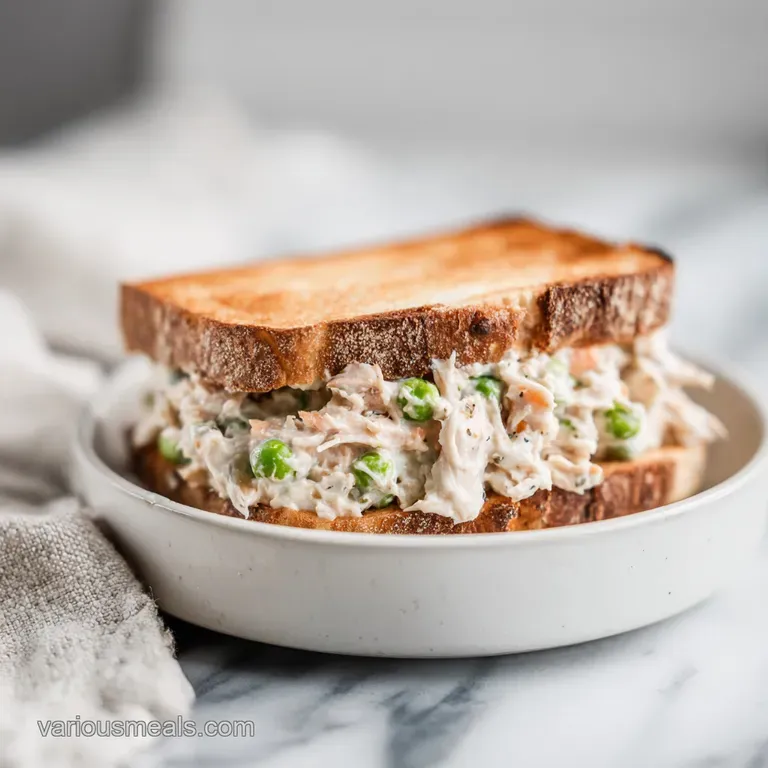
Let's get into the mechanics. Building the layers in the right order is what keeps the tomato from making the bread soggy and ensures the tuna is actually warm by the time the cheese is molten.
1. Prep the High Octane Tuna Salad
Open your 1 can of Albacore tuna and drain it. I mean really drain it. Use the lid to press out every drop of water. In a medium bowl, flake the tuna with a fork and mix in 3 tbsp mayonnaise, 1 tbsp minced celery, 1 tbsp minced red onion, 1 tsp Dijon, 1 tsp lemon juice, and 1 tbsp parsley.
Season with salt and cracked black pepper. Mix until combined but still textured.
2. The Strategic Sear
Heat your skillet over medium low heat. Butter one side of all 4 slices of bread with your 2 tbsp of softened butter. Place two slices, butter side down, into the warm pan. Cook for 2 minutes until they just start to turn a pale golden color.
3. Building the Architecture
On top of the bread in the pan, layer one slice of sharp cheddar. Then, spoon half of the tuna mixture onto each slice, spreading it to the edges. Note: Spreading to the edges creates a seal that traps steam. Top the tuna with 2 slices of tomato and 2 jalapeño slices if you're using them.
4. The Golden Melt
Place the second slice of cheddar over the tomatoes, then top with the remaining bread slices, butter side facing up. Flip the sandwich carefully. Cook for 3-4 minutesuntil the bottom is deep brown and the cheese is visibly weeping down the sides.
5. The Final Rest
Remove from the heat and let the sandwiches sit on a cutting board for exactly 60 seconds. Note: This allows the cheese to set slightly so it doesn't all slide out when you cut it. Slice diagonally with a serrated knife and serve immediately while the crust is still "shattering" crisp.
Solving Sogginess and Common Mistakes
Nothing ruins the vibe like a sandwich that falls apart in your hands. Most issues come down to temperature control or moisture management. If your bread is burning before the cheese melts, your heat is too high. If the bread is oily but not crisp, your pan wasn't hot enough when the bread went in.
Why Your Bread is Soggy
If the bottom of your sandwich feels wet, it’s usually because the tuna wasn’t drained enough or the tomatoes were too juicy. Always pat your tomato slices with a paper towel before adding them to the stack.
| Problem | Root Cause | Solution |
|---|---|---|
| Burnt bread, cold tuna | Heat set too high | Lower heat to medium low and cover the pan with a lid for 1 minute. |
| Greasy, limp crust | Pan wasn't preheated | Wait until the butter foam subsides before adding the bread to the pan. |
| Tuna falling out | Salad is too wet | Add a teaspoon of breadcrumbs to the tuna mix to bind the excess moisture. |
Common Mistakes Checklist ✓ Squeeze the tuna in a sieve or paper towel until it’s crumbly and dry. ✓ Pat the tomato slices dry to remove surface moisture. ✓ Use room temperature butter to avoid tearing the bread.
✓ Preheat your skillet for at least 3 minutes on low before starting. ✓ Don't skip the "resting" minute before slicing; it saves the structural integrity.
| Feature | Fresh Albacore | Canned Albacore |
|---|---|---|
| Texture | Very firm, meaty | Flaky, softer |
| Prep Time | 15 mins (cooking) | 2 mins (draining) |
| Cost | Higher | Budget friendly |
Ways to Customize Your Melt
While the classic version is hard to beat, there are times when you want to change the "flavor story" of your lunch. You can easily pivot this recipe to match different global profiles just by swapping out a few secondary ingredients.
For a Spicy Mediterranean Twist
Swap the cheddar for Provolone and add a teaspoon of capers and some chopped sun dried tomatoes to the tuna mix. This version feels a bit lighter and works beautifully with a side of olives. If you're into those Mediterranean vibes, you might also enjoy the bright flavors in my Orzo Pasta Salad recipe.
If you want X, do Y
- If you want a crunchier crust, sprinkle a little grated parmesan onto the buttered side of the bread before searing.
- If you want a lighter lunch, serve the tuna mixture on a large portobello mushroom cap and broil it instead of using bread.
- If you want a creamier filling, fold in half an avocado (mashed) into the tuna salad right before assembling.
Storage and Using Leftover Ingredients
I'll be honest, a Tuna Melt is best eaten the second it leaves the pan. However, life happens. If you have leftovers, store them in an airtight container in the fridge for up to 2 days. To reheat, avoid the microwave at all costs! It will turn the bread into a rubbery sponge.
Instead, pop it back into a dry skillet over low heat for 3 minutes per side, or use a toaster oven at 350°F (180°C) until the cheese starts to sizzle again.
For zero waste, take any leftover tuna salad and stir it into cooked pasta the next day for a quick "tuna mac." If you have leftover celery or onion bits, freeze them in a small bag for your next soup base or stock. Even the crumbs from the sourdough bag can be toasted and used as a crunchy topper for salads.
Plating for a Beautiful Lunch
We eat with our eyes first, and a sandwich can look just as good as a steak if you plate it right. I love serving these on a wooden board or a matte ceramic plate to contrast with the golden brown bread.
Cut the sandwich on a sharp diagonal. This isn't just for aesthetics; it actually creates more surface area for that first bite into the center where the cheese is most molten. Serve it with a handful of kettle cooked potato chips or a simple arugula salad dressed with just lemon and olive oil.
The bitterness of the greens acts as a perfect foil to the rich, buttery sandwich.
- 1. Temperature
- The internal temperature of the tuna should reach at least 140°F (60°C) to ensure the chill from the fridge is gone.
- 2. Weight
- Use roughly 2.5 oz of tuna mixture per sandwich to ensure it's hearty but manageable.
- 3. Time
- 4 minutes per side is the "sweet spot" for sourdough thickness of about 3/4 inch.
Final Quick Fixes:
| Problem | Cause | Fix |
|---|---|---|
| Cheese won't melt | Slices are too thick | Cover the pan with a lid for 60 seconds to trap steam. |
| Bread is sticking | Not enough butter | Lift the edge and slide a small pat of butter underneath. |
| Filling is bland | Missing acidity | Add an extra squeeze of lemon or a dash of hot sauce. |
Don't overthink the "perfect" look. A little bit of cheese escaping and getting crispy on the pan (the "cheese skirt") is actually a delicacy in my house. Embrace the mess, enjoy the sizzle, and trust your senses. You've got this!
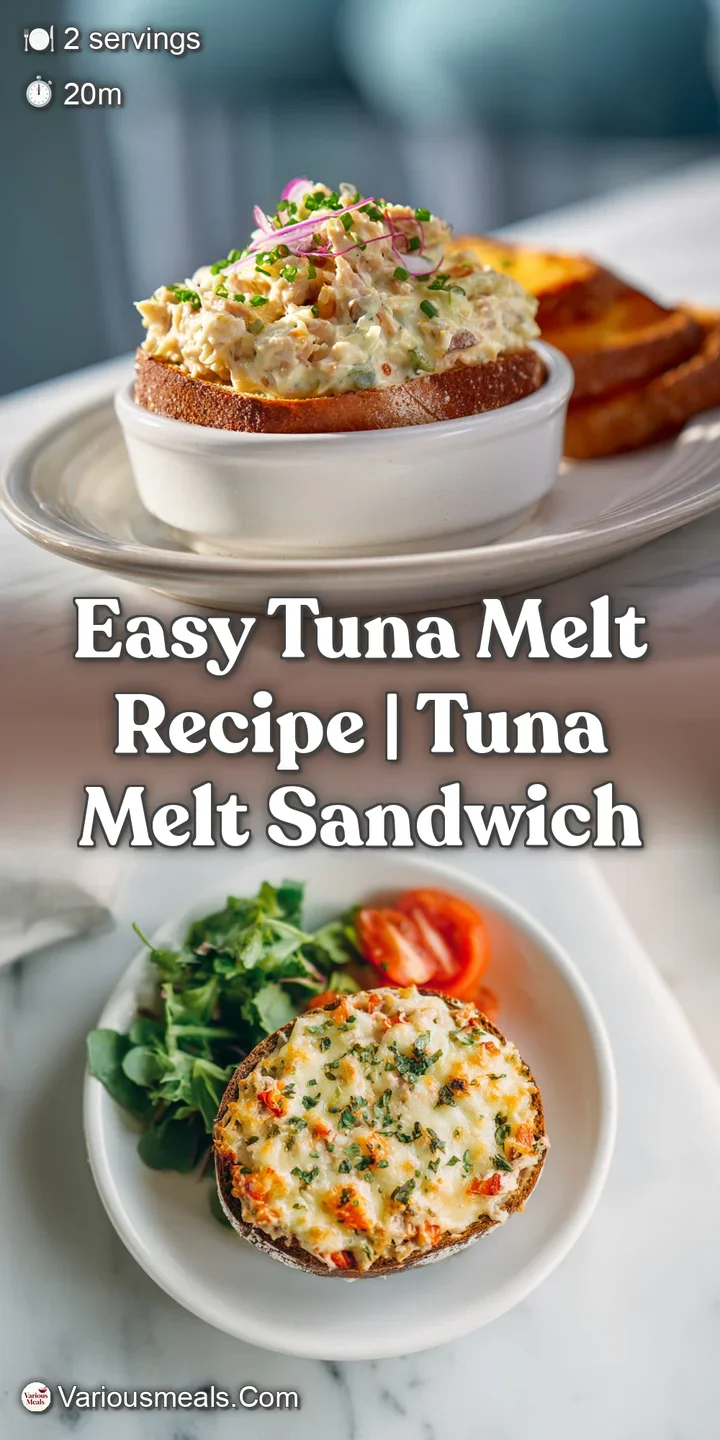
HIGH in Sodium
1125 mg mg of sodium per serving (49% of daily value)
The American Heart Association recommends limiting sodium intake to about 2,300mg per day for overall cardiovascular health.
Easy Tips to Reduce Sodium in Your Tuna Melt
-
Low-Sodium Tuna-20%
Opt for low-sodium or no-salt added canned tuna. Drain and rinse the tuna thoroughly to remove even more sodium.
-
Lower Sodium Cheese-15%
Sharp cheddar is often high in sodium. Choose a lower sodium cheese option like Swiss, Monterey Jack, or even a naturally lower sodium cheese and use less overall.
-
Bread Choice Matters-10%
Sourdough bread can contain moderate levels of sodium. Look for lower sodium bread options or consider using a smaller portion of bread.
-
Skip the Jalapeños-5%
Pickled jalapeños contribute sodium to the recipe. Omit them entirely or use a fresh jalapeño pepper (use sparingly) for heat with significantly less sodium.
-
Control Added Salt-5%
Avoid adding salt when preparing the tuna salad. Taste the tuna salad before adding any salt.
-
Flavor Boosters
Enhance the flavor with sodium free alternatives like fresh herbs, spices, lemon zest, or a dash of vinegar. Experiment with different combinations to find your favorite flavor profile.
Recipe FAQs
How to make tuna melt simple?
Drain the tuna thoroughly and use softened butter. Mix the drained tuna with mayonnaise, celery, and mustard, then layer it between two slices of bread spread thickly with room temperature butter on the outside.
Cook low and slow in a preheated skillet until the cheese is molten and the crust is golden brown.
What's good to mix with canned tuna?
Finely minced celery, red onion, Dijon mustard, and fresh lemon juice are essential for balancing the richness. These additions provide necessary crunch and acidity to lift the flavor profile of the canned fish, preventing it from tasting flat.
What's the best kind of cheese to put on a tuna melt?
Sharp Cheddar is the best choice for bold flavor. Its sharp, tangy profile cuts through the fat of the mayonnaise effectively, creating a balanced taste sensation. Gruyère is a good alternative if you prefer a nuttier flavor profile.
What bread works best for a sturdy tuna melt?
Use thick cut sourdough or brioche bread. These breads have a sturdy crumb structure that can handle the moisture from the tuna salad without collapsing before the exterior achieves maximum crispness.
Should I use mayo or butter on the outside of the bread?
Always use butter on the outside of the bread for searing. Butter facilitates the Maillard reaction, creating a superior golden, crisp texture that mayo cannot replicate; mayo should only be used inside the tuna salad mixture.
How do I stop my tuna melt from becoming soggy?
Ensure the canned tuna is squeezed bone dry before mixing. The primary defense against sogginess is moisture control; additionally, lightly pat any fresh tomato slices with a paper towel before assembling the sandwich.
How do I reheat a leftover tuna melt without ruining the texture?
Reheat using a dry skillet over low heat or in a toaster oven. Avoid the microwave entirely, as the trapped steam will instantly turn the bread soggy; the low, dry heat allows the cheese to re-melt before the bread dries out completely, similar to reheating food that requires careful moisture management in our Healthy Toast Toppings recipe.
Crispy Tuna Melt Sandwich
Ingredients:
Instructions:
Nutrition Facts:
| Calories | 826 calories |
|---|---|
| Protein | 35.7 g |
| Fat | 49.3 g |
| Carbs | 54.7 g |
| Fiber | 3.1 g |
| Sugar | 3.8 g |
| Sodium | 1125 mg |
