Baked Ravioli: Hearty Meat Sauce Casserole
- Time: Active 15 minutes, Passive 45 minutes, Total 60 minutes
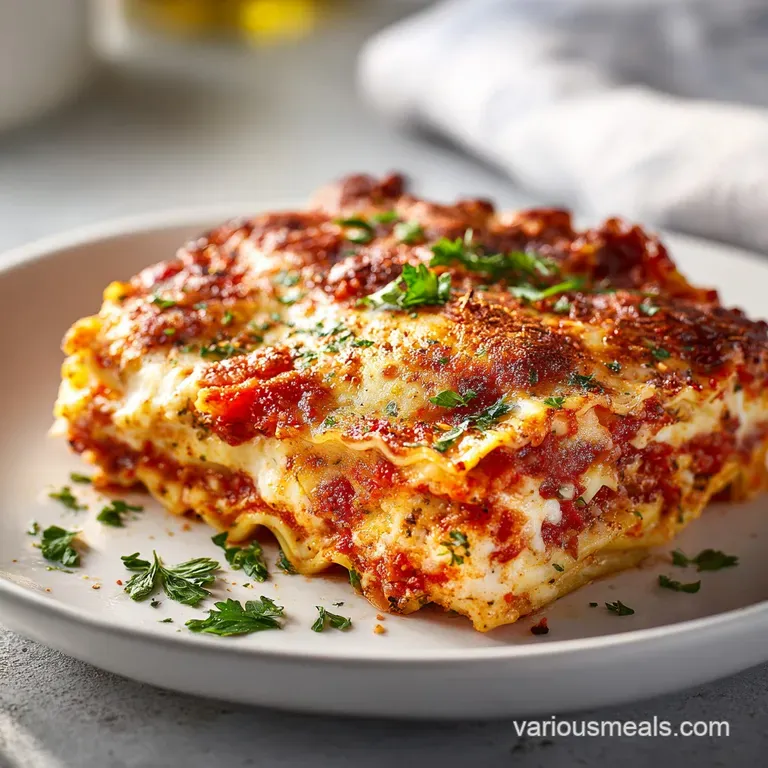
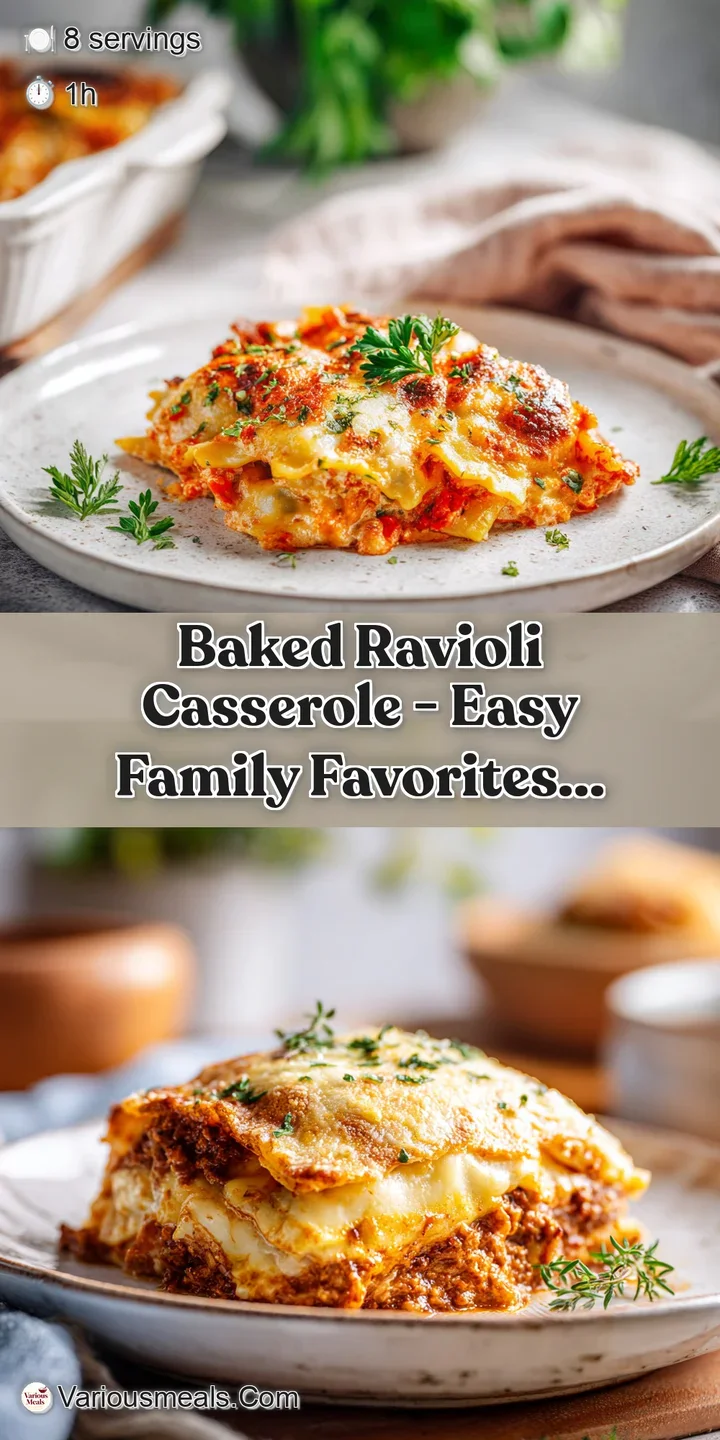
- Flavor/Texture Hook: A mahogany colored, bubbling cheese crust over velvety, sauce soaked pasta pillows.
- Perfect for: Sunday family dinners or feeding a hungry crowd without spending hours in the kitchen.
- Why You'll Love This Baked Ravioli
- Essential Baked Ravioli Recipe Specs
- The Ultimate Shopping List Breakdown
- Necessary Equipment for Success
- Bringing All the Layers Together
- Solving Common Baking Disasters
- Scaling This Recipe Up or Down
- Myths About Baking Pasta
- Smart Storage and Leftover Tips
- The Very Best Side Dishes
- Very High in Sodium
- Recipe FAQs
- 📝 Recipe Card
Why You'll Love This Baked Ravioli
If you have ever pulled a pasta bake out of the oven only to find a pool of watery liquid at the bottom and noodles so soft they've turned to mush, you know the specific heartbreak I'm talking about. I used to think the secret was boiling the pasta for exactly three minutes less than the box said, but I was wrong.
The real breakthrough happened when I stopped boiling the ravioli altogether. By letting the frozen pasta cook inside the sauce, you get a texture that is firm yet tender, and the pasta actually absorbs the flavor of the meat sauce instead of just being coated by it.
This dish is what I like to call "the great equalizer." It has the nostalgic comfort of a traditional lasagna but without the fussy noodles that always seem to tear when you're layering them.
We are talking about deep, savory Italian sausage mixed with lean beef, a splash of balsamic to cut through the richness, and enough mozzarella to give you those iconic cheese pulls.
It’s the kind of meal that fills the house with the scent of dried oregano and toasted garlic, making everyone gravitate toward the kitchen before the timer even goes off.
You'll find that the contrast between the crispy, golden edges of the cheese and the soft, pillowy centers of the ravioli creates a sensory experience that standard boiled pasta just can't touch. We aren't just making dinner here; we are building layers of texture.
The bottom layer of sauce caramelizes slightly against the baking dish, while the top layer of Parmigiano Reggiano creates a salty, umami rich "shatter" when you cut into it. Trust me, once you try this method, you will never go back to the stovetop version.
Essential Baked Ravioli Recipe Specs
Before we get our hands messy with the sauce, let's talk about why this specific method works so well. It isn't just luck; it's about managing moisture. When we use frozen ravioli, they release a tiny bit of water as they thaw in the oven. If our sauce was too thin, we’d end up with soup.
By simmering the marinara with the sausage and beef first, we create a thick, robust environment where the ravioli can "steam" perfectly while staying separate.
Moisture Equilibrium: The frozen pasta acts as a heat sink, slowly absorbing the liquid from the marinara sauce as it defrosts, which prevents the sauce from becoming runny.
Acid Balance: The balsamic vinegar isn't just for show; it provides a necessary acidic lift that brightens the heavy fats from the Italian sausage and ground beef.
Dual Phase Cooking: Starting the bake under foil traps steam to cook the pasta through, while the final uncovered phase allows the cheese to achieve that perfect mahogany crust.
| Servings | Ingredient Adjustments | Pan Size | Total Cook Time |
|---|---|---|---|
| 4 People | 0.5 lb sausage, 15 oz ravioli | 8x8 inch square | 40 minutes |
| 8 People | 1.5 lb meat total, 30 oz ravioli | 9x13 inch pan | 45 minutes |
| 12 People | 2.5 lb meat total, 45 oz ravioli | Two 9x13 pans | 50 minutes |
When you are planning your meal, keep in mind that the density of the ravioli matters. A 30 oz bag usually contains enough pasta to create two solid layers in a standard 9x13 dish. If you find your bag is slightly smaller, don't panic just space the ravioli out a bit more.
The sauce will bridge the gaps, and the cheese will hide any imperfections in your layering.
The Ultimate Shopping List Breakdown
Choosing the right components is the difference between a "good" dinner and a "can I have the recipe?" dinner. I always reach for a high-quality marinara sauce because it’s the backbone of the entire flavor profile. Look for one where tomatoes are the first ingredient, not water or sugar.
For the meat, I like a mix. Using only beef can be a bit flat, but adding Italian sausage brings in fennel, garlic, and red pepper flakes without you having to raid your spice cabinet.
Component Analysis
| Ingredient | Science Role | Pro Secret |
|---|---|---|
| Frozen Ravioli | Structural Starch | Don't thaw! The ice crystals provide the steam needed to cook the pasta perfectly. |
| Balsamic Vinegar | Flavor Catalyst | Adds "aged" depth to store-bought sauce, mimicking a sauce that simmered for hours. |
| Low moisture Mozzarella | Fat & Elasticity | Avoid fresh mozzarella (balls in water) here; it releases too much liquid and makes the bake soggy. |
- 1 lb Italian Sausage
- I prefer "mild" to keep it family friendly, but "hot" adds a lovely kick.
- 0.5 lb Lean Ground Beef (90/10)
- This provides the beefy texture without excess grease.
- 2 cloves Garlic
- Freshly minced is non negotiable for that punchy aroma.
- 24 oz Marinara Sauce
- One standard jar. Why this? It provides the consistent acidity and liquid base needed to hydrate the pasta.
- 1 tbsp Balsamic Vinegar
- Why this? The sugars in the vinegar help brown the meat and deepen the sauce's color.
- 1 tsp Dried Oregano
- Standard pantry staple for that classic Italian American vibe.
- 30 oz Frozen Cheese Ravioli
- Standard large bag. Do not use fresh "refrigerated" pasta for this specific timing.
- 2 cups Low moisture Mozzarella
- Shred it yourself if you can for a better melt.
- 0.5 cup Parmigiano Reggiano
- The salty, nutty finish that makes the crust.
- 0.25 cup Fresh Basil
- To be added at the very end for a bright, herbal pop.
If you are looking to swap things around, here is what actually works without ruining the structural integrity of your meal.
| Original Ingredient | Substitute | Why It Works |
|---|---|---|
| Italian Sausage | Ground Turkey Sausage | Similar spice profile but leaner. Note: May need a splash of olive oil for sautéing. |
| Parmigiano Reggiano | Pecorino Romano | Tangier and saltier; works beautifully for a sharper crust finish. |
| Marinara Sauce | Crushed Tomatoes + Basil | Less sweet than jarred sauce; gives a more "rustic" feel to the casserole. |
Chef's Tip: If you want a truly decadent crust, freeze your block of mozzarella for 10 minutes before grating it. This prevents the cheese from clumping and ensures it distributes evenly across the top of the ravioli.
Necessary Equipment for Success
You don't need a professional kitchen to pull this off, but there are a few things that make the process much smoother. A heavy skillet is your best friend here. I usually use a 12 inch cast iron or a heavy stainless steel pan because they hold heat consistently, which is what you need when you're trying to brown meat quickly without it steaming in its own juices.
For the baking portion, a 9x13 inch ceramic or glass dish is the gold standard. Glass is great because you can actually see the sauce bubbling through the sides, which helps you judge if it's done. You'll also need a solid roll of heavy duty aluminum foil.
Regular foil works, but the heavy duty stuff creates a tighter seal, which is crucial for trapping the steam that cooks those frozen ravioli.
- Large Skillet (12 inch)
- Wooden Spoon (for breaking up meat)
- 9x13 inch Baking Dish
- Box Grater (for that fresh cheese)
- Heavy duty Aluminum Foil
Bringing All the Layers Together
- Brown the meat. In your large skillet over medium high heat, combine the Italian sausage and ground beef. Break them into small crumbles with a wooden spoon. Cook until no longer pink and the edges start to get a little crispy.
- Drain the fat. Tilt the pan and spoon out all but about 1 tablespoon of the fat. Note: You want just enough left to sauté the garlic without it burning.
- Aromatize. Add the minced garlic to the skillet and sauté for 30 seconds until fragrant but not brown.
- Deglaze. Pour in the balsamic vinegar and use your spoon to scrape up all the browned bits (the fond) from the bottom of the pan. This is where the flavor lives!
- Simmer the sauce. Stir in the marinara sauce and oregano. Let it simmer for 5 minutes until slightly thickened and bubbling.
- Prep the oven. Preheat your oven to 375°F (190°C).
- Start the foundation. Spread 1 cup of your meat sauce across the bottom of the 9x13 inch baking dish. This prevents the pasta from sticking.
- First layer. Arrange half of the frozen ravioli in a single even layer over the sauce. Top with half of the remaining meat sauce and 1 cup of mozzarella cheese.
- Second layer. Repeat with the remaining ravioli, the rest of the sauce, the remaining mozzarella, and a generous dusting of Parmigiano Reggiano.
- The first bake. Cover the dish tightly with foil. Bake for 30 minutes. You should hear the sauce sizzling inside the dish.
- The final crust. Remove the foil. Bake for an additional 15 minutes until the cheese is bubbling and mahogany colored with some charred spots.
- Rest and serve. Let the dish sit for 5-10 minutes. This is the hardest part, but it allows the sauce to set. Garnish with fresh basil.
One thing I've learned the hard way: if you skip the resting period, the first scoop will be a watery mess. Giving it those few minutes allows the starches in the pasta to fully bind with the sauce. For a different take on cozy Italian flavors, you might also love this Spinach Ricotta Brunch Bake, which uses similar layering techniques.
Solving Common Baking Disasters
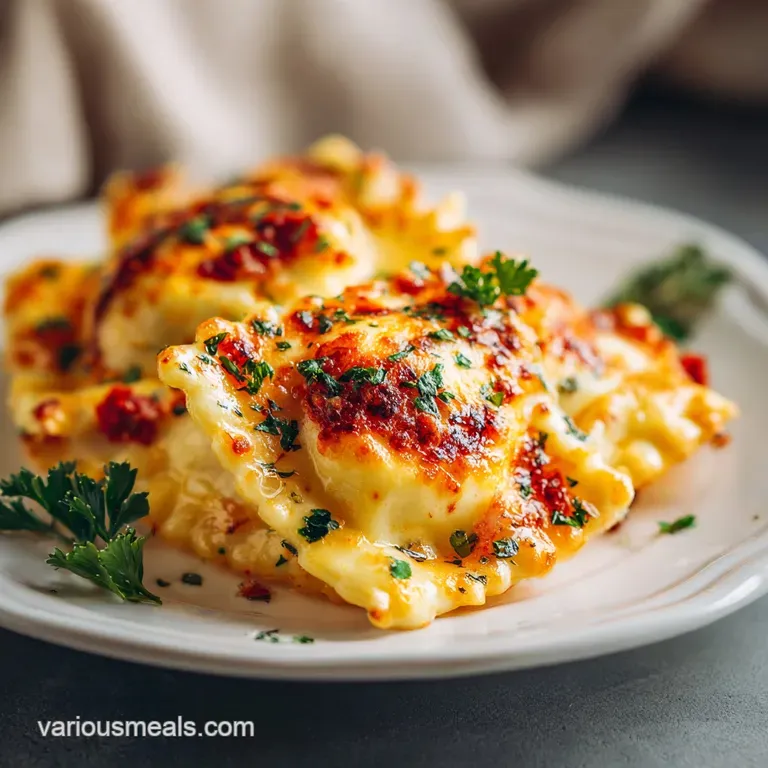
The most common issue people face with baked ravioli is "floaters" those pieces of pasta on the top layer that didn't get enough sauce and ended up crunchy and hard. This usually happens because the foil wasn't tight enough or there wasn't enough sauce to cover the edges.
If you see dry spots before you put it in the oven, just use the back of a spoon to push the ravioli down into the liquid.
Why Your Ravioli Stayed Hard
If your pasta is still firm after the full cook time, it usually means your oven temperature was a bit low or the ravioli were clumped together too tightly. Steam needs to be able to circulate around each piece of pasta. Next time, try to ensure the ravioli aren't overlapping too much.
Why Your Sauce Is Watery
This often happens if you use "fresh" refrigerated ravioli instead of frozen. Fresh pasta doesn't absorb as much liquid. It can also happen if you used ground beef with a high fat content (like 80/20) and didn't drain it properly. The fat mixes with the tomato water and stays thin.
| Problem | Root Cause | Solution |
|---|---|---|
| Hard Pasta Edges | Not enough sauce contact | Ensure every ravioli is fully "painted" with sauce before baking. |
| Greasy Surface | Didn't drain meat fat | Spoon off excess oil after browning meat; use 90/10 beef. |
| Burnt Cheese | Oven rack too high | Bake on the middle rack to ensure even heat distribution. |
Common Mistakes Checklist
- ✓ Don't boil the pasta. Boiling before baking leads to a mushy, structureless mess.
- ✓ Seal the foil tightly. If steam escapes, the pasta won't cook through.
- ✓ Use low moisture cheese. High moisture cheese (like fresh mozzarella) will release water and ruin your sauce.
- ✓ Rest the dish. Slicing too early makes the sauce run everywhere.
- ✓ Check your sauce thickness. If your jarred sauce seems very thin, simmer it for an extra 10 minutes before layering.
Scaling This Recipe Up or Down
If you're cooking for a smaller household, you can easily halve this recipe. Use an 8x8 inch square pan and reduce the bake time by about 5 minutes. When halving, I still recommend using a whole tablespoon of balsamic vinegar because that acidity is key to the flavor, even in a smaller batch.
Scaling up for a party is where this recipe really shines. You can double everything and use two 9x13 pans. If you are baking both pans at once, make sure to rotate them halfway through the cooking time (swap top and bottom racks) to ensure they both get that beautiful mahogany crust.
For the spices and salt, don't just double them start with 1.5x the amount and taste your sauce. Spices can become overwhelming in larger volumes.
- Decision Shortcut
- Which Version Should You Make?
- If you want a "Lasagna" feel
- Add 1 cup of ricotta cheese in small dollops between the ravioli layers.
- If you want it "Quick"
- Skip the meat browning and use a high-quality pre made meat sauce (like Rao’s Bolognese).
- If you want "Crispy"
- Switch the oven to broil for the last 2 minutes of the uncovered bake.
Myths About Baking Pasta
There is a huge misconception that you must boil pasta before it goes into a casserole. This simply isn't true for most baked dishes, especially when using frozen or dried pasta in a high moisture environment.
The "no boil" method is actually superior because the pasta releases starch into the sauce as it cooks, which naturally thickens the sauce and creates a better bond between the noodle and the meat.
Another myth is that you need to use expensive, imported tomatoes for a good sauce. While San Marzano tomatoes are lovely, a standard jar of high-quality marinara can be "upgraded" with simple techniques like deglazing with balsamic or adding fresh garlic.
You don't need a $15 jar of sauce to make a world class meal; you just need to know how to layer flavors.
Finally, many people think you shouldn't use frozen ravioli. In reality, frozen ravioli are often better for baking because they are flash frozen at peak freshness and hold their shape much better during the long oven time than refrigerated pasta, which tends to be softer and more fragile.
Smart Storage and Leftover Tips
Baked ravioli is one of those rare dishes that might actually taste better the next day. As it sits in the fridge, the flavors of the sausage and garlic continue to meld. You can keep leftovers in an airtight container in the fridge for up to 4 days.
When reheating, don't use the microwave if you can avoid it it tends to make the cheese rubbery. Instead, put a portion in a small baking dish, add a tiny splash of water to the sauce to loosen it up, and pop it in a 350°F (180°C) oven until it's sizzling again.
Freezing Directions: You can freeze the entire assembled dish (before baking). Wrap it in a double layer of foil and it will stay good for up to 3 months. When you're ready to eat, bake it directly from frozen just add about 20 minutes to the covered baking time.
It's the ultimate "emergency dinner" for those nights when you're too tired to even think about cooking.
Zero Waste Tip: If you have leftover sauce at the bottom of the pan, don't toss it! Scrape it into a small jar and use it as a spread for a meatball sub the next day, or mix it into some scrambled eggs for a "pizza egg" breakfast.
Also, the stems from your fresh basil can be thrown into your next pot of soup for an extra hit of herbal flavor.
The Very Best Side Dishes
Because this dish is so rich and savory, I usually pair it with something bright and acidic. A big arugula salad with a lemon truffle vinaigrette is my go to. The peppery bite of the arugula cuts through the heavy mozzarella perfectly.
If you are feeling extra indulgent, a loaf of crusty sourdough is essential for mopping up every last bit of that balsamic meat sauce.
For a complete Italian themed evening, you could start with some light appetizers and finish with a classic dessert. If you are looking for a sweet ending that won't weigh you down as much as a heavy cake, this easy Tiramisu recipe is a perfect match for the flavors we've built here. It keeps the "family style" vibe going and can be made a day ahead, just like the ravioli.
Whether you're serving this for a chaotic weeknight meal or a planned Sunday feast, the beauty of baked ravioli lies in its simplicity. It’s honest, comforting food that doesn't pretend to be anything other than a warm hug in a ceramic dish.
Get that oven preheated, grab your favorite skillet, and get ready for the best cheese pull of your life. Enjoy!
Very High in Sodium
1385 mg of sodium per serving (60% of daily value)
The American Heart Association recommends limiting sodium intake to about 2,300mg per day, with an ideal limit of under 1,500mg for most adults.
Tips to Reduce Sodium
-
Choose Low-Sodium Marinara-20%
The 24 oz of marinara sauce is a major sodium contributor. Look for a 'no salt added' or 'low sodium' version. This can significantly cut down the overall sodium content.
-
Reduce Parmigiano Reggiano-15%
Parmigiano Reggiano cheese is high in sodium. Halve the amount of Parmigiano Reggiano used, or opt for a reduced sodium variety if available.
-
Select Low-Sodium Italian Sausage-25%
Italian sausage is typically high in sodium. Choose a 'low sodium' Italian sausage option or one that specifically lists a lower sodium content per serving. If 'low sodium' isn't available, ensure you drain and rinse it well after cooking.
-
Boost Flavor with Herbs and Spices
Instead of relying on salt, maximize flavor with fresh garlic, dried oregano, and fresh basil. Consider adding other low-sodium aromatics like onion powder or red pepper flakes.
-
Use Less Mozzarella-10%
While mozzarella contributes less sodium than Parmigiano Reggiano, reducing its amount can still help. Decrease the shredded mozzarella by about 25%.
Recipe FAQs
Can I bake ravioli instead of boiling it?
Yes, you should bake it directly. Boiling the pasta beforehand leads to a mushy, structureless mess, so placing frozen ravioli directly in the sauce ensures the perfect al dente texture.
How long should I bake my ravioli in the oven?
Bake for 45 minutes total. Cover tightly with foil for the first 30 minutes to steam the pasta, then remove the foil for the final 15 minutes to allow the cheese to turn mahogany colored.
Can a diabetic eat cheese ravioli?
Consult with your healthcare provider for dietary advice. Because this recipe features refined carbohydrates and fats, portions should be managed carefully according to your specific medical plan.
Can you bake frozen ravioli in the oven at 400 degrees?
No, this is a common misconception. The recipe is engineered for 375°F (190°C); using a higher heat will brown the cheese prematurely before the frozen pasta has finished cooking through.
Is it true I must boil the pasta if the sauce is thick?
No, this is a common misconception. If your sauce appears thin, simply simmer it for an extra 10 minutes on the stovetop to reduce the moisture before assembling; if you enjoyed mastering this reduction technique, you can apply the same logic to thickening soups.
How to ensure the ravioli does not end up watery?
Use only low-moisture mozzarella. High moisture cheeses release excess liquid during the bake, which will water down your sauce and prevent the cheese from browning correctly.
How to keep the edges from drying out?
Seal the aluminum foil tightly around the baking dish. This prevents steam from escaping, ensuring the pasta fully absorbs the sauce while keeping the edges tender.
Easy Homemade Baked Ravioli
Ingredients:
Instructions:
Nutrition Facts:
| Calories | 628 kcal |
|---|---|
| Protein | 33.6 g |
| Fat | 34.2 g |
| Carbs | 46.5 g |
| Fiber | 3.8 g |
| Sugar | 6.8 g |
| Sodium | 1385 mg |
