Authentic Filipino Pancit Recipe
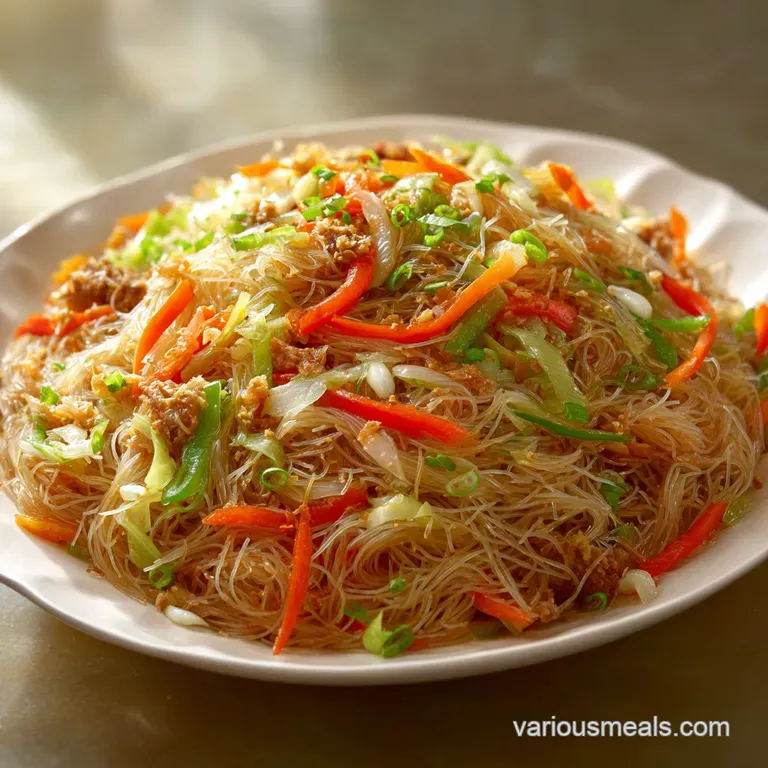
- Time: Active 20 minutes, Passive 15 minutes, Total 35 minutes
- Flavor/Texture Hook: Savory umami with a signature citrus brightness and snappy vegetable contrast
- Perfect for: Family gatherings, celebratory dinners, or a comforting weekend project
- The Soul of a Classic Filipino Pancit Dish
- Understanding the Science Behind Noodle Texture and Absorption
- Essential Recipe Specifications for Success
- Selecting the Highest Quality Ingredients for Maximum Flavor
- The Essential Kitchen Tools for Efficient Stir Frying
- A Detailed Roadmap for Cooking Your Noodles Perfectly
- Proven Solutions for Fixing Common Noodle Cooking Mistakes
- Innovative Flavor Variations for Your Traditional Noodle Base
- Scaling the Recipe for Any Crowd
- Debunking Noodle Cooking Myths
- Effective Strategies for Food Storage and Waste Reduction
- Perfect Side Dish Pairings to Complete Your Meal
- High in Sodium
- Recipe FAQs
- 📝 Recipe Card
The Soul of a Classic Filipino Pancit Dish
The second that first handful of minced garlic hits the shimmering avocado oil, my kitchen transforms. There is a specific, sharp aroma that only happens when garlic and onions begin to soften together it smells like every birthday party I ever attended growing up.
In Filipino culture, long noodles represent long life, so this dish was never just a "quick stir fry" to us. It was a wish for health, whispered through the clattering of a heavy wok and the steam of a rich, savory broth.
I remember watching my Tita carefully toss two different types of noodles together, a technique called "Bihon Canton." She’d tell me that the thin rice sticks were there to soak up the soul of the sauce, while the thicker flour noodles provided the "bite." If you get it right, the noodles aren't soggy or dry;
they’re silky, infused with chicken bone broth, and studded with pork and shrimp that have been seared until they’re just right.
This isn't a dish you want to rush. It's about the prep the rhythmic slicing of carrots into matchsticks and the diagonal cut of the snap peas. When you finally sit down with a plate piled high, topped with a squeeze of fresh calamansi, that bright citrus hit cuts right through the richness.
It’s a recipe that feels like a hug from a loved one, and honestly, it's the only way I ever want to eat my vegetables.
Understanding the Science Behind Noodle Texture and Absorption
Capillary Action: The porous structure of the dried rice sticks acts like a sponge, drawing the seasoned broth into the center of each strand through microscopic gaps.
Starch Retrogradation: Cooling the noodles slightly during the tossing phase allows the flour based Canton noodles to firm up, preventing them from turning into a gummy mass.
| Cooking Strategy | Method | Texture Outcome | Best Use Case |
|---|---|---|---|
| Fresh Cut Veggies | Hand sliced | Vibrant snap and crunch | Weekend family dinners |
| Bagged Slaw Mix | Pre shredded | Softer, integrated texture | Fast weeknight alternative |
| Homemade Stock | Long simmer | Deep, velvety mouthfeel | Special celebratory meals |
Using fresh cut vegetables provides a structural "shatter" when you bite into them, which contrasts beautifully against the soft noodles. If you're in a massive hurry, the pre shredded cabbage mix works, but you'll lose that distinct visual appeal of the julienned carrots.
Hydration via Capillary Action
To get the best results, we don't boil the rice sticks. Instead, we let them sit in the warm, seasoned broth. This ensures they soften without losing their integrity. If you boil them like Italian pasta, they'll disintegrate the moment you try to stir fry them with the heavier ingredients.
Preserving Vegetable Cellular Structure
We add the vegetables at the very end and only cook them for about 2 minutes. This over high heat, short duration approach prevents the cell walls in the cabbage and snap peas from collapsing, keeping them bright green and satisfyingly crisp.
Essential Recipe Specifications for Success
This recipe is built to feed a crowd, yielding 6 generous servings that hold up remarkably well. For the most authentic results, aim for these three precision checkpoints: ensure your broth is roughly 80°C before soaking the noodles, soak the rice sticks for exactly 5 minutes, and verify your chicken reaches an internal temperature of 74°C during the initial sear.
Chef Tip: Freeze your pork tenderloin for 20 minutes before slicing. This firms up the fat and muscle fibers, allowing you to get those professional, paper thin julienne strips that cook in seconds.
Selecting the Highest Quality Ingredients for Maximum Flavor
| Component | Science Role | Pro Secret |
|---|---|---|
| Rice Sticks (Bihon) | Liquid absorption | Soak in warm broth, never boiling water, to prevent mushiness. |
| Coconut Aminos | Umami & Sweetness | Use as a lower sodium alternative to soy sauce for a cleaner finish. |
| Oyster Sauce | Viscosity agent | This thickens the "sauce" slightly so it clings to the noodles. |
| Calamansi | Acidic balance | The high citric acid content cuts through the pork fat instantly. |
For the Savory Base
- 0.5 lb chicken breast: Sliced into thin strips. Substitute: Turkey breast for a similar lean protein.Why this? It cooks quickly and absorbs the savory sauce effectively.
- 0.5 lb pork tenderloin: Julienned. Substitute: Pork loin or even thick cut bacon.Why this? Tenderloin stays soft even with over high heat stir frying.
- 0.25 lb shrimp: Peeled and deveined. Substitute: Sliced scallops or extra chicken.
- 2 tbsp avocado oil: For over high heat frying. Substitute: Grapeseed or peanut oil.
For the Noodle Blend
- 8 oz dried rice sticks (Pancit Bihon): Substitute: Vermicelli rice noodles.Why this? They provide the light, airy structure of the dish.
- 8 oz dried flour noodles (Pancit Canton): Substitute: Dried lo mein or egg noodles.
- 3 cups low sodium chicken bone broth: Substitute: Vegetable broth or diluted bouillon.
- 0.25 cup coconut aminos: Substitute: Low sodium soy sauce (use slightly less).
- 2 tbsp oyster sauce: Substitute: Vegetarian mushroom sauce.
- 1 tsp toasted sesame oil: Substitute: Roasted peanut oil.
- 0.5 tsp freshly cracked black pepper: Substitute: White pepper for a more subtle heat.
For the Vegetable Medley
- 1 large onion: Thinly sliced. Substitute: Shallots for a sweeter profile.
- 4 cloves garlic: Minced. Substitute: 1 tsp garlic powder in a pinch.
- 2 cups shredded cabbage: Substitute: Napa cabbage or bok choy.
- 1 cup carrots: Julienned. Substitute: Red bell peppers for color.
- 1 cup snap peas: Sliced diagonally. Substitute: Snow peas or green beans.
- 0.5 cup celery: Thinly sliced. Substitute: Fennel for a unique twist.
| Original Ingredient | Substitute | Why It Works |
|---|---|---|
| Calamansi | Fresh Lime | Similar acidity level. Note: Limes are less floral but provide the necessary zing. |
| Avocado Oil | Peanut Oil | Both have high smoke points. Note: Adds a subtle nutty aroma to the base. |
| Coconut Aminos | Tamari | gluten-free and rich in umami. Note: Use 25% less as Tamari is saltier. |
When swapping the noodles, keep in mind that different brands of Canton (flour noodles) have varying salt contents. I always recommend tasting the broth before adding the noodles to ensure it's not becoming an "umami bomb" that's too salty to enjoy.
The Essential Kitchen Tools for Efficient Stir Frying
To make a truly stellar Filipino Pancit, you need space. A large carbon steel wok is the gold standard because it reacts to heat changes instantly and has sloped sides that make tossing the noodles a breeze.
If you don't have one, a very large stainless steel skillet (at least 12 inches) will work, but you'll have to be more careful about ingredients jumping out of the pan.
You'll also need a pair of long kitchen tongs and a wide spatula. This "two handed" tossing method is vital for mixing the Bihon and Canton noodles without snapping the delicate rice strands.
A sharp chef's knife is non negotiable for all that julienning if your knife is dull, you'll end up crushing the celery and cabbage rather than slicing it cleanly.
A Detailed Roadmap for Cooking Your Noodles Perfectly
- Hydrate the noodles. Place the 8 oz rice sticks in a large bowl and cover with 3 cups of warm (not boiling) chicken bone broth mixed with the 0.25 cup coconut aminos and 2 tbsp oyster sauce. Note: This infuses the noodles with flavor from the inside out.
- Sear the proteins. Heat 1 tbsp avocado oil in a wok over high heat. Add the sliced chicken and pork, cooking until the edges are browned and caramelized (about 4 minutes). Remove and set aside.
- Cook the shrimp. In the same pan, sear the shrimp for 1-2 minutes until pink and opaque. Remove and set aside with the other meats.
- Sauté the aromatics. Add the remaining 1 tbsp oil. Toss in the sliced onion and minced garlic, stirring until fragrant and translucent.
- Flash fry the vegetables. Add the carrots, celery, and snap peas. Stir fry for 2 minutes until the colors are vibrant and "popping".
- Wilt the cabbage. Add the shredded cabbage and toss for 1 minute until just starting to soften. Remove all vegetables from the wok and set aside.
- Simmer the liquid. Pour the soaking liquid (broth and sauces) into the empty wok. Bring to a boil, then add the dried flour noodles (Canton).
- Combine the noodles. Once the Canton noodles begin to soften (about 2 minutes), add the soaked rice sticks (Bihon). Toss constantly until the liquid is nearly absorbed.
- The final integration. Return the cooked meats and vegetables to the wok. Add 1 tsp toasted sesame oil and the black pepper.
- Garnish and serve. Toss everything together one last time. Serve immediately with scallions, fried garlic, and calamansi halves for squeezing.
Proven Solutions for Fixing Common Noodle Cooking Mistakes
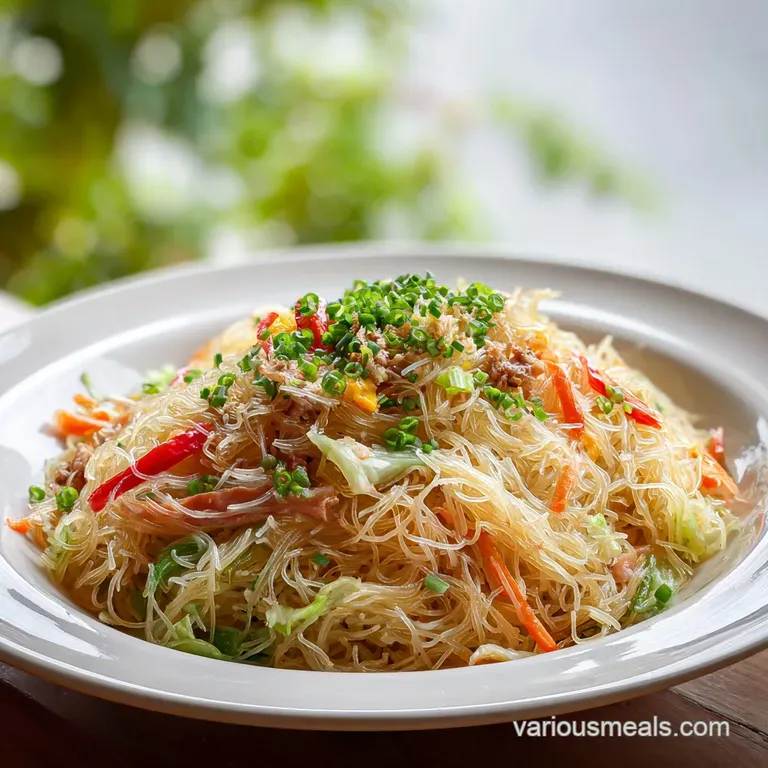
Why Your Pancit Is Too Dry
If the noodles look dull or feel stiff, they haven't absorbed enough moisture, or the heat was too high for too long. This usually happens if you let the broth boil away before the noodles had a chance to soften.
| Problem | Root Cause | Solution |
|---|---|---|
| Broken Noodles | Over stirring dried strands | Wait until noodles are fully hydrated before aggressive tossing. |
| Gummy Texture | Boiling rice sticks | Only soak in warm liquid; never boil rice sticks like pasta. |
| Bland Flavor | Low quality broth | Use bone broth or add a splash more oyster sauce at the end. |
Common Mistakes Checklist
- ✓ Always pat the shrimp dry with a paper towel before searing to get a good crust.
- ✓ Don't skip the calamansi or lime; the acid is what makes the savory flavors "sing."
- ✓ Slice all your vegetables to a similar thickness so they cook at the same rate.
- ✓ Work in batches if your wok is small crowding the pan leads to steaming rather than frying.
- ✓ Use low sodium broth to maintain control over the final saltiness of the dish.
Innovative Flavor Variations for Your Traditional Noodle Base
Crafting a Plant Based Masterpiece
For a vegan version, swap the chicken and pork for extra firm tofu that has been pressed and seared until crispy. Use a mushroom based "oyster" sauce and vegetable bouillon. The technique remains exactly the same, but the tofu acts as a wonderful vessel for the ginger and garlic.
Opting for a Seafood Heavy Twist
If you love shellfish, you can lean into a "Pancit Malabon" style. Increase the shrimp count and add sliced squid rings or even steamed mussels. Use a splash of fish sauce (patis) in the soaking liquid to deepen that oceanic umami.
If you find yourself making a massive batch of this for a party, you might also be looking for other crowd pleasers. This savory profile pairs exceptionally well with a tangy Sweet and Sour recipe to provide a fruity contrast to the salty noodles.
Scaling the Recipe for Any Crowd
- To Scale Down (1/2 batch): Use a standard 10 inch skillet. Reduce the broth by 10% more than the half measure to ensure the noodles don't get soggy in the smaller surface area.
- To Scale Up (2x-4x): Do not try to cook 2 lbs of noodles in one wok. The weight will crush the bottom layer into a paste. Cook the proteins and vegetables in one large batch, then cook the noodles in two separate batches before combining everything in a large serving bowl.
- Spice Adjustments: When doubling, only increase the black pepper by 1.5x, as it can quickly become overwhelming when concentrated in a large pot.
Debunking Noodle Cooking Myths
One common misconception is that you must soak rice noodles in cold water for hours. In reality, using warm broth (around 80°C) hydrates them in minutes and seasons them simultaneously. Cold soaking often leaves the core of the noodle hard, leading to uneven cooking.
Another myth is that "Pancit is just Filipino Chow Mein." While they share roots, the dual noodle "Bihon Canton" hybrid is uniquely Filipino. The focus here is on the absorption of broth into the noodles, whereas Chow Mein often relies on a surface coating of thick sauce.
Effective Strategies for Food Storage and Waste Reduction
Storage Guidelines: Fridge: Store in an airtight container for up to 3-4 days. The noodles will continue to absorb moisture, so they may be slightly firmer the next day. Freezer: I don't recommend freezing this specific dish.
Rice sticks tend to become grainy and lose their silky texture once thawed and reheated.
Zero Waste Tips: Don't throw away your vegetable scraps! The ends of the carrots, the celery leaves, and the onion skins can be tossed into a freezer bag. Once the bag is full, boil them with water to create a "scrap broth" for your next batch of noodles.
Also, if you have leftover Pancit, it makes a brilliant filling for an omelet the next morning just toss it in a pan with beaten eggs for a "Pancit Omelet."
Perfect Side Dish Pairings to Complete Your Meal
To balance the richness of the pork and flour noodles, I always serve this with something crunchy and bright. Filipino spring rolls (Lumpiang Shanghai) are the traditional partner, providing a "shatter" of fried pastry that mimics the snap of the vegetables inside the Pancit.
If you're looking for something lighter, a simple green salad with a ginger soy vinaigrette works wonders. Since this dish is quite carb heavy, focus on sides that provide acidity or a fresh, raw element to cleanse the palate between bites.
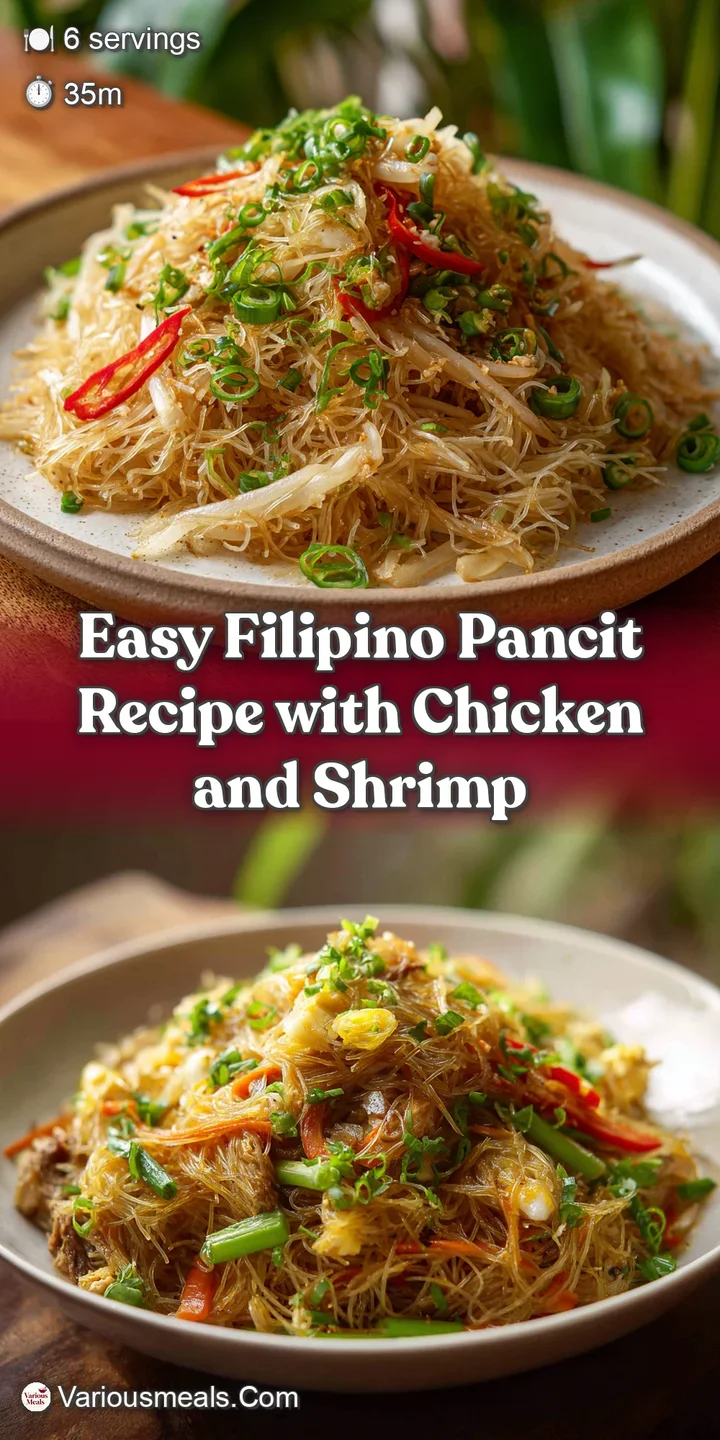
High in Sodium
895 mg mg of sodium per serving (39% of daily value)
The American Heart Association recommends limiting sodium intake to 2,300mg per day for most adults.
Tips to Reduce Sodium in Your Pancit
-
Dilute or Replace Broth-30%
Use half the amount of low-sodium chicken bone broth and replace the other half with water. This can significantly reduce the sodium content while maintaining flavor.
-
Reduce Oyster Sauce-20%
Oyster sauce is a significant source of sodium. Reduce the amount to 1 tablespoon or replace it with a homemade alternative using mushroom broth and a touch of molasses.
-
Lower Sodium Soy-15%
Ensure you are using a truly low-sodium coconut aminos or soy sauce. Even low-sodium options can vary, so check the label and consider using less.
-
Rinse Your Noodles-10%
Rinse both the rice sticks (Pancit Bihon) and flour noodles (Pancit Canton) thoroughly after cooking to remove excess sodium.
-
Calamansi Power-10%
Emphasize the use of calamansi or lemon juice to brighten the flavor. The acidity helps offset the need for more salt.
-
Fresh Garlic Boost
Increase the amount of fresh garlic or add garlic powder to enhance the savory flavor of the dish. This naturally boosts flavor without adding sodium.
-
Herb & Spice Power
Experiment with sodium free herbs and spices like ginger, white pepper, or a pinch of red pepper flakes to add complexity and flavor without adding sodium.
Recipe FAQs
What is the famous noodle dish in the Philippines?
It is Pancit. This term refers to several stir fried noodle dishes traditionally associated with long life, making them staples at birthdays and celebrations.
What is pinoy pancit?
Pinoy Pancit refers to any Filipino style noodle dish. The name is a shortening of Pilipino, indicating its origin, and it commonly utilizes rice sticks (bihon) or flour noodles (canton).
What is the Filipino dish pancit made of?
Pancit is fundamentally made of noodles, protein, and vegetables stir fried in a savory sauce. Key ingredients include a mix of thin rice noodles and thicker flour noodles, seasoned with soy sauce or coconut aminos, broth, and citrus like calamansi.
What's the secret to a flavorful pancit?
Searing the meat properly and using bone broth to soak the noodles are key. You must build flavor in layers by searing the protein first, then using that rendered fat to cook the aromatics before absorbing the seasoned liquid.
Is it true you must boil the rice sticks (bihon) for Pancit?
No, this is a common misconception. Rice sticks should be soaked in warm, seasoned broth, never boiled, as boiling causes them to break down and become overly mushy during the final stir fry stage.
How to achieve the perfect texture contrast in Pancit?
Introduce vegetables last and cook them quickly over high heat. This short cooking window preserves the cellular structure of the carrots and snap peas, ensuring a satisfying "snap" against the soft noodles.
What is the traditional noodle combination used in Pancit?
The traditional blend is Bihon (thin rice sticks) and Canton (thicker flour noodles). This pairing provides textural diversity, allowing the lighter rice sticks to absorb maximum sauce while the Canton noodles retain a pleasant chew.
Filipino Pancit Noodle Recipe
Ingredients:
Instructions:
Nutrition Facts:
| Calories | 528 kcal |
|---|---|
| Protein | 37.2 g |
| Fat | 10.4 g |
| Carbs | 67.8 g |
| Fiber | 4.1 g |
| Sugar | 3.8 g |
| Sodium | 895 mg |
