Fluffy Greek Rice Recipe
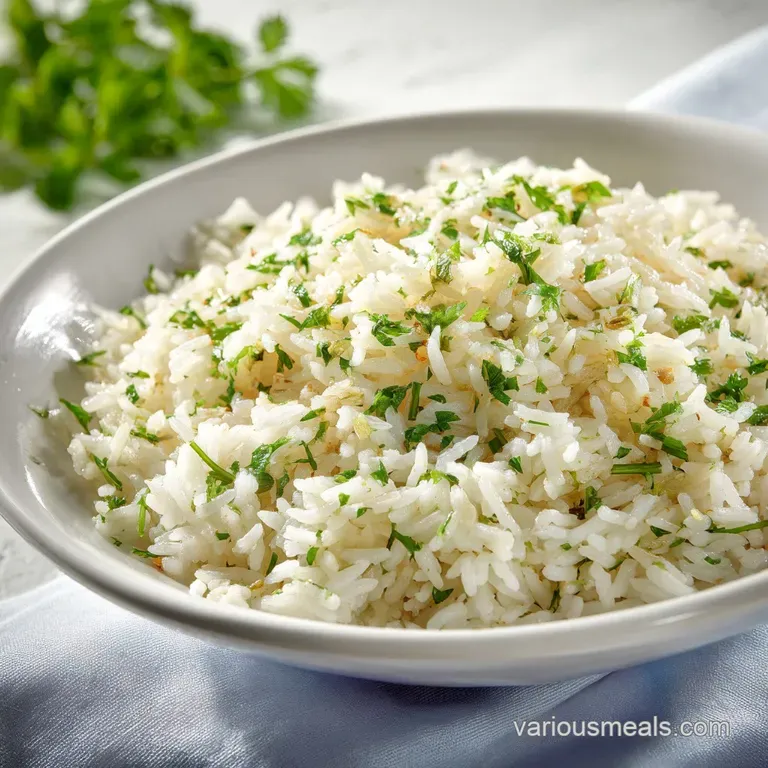
- Time: Active 5 minutes, Passive 15 minutes, Total 20 minutes
- Flavor/Texture Hook: Zesty lemon brightness with a buttery, toasted nut finish
- Perfect for: Weeknight family dinners or pairing with grilled proteins
- Achieving Fluffy Texture with This Authentic Greek Rice
- Understanding the Science of Starch and Scent
- Crucial Cooking Times and Yield for Family Meals
- Analyzing the Role of Each Savory Element
- Selecting the Right Pan for Even Heat Distribution
- Mastering the Step by Step Cooking Process
- Identifying and Fixing Common Texture Mistakes
- Infusing New Flavors Into Your Basic Grains
- Best Practices for Storage and Food Longevity
- Pairing Your Side Dish with Traditional Main Courses
- Recipe FAQs
- 📝 Recipe Card
Achieving Fluffy Texture with This Authentic Greek Rice
The first time I tried to make this at home, it was a total disaster. I thought I could just throw everything into a pot and hope for the best, but I ended up with a gummy, pale mess that tasted more like lemon scented wallpaper paste than actual food.
It was heartbreaking because I was craving that specific, golden, savory scent that hits you the moment you walk into a Greek deli that mix of buttery onions, dried oregano, and sharp lemon.
I spent the next few months obsessing over why mine didn't have that "individual grain" feel. I realized I was skipping the most important part: the sizzle. You have to hear that high pitched crackle when the rice hits the fat.
Now, when I make this, the aroma of the toasting orzo fills the whole house, smelling almost like popcorn or browned butter. It’s a comforting, traditional scent that brings the whole family to the kitchen before I’ve even put the lid on the pot.
This isn't just a side dish; it’s a foundational piece of a great meal. Whether you are serving it alongside some grilled skewers or as a base for a One Pan Greek recipe, getting the texture right is the difference between a side that sits on the plate and one that people ask for seconds of. We are going for grains that are tender but still have a distinct "snap" when you bite into them.
Understanding the Science of Starch and Scent
The secret to why this works lies in the dual action of toasting and rinsing. When we rinse the rice, we are physically removing the surface starch (amylopectin) that causes grains to stick together and become "gluggy" during the boiling process.
If you leave that starch on, the water turns into a thick gel that traps the grains in a sticky web.
Starch Gelatinization: Rinsing removes excess surface powder, allowing each grain to expand independently without clumping into a mass.
The Maillard Reaction: Toasting the orzo pasta in butter creates new flavor compounds that give the dish its characteristic nutty, savory depth.
pH Balancing: The citric acid in the lemon juice doesn't just add flavor; it helps keep the rice grains firm by strengthening the pectin in the cell walls.
| Method | Time | Texture | Best For |
|---|---|---|---|
| Traditional Stovetop | 20 minutes | Fluffy & distinct | Maximum flavor development and authentic crust |
| Rice Cooker | 25 minutes | Soft & uniform | Hands off cooking for busy weeknights |
| Instant Pot | 12 minutes | Dense & moist | When you need a quick, hearty side in a hurry |
Choosing the right method depends on how much you value that toasted "socarrat" at the bottom of the pan. I personally find the stovetop method unbeatable because it allows the orzo to brown properly in the butter, which is a step you lose in a standard rice cooker. If you have ever made a Fried Rice Recipe, you know how vital that initial fat contact is for the final mouthfeel.
Crucial Cooking Times and Yield for Family Meals
To get this right every time, you need to be precise with your liquid to grain ratio. While many recipes suggest a generic "double the water" rule, we use exactly 2 cups of chicken broth for 1 cup of rice plus the 1/4 cup of orzo.
This slight "under watering" is intentional it forces the rice to steam in its own moisture at the end rather than boiling in excess liquid, which preserves the structural integrity of the grains.
Chef Tip: Freeze your butter for 10 minutes before starting. When you grate or dice cold butter into the hot oil, the water content evaporates quickly, creating tiny steam pockets that help separate the orzo grains during the initial toast.
Another trick I learned from a chef friend is to use a tea towel. Once the rice is done, place a clean kitchen towel over the pot before putting the lid back on for the final 10 minute rest.
The towel absorbs the residual steam that would otherwise drip back down onto the rice, preventing that dreaded "soggy top" layer. It makes the difference between "okay" rice and professional grade pilaf.
Analyzing the Role of Each Savory Element
Every ingredient in this list serves a specific functional purpose beyond just tasting good. The turmeric, for instance, provides that iconic golden hue that makes the dish look sunshine bright, but it also adds a very subtle earthy undertone that grounds the sharp citrus notes.
| Ingredient | Science Role | Pro Secret |
|---|---|---|
| Extra Virgin Olive Oil | Heat Conductor | Use high-quality oil; it coats the grains to prevent sticking and adds a velvety mouthfeel. |
| Orzo Pasta | Texture Contrast | Toast until it’s the color of a copper penny for a nutty "snap" in every bite. |
| Long Grain Rice | Structural Base | Always rinse until the water is clear (usually 3 passes) to ensure individual grain separation. |
| Dried Oregano | Aromatic Depth | Rub the dried leaves between your palms before adding to release the volatile oils trapped inside. |
The combination of fats is also non negotiable for me. We use 2 tbsp of olive oil for the high smoke point and fruitiness, but that 1 tbsp of unsalted butter is what gives the rice its rich, restaurant style finish. Without the butter, the rice can feel a bit "lean" or dry on the tongue.
For the Aromatics
The foundation starts with 1 small yellow onion, finely diced, and 3 cloves of minced garlic. These should be sweated, not browned, until they smell sweet and translucent. If you brown the garlic, it turns bitter and will ruin the delicate lemon profile.
For the Rice and Liquid
We use 1 cup of long grain white rice and 1/4 cup of dried orzo. These are simmered in 2 cups of low sodium chicken broth. I always specify low sodium because it allows us to control the seasoning with our 1 tsp of sea salt. If you use full sodium broth, the rice can quickly become an unpalatable salt bomb.
The Fresh Finish
The "magic" happens at the very end. We use the zest and juice of 1 large lemon, along with 1/4 cup each of fresh dill and flat leaf parsley. Adding these after the heat is off preserves their bright green color and volatile aromas. If you cook the dill, it loses its punch and turns a muddy grey color.
Trust me, the fresh hit at the end is what makes people go "wow."
Selecting the Right Pan for Even Heat Distribution
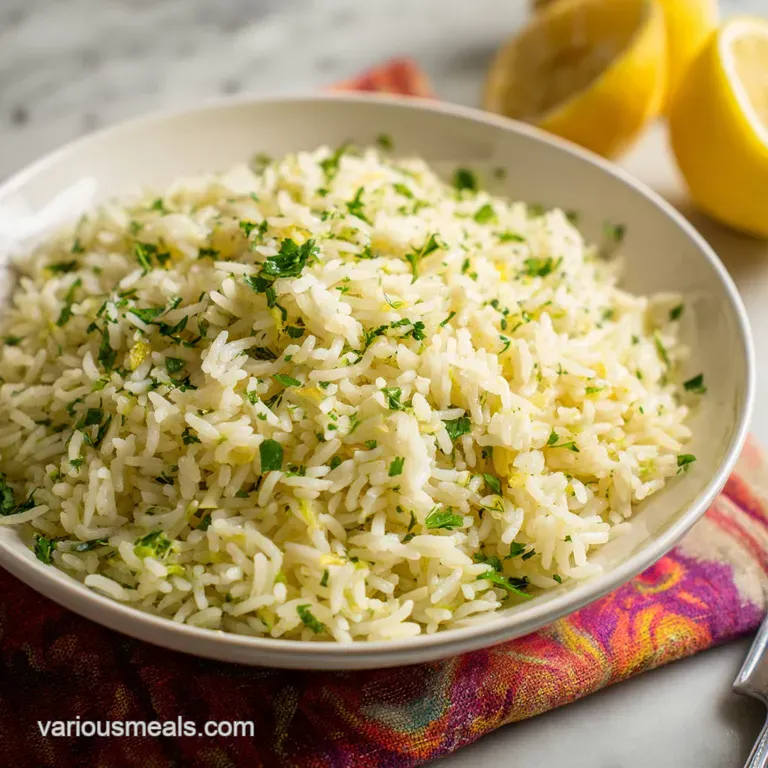
You don't need a fancy copper pot for this, but the material of your pan matters more than you might think. A heavy bottomed pot, like a Dutch oven or a thick stainless steel saucepan, is essential. Thin aluminum pots have "hot spots" that will cause the rice at the center to scorch while the edges stay raw.
I usually reach for my 3 quart stainless steel saucier. The rounded bottom makes it easy to stir the orzo so nothing gets stuck in the corners and burns. If you're doubling the recipe, move up to a 5 quart pot to ensure the rice isn't packed too tightly, which can lead to uneven steaming.
| Original Ingredient | Substitute | Why It Works |
|---|---|---|
| Chicken Broth | Vegetable Broth | Maintains the savory liquid base while making the dish vegetarian. |
| Orzo Pasta | Broken Vermicelli | Provides a similar texture contrast; very common in Middle Eastern pilafs. |
| Fresh Dill | Fresh Mint | Offers a different but equally traditional Mediterranean cooling sensation. |
If you are looking for a more "main course" feel, you might consider the techniques used in a Chicken and Rice recipe, where the proteins are cooked directly with the grains. However, for this specific side dish, we want the rice to remain light and bright.
Mastering the step-by-step Cooking Process
- Rinse the grains. Place 1 cup of long grain white rice in a fine mesh sieve and run cold water over it, agitating with your fingers, until the water runs clear. Note: This is the most important step for fluffiness.
- Sauté the aromatics. Heat 2 tbsp extra virgin olive oil and 1 tbsp unsalted butter in a heavy pot over medium heat until the butter foam subsides and begins to sizzle.
- Soften the onion. Add 1 small diced yellow onion and cook for 3-4 minutes until translucent and smelling sweet.
- Toast the orzo. Stir in 1/4 cup orzo pasta and 3 cloves minced garlic. Cook for 2-3 minutes, stirring constantly, until the orzo turns a golden brown color.
- Add the rice. Add the rinsed rice, 1/2 tsp dried oregano, and 1/2 tsp turmeric powder. Stir for 1 minute until the grains are coated in oil and look translucent at the edges.
- Deglaze and simmer. Pour in 2 cups chicken broth and 1 tsp sea salt. Bring to a rolling boil, then immediately turn the heat to the lowest setting.
- Seal and steam. Cover with a tight fitting lid and cook for 15 minutes. Do not lift the lid during this time.
- The Rest. Remove the pot from the heat. Place a clean towel under the lid and let it sit for 10 minutes.
- Finish with citrus. Remove the lid and add 1/4 tsp black pepper, the lemon zest, and the lemon juice.
- Fluff and herb. Use a fork to gently lift and separate the grains while folding in 1/4 cup each of fresh dill and parsley until the green herbs are evenly distributed and the aroma is vibrant.
Identifying and Fixing Common Texture Mistakes
The most common heartbreak with this dish is "crunchy" rice. This usually happens because the lid wasn't tight enough, allowing the steam to escape before the rice could absorb it. If you find your rice is still hard after the 15 minute mark, don't panic and don't just keep boiling it.
Sprinkle 2 tablespoons of boiling water over the top, put the lid back on tightly, and let it sit on the warm (but turned off) burner for another 5 minutes. The residual heat is usually enough to finish the job without turning the rest of the pot into mush.
Why Your Rice Is Gummy
If the grains are sticking together in clumps, you likely didn't rinse enough starch off the rice or you stirred the pot while it was simmering. Stirring releases starch into the water, creating a risotto like consistency which we definitely want to avoid here.
| Problem | Root Cause | Solution |
|---|---|---|
| Gummy Texture | Excess surface starch | Rinse rice 3+ times until water is clear. |
| Burnt Bottom | Heat too high or thin pot | Use a simmer mat or a heavier bottomed pot. |
| Bland Flavor | Lack of acidity or salt | Add an extra squeeze of lemon and a pinch of salt after cooking. |
Common Mistakes Checklist
- ✓ Rinsing the rice until the water is completely clear (takes about 30 seconds).
- ✓ Toasting the orzo until it is actually brown, not just tan.
- ✓ Using a pot with a heavy base to prevent scorching.
- ✓ Resisting the urge to "peek" by lifting the lid during the simmer.
- ✓ Letting the rice rest for a full 10 minutes before fluffing.
Infusing New Flavors Into Your Basic Grains
Once you have the base technique down, you can start playing with the profile. I sometimes add a handful of toasted pine nuts at the end for an extra "shatter" of texture. Or, if I’m serving this with something especially spicy, I’ll stir in some crumbled feta cheese right before serving; the heat of the rice slightly softens the cheese, creating little velvety pockets of saltiness.
Making it Plant Based
To make this vegan, simply swap the butter for an extra tablespoon of olive oil and use a high-quality vegetable broth. I find that mushroom based vegetable broths add a nice "meaty" depth that works well with the lemon.
Boosting the Brine
For a punchier version, add 2 tablespoons of chopped capers or kalamata olives at the same time you add the fresh herbs. This gives the dish a "Mediterranean Salad" vibe that works perfectly as a cold rice salad the next day. It’s a great way to use up those half empty jars in the fridge!
Best Practices for Storage and Food Longevity
Rice is notorious for drying out in the fridge. To keep it moist, store it in an airtight container as soon as it reaches room temperature. It will stay fresh for up to 4 days. When reheating, don't just microwave it dry. Add a teaspoon of water or broth per cup of rice and cover the bowl with a damp paper towel.
This creates a mini steam chamber that restores the rice's original suppleness.
Freezing Guidelines
You can absolutely freeze this! Let it cool completely, then flat pack it into freezer bags. It stays good for up to 3 months. To reheat from frozen, it’s actually best to toss it directly into a hot pan with a splash of water, breaking up the clumps as it thaws.
Zero Waste Tips
If you have leftover lemon halves after juicing, don't toss them! Put them in a jar with a bit of salt to make preserved lemons for your next batch. Also, those dill and parsley stems you chopped off? Throw them into a bag in your freezer to use the next time you make a homemade stock.
They contain a massive amount of flavor that usually ends up in the bin.
Pairing Your Side Dish with Traditional Main Courses
This rice is essentially a "blank canvas" of flavor, but it shines brightest next to charred, smoky meats. I love serving it with lamb chops that have been marinated in garlic and rosemary. The acidity of the lemon in the rice cuts right through the richness of the lamb fat, balancing the whole palate.
If you are keeping things lighter, it’s the ultimate partner for baked sea bass or shrimp scampi. The dill and parsley in the rice mirror the delicate flavors of the seafood, while the turmeric gold color makes the whole plate look professional.
"Searing meat does not 'seal in juices.' It actually causes moisture loss through fiber contraction. We sear purely for the Maillard reaction, which develops the complex, savory flavors we love." In the case of our orzo, toasting doesn't "seal" the pasta; it just changes the flavor profile from "floury" to "nutty."
"Adding oil to the boiling water does not prevent rice from sticking. The oil just floats on top and never touches the grains. The only way to prevent sticking is to rinse the starch off beforehand and ensure you have the correct water to grain ratio." Trust the rinse, not the oil slick!
Whether you're making this as a quick weeknight addition or as part of a larger Mediterranean spread, remember that the "secret" is all in the prep. Take the time to rinse, take the time to toast, and most importantly, give it the time to rest. Your taste buds and your family will thank you.
Recipe FAQs
Why does Greek Rice taste so good?
It’s the combination of toasted orzo and fresh lemon. Toasting the pasta (orzo) in butter creates a nutty, savory foundation (Maillard reaction), while a generous amount of fresh lemon zest and juice added at the end provides necessary brightness.
How to make Greek Rice yellow?
Add 1/2 teaspoon of ground turmeric when toasting the rice. Turmeric provides that characteristic vibrant golden color associated with Greek pilafs without drastically altering the flavor profile.
What kind of rice do you get at a Greek restaurant?
Typically, it is a long grain white rice blended with toasted orzo pasta. The orzo adds a textural contrast and depth that plain rice lacks, often contributing to that signature fluffy but distinct grain structure.
How to make Greek Rice?
First, rinse the rice thoroughly until the water runs clear, then toast the orzo in butter until golden brown. After coating the grains, simmer them in broth for 15 minutes, turn off the heat, and let it steam covered for 10 minutes before fluffing with fresh herbs and lemon.
Is it necessary to rinse the rice before cooking this dish?
Yes, rinsing is essential for a light, non-gummy texture. Rinsing physically removes the surface starch that causes the grains to clump together when cooked, which is a technique also crucial for perfect results in many Asian dishes, similar to what you see in a Gebratene Nudeln wie recipe.
Can I substitute the chicken broth for a vegetarian option?
Yes, use a high-quality vegetable broth or water fortified with a little nutritional yeast. To retain the savory depth lost by omitting chicken, ensure you brown your orzo deeply during the toasting stage, just like we encourage in a Salmon Quinoa Bowl recipe for flavor base development.
What is the secret to fluffy rice that doesn't stick together?
The secret is the post cook steam absorption period. After 15 minutes of simmering, remove the pot from the heat, cover it with a clean kitchen towel under the lid, and let it rest undisturbed for 10 minutes to finish steaming without adding excess moisture.
Fluffy Greek Rice In 20
Ingredients:
Instructions:
Nutrition Facts:
| Calories | 313 calories |
|---|---|
| Protein | 5.5 g |
| Fat | 10.4 g |
| Carbs | 47.1 g |
| Fiber | 1.4 g |
| Sugar | 1.2 g |
| Sodium | 655 mg |
