French Onion Pasta: Silky & Caramelized
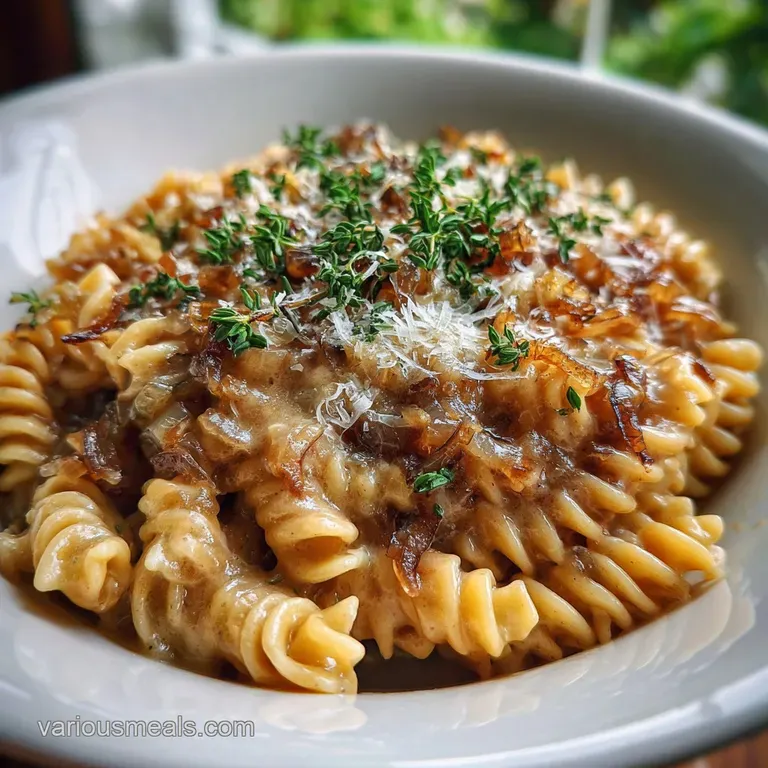
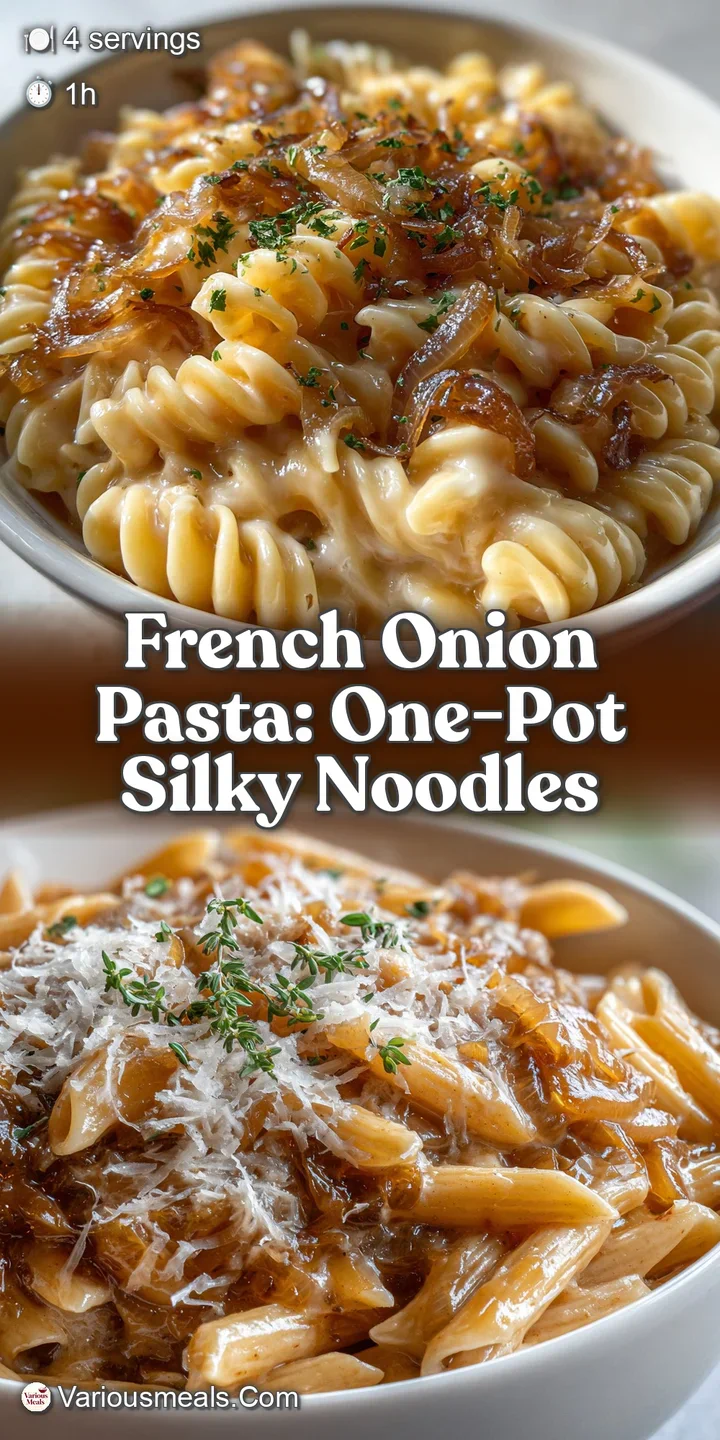
- Time: Active 15 minutes, Passive 45 minutes, Total 1 hour
- Flavor/Texture Hook: Silky, savory, and deeply caramelized
- Perfect for: Cozy Sunday family dinners or impressing guests
- The Ultimate French Onion Pasta
- Why This Recipe Works
- Ingredient Deep Dive Analysis
- Essential Shopping List
- Necessary Kitchen Tools
- Step by Step Method
- Troubleshooting Your Pasta
- Smart Ingredient Swaps
- Storage and Reheating
- Perfect Serving Ideas
- Kitchen Myths Debunked
- Very High in Sodium
- Recipe FAQs
- 📝 Recipe Card
The Ultimate French Onion Pasta
The first time I tried making French Onion Pasta, I rushed the onions. Big mistake. I ended up with crunchy, bitter bits instead of that melt in-your mouth sweetness we all crave. There's something hypnotic about the sizzle of thinly sliced onions hitting hot butter, and the aroma that fills the kitchen as they turn from translucent to a deep, mahogany brown is pure comfort.
This dish is a hug in a bowl, honestly. We aren't just making a sauce, we're building layers of flavor starting from the bottom of the pan. It's the kind of meal that makes the whole house smell like a rustic French bistro, and trust me, your family will be hovering around the stove long before the pasta is even in the pot.
We’ve all seen the viral versions, but most of them skip the crucial deglazing step or use too much cream. I’ve refined this to focus on the onions and the broth, using just a splash of heavy cream at the end to pull it all together into a velvety masterpiece.
Let's get into how to make this work every single time.
Why This Recipe Works
- Maillard Magic: Slowly browning the onions creates complex sugars that provide a deep, savory base you can't get from quick sautéing.
- Starch Suspension: Cooking the pasta directly in the broth releases starches that naturally thicken the liquid into a glossy sauce.
- Acidic Balance: The dry sherry cuts through the heavy fat of the butter and Gruyère, brightening the entire flavor profile.
The Physics of the Emulsion
By adding the heavy cream and cheese at the very end over low heat, we prevent the proteins from clumping. This ensures a silky, uniform coating on the pasta rather than a greasy, separated mess.
| Method | Cook Time | Texture | Best For |
|---|---|---|---|
| One Pot (This Recipe) | 45 minutes | Velvety and infused | Maximum flavor soak |
| Separate Boiling | 25 minutes | Al dente and light | When you're in a rush |
| Casserole Bake | 1 hour | Crispy cheese crust | Large family gatherings |
Choosing the one pot method is vital here because the pasta absorbs the beef bone broth as it cooks. It's a similar flavor building technique to what you'd find in a well executed 30 Minute Weeknight recipe, where the starch becomes the glue for the sauce.
Ingredient Deep Dive Analysis
| Ingredient | Science Role | Pro Secret |
|---|---|---|
| Yellow Onions | Sugar source | Use a mandoline for perfectly even caramelization |
| Beef Bone Broth | Collagen base | High protein content creates a richer mouthfeel |
| Gruyère Cheese | Fat and salt | Grate it yourself to avoid anti clumping starches |
| Dry Sherry | Solvent | Sherry dissolves flavor compounds that water can't touch |
Essential Shopping List
- 3 large Yellow Onions (900g): Thinly sliced. Why this? They have the highest sugar content for caramelizing.
- Substitute: White onions (sharper) or Shallots (sweeter).
- 3 tbsp (42g) Unsalted Butter: For the fat base.
- Substitute: Ghee for a higher smoke point.
- 1 tbsp Extra Virgin Olive Oil: Prevents the butter from burning.
- 0.5 tsp Kosher Salt: To draw out moisture.
- 1 tsp Granulated Sugar: Speeds up the browning process.
- 3 cloves Garlic: Minced fresh.
- 1 tbsp Fresh Thyme: Woody aromatics. Why this? Essential for that classic French flavor profile.
- Substitute: 1 tsp dried thyme.
- 0.25 cup (60ml) Dry Sherry: For deglazing.
- Substitute: Dry white wine or balsamic vinegar.
- 1 tbsp Worcestershire sauce: For umami depth.
- 1 lb (454g) Short Pasta: Rigatoni or Campanelle work best.
- 4 cups (950ml) Beef Bone Broth: The cooking liquid.
- 2 Bay Leaves: For subtle herbal notes.
- 1.5 cups (150g) Gruyère Cheese: Freshly shredded. Why this? It melts into a perfect, nutty emulsion.
- Substitute: Swiss or Fontina.
- 0.25 cup (60ml) Heavy Cream: For silkiness.
- 0.25 cup Fresh Chives: For a bright finish.
Necessary Kitchen Tools
You don't need a pantry full of gadgets, but a heavy bottomed pot is non negotiable here. A Dutch oven (like a Le Creuset) is my go to because it distributes heat evenly, which prevents those pesky hot spots that burn onions.
You'll also want a sturdy wooden spoon to scrape up the "fond" - those tasty brown bits stuck to the bottom.
If you don't have a Dutch oven, a deep stainless steel skillet will do the trick. Just avoid non stick pans for this one. We actually want a little bit of sticking to happen so we can deglaze it later. That's where the soul of the Onion Pasta lives.
step-by-step Method
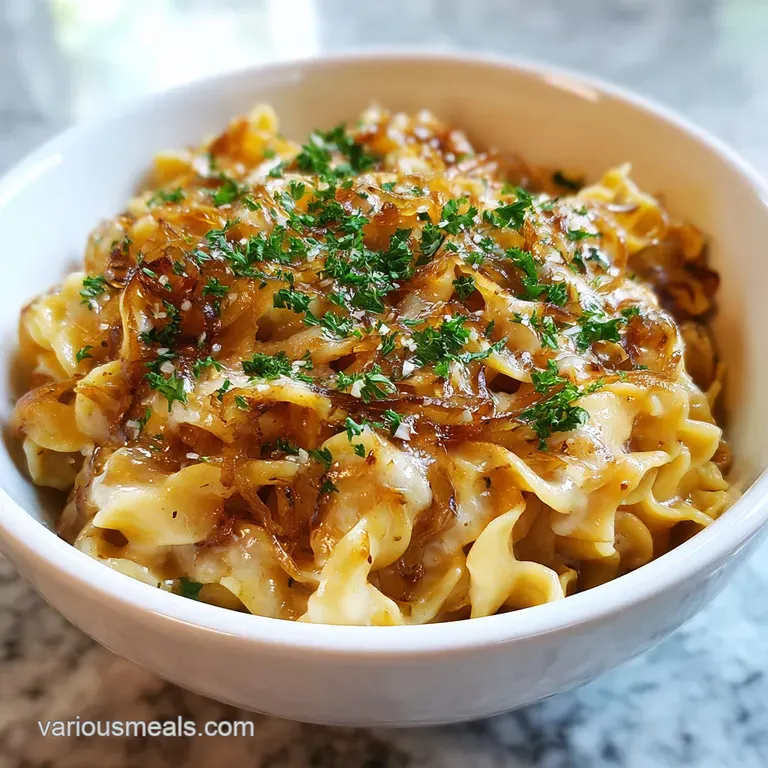
Phase 1: Slow Burn
- Melt the 3 tbsp butter and 1 tbsp olive oil in a large Dutch oven over medium heat.
- Add the 900g of sliced onions and sprinkle with 0.5 tsp salt and 1 tsp sugar. Note: The sugar isn't for sweetness, it's to jumpstart the caramelization.
- Cook for 25-30 minutes, stirring every few minutes, until the onions are deep jammy brown.
Phase 2: Building Flavor
- Stir in the 3 minced garlic cloves and 1 tbsp fresh thyme. Cook 1 minute until fragrant.
- Pour in the 0.25 cup dry sherry. Scrape the bottom of the pan vigorously to release all the brown bits.
- Add 1 tbsp Worcestershire sauce and stir to combine.
Phase 3: Pasta Infusion
- Add the 1 lb short pasta directly to the pot, followed by 4 cups beef bone broth and 2 bay leaves.
- Simmer over medium low heat for 12-15 minutes, stirring occasionally, until the pasta is tender and liquid is reduced by half.
Phase 4: Cheese Emulsion
- Remove from heat and discard the bay leaves.
- Fold in the 1.5 cups shredded Gruyère and 0.25 cup heavy cream. Stir until the sauce is velvety and clings to the pasta.
- Garnish with 0.25 cup fresh chives and serve immediately.
Troubleshooting Your Pasta
Prevent Bitter Scorched Onions
If the heat is too high, the onion sugars will burn rather than caramelize, leaving a bitter aftertaste. If you see the onions darkening too fast, add a tablespoon of water and turn the heat down. Patience is the only ingredient you can't substitute.
Fix a Broken Sauce
Sometimes the cheese can clump if the pot is too hot. If your sauce looks grainy, whisk in a splash of warm broth or extra cream off the heat. This helps re emulsify the fats.
Avoid Mushy Pasta
Since this is a one pot French Onion Pasta, it's easy to overcook the noodles. Start checking for doneness 2 minutes before the package directions suggest. The residual heat will continue to cook the pasta as you stir in the cheese.
| Problem | Root Cause | Solution |
|---|---|---|
| Thin/Watery Sauce | Too much broth left | Simmer uncovered for 3 extra minutes |
| No Flavor | Onions weren't dark enough | Next time, cook onions 10 mins longer |
| Sticky Pasta | Not enough stirring | Stir every 3 minutes to release starch evenly |
Chef's Tip: If you want a more complex flavor, freeze your butter for 10 minutes and then grate it into the onions. This creates tiny pockets of fat that brown more evenly at the start.
Common Mistakes Checklist:
- ✓ Don't use pre shredded cheese (the starch coating prevents a smooth melt)
- ✓ Never skip the deglazing step with sherry or vinegar
- ✓ Use a heavy bottomed pot to prevent localized burning
- ✓ Ensure onions are truly brown, not just soft and yellow
- ✓ Add the cream only after removing the pot from the heat
Smart Ingredient Swaps
If you are looking for homemade french onion pasta but need to pivot based on what's in your pantry, these swaps work well. Just keep in mind that changing the base liquid or cheese will shift the final profile.
| Original Ingredient | Substitute | Why It Works |
|---|---|---|
| Dry Sherry | Balsamic Vinegar | Adds acidity and sweetness. Note: Darkens the sauce significantly. |
| Beef Bone Broth | Mushroom Broth | Keeps the savory umami while making it vegetarian. |
| Gruyère Cheese | Sharp White Cheddar | High fat content and great melting capability. |
If you enjoy the balance of this dish, you might also like a cold variation like my 15 Minute Pasta recipe for warmer days.
French Onion Pasta Chicken
To make this french onion pasta with chicken, sauté chicken breast strips in the pot before starting the onions. Remove the chicken, then add it back in during the last 5 minutes of the pasta simmering.
The Pasta Bake Style
For a french onion pasta bake, transfer the finished pasta to a baking dish. Top with extra Gruyère and a few slices of toasted baguette, then broil for 3 minutes until bubbling and charred.
Storage and Reheating
This French Onion Pasta casserole style dish actually tastes better the next day as the flavors meld. Store it in an airtight container in the fridge for up to 4 days. I don't recommend freezing this specific recipe because the cream and Gruyère sauce can separate and become grainy when thawed.
When reheating, do it on the stovetop over low heat. Add a splash of beef broth or milk to loosen the sauce. Avoid the microwave if possible, as it tends to make the cheese oily and the pasta rubbery.
For zero waste, save your onion peels and thyme stems! Toss them into a freezer bag to make a DIY vegetable stock later. Every little bit of flavor counts.
Perfect Serving Ideas
This is a heavy, rich meal, so I usually serve it with something bright. A simple arugula salad with a lemon vinaigrette is the perfect foil to the deep, jammy onions and salty cheese.
- For Crunch
- Top with toasted sourdough breadcrumbs.
- For Heat
- Add a pinch of red pepper flakes during the garlic step.
- For Freshness
- A heavy squeeze of fresh lemon juice right before serving.
Honestly, don't even bother with low-fat cheese here. The whole point of an easy french onion pasta is the indulgence. If you're going to do it, do it right with the full fat Gruyère.
Kitchen Myths Debunked
Many people believe adding salt at the start of caramelizing onions stops them from browning. That's a total myth. Salt actually helps draw out the water faster, which allows the sugars to start browning sooner. It speeds up the process rather than hindering it.
Another one is that you need a lot of flour to thicken the sauce. In this creamy french onion pasta, the starch from the pasta itself does all the heavy lifting. Adding flour often masks the delicate sweetness of the onions and makes the dish feel heavy in a "pasty" way. Stick to the starch!
Very High in Sodium
1250 mg mg of sodium per serving (54% % of daily value)
The American Heart Association recommends limiting sodium intake to no more than 2,300mg per day for most adults.
Sodium Reduction Tips for this Recipe
-
Low-Sodium Broth-30%
Replace regular beef bone broth with low-sodium or no-salt added beef broth. This can significantly reduce the sodium content without sacrificing flavor.
-
Reduce Gruyère-15%
Use less Gruyère cheese, or substitute with a lower sodium cheese option like part skim mozzarella or Emmental. Consider using only 1 cup (100g) instead of 1.5 cups (150g).
-
Minimize Added Salt-15%
Reduce or eliminate the added kosher salt. Taste the dish after cooking and adjust seasoning with a pinch of salt only if absolutely necessary. Instead of 0.5 tsp, try 0.25 tsp.
-
Low-Sodium Worcestershire-10%
Use a low-sodium Worcestershire sauce or reduce the amount used to 1/2 tbsp. Alternatively, consider substituting with a splash of balsamic vinegar for a similar umami flavor with less sodium.
-
Enhance with Herbs
Instead of relying on salt for flavor, experiment with other herbs and spices like black pepper, garlic powder (ensure it's salt free), onion powder, smoked paprika, or a pinch of red pepper flakes to enhance the dish's taste.
Recipe FAQs
Can I substitute the beef bone broth with vegetable broth?
Yes, but expect a flavor shift. Vegetable broth lacks the deep savory foundation provided by the beef collagen, resulting in a lighter, less rich sauce. You may need to add extra Worcestershire sauce or a teaspoon of Marmite to compensate for the lost umami.
How do I prevent the Gruyère cheese from clumping when I add it?
Remove the pot completely from the heat source before adding cheese. Cheese proteins seize up when exposed to high direct heat, causing separation. Stirring gently off the heat allows the fats and proteins to form a stable emulsion with the residual liquid.
What is the purpose of adding sugar to the onions at the start?
The sugar accelerates the caramelization process. While it sounds counterintuitive, a small amount helps draw out moisture and promotes faster Maillard browning, reducing the time needed to achieve that deep mahogany color.
Is it true I must use a Dutch oven for this recipe?
No, a heavy bottomed stainless steel skillet is an adequate substitute. The key is even heat distribution to prevent scorching, which is why avoiding thin aluminum or non-stick pans is critical for building the fond layer effectively.
How to make the sauce thick enough if I accidentally add too much broth?
Simmer the pasta uncovered for 3 5 extra minutes. The goal is to reduce the liquid down to a glossy coating consistency. If you are struggling with liquid balance, review the principles of starch activation you used in our Chicken and Rice Slow Cooker Recipe, as excess liquid must be boiled off.
What is the role of the dry sherry in the flavor profile?
The sherry deglazes the pan and acts as a flavor solvent. Alcohol dissolves aromatic compounds stuck to the bottom of the pot (the fond) that water cannot access, providing a complex, bright acidity to cut through the rich cheese and butter.
Can I prepare the caramelized onions ahead of time for quicker assembly?
Yes, this is highly recommended for time management. Caramelized onions keep well for several days; you can store them in an airtight container in the fridge. If you are making meal prep salads later, mastering batch vegetable cooking saves time, similar to how quickly you can assemble a Chicken Salad Meal Prep Idea for Work with Avocado in 15 Minutes once the components are ready.
French Onion Pasta Bake
Ingredients:
Instructions:
Nutrition Facts:
| Calories | 890 kcal |
|---|---|
| Protein | 38 g |
| Fat | 32 g |
| Carbs | 110 g |
| Fiber | 6 g |
| Sugar | 12 g |
| Sodium | 1250 mg |
