Gebratene Nudeln Mit Ei Und Gemüse
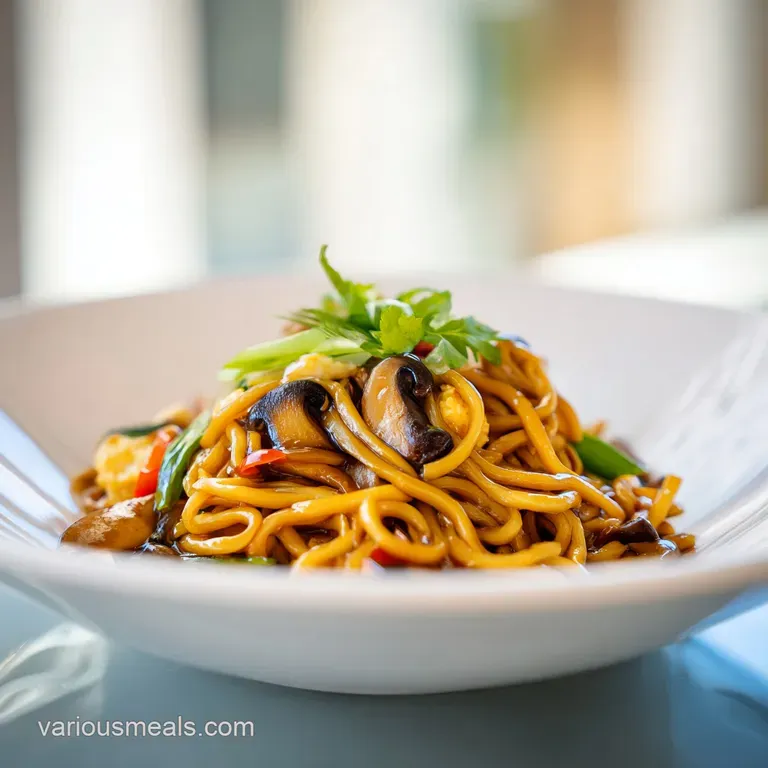
- Time: Active 15 minutes, Passive 10 minutes, Total 25 minutes
- Flavor/Texture Hook: Savory umami depth with snappy vegetables and velvety eggs
- Perfect for: High energy weeknight dinners or a better than-takeout meal prep
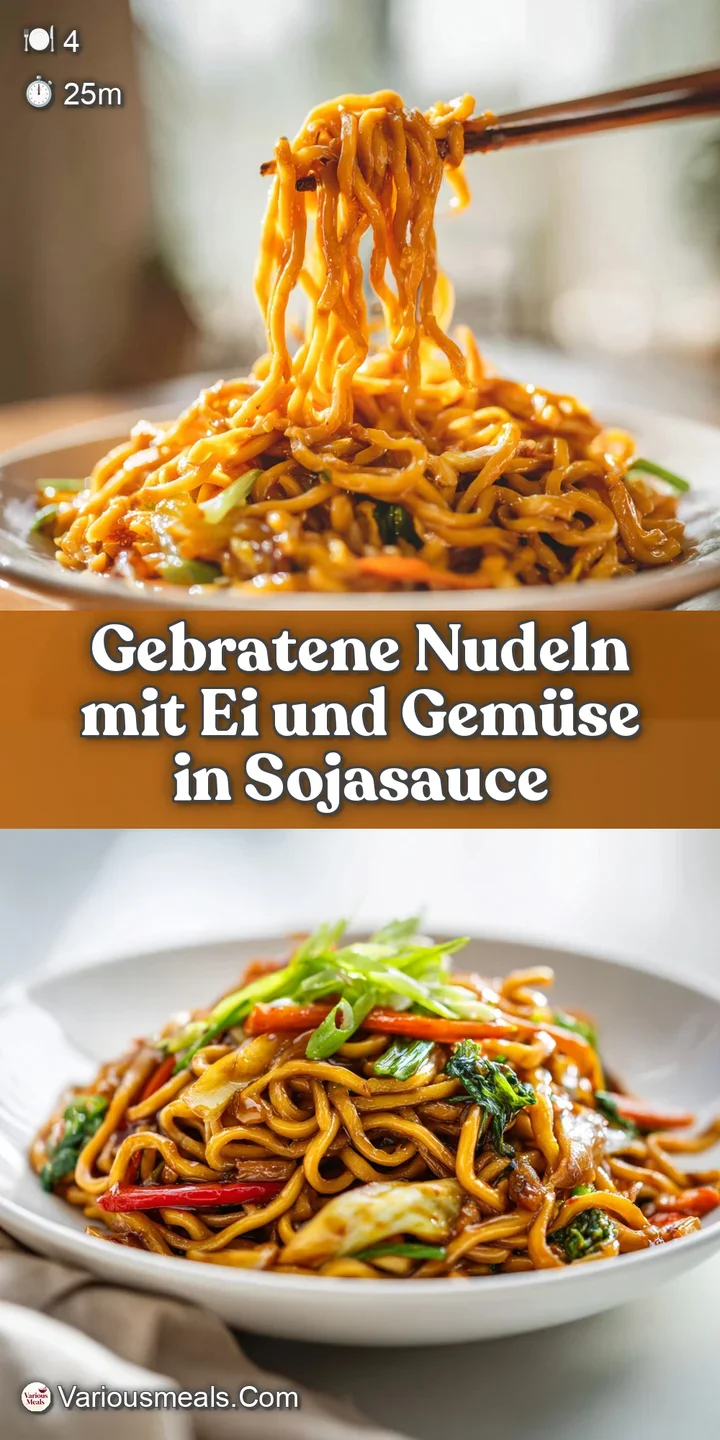
- Gebratene Nudeln wie beim Chinesen mit Ei und Gemüse in Sojasauce
- The Science of the Sizzle
- Component Analysis and Deep Dive
- The Alchemy of Umami Elements
- Essential High Heat Cooking Tools
- The Golden Sequence for Success
- Navigating Sogginess and Flavor Disasters
- Adjusting Quantities for Your Needs
- Debunking Noodle Preparation Myths
- Keeping Your Leftovers Silky
- How to Plate and Garnish
- High in Sodium
- Recipe FAQs
- 📝 Recipe Card
Gebratene Nudeln wie beim Chinesen mit Ei und Gemüse in Sojasauce
The moment that garlic hits the shimmering peanut oil, your entire kitchen transforms. You know that specific, intoxicating aroma that drifts out of those small noodle shops? It is a mix of toasted grain, sharp aromatics, and the deep, fermented hum of soy.
Craving authentic Gebratene Nudeln with egg and veggies in soy sauce? I used to think it was impossible to replicate without a commercial jet engine burner, but I was wrong.
It took me three soggy batches and a very frustrated evening to realize that the secret isn't just the ingredients, it's the sequence. We've all been there, staring at a pile of mushy noodles that taste more like a salt lick than a balanced meal.
But once you nail the texture of the Mie noodles and the timing of the egg scramble, everything clicks.
We are going for that over high heat sear that makes the edges of the noodles slightly chewy while keeping the carrots julienned into crisp tender ribbons. This isn't just a "throw it in the pan" situation; it's a choreographed dance of heat and flavor layers.
Let's get into how we actually make this happen in a standard home kitchen.
The Science of the Sizzle
Starch Retrogradation: Cooling the Mie noodles after boiling allows the starches to realign, creating a firmer exterior that resists turning into mush during frying.
Maillard Reaction: High heat triggers a chemical reaction between the amino acids in the soy sauce and the sugars in the vegetables, creating complex savory notes.
Protein Coagulation: Introducing the eggs into a cleared space in the pan ensures they set quickly into silky ribbons rather than coating the noodles in a grainy film.
Osmotic Balance: The combination of light and dark soy sauces balances surface seasoning with deep, internal pigment and earthy undertones.
| Method | Time | Texture | Best For |
|---|---|---|---|
| Standard Wok | 10 minutes | Maximum char and "Wok Hei" | Authentic restaurant results |
| Large Cast Iron | 12 minutes | Even browning, great crust | Retaining high heat on electric stoves |
| Non stick Pan | 10 minutes | Softer texture, less oil | Easy cleanup and beginner cooks |
The choice of vessel changes how the heat interacts with the moisture in the mung bean sprouts. If you use a non stick pan, you'll need to work in smaller batches to prevent the vegetables from steaming in their own juices.
Component Analysis and Deep Dive
| Ingredient | Science Role | Pro Secret |
|---|---|---|
| Mie Nudeln | Structural Base | Rinse in cold water to stop cooking immediately. |
| Dark Soy Sauce | Pigment & Viscosity | It's less about salt and more about that deep mahogany color. |
| Toasted Sesame Oil | Aromatic Finish | Never fry with this; add it at the end to preserve volatiles. |
The Alchemy of Umami Elements
- 250g Gebratene Mie Nudeln: These dried wheat noodles provide the chewy soul of the dish. Why this? They have the perfect surface area for grabbing the thick soy sauce.
- Substitute: Spaghetti (if desperate), but the texture will be significantly denser.
- 1 tbsp Toasted sesame oil: This adds a nutty, toasted top note that defines Asian street food. Why this? It provides an aromatic bridge between the savory soy and sweet carrots.
- Substitute: Roasted peanut oil for a milder nuttiness.
- 3 Large organic eggs: These provide rich fat and a soft, velvety contrast to the snappy veggies. Why this? Higher fat content in organic yolks leads to a creamier scramble.
- Substitute: Firm tofu crumbled with a pinch of turmeric for a vegan option.
- 2 Large carrots, julienned: These offer sweetness and a necessary crunch. Why this? Julienne cuts ensure they cook at the same speed as the peppers.
- Substitute: Sliced parsnips for an earthier, spicy sweet profile.
- 1 Red bell pepper, thinly sliced: Adds vibrant color and a juicy, crisp texture. Why this? The sugars in the pepper caramelize beautifully against the salty sauce.
- Substitute: Sugar snap peas for even more crunch.
- 150g Mung bean sprouts: These are the "freshness" factor, providing water content and snap. Why this? They absorb the sauce without losing their structural integrity.
- Substitute: Shredded cabbage (Savoy or Pointed) works well if sprouts are unavailable.
- 3 Spring onions: Used for both an aromatic base and a fresh, sharp garnish. Why this? Diagonal slicing increases surface area for flavor release.
- Substitute: Chives, though you'll lose the pungent white part base flavor.
- 2 cloves Garlic, minced: The essential aromatic backbone. Why this? Freshly minced garlic releases oils that jarred versions simply lose.
- Substitute: Garlic chives for a more subtle, onion like garlic hit.
- 2 tbsp Light soy sauce: This provides the primary salt seasoning. Why this? It's thinner and saltier than dark soy, penetrating the noodles effectively.
- Substitute: Tamari if you need a gluten-free alternative.
- 1 tbsp Dark soy sauce: This is purely for that iconic, rich brown color and caramel depth. Why this? It contains molasses which thickens slightly when heated.
- Substitute: A mix of light soy and a pinch of brown sugar.
- 1 tsp Oyster sauce: The "secret" ingredient that adds a thick, savory umami punch. Why this? It acts as an emulsifier for the lighter sauces.
- Substitute: Vegetarian mushroom sauce offers the same viscosity and depth.
- 0.5 tsp White pepper: Provides a floral, earthy heat that doesn't overwhelm. Why this? Unlike black pepper, it blends seamlessly into the sauce without black specks.
- Substitute: A tiny pinch of Szechuan peppercorn for a numbing effect.
- 1 tbsp Peanut oil: The high smoke point vehicle for our stir fry. Why this? It stays stable at the high temperatures needed to sear the noodles.
- Substitute: Grapeseed oil or any neutral oil with a high smoke point.
Essential High Heat Cooking Tools
You don't need a professional kitchen, but a carbon steel wok is a game changer here. It responds to temperature changes instantly, which is vital when you're moving from searing vegetables to scrambling eggs.
If you don't have one, use your largest heavy bottomed skillet stainless steel or cast iron works better than thin aluminum because they hold the heat when you drop the cold noodles in.
A sturdy metal spatula is also your best friend. You need something that can get under the noodles and scrape up those delicious, slightly charred bits without bending. Make sure your prep bowls are ready; stir frying is a fast paced sport, and you won't have time to mince garlic once the oil starts smoking.
The Golden Sequence for Success
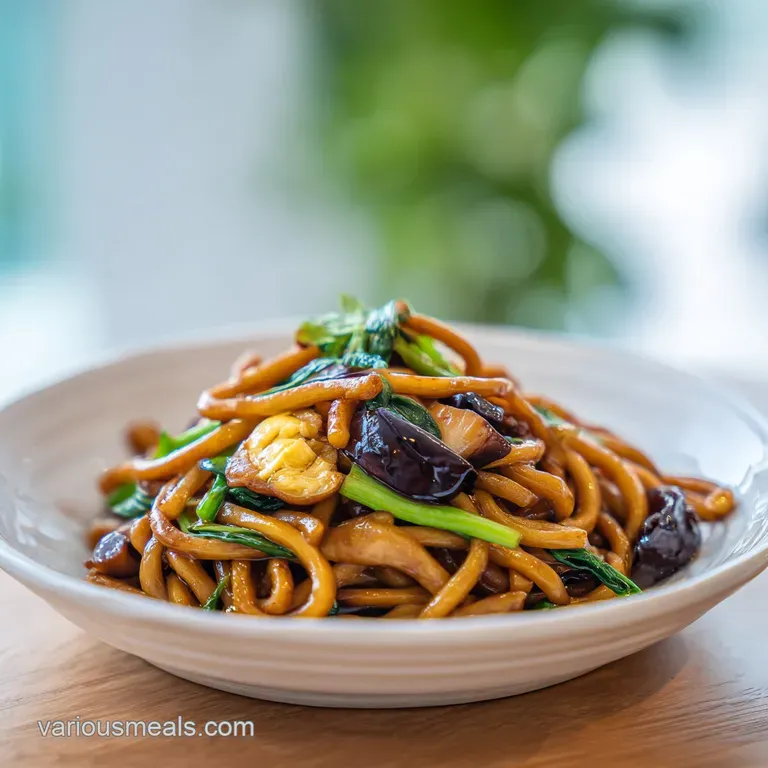
- Boil the noodles. Cook 250g Mie Nudeln in salted water for 1 minute less than the package instructions. Note: They will finish cooking in the wok later.
- Drain and toss. Immediately drain the noodles and toss with 1 tbsp toasted sesame oil. Note: This prevents clumping and adds the first layer of flavor.
- Prepare the aromatics. Mince 2 garlic cloves and slice the spring onions diagonally, keeping the whites and greens separate.
- Heat the vessel. Place your wok over high heat until a drop of water flicked onto it dances and evaporates instantly.
- Sear the vegetables. Add 1 tbsp peanut oil, then toss in the julienned carrots and red bell pepper. Cook for 2 minutes until edges are slightly charred.
- Sauté the aromatics. Push veggies to the side, add the garlic and spring onion whites to the center. Fry for 30 seconds until fragrant.
- Scramble the eggs. Push everything to the side and crack 3 eggs into the center. Whisk quickly until just set but still soft.
- Incorporate the noodles. Dump the cooled Mie Nudeln into the wok and toss vigorously with the egg and veg.
- Season the dish. Pour in 2 tbsp light soy sauce, 1 tbsp dark soy sauce, 1 tsp oyster sauce, and 0.5 tsp white pepper.
- Final char. Add 150g mung bean sprouts and spring onion greens. Toss over maximum heat for 1 minute until noodles are mahogany and sprouts just wilted.
Chef's Tip: If your noodles start sticking to the bottom, don't add more oil. Instead, add a tablespoon of water or broth. The steam will release the starches from the pan surface without making the dish greasy.
Navigating Sogginess and Flavor Disasters
Why Your Noodles Are Clumped
This usually happens if the noodles were overcooked in the initial boiling phase or if they weren't tossed in oil while cooling. Once the starch granules burst, they act like glue.
If this happens, try to gently pull them apart with chopsticks while they fry, but don't over handle them or they'll break into small pieces.
Fixing an Overly Salty Sauce
If you were heavy handed with the soy sauce, the dish can quickly become one note and sharp. Don't reach for the water! Instead, add a teaspoon of rice vinegar or a squeeze of lime. The acidity cuts through the saltiness and re balances the palate.
Alternatively, doubling the bean sprouts can help dilute the salt through their natural water content.
| Problem | Root Cause | Solution |
|---|---|---|
| Soggy vegetables | Pan overcrowded or heat too low | Cook in two batches or increase flame to max. |
| Grey, pale noodles | Missing dark soy sauce | Add dark soy 1 tsp at a time until mahogany. |
| Rubbery eggs | Eggs cooked too long before mixing | Mix eggs into noodles while they are still 20% runny. |
Common Mistakes Checklist
- ✓ Never use cold pressed oils for the fry; they burn and turn bitter.
- ✓ Ensure the mung bean sprouts are bone dry before adding them to the wok.
- ✓ Don't skip the dark soy; it provides the "restaurant look" you're after.
- ✓ Resist the urge to stir constantly; let the noodles sit for 30 seconds to get a sear.
- ✓ Prep everything before the heat goes on; the cooking phase is only 10 minutes.
Adjusting Quantities for Your Needs
Scaling Down (For 1-2 People)
When halving the recipe, use the same size pan. The extra surface area is actually a benefit, as it allows for better evaporation and crispier noodles. Use 2 small eggs instead of 1.5, and keep the garlic at 2 cloves flavor shouldn't be halved just because the volume is!
Scaling Up (For 6-8 People)
Do not try to double this in one pan unless you have a commercial sized wok. Overcrowding will cause the noodles to steam, resulting in a mushy texture. Instead, prep all ingredients and cook in two separate batches. For the sauce, use 1.5x the spices and salt, but double the soy liquids.
| Component | Fresh | Shortcut | Flavor Impact |
|---|---|---|---|
| Aromatics | Fresh Garlic/Ginger | Jarred Paste | Jarred is more acidic and less pungent. |
| Vegetables | Hand julienned | Pre cut Slaw Mix | Pre cut can be drier; add 1 min later. |
| Noodles | Mie Nudeln | Instant Ramen (no spice) | Ramen is softer and lacks the "bite." |
Debunking Noodle Preparation Myths
Many believe that you must use a wok to get authentic flavor. While a wok's shape helps with tossing, the "breath of the wok" or wok hei is actually about the combustion of oil droplets in high heat.
You can achieve a very similar effect in a heavy cast iron skillet by letting the noodles sit undisturbed for a moment to develop a crust.
Another myth is that you need to add sugar to get the noodles brown. The deep color in restaurant noodles comes almost entirely from dark soy sauce and the caramelization of the starches. Adding sugar often just makes the dish sticky and prone to burning before it's actually cooked through.
Keeping Your Leftovers Silky
Storage: Store any leftovers in an airtight container in the fridge for up to 3 days. The noodles will actually continue to absorb the sauce, often tasting even more flavorful the next day. However, the bean sprouts will lose their crunch and become soft.
Freezing: I don't recommend freezing this dish. The cellular structure of the vegetables and the texture of the Mie noodles break down when frozen and thawed, resulting in a very mushy "noodle soup" consistency upon reheating.
Reheating: Avoid the microwave if possible, as it makes the noodles rubbery. Instead, toss them back into a hot pan with a splash of water. The steam will revive the noodles, and the high heat will bring back some of the original texture.
Zero Waste: If you have leftover scraps of cabbage, broccoli stems, or even the odd mushroom, julienne them and throw them in! This recipe is the ultimate "clean out the fridge" meal. The woody ends of spring onions can be placed in a jar of water on your windowsill to regrow for your next batch.
How to Plate and Garnish
When you're ready to serve, don't just dump the noodles onto a plate. Use a pair of long tongs to twirl a portion into a high mound in the center of a shallow bowl. This keeps the heat trapped inside and looks professional. Make sure a good portion of the bright red peppers and yellow egg ribbons are visible on top.
For an extra flavor kick, top with a drizzle of chili oil or a sprinkle of toasted sesame seeds. If you like it fresh, an extra handful of raw spring onion greens adds a sharp, cold contrast to the hot, savory noodles.
Serve immediately while the "breath" of the pan is still present these noodles wait for no one!
High in Sodium
845 mg mg of sodium per serving (37% % of daily value)
The American Heart Association recommends limiting sodium intake to no more than 2,300mg per day.
Sodium Reduction Tips for Your Mie-Noodle Dish
-
Reduce Soy Sauce-20%
Soy sauce is a major source of sodium. Reduce the amount of light soy sauce to 1 tbsp and the dark soy sauce to 0.5 tbsp, or substitute with a low-sodium soy sauce alternative.
-
Omit Oyster Sauce-15%
Oyster sauce is high in sodium. Omit the oyster sauce entirely or replace it with a low-sodium mushroom based sauce for a similar umami flavor.
-
Choose Low-Sodium Noodles-10%
Some dried noodles contain added salt. Look for low-sodium or salt free dried wheat noodles when available. Check the nutrition label before purchasing.
-
No-Salt Cooking-5%
Avoid adding any additional salt when cooking the noodles or eggs. The remaining ingredients already contribute enough sodium.
-
Enhance Flavor with Herbs
Use fresh herbs like cilantro or basil to enhance the flavor of the dish. Experiment with other sodium free spices to boost taste without adding salt.
Recipe FAQs
What is the key difference between light and dark soy sauce in this recipe?
Light soy provides salt and primary seasoning, while dark soy provides color and viscosity. Light soy is thinner and saltier, penetrating the noodles effectively, whereas dark soy carries molasses for the signature deep mahogany hue.
How do I prevent the noodles from turning into a sticky mush during frying?
Boil the noodles one minute less than package directions and immediately rinse them in cold water after draining. This process halts cooking and realigns the starches, creating a firmer exterior that resists sticking when hitting the hot oil.
How to achieve the smoky, charred flavor typical of takeout without a commercial burner?
Heat your wok or pan until a drop of water evaporates instantly, then sear ingredients over maximum heat without overcrowding. Allowing the noodles to sit undisturbed for 30 seconds before tossing encourages the Maillard reaction necessary for the sear.
Is it true that I must use peanut oil or risk the dish tasting bland?
No, you must use a high smoke point oil, but peanut oil isn't the only choice. Grapeseed or canola oil works well because they remain stable at the high temperatures required to sear the vegetables and noodles without burning.
How should the eggs be added to achieve silky ribbons instead of a scrambled film?
Clear a space in the hot pan, pour the whisked eggs into the open spot, and let them set for 20 seconds before scrambling. This ensures rapid protein coagulation, setting them into soft ribbons before they fully incorporate with the noodles.
Can I make this recipe ahead of time and freeze the leftovers?
No, do not freeze this dish for best results. Freezing and thawing severely degrades the texture of the noodles and vegetables, often leading to a mushy consistency upon reheating.
What should I do if my finished dish tastes excessively salty from the soy sauce?
Cut the sharpness by adding an acidic element immediately, such as a teaspoon of rice vinegar or a squeeze of lime. Acidity balances the sodium and helps re-establish the overall flavor profile.
Gebratene Nudeln Wie Beim Chinesen
Ingredients:
Instructions:
Nutrition Facts:
| Calories | 412 kcal |
|---|---|
| Protein | 16.8 g |
| Fat | 13.4 g |
| Carbs | 56.2 g |
| Fiber | 4.2 g |
| Sugar | 5.1 g |
| Sodium | 845 mg |
