Olive Garden Zuppa Toscana: Creamy and Hearty
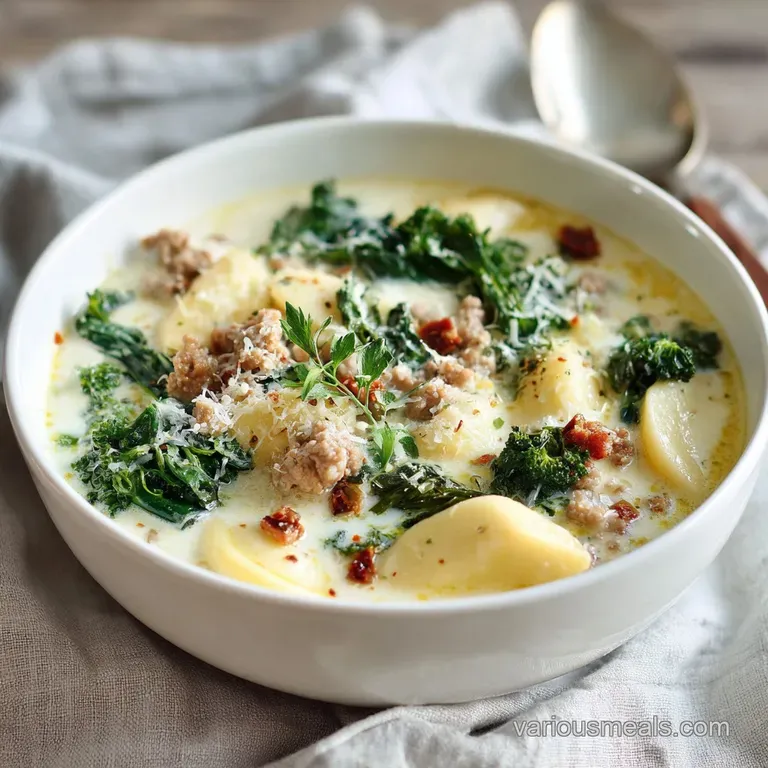
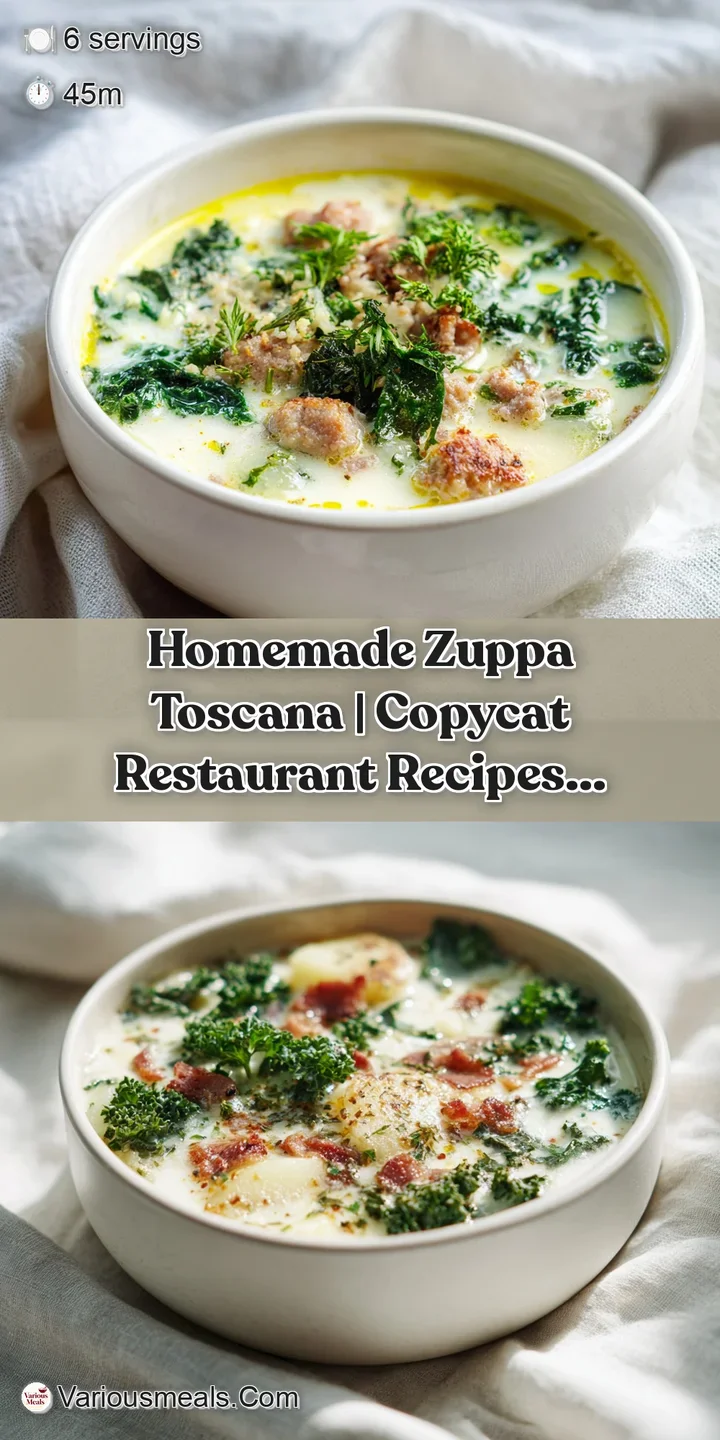
- Time: Active 15 minutes, Passive 30 minutes, Total 45 minutes
- Flavor/Texture Hook: Velvety cream base with spicy sausage crumbles and tender crisp kale
- Perfect for: Cozy family Sunday dinners or impressing guests with a restaurant standard classic
- Mastering the Olive Garden Zuppa Toscana
- Why Most Recipes Fail the Texture Test
- Understanding the Role of Key Ingredients
- Components Needed for the Perfect Pot
- Essential Tools for Soup Success
- The Precise Cooking Process Stepwise
- Professional Tips and Common Pitfalls
- Creative Twists and Ingredient Swaps
- Preservation and Storage Secrets
- Presentation Tips for the Table
- CRITICAL: Very High in Sodium
- Recipe FAQs
- 📝 Recipe Card
Mastering the Olive Garden Zuppa Toscana
Have you ever sat down with a bowl of soup, expecting that rich, restaurant style comfort, only to find a sad, watery broth with potatoes that have turned into grainy mush? It’s a heartbreaker.
I remember the first time I tried to recreate this at home; I thought I could just throw everything in a pot and hope for the best. The result was a greasy mess where the kale was slimy and the sausage felt like rubber.
It was a complete failure that taught me one vital lesson: this dish isn't about the ingredients alone, it’s about the order of operations.
The real secret to a spectacular olive garden zuppa toscana lies in the texture of the potatoes and the "fond" those little brown bits stuck to the bottom of your pot. When you get it right, the broth isn't just liquid; it’s a silky, emulsified sauce that coats the back of your spoon.
The spicy sausage should have a bit of a bite, the bacon needs to offer a smoky crunch, and the kale should still look vibrant and green, not like something pulled from a pond.
In this guide, we are going to fix the common mistakes like overcooking the greens or using the wrong starch profile. We’ll walk through the process of building deep flavor layers that make this soup taste like it’s been simmering for eight hours, even though we’re going to knock it out in just 45 minutes.
Grab your favorite heavy bottomed pot, and let's get into how we transform humble russets and cream into something truly legendary.
Why Most Recipes Fail the Texture Test
The biggest pitfall in most homemade versions is the potato choice. People often reach for waxy red potatoes thinking they’ll hold their shape better, but that’s actually a mistake for this specific flavor profile.
You need the starch from a Russet to slightly slough off into the broth, acting as a natural thickener. Without that starch, your soup stays thin and never achieves that signature velvety mouthfeel.
Another massive error is adding the cream and kale too early. If you boil heavy cream for twenty minutes, you risk it breaking or losing its fresh, dairy sweetness. Kale, on the other hand, is a tough green, but it’s not invincible.
If it’s boiled into submission, it loses its structural integrity and turns a dull, unappetizing brown. We want that "shatter" of freshness against the soft potato.
Starch Integration: The 680g of sliced Russet potatoes release just enough amylose to thicken the 1.4 liters of bone broth without turning it into a puree.
Fat Emulsification: By sautéing the aromatics in the 2 tablespoons of rendered bacon fat, we create a stable base that allows the heavy cream to meld perfectly with the chicken broth.
Fond Extraction: Deglazing the pot with the bone broth pulls up the caramelized proteins from the 454g of spicy sausage, which provides the primary seasoning for the entire liquid base.
| Thickness | Internal Temp | Rest Time | Visual Cue |
|---|---|---|---|
| Sausage Crumbles | N/A | 5 mins | Mahogany brown and crispy edges |
| Bacon Diced | N/A | 2 mins | Golden brown and rigid |
| Potato Slices (6mm) | N/A | None | Fork slides in with zero resistance |
Selecting the right meat is half the battle when you want to replicate that restaurant depth. While you can use mild sausage, the spicy Italian variety provides the necessary acidity and heat to cut through the 355ml of heavy whipping cream.
If you skip the spicy version, the soup can often taste one dimensional and overly fatty.
Understanding the Role of Key Ingredients
Every component in this soup serves a functional purpose beyond just flavor. We aren't just adding garlic because it smells good; we're using it to bridge the gap between the spicy meat and the earthy greens. The onion provides a subtle sweetness that balances the saltiness of the 113g of thick cut bacon.
Using a high-quality bone broth instead of a standard stock is another "secret" that adds collagen, giving the soup a much fuller body.
| Ingredient | Science Role | Pro Secret |
|---|---|---|
| Russet Potatoes (680g) | Starch Source | Slice them into 6mm half moons so they cook evenly but don't dissolve. |
| Heavy Cream (355ml) | Fat/Emulsifier | Add it at the very end to maintain the protein structure and prevent curdling. |
| Spicy Italian Sausage (454g) | Flavor Foundation | Brown it until it's almost "too dark" that's where the umami lives. |
The choice of kale also matters more than you might think. Curly kale is the traditional choice because its crannies and folds act like little "flavor pockets" that trap the creamy broth.
If you use Lacinato (dino) kale, the texture will be smoother but you'll lose that slightly bouncy, ruffled feel that defines the classic experience.
Components Needed for the Perfect Pot
To get started, make sure your mise en place is ready. This soup moves fast once the liquid hits the pot, so having your potatoes sliced and your kale de stemmed is essential. We are looking for a balance of textures: the "snap" of the kale, the "softness" of the potato, and the "chew" of the sausage.
- Spicy Italian Sausage (454g): Bulk is easiest, but if you have links, just squeeze the meat out of the casings. Why this? The fennel and chili flakes in the meat season the whole broth.
- Thick cut Bacon (113g): Diced small. Why this? It provides smoky fat that helps soften the onions beautifully.
- Yellow Onion (1 large): Finely diced to disappear into the base.
- Garlic (4 cloves): Minced fresh; please don't use the jarred stuff here!
- Red Pepper Flakes (1 tsp): For that back of-the throat warmth.
- Russet Potatoes (680g): Scrubbed well, halved lengthwise, and sliced thin.
- Chicken Bone Broth (1.4 Liters): Look for one with at least 9g of protein per serving.
- Kosher Salt (1 tsp) & Black Pepper (1/2 tsp): Adjust to your taste at the end.
- Heavy Whipping Cream (355ml): Full fat is non negotiable for the right texture.
- Fresh Curly Kale (3 cups): Stems removed and torn into bite sized pieces.
For a different texture profile, you might want to try my Potato Soup recipe which uses a blending technique for a smoother finish, but for this zuppa, we want those distinct slices.
| Original Ingredient | Substitute | Why It Works |
|---|---|---|
| Heavy Cream | Full fat Coconut Milk | Provides similar fat levels; Note: Adds a faint tropical note. |
| Spicy Sausage | Ground Turkey + Fennel/Chili | Leaner option; requires 1 tbsp extra oil for sautéing. |
| Russet Potatoes | Cauliflower Florets | Low carb swap; reduce simmering time by 10 minutes to avoid mush. |
The heavy cream is the soul of this dish, but if you are looking to lighten it up, you can use half and half. Just be aware that the soup will be thinner and won't have that signature "coat the-spoon" quality that makes the garden zuppa toscana so famous.
Essential Tools for Soup Success
You don't need a kitchen full of gadgets, but a heavy bottomed pot is the most important tool here. A cast iron Dutch oven is my go to because it holds heat incredibly well. This ensures that when you drop in the cold potatoes or the broth, the temperature doesn't plummet, which helps in maintaining a consistent simmer.
A good slotted spoon is also vital. You’ll be removing the sausage and bacon to keep them from getting rubbery while the potatoes simmer, and you want to leave as much of that liquid gold (the fat) in the pot as possible. Finally, a sharp chef's knife makes quick work of those Russets.
If the slices aren't uniform, some will turn to mash while others stay crunchy, which is the ultimate zuppa sin.
The Precise Cooking Process Stepwise
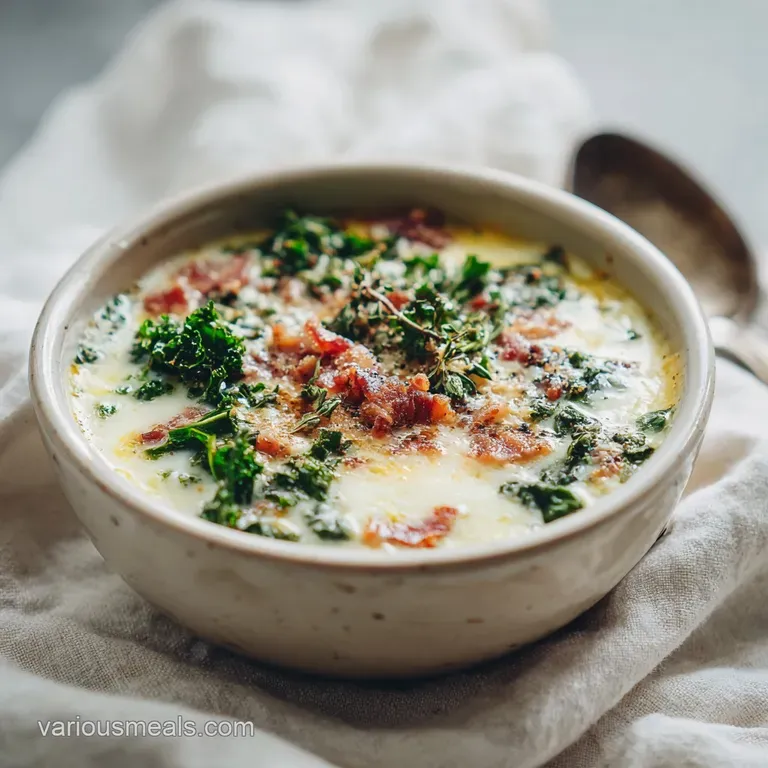
- Heat your Dutch oven over medium high heat and add the 454g of spicy Italian sausage.
- Break the meat into small crumbles using a wooden spoon. Cook until mahogany colored and crispy, which usually takes about 8 minutes.
- Remove the sausage with a slotted spoon and set aside on a paper towel lined plate.
- Add the 113g of diced bacon to the same pot. Fry until the fat has rendered and the bacon is rigid, about 5-6 minutes.
- Remove the bacon, but keep about 2 tablespoons (30ml) of the fat in the pot; discard any excess.
- Turn the heat down to medium and toss in the diced yellow onion. Sauté for 5 minutes until translucent and soft.
- Add the minced garlic and 1 tsp of red pepper flakes. Cook for exactly 60 seconds until you can smell the garlic clearly.
- Pour in the 1.4 liters of chicken bone broth. Use your spoon to scrape up all the brown bits from the bottom.
- Add the 680g of sliced potatoes, 1 tsp salt, and 1/2 tsp pepper.
- Bring to a boil, then lower to a simmer. Cook for 15-20 minutes until the potatoes are fork tender but still holding their shape.
- Pour in the 355ml of heavy cream and add the 3 cups of torn kale.
- Return the cooked sausage and bacon to the pot. Simmer for a final 3-5 minutes until the kale is bright green and tender.
Professional Tips and Common Pitfalls
One mistake I see constantly is people "crowding" the pan during the sausage browning phase. If you put too much meat in at once, it steams rather than sears. You want that hard sear because it creates the deep, caramelized flavors that define this soup. Work in batches if your pot isn't wide enough.
Also, don't be afraid of the red pepper flakes. The cream will mellow out much of the heat, so that extra teaspoon is what keeps the dish from tasting flat.
Another pro tip: check your potatoes at the 12 minute mark. Depending on how thin you sliced them, they can go from "perfect" to "disintegrating" in a matter of two minutes. You want them to have just a tiny bit of resistance when you poke them with a fork, as they will continue to cook slightly in the residual heat once the cream is added.
Fixing a Broken Broth Texture
If you find that your soup looks "broken" or oily on top, it’s usually because the heat was too high when the cream was added. To fix this, you can take a small ladle of the broth, whisk it with a teaspoon of cornstarch in a separate bowl, and then stir it back into the pot.
This helps emulsify the fats and liquids back into a smooth sauce.
Managing the Grease Level
Italian sausage can be very fatty. If you notice a thick layer of orange oil floating on top after browning the meat, don't be afraid to skim it off. We want flavor, not a grease slick. Leaving exactly 2 tablespoons of fat for the onions is the "sweet spot" for a rich but clean tasting broth.
Balancing the Final Seasoning
Always taste your soup after adding the cream and the kale. The kale has a slight bitterness that might require an extra pinch of salt to balance. If the soup feels too "heavy," a tiny squeeze of fresh lemon juice or a teaspoon of apple cider vinegar right before serving can brighten the whole thing up instantly.
| Problem | Root Cause | Solution |
|---|---|---|
| Mushy Potatoes | Simmered too long or sliced too thin | Check at 12 mins; stop simmering as soon as fork tender. |
| Oily Surface | Too much rendered fat left in pot | Skim the surface with a wide spoon before adding cream. |
| Bland Broth | Under browned meat or low quality stock | Sear meat to dark brown; use bone broth for more minerals. |
- ✓ Pat the sausage dry with a paper towel if it’s very moist before browning.
- ✓ Ensure the broth is at a gentle simmer, not a rolling boil, when adding cream.
- ✓ Remove the center ribs from the kale leaves to avoid woody, tough bites.
- ✓ Slice potatoes into half moons rather than rounds for better spoon fit.
- ✓ Let the soup sit for 5 minutes off the heat before serving to thicken naturally.
Creative Twists and Ingredient Swaps
If you are looking to change things up, this base is incredibly forgiving. For a "Classic vs. Fast" comparison, the stovetop method we've used here is the gold standard for texture.
However, the crockpot method works well if you're out for the day just add the cream and kale at the very end to prevent them from turning into a grey mess.
| Method | Time | Texture | Best For |
|---|---|---|---|
| Stovetop | 45 minutes | Crispy meat, tender crisp kale | Maximum flavor control |
| Crock Pot | 6 hours | Very soft potatoes, deep melded flavor | Busy workdays |
| Instant Pot | 30 minutes | Unified flavor, softer potatoes | Last minute dinner |
If you want a different protein experience, you can use the browning techniques from my Beef Stir Fry recipe to sear sliced steak instead of sausage, though you'll need to add a bit of fennel seed to keep that "Italian" vibe.
Zuppa Toscana Crock Pot Recipe
To adapt this for a slow cooker, brown the sausage and bacon on the stove first (don't skip this step, or the texture will be grey and boiled). Place the meat, onions, garlic, potatoes, and broth into the slow cooker. Cook on low for 5-6 hours.
In the last 30 minutes, stir in the heavy cream and kale. This gives the potatoes a much softer, almost buttery consistency that some people actually prefer over the stovetop version.
Low Carb and Keto Variations
For those watching their carb intake, the potatoes are the main hurdle. Swap them for cauliflower florets or sliced radishes. Radishes sounds strange, I know, but when boiled, they lose their peppery bite and take on a texture almost identical to a red potato.
It's a "chef's secret" that has saved many keto dinners in my house.
Preservation and Storage Secrets
This soup actually tastes better the next day because the flavors have more time to marry. However, the potatoes will continue to absorb liquid as they sit in the fridge, so you might find the soup much thicker the following afternoon.
Storage: Keep it in an airtight container in the fridge for up to 4 days. When reheating, do it gently on the stovetop over medium low heat. If you microwave it on high, the cream can separate and the kale will lose its color.
Zero Waste Tip: Don't throw away those kale stems! While they are too tough for the soup, you can finely dice them and sauté them into an omelet the next morning, or toss them into a freezer bag with other veggie scraps to make your own homemade broth later.
The potato peels, if you choose to peel them, can be tossed in a little oil and salt and air-fried for 10 minutes to make a crispy snack.
Freezing: I generally don't recommend freezing this soup because of the heavy cream and the potatoes. Potatoes tend to become grainy and "mealy" when thawed, and the cream can split into a watery mess. If you must freeze it, do so before adding the cream and kale.
Then, just add those fresh components when you reheat the base.
Presentation Tips for the Table
Presentation is where you can really make this feel like a restaurant experience. Serve this in wide, shallow bowls rather than deep mugs. This allows the colorful kale and the crispy bacon bits to stay visible on the surface rather than sinking to the bottom.
I love to top each bowl with a generous grating of fresh Parmesan cheese and an extra sprinkle of black pepper. If you have any leftover bacon bits, save a few to sprinkle on top right at the end for an extra "crunch" factor.
Serve it alongside some warm, crusty bread or even some garlic breadsticks to stay true to the inspiration. The bread is essential for mopping up every last drop of that velvety broth.
Debunking Soup Myths
One common myth is that you need to peel the potatoes. Honestly, if you scrub them well, the skins add a rustic look and extra nutrients. Another myth is that you can't overcook kale. You absolutely can!
Kale contains sulfur compounds that, when boiled too long, can start to smell and taste a bit "cabbagy." Keep that final simmer to under 5 minutes to keep it sweet and tender.
Searing the meat does not "seal in the juices" that's a kitchen legend. What it actually does is create the Maillard reaction, developing hundreds of new flavor compounds that a simple boiled sausage simply doesn't have. That brown crust is where the soul of your olive garden zuppa toscana truly lives.
Trust the process, take your time with the browning, and you'll have a result that’s better than any takeout. Enjoy every spoonful!
CRITICAL: Very High in Sodium
1645 mg 1645 mg of sodium per serving (72% 72% of daily value)
The American Heart Association recommends limiting sodium intake to 2,300mg per day, with an ideal limit of 1,500mg for most adults.
Tips to Reduce Sodium
-
Choose Low-Sodium Broth-30%
Replace the 6 cups of high-quality chicken bone broth with low-sodium or no-salt added chicken bone broth. This is the biggest contributor to sodium.
-
Opt for Lower Sodium Bacon-25%
When choosing bacon, look for labels that specify reduced sodium or no-salt added bacon. This can significantly lower the overall sodium content.
-
Select Lower Sodium Sausage-25%
Switch to a low-sodium or reduced sodium Spicy Italian Sausage. Many brands offer lower sodium options without compromising flavor.
-
Reduce Added Salt-25%
Decrease the 1 tsp of Kosher salt to 1/4 tsp or omit it entirely, especially if using a lower sodium broth and bacon.
-
Boost Flavor with Herbs and Spices
Enhance the flavor profile by adding more fresh or dried herbs like rosemary, thyme, or oregano, and increase black pepper. Ensure your spices are not seasoned with salt.
-
Careful with Red Pepper Flakes
While not typically high in sodium, ensure your red pepper flakes are pure and do not have added salt. If you find them too spicy, adjust to your preference.
Recipe FAQs
What is in the Zuppa Toscana at Olive Garden?
This recipe features a blend of spicy Italian sausage, thick cut bacon, yellow onion, minced garlic, and red pepper flakes. The base is built with high-quality chicken bone broth and heavy whipping cream, finished with russet potatoes and fresh curly kale.
What is the most popular soup at Olive Garden?
Yes, Zuppa Toscana is consistently the most requested soup from their menu. Its combination of hearty potatoes, savory meats, and a creamy, spicy broth makes it a fan favorite for comfort dining.
What is the secret to a flavorful Zuppa Toscana?
The secret is effectively utilizing the fond left in the pot after browning your meat. By deglazing the Dutch oven with chicken bone broth after sautéing the aromatics, you incorporate all those browned, savory bits into the base for a much deeper flavor profile.
What makes Olive Garden's Zuppa Toscana unique?
It stands out due to the specific layering of fat and texture. By using rendered bacon fat to sauté the onions and garlic, you create a velvety, emulsified foundation that balances perfectly against the spicy kick of the sausage and the crisp tender bite of fresh kale.
How to prevent the potatoes from turning into mush?
Slice your russet potatoes into uniform 1/4 inch half moons and monitor the simmer time closely. Keeping the simmer to 15-20 minutes ensures the potatoes are fork tender without breaking down, similar to how we manage starch integrity in our creamy garlic potatoes.
Is it true I should boil the kale for a long time to soften it?
No, this is a common misconception. You only need to simmer the kale for 3-5 minutes at the very end of the cooking process so it stays vibrant and retains a pleasant, tender crisp texture rather than becoming slimy.
How to store leftovers properly?
Cool the soup completely before transferring it to an airtight container in the refrigerator. It keeps well for up to three days, but keep in mind that the potatoes may continue to absorb liquid, so you might need to add a splash of broth when reheating.
Homemade Zuppa Toscana
Ingredients:
Instructions:
Nutrition Facts:
| Calories | 618 calories |
|---|---|
| Protein | 19.5 g |
| Fat | 48.2 g |
| Carbs | 26.8 g |
| Fiber | 3.8 g |
| Sugar | 4.1 g |
| Sodium | 1645 mg |
