Honey Lemon Pepper Wings Recipe
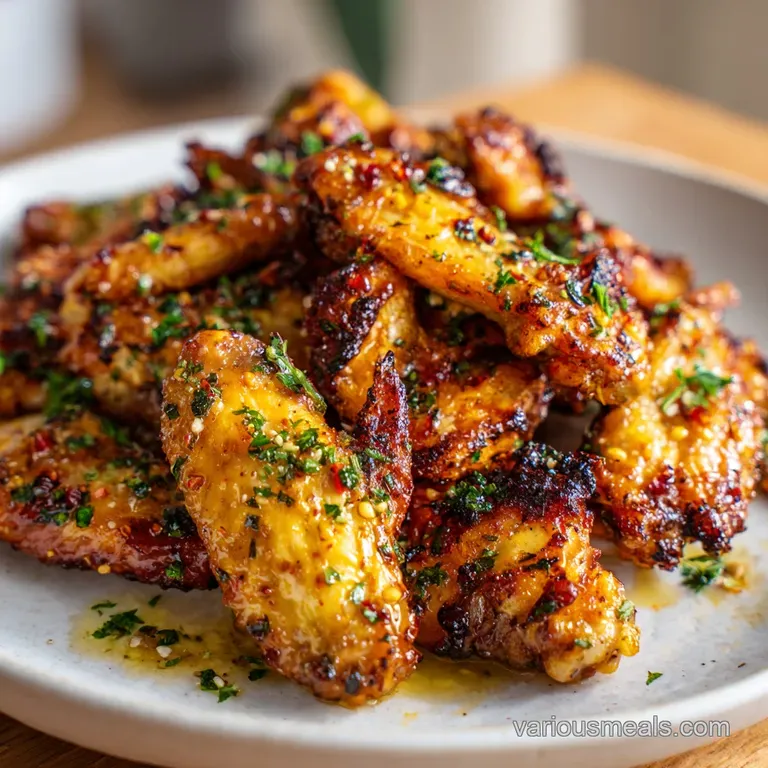
- Time: Active 15 minutes, Passive 45 minutes, Total 1 hour
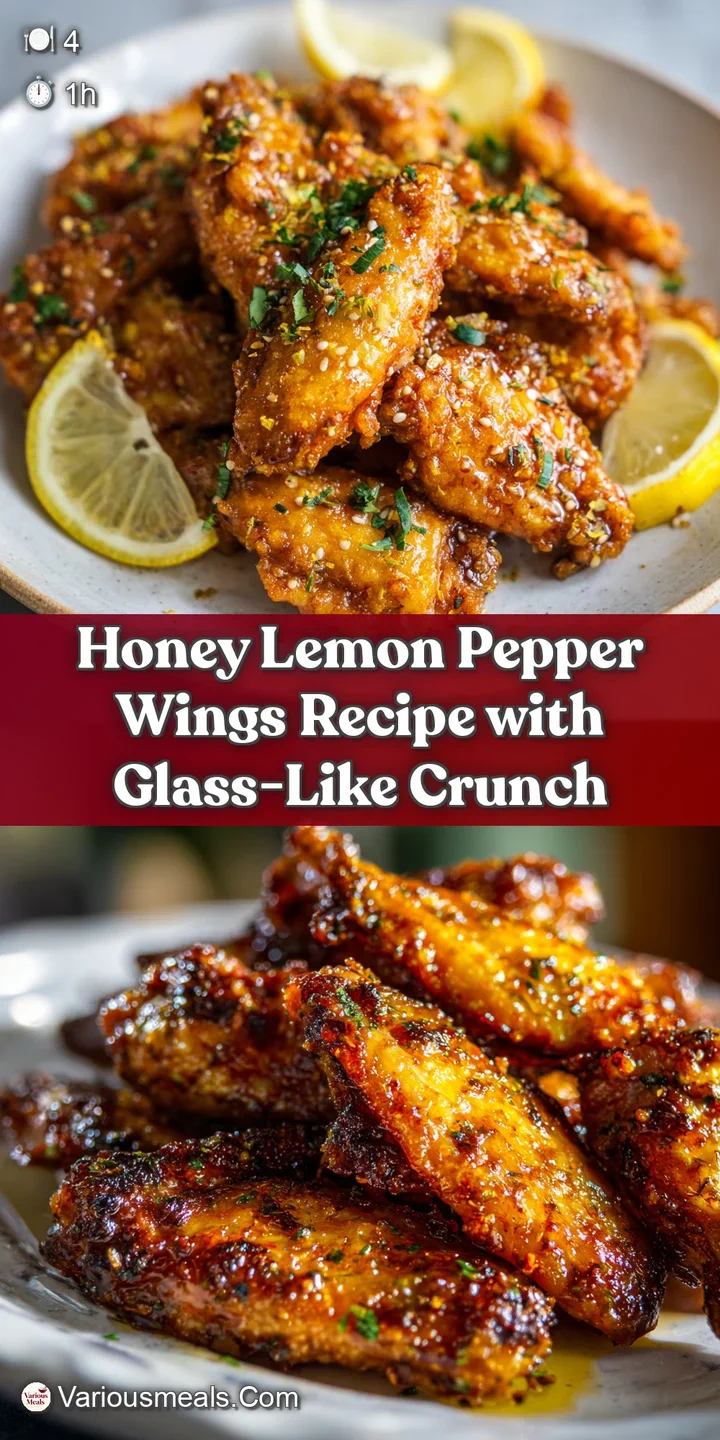
- Flavor/Texture Hook: Shattering crispy skin coated in a velvety, citrusy glaze.
- Perfect for: Family game nights, Sunday football, or a comforting weekend treat.
- Master the Ultimate Honey Lemon Pepper Wings
- Why This Traditional Flavor Hits
- Essential Stats for Wing Success
- Component Deep Dive and Analysis
- Essential Tools for Perfect Crunch
- Step-by-Step Guide to Golden Wings
- Fixing Common Wing Cooking Issues
- Creative Ways to Swap Flavors
- Myths About Oven Wings
- Keeping Your Leftovers Crispy
- Side Dishes for Family Feasts
- High in Sodium
- Recipe FAQs
- 📝 Recipe Card
Master the Ultimate Honey Lemon Pepper Wings
The sharp, pungent aroma of freshly cracked black pepper hitting a warm glaze is enough to make anyone stop in their tracks. I remember the first time I served these at a family reunion.
My uncle, a man who usually keeps his culinary opinions to himself, actually put down his fork and asked if I’d opened a secret wing shop. The kitchen was filled with that bright, citrusy scent of lemon zest and the deep, earthy sweetness of wildflower honey. It felt like the ultimate comfort food success.
We have all been there, biting into a wing that looks golden but ends up being rubbery or sad. I spent months making those mistakes so you don’t have to. These Honey Lemon Pepper Wings are about the contrast between a skin that shatters like glass and a sauce that feels like a warm hug.
It is a traditional favorite in our house, especially when we want something that feels a bit more special than the usual takeout. Trust me, once you hear that first crunch, there is no going back.
You might be wondering if you can really get that restaurant style texture in a standard home oven. The answer is a resounding yes, but it requires a little bit of kitchen chemistry. We are moving away from heavy batters and focusing on how the skin reacts to heat and air.
By the time we are done, you will have a pile of wings that stay crispy even after they are tossed in that sticky, golden glaze. Let's get into what makes this work so well.
Why This Traditional Flavor Hits
The combination of fat, acid, and heat is a classic culinary trio, but here we add a fourth element: texture. Most people struggle with wings because the sauce makes the skin soggy almost immediately. We solve that by building layers of flavor that actually protect the crunch rather than destroying it.
It is a balance that turns a simple snack into a real family meal.
- The pH Shift: Baking powder raises the skin's pH, which allows the proteins to break down more efficiently and creates tiny bubbles for a lighter crunch.
- Cold Butter Emulsion: Adding chilled butter to the warm honey sauce creates a velvety coating that stays thick instead of sliding off the meat.
- Two Phase Peppering: Using pepper in both the dry rub and the glaze ensures a deep, earthy heat that lingers without being overwhelming.
- Zest Timing: Adding lemon zest at the very end preserves the volatile oils, giving you a bright aroma that hasn't been muted by high heat.
| Wing Thickness | Internal Temp | Rest Time | Visual Cue |
|---|---|---|---|
| Small/Medium | 165°F | 3 mins | Skin looks tight and golden |
| Large/Jumbo | 175°F | 5 mins | Bone pulls away easily |
| Extra Large | 185°F | 5 mins | Juices run completely clear |
Using a higher internal temperature for wings, around 175°F to 185°F, actually helps break down the connective tissue. This makes the meat fall off-the bone tender while the high heat handles the exterior.
If you pull them too early, the meat can feel a bit "snappy" rather than succulent.
Essential Stats for Wing Success
When you are aiming for that perfect balance, knowing the "how" behind your ingredients is just as important as the "what." We aren't just tossing things in a bowl; we are creating a chemical reaction on the surface of the chicken.
The goal is to remove moisture from the skin while keeping the meat underneath as juicy as possible. This is the hallmark of traditional comfort food done right.
| Ingredient | Science Role | Pro Secret |
|---|---|---|
| Baking Powder | Skin Dehydrator | Use aluminum free to avoid a metallic aftertaste. |
| Wildflower Honey | Viscosity Agent | Warm it slightly before mixing to help it emulsify with the butter. |
| Black Pepper | Flavor Catalyst | Use a coarse grind to provide physical texture and "pop." |
| Fresh Lemon | Acid Balancer | Zest the lemon before juicing to get the most surface area. |
Choosing the right honey can actually change the entire profile of the dish. I prefer wildflower honey because it has those floral notes that play so well with the lemon. If you find yourself wanting a bit more kick in your sauce rotation, you might find that the heat profile in my Mango Habanero Honey recipe provides a similar sticky satisfaction with a tropical twist.
Component Deep Dive and Analysis
To make these Honey Lemon Pepper Wings, you will need to gather a few specific items. Each one plays a part in that final, glorious bite.
- 2 lbs chicken wings: Flats and drumettes separated. Why this? Separating them ensures even airflow and easier eating during family meals.
- 1 tbsp aluminum free baking powder: This is the secret to the crunch. Why this? It mimics the effects of deep frying by drying out the skin.
- 1 tsp kosher salt: Use a coarse grain for better coverage.
- 1 tbsp coarsely cracked black pepper: The star of the dry rub.
- 1 tsp garlic powder: Adds a savory baseline to the spice mix.
- 0.5 cup wildflower honey: For that signature sticky sweetness.
- 2 tbsp vinegar based hot sauce: Adds acidity and a gentle hum of heat.
- 0.25 cup unsalted butter: Must be cubed and chilled. Why this? Cold butter creates a smooth, emulsified sauce that clings to the wings.
- 2 tbsp fresh lemon juice: Provides the necessary brightness.
- 1 tbsp fresh lemon zest: For the aromatic finish.
- 1 tsp cracked black pepper: For the glaze specifically.
- 0.5 tsp red pepper flakes: Adds a visual pop and a second layer of heat.
| Original Ingredient | Substitute | Why It Works |
|---|---|---|
| Wildflower Honey | Maple Syrup | Thinner glaze but adds a lovely woody, autumnal sweetness. |
| Unsalted Butter | Ghee | Same fat content but allows for a nuttier, toasted flavor. |
| Baking Powder | Cornstarch | Creates a smooth, crispy shell. Note: Less "bubbly" than baking powder. |
If you are out of fresh lemons, you can use a high-quality bottled juice, but you will miss out on the zest. The zest is really where that "lemon pepper" identity comes from. Without it, the dish leans more toward a honey pepper profile, which is still good, but not quite the traditional experience we are after.
Essential Tools for Perfect Crunch
You don't need a professional kitchen to make these, but a few specific tools make the process much smoother. The most important thing is airflow. If your wings are sitting in their own juices, they will never get crispy.
They will just boil in a puddle of chicken fat, which is the opposite of what we want for our Honey Lemon Pepper Wings.
I highly recommend using a large rimmed baking sheet lined with a sturdy wire cooling rack. This allows the hot air to circulate under the wings, crisping them from all sides simultaneously. You will also want a large stainless steel bowl for tossing.
Plastic bowls can sometimes retain oily smells from previous meals, and we want that lemon scent to be as pure as possible.
Chef's Tip: Freeze your butter for 10 minutes before cubing it. This ensures it stays cold enough to emulsify into the sauce properly, creating that velvety sheen we love.
step-by-step Guide to Golden Wings
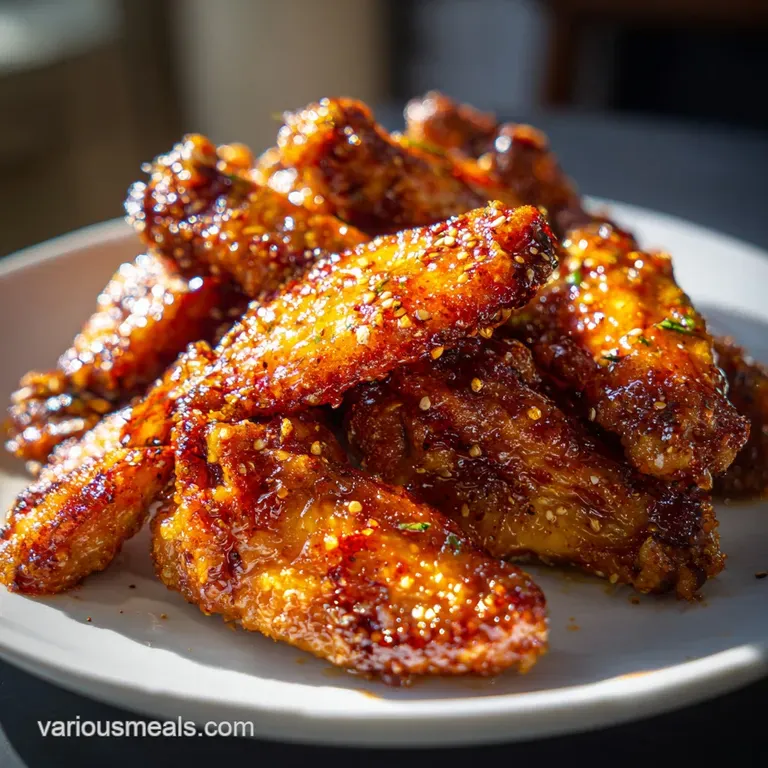
- Dry the chicken. Use paper towels to pat the 2 lbs of wings completely dry. Note: Moisture is the enemy of the crunch.
- Mix the rub. Combine the baking powder, kosher salt, 1 tbsp black pepper, and garlic powder in a small bowl.
- Coat the wings. Toss the wings in the dry rub until every inch is lightly dusted.
- Arrange for air. Place wings on a wire rack over a baking sheet, leaving space between each piece.
- Roast to perfection. Bake at 400°F (200°C) for 45 minutes until the skin is brown and crackling.
- Simmer the base. While wings cook, heat the wildflower honey and hot sauce in a small saucepan over low heat.
- Emulsify the sauce. Whisk in the chilled, cubed butter one piece at a time until the glaze is thick and velvety.
- Finish the flavor. Stir in the lemon juice, zest, 1 tsp pepper, and red pepper flakes.
- Toss while hot. Transfer the roasted wings to a large bowl and pour the warm glaze over them.
- Serve immediately. Toss gently until the wings are fully lacquered in gold.
The Science of Shatter Skin
When the baking powder hits the moisture on the skin, it creates carbon dioxide. These tiny gas bubbles get trapped as the skin dehydrates in the oven. The result is a surface area that is physically larger and more textured, which gives your teeth more "crunch points" to hit.
It's the same principle used in high end tempura batters.
Why Lemon Zest Stays Fresh
The oils in lemon zest are very delicate. If you boil the zest in the honey for too long, those oils evaporate or turn bitter. By whisking the zest in at the very end, after the heat is turned off, you lock in that bright, floral aroma that defines this dish.
It provides a sharp contrast to the deep, earthy heat of the cracked pepper.
Fixing Common Wing Cooking Issues
Even the best cooks run into trouble sometimes. The most common heartbreak with wings is the "soggy bottom." This usually happens when the oven isn't hot enough or the wings weren't dried properly.
If your kitchen starts smelling like a sauna rather than a roast, you might need to check your ventilation or wipe down the chicken more thoroughly.
Why Your Wings Are Soggy
If the skin isn't shattering, it's likely due to steam. This happens if the wings were crowded on the pan or if you skipped the patting dry step. Another culprit is using too much baking powder, which can lead to a weird texture. Always measure carefully.
| Problem | Root Cause | Solution |
|---|---|---|
| Rubbery Skin | Oven temp too low | Increase heat to 400°F and ensure the rack is in the top third. |
| Bitter Glaze | Burnt lemon zest | Add zest after removing the sauce from the heat source. |
| Sauce Sliding Off | Butter too warm | Use chilled butter and whisk vigorously to create an emulsion. |
Common Mistakes Checklist
- ✓ Never skip the wire rack; wings need 360 degree airflow to crisp.
- ✓ Don't use "double acting" baking powder with aluminum; it tastes like a nickel.
- ✓ Avoid tossing the wings in the sauce until the very second you are ready to eat.
- ✓ Ensure your oven is fully preheated for at least 15 minutes before the wings go in.
- ✓ Use freshly cracked pepper rather than the pre ground dust for better flavor.
Creative Ways to Swap Flavors
If you want to vary the experience, this recipe is a fantastic base. For fans of the classics, I often rotate these with The Buffalo Chicken recipe, which uses a similar roasting technique but swaps the honey for a vinegar heavy cayenne punch. It's all about how you layer those final flavors.
Scaling for Big Groups
- For a Crowd (2x-4x): Increase the wings and baking powder proportionally, but keep the salt and spices to 1.5x the original amount to avoid over seasoning. Work in batches to avoid overcrowding your oven.
- Small Batch (1/2): Reduce the bake time by about 5 to 8 minutes as smaller loads often cook faster in a convection environment.
- Spice Adjustment: If you want more heat, increase the red pepper flakes or use a habanero based hot sauce, but keep the honey the same to maintain the glaze's structural integrity.
| Method | Time | Texture | Best For |
|---|---|---|---|
| Standard Oven | 45 minutes | Uniformly crispy | Large family batches |
| Air Fryer | 25 minutes | Extra shattered skin | Smaller portions/Quick cravings |
| Convection | 35 minutes | Deeply browned | Professional results |
Myths About Oven Wings
Myth: You must fry wings for them to be crispy. Truth: High heat combined with a drying agent like baking powder can produce a skin that is just as crispy, if not crispier, than deep fried versions.
The baking powder changes the chemistry of the skin, which is something frying alone doesn't do as effectively.
Myth: Adding sauce to the oven makes them better. Truth: Putting honey based sauces on wings before they are done usually results in burnt sugar and soggy skin. The "toss at the end" method is the traditional way to ensure the meat stays succulent and the exterior stays crunchy.
Keeping Your Leftovers Crispy
Store any leftover Honey Lemon Pepper Wings in an airtight container in the fridge for up to 3 days. To reheat, avoid the microwave at all costs! It will turn your beautiful wings into a soggy, chewy mess.
Instead, put them back on a wire rack in a 350°F (180°C) oven for about 10 to 12 minutes. This will revive the glaze and bring back most of the crunch.
For a zero waste tip, don't throw away the bones! You can toss them into a pot with some veggie scraps to make a deeply flavorful, slightly peppery chicken stock. The honey and lemon remnants in the marrow add a unique complexity to soups later in the week.
Side Dishes for Family Feasts
These wings are the star of the show, but every star needs a supporting cast. These wings go beautifully on a spread alongside my Honey Butter Chicken recipe, creating a cohesive theme of sweetness and savory depth. I also love serving them with cold, crisp celery sticks and a bowl of creamy gorgonzola dressing to cut through the honey.
If you are looking for a complete spread, a simple slaw with a vinegar dressing works wonders. The acidity of the slaw mirrors the lemon in the wings, while the crunch of the cabbage provides a nice contrast to the sticky glaze. It’s the kind of meal that brings everyone together, messy fingers and all.
"So, what about the mess?" you might ask. Honestly, that's half the fun. A pile of napkins and a plate of these wings is the definition of a successful family night. Let's crack on and get these in the oven!
High in Sodium
806 mg mg of sodium per serving (35% % of daily value)
The American Heart Association recommends limiting sodium intake to about 2,300mg per day for overall health.
Tips to Reduce Sodium in Your Chicken Wings
-
Reduce Added Salt-25%
The recipe uses 1 tsp of kosher salt for the wings. Reduce this amount by half or eliminate it altogether. Taste as you go and adjust other seasonings if needed to compensate for the flavor loss.
-
Choose Low Sodium Hot Sauce-20%
Vinegar based hot sauces can vary greatly in sodium content. Opt for a low-sodium version, or make your own homemade hot sauce to control the ingredients.
-
Enhance Lemon Flavor-10%
The recipe already includes lemon juice and zest. Increase the lemon juice and zest by 50% to enhance the tangy flavor and potentially reduce the need for salt.
-
Use Unsalted Butter Mindfully-5%
Make sure that the butter you are using is truly unsalted. Verify the nutrition label to ensure it contains 0mg of sodium.
-
Experiment with Herbs and Spices
Instead of relying on salt for flavor, experiment with other herbs and spices like smoked paprika, onion powder, or dried oregano. These add depth of flavor without adding sodium.
Recipe FAQs
What are the ingredients in honey lemon pepper chicken wings?
Chicken wings, honey, lemon juice and zest, black pepper, baking powder, salt, garlic powder, hot sauce, and butter. The baking powder is key for crisping the skin before the sauce goes on. For a full flavor profile, ensure your pepper is coarsely cracked to maximize texture and flavor release.
What is the secret ingredient to crispy wings?
Aluminum free baking powder. This ingredient raises the pH level of the chicken skin, allowing it to dehydrate faster and achieve a light, shatteringly crisp exterior in the oven. If you enjoyed mastering this texture control, see how the same principle of surface dehydration works in our Apple Cinnamon Oatmeal recipe when aiming for a chewy edge.
What are some common mistakes to avoid when making lemon pepper wings?
Tossing the wings in sauce too early and overcrowding the baking sheet. Tossing early guarantees sogginess, and crowding traps steam, leading to rubbery skin. Always use a wire rack for 360-degree airflow, and toss immediately before serving.
What is hot honey and lemon good for?
They create a perfect flavor contrast of sweet, heat, and acid. The sweetness of the honey balances the pungent heat from the hot sauce, while the lemon’s acidity cuts through the fat of the chicken skin. This tartness brightens the whole dish, preventing it from becoming too heavy.
Should I use pre-ground pepper or freshly cracked pepper?
No, always use freshly cracked pepper. Pre-ground pepper loses its essential volatile oils quickly, resulting in a dull flavor. Coarsely cracked pepper provides both deep flavor and the necessary physical texture that defines a true lemon pepper crust.
How to keep the honey glaze from sliding off the wings?
Whisk in cold, cubed butter off the heat to emulsify the sauce. Adding cold butter slowly while whisking creates a thick, velvety emulsion that clings tightly to the crispy skin. This technique is similar to how you stabilize a vinaigrette; mastering the emulsion ensures a beautiful coating.
Can I substitute the honey with maple syrup for the glaze?
Yes, but the flavor profile will shift significantly. Maple syrup is thinner than honey, resulting in a less viscous glaze that may run more easily off the wings. Maple also brings a deeper, woodier sweetness, moving away from the floral notes the honey provides.
Honey Lemon Pepper Wings
Ingredients:
Instructions:
Nutrition Facts:
| Calories | 665 kcal |
|---|---|
| Protein | 39.4 g |
| Fat | 40.6 g |
| Carbs | 35.9 g |
| Fiber | 0.8 g |
| Sugar | 34.8 g |
| Sodium | 806 mg |
