Lamb Meatballs: Succulent & Herb-Infused
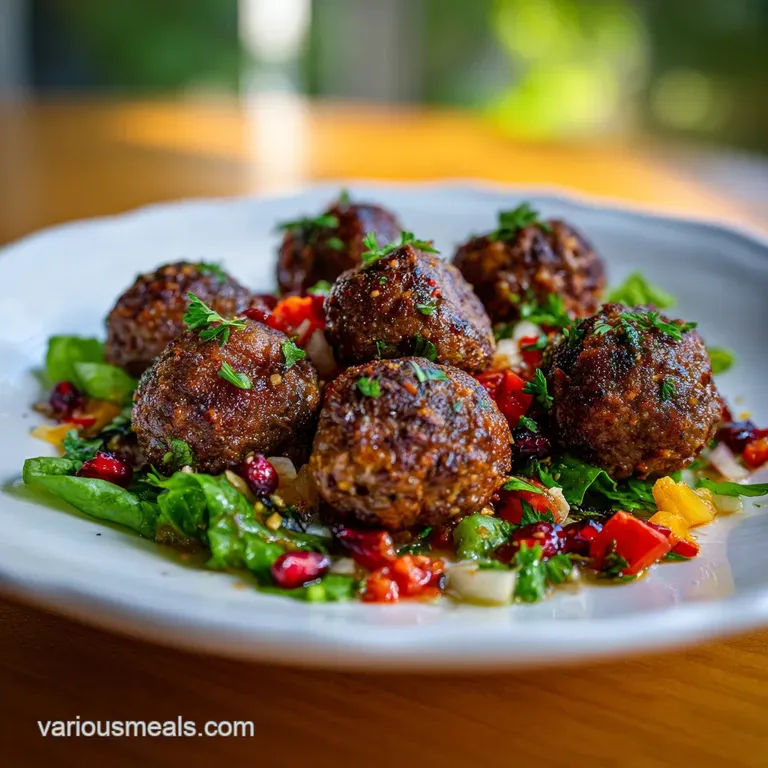
- Time: Active 15 minutes, Passive 15 minutes, Total 30 minutes
- Flavor/Texture Hook: Sizzled exterior with a velvety, herb infused center
- Perfect for: Approachable family dinners or a Mediterranean style mezze spread
- Crafting the Juiciest Homemade Lamb Meatballs for Your Table
- The Physical Science of Moisture and Fat Retention
- Important Benchmarks for Your Cooking Success
- The Component Deep Dive and Flavor Analysis
- Essential Tools for Seared and Juicy Results
- Bringing the Sizzle to Your Kitchen
- Ensuring Success by Avoiding Common Kitchen Pitfalls
- Smart Substitutions for Various Dietary Needs
- Proper Storage and Zero Waste Leftover Ideas
- Creating a Traditional Mediterranean Mezze Experience
- Recipe FAQs
- 📝 Recipe Card
Crafting the Juiciest Homemade Lamb Meatballs for Your Table
There is a specific sizzle that happens the second cold lamb hits a hot cast iron pan. It starts as a sharp hiss and quickly turns into that heavy, rhythmic popping that signals the fat is rendering.
I remember the first time I tried making these; I was so worried about them falling apart that I squeezed the meat until it was basically a hockey ball. It was a disaster tough, dry, and honestly a bit sad.
The secret I learned since then isn't about how hard you mix, but how little you touch the meat. You want those little pockets of air and fat to stay intact so they can melt during the cook.
We are aiming for a texture that almost melts on your tongue, contrasted by a deeply charred crust that offers a satisfying crunch before giving way to the tender interior.
We are going to walk through how to build these flavors in stages, from toasting your own seeds to that final hit of lemon zest that wakes everything up. If you've been disappointed by dry or bland meatballs in the past, trust me on this we are going to fix that today using a few simple chemistry tricks that professional chefs swear by.
The Physical Science of Moisture and Fat Retention
The Panade Interference: Mixing milk and panko creates a starch paste that physically wedges itself between protein strands, preventing them from tightening into a rubbery mass when heated.
Maillard Reaction Efficiency: Surface moisture is the enemy of a good crust, so we use over high heat olive oil to flash evaporate exterior water and trigger the browning of amino acids.
Thermal Carryover Management: Lamb is high in myoglobin and fat, meaning it continues to cook for several minutes after leaving the pan; pulling them early ensures a silky center.
Aromatic Infusion: Fat soluble compounds in cumin and coriander dissolve into the lamb fat during the sear, distributing the spice profile evenly through every bite.
| Cooking Style | Texture Result | Total Time | Best Use Case |
|---|---|---|---|
| Fast (Pan Sear) | Crispy, charred exterior | 15 minutes | Quick weeknight comfort meal |
| Classic (Baked) | Uniformly tender, soft | 18 minutes | Large batches for guests |
| Air Fryer | Extra crunchy, less oil | 12 minutes | Healthy, low fuss cleanup |
These different methods all yield great results, but the pan sear is my personal favorite because it creates that "shatter" effect on the crust that contrasts so well with the velvety inside. If you are serving a large family, you might find the baking method easier to manage all at once.
Important Benchmarks for Your Cooking Success
Before we start mixing, it's helpful to know exactly what "done" looks like. Lamb is much more forgiving than chicken, but it still has a sweet spot where the fats are fully rendered but the proteins haven't turned grainy.
| Meatball Size | Internal Temp | Rest Time | Visual Cue |
|---|---|---|---|
| 1.5 inch (Golf ball) | 160°F | 5 minutes | Juices run clear/pale |
| 1 inch (Appetizer) | 160°F | 3 minutes | Firm but gives slightly |
| 2 inch (Jumbo) | 160°F | 7 minutes | Deep mahogany brown crust |
Regardless of the size you choose, always remember that the residual heat is your friend. If you wait until they look completely "well done" in the pan, they will be overcooked by the time they hit the plate.
The Component Deep Dive and Flavor Analysis
Understanding why we use specific ingredients helps you become a more intuitive cook. It's not just about the list; it's about the role each item plays in the final architecture of the dish.
| Ingredient | Science Role | Pro Secret |
|---|---|---|
| 1 lb Ground Lamb (80/20) | Provides fat for flavor | Use 80/20 for maximum juiciness |
| 1/2 cup Panko | Structural moisture trap | Never use fine, dusty crumbs |
| 3 tbsp Whole milk | Hydrates the starches | Higher fat milk adds creaminess |
| 1 tsp Cumin seeds | Aromatic backbone | Toast them whole then crush |
Chef's Tip
Freeze your lamb for about 15 minutes before mixing. Keeping the fat cold prevents it from melting into the meat as you work it, which ensures a much lighter, airier texture once cooked.
Essential Tools for Seared and Juicy Results
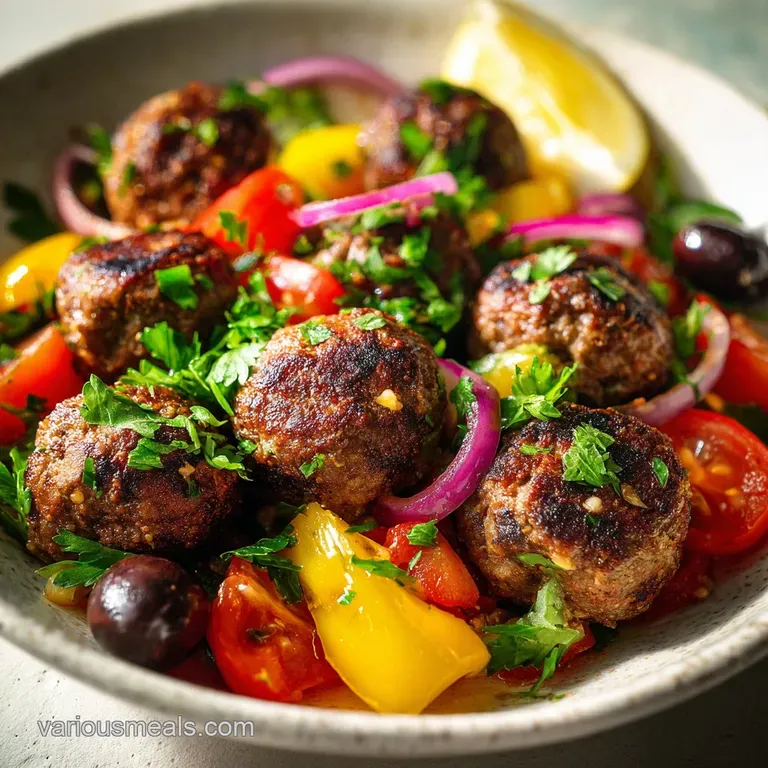
You don't need a professional kitchen, but a few specific items will make the process much smoother.
- Cast Iron Skillet: This is non negotiable for me. The heat retention is what gives you that beautiful, dark sear without overcooking the middle. A stainless steel pan works too, but avoid thin non stick pans if you want a real crust.
- Microplane Grater: Use this for the 3 cloves of garlic and the 1 tsp of lemon zest. Grating the garlic into a paste ensures it melts into the meat rather than leaving you with raw, crunchy bits.
- Digital Meat Thermometer: This takes the guesswork out of the 160°F target. It’s the difference between a "good" meatball and a "velvety" one.
- Small Cookie Scoop: This helps keep all 4 servings uniform, which means they all finish cooking at the exact same time.
Bringing the Sizzle to Your Kitchen
- Toast the seeds. Place 1 tsp cumin seeds in a dry pan over medium heat for 2 minutes until fragrant and slightly darkened.
- Hydrate the panko. In a large bowl, combine 1/2 cup panko with 3 tbsp whole milk. Note: This creates the "panade" that keeps things moist.
- Prepare the aromatics. Add 3 cloves of grated garlic paste, 1 tsp lemon zest, and the crushed cumin to the milk mixture.
- Incorporate the herbs. Fold in 1/4 cup fresh mint and 1/4 cup parsley. Note: Chop these very finely so they distribute evenly.
- Whisk the egg. Add 1 large lightly beaten egg, 1 tsp kosher salt, 1/2 tsp coriander, 1/2 tsp smoked paprika, and 1/2 tsp black pepper.
- Add the lamb. Gently crumble 1 lb ground lamb into the bowl.
- The gentle fold. Using your hands like a claw, mix the ingredients until just combined. Note: Do not over work the meat or it will become tough.
- Shape the balls. Form the mixture into 1.5 inch rounds.
- Heat the oil. Add 1 tbsp olive oil to your skillet over medium high heat.
- Sear the meatballs. Cook for 8-10 minutes, turning occasionally until a deep brown crust forms on all sides.
This process is remarkably similar to the technique used in our Orzo Pasta Salad recipe, where we focus on fresh herbs and bright acidity to balance out heavier elements.
Ensuring Success by Avoiding Common Kitchen Pitfalls
Most meatball failures happen in the first three minutes of the process. If you can get the texture of the raw mix right, the rest is just watching the clock.
To Fix a Sticky Mixture
If the mix feels too wet to hold its shape, it’s usually because the egg was very large or the lamb was extra lean. Don't just dump in more breadcrumbs. Instead, let the mixture sit in the fridge for 20 minutes.
The panko will continue to absorb the excess moisture, firming everything up without making the final result heavy.
To Prevent a Gray Exterior
If your meatballs look gray rather than brown, your pan wasn't hot enough or you overcrowded it. When you put too many meatballs in at once, the temperature drops and the meat begins to steam in its own juices. Work in two batches if you have to.
| Problem | Root Cause | Solution |
|---|---|---|
| Falling apart | Not enough binder | Ensure the egg is fully mixed in |
| Dry and grainy | Overcooked | Pull at 155°F and let carryover hit 160°F |
| Raw in middle | Heat too high | Lower heat and cover pan for 2 mins |
Common Mistakes Checklist
- ✓ Don't skip the resting period after cooking; it allows the proteins to relax and hold onto their juices.
- ✓ Pat the lamb dry with a paper towel if it looks wet before mixing.
- ✓ Grate the garlic instead of mincing it to avoid "hot spots" of raw garlic flavor.
- ✓ Keep your hands slightly damp when rolling to prevent the meat from sticking to your skin.
- ✓ Use a heavy bottomed pan to prevent uneven hot spots that burn the spice crust.
Smart Substitutions for Various Dietary Needs
I know sometimes you go to the pantry and realize you're out of panko or someone in the family can't do gluten. It happens to the best of us! Here is how to swap things out without losing that signature lamb meatballs recipe character.
| Original Ingredient | Substitute | Why It Works |
|---|---|---|
| Panko (1/2 cup) | Almond flour (1/2 cup) | High fat content keeps it moist. Note: Crumb will be slightly denser. |
| Whole milk (3 tbsp) | Plain yogurt (3 tbsp) | Adds a lovely tang. Note: Helps tenderize the meat further. |
| Fresh Mint | Fresh Dill | Provides a different Mediterranean profile. Note: Use half the amount. |
- If you want Maximum Crunch
- Use double the panko on the outside after rolling.
- If you want Lower Calories
- Use 90/10 lamb and add 1 tbsp grated zucchini for moisture.
- If you want Extra Depth
- Add 1 tsp of espresso powder to the spice mix.
Proper Storage and Zero Waste Leftover Ideas
These store beautifully, which is why I often double the batch. Keep them in an airtight container in the fridge for up to 4 days. When reheating, I highly suggest using an air fryer or a toaster oven rather than a microwave; the microwave will turn that beautiful crust soggy, while a dry heat source will crisp it right back up.
For freezing, place the raw or cooked meatballs on a baking sheet for 2 hours until hard, then transfer to a freezer bag. They will stay fresh for up to 3 months. To use up the scraps, I love crumbling leftover meatballs into a quick ragu or tossing them into a pita with some hummus and cucumber for a 5 minute lunch.
Even the herb stems shouldn't go to waste toss them into a bag in the freezer to make a lamb or beef stock later.
Creating a Traditional Mediterranean Mezze Experience
While these are great on their own, they really shine when part of a bigger spread. I usually serve them with a big dollop of tzatziki the cool yogurt and cucumber are the perfect foil for the warm, spiced lamb.
The Modern Comfort Bowl
Fill a bowl with warm quinoa or couscous, add a handful of roasted cherry tomatoes, and nestle 4-5 meatballs on top. Drizzle with a little extra virgin olive oil and a squeeze of lemon. It’s the kind of meal that feels like a hug in a bowl.
The Mezze Platter
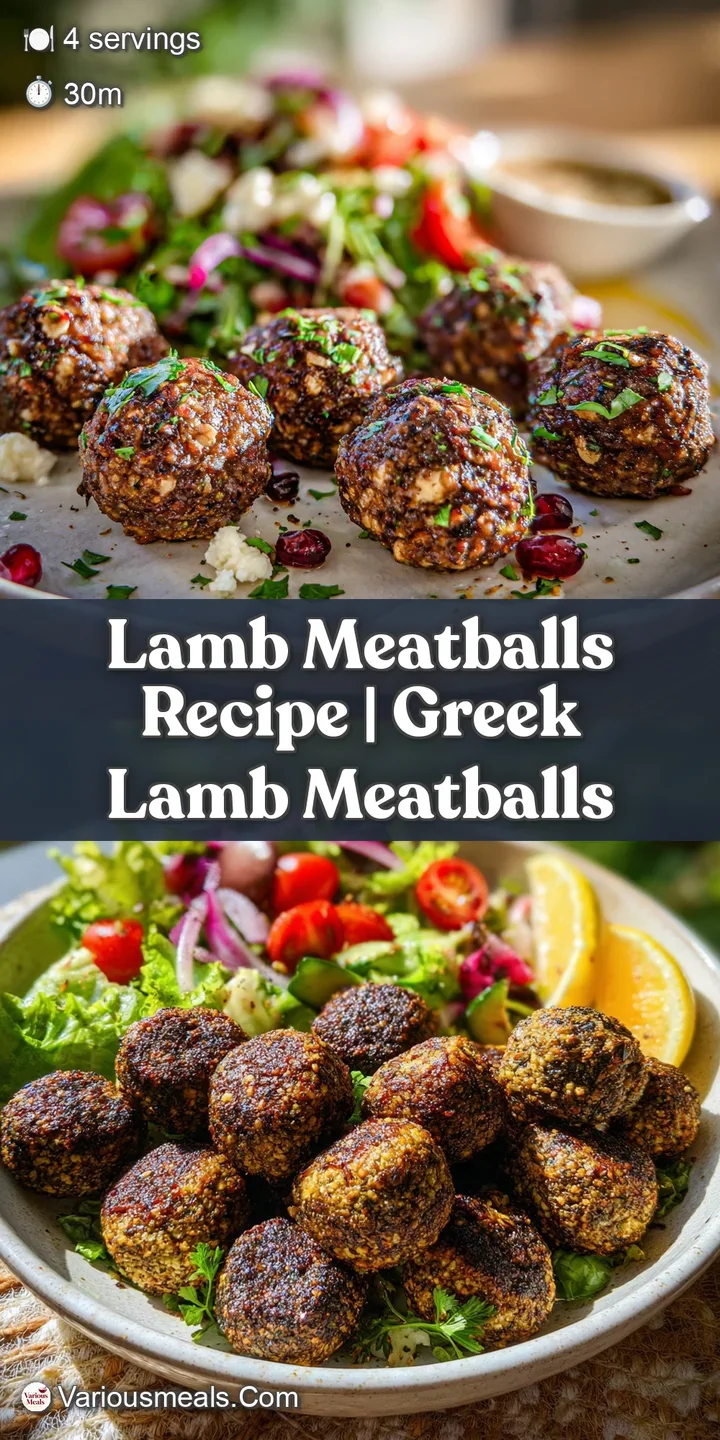
If you're having friends over, lay these out on a big wooden board. Surround them with olives, feta cheese, warm pita bread, and perhaps an Orzo Pasta Salad recipe to keep the Mediterranean theme going. It’s approachable, family style eating at its best.
Before we finish, let's clear up a few things I hear a lot in the kitchen.
Myth: Searing "seals in" the juices. This is actually false. Searing is entirely about the Maillard reaction creating flavor through browning. Moisture is lost during the sear regardless, which is why the milk soaked panko is so important for keeping the inside tender.
Myth: You must use breadcrumbs for a meatball to hold. While they help with texture, the egg is the primary binder. You can make these with just meat and egg (like a kofta), but you lose that soft, "cloud like" bite that defines a great meatball.
Myth: Lamb is too gamey for kids. Usually, people think lamb is gamey because it was overcooked or poor quality. By using 80/20 lamb and plenty of fresh mint and lemon zest, you neutralize those heavy notes and leave only the rich, savory flavor that kids actually tend to love.
Recipe FAQs
Is lamb or beef better for meatballs?
It's a personal preference, but lamb offers a richer flavor. Beef meatballs are classic and milder, while lamb brings an earthy, distinct taste that pairs wonderfully with Mediterranean herbs and spices.
What goes well with lamb meatballs for dinner?
Many things! Think Mediterranean or comfort food pairings. Serve them with orzo pasta salad, roasted vegetables like zucchini and bell peppers, a fresh Greek salad, or a simple marinara sauce with a side of crusty bread.
What do lamb meatballs taste like?
Rich, savory, and slightly earthy with a distinct lamb flavor. When seasoned well with herbs like mint and parsley, and toasted spices like cumin, they become complex and incredibly satisfying without being overly gamey.
How best to cook lamb meatballs?
Sear them in a hot cast iron skillet until deeply browned. This creates a delicious crust while keeping the inside moist. Alternatively, you can bake them or air fry them for a less hands-on approach.
Is it true lamb meatballs are usually dry?
No, this is a common misconception if not prepared correctly. Using ground lamb with a good fat content (like 80/20) and a binder like a milk soaked panko panade is key to ensuring they stay incredibly juicy.
Can I make lamb meatballs ahead of time?
Yes, absolutely! You can shape the raw meatballs up to 24 hours in advance and store them chilled. You can also cook them completely and then reheat them gently later.
What's the secret to making lamb meatballs juicy?
Don't overmix the meat, and use a panade. Overworking the lamb tightens the proteins and makes them tough. A panade (like milk soaked panko) adds moisture and helps create a tender, velvety texture.
Lamb Meatballs
Ingredients:
Instructions:
Nutrition Facts:
| Calories | 403 kcal |
|---|---|
| Protein | 21.8 g |
| Fat | 26.5 g |
| Carbs | 6.8 g |
| Fiber | 0.9 g |
| Sugar | 1.1 g |
| Sodium | 612 mg |
