Healthy Chicken Marinade Whole30 with Lemon and Herbs
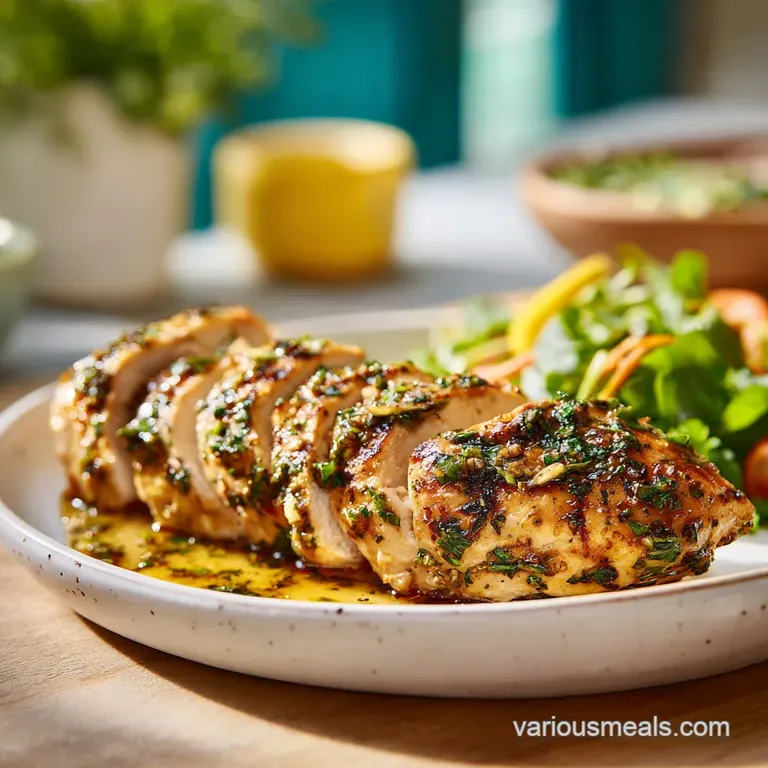
- Let's Master Healthy Chicken Marinade Whole30 with Lemon and Herbs
- Why This Recipe Works
- Essential Benchmarks for Your Kitchen Success
- Clean Components for Flavor Forward Meal Prep
- Simple Tools for the Perfect Sear
- Executing the Infusion and Searing Process
- Troubleshooting Your Whole30 Poultry Prep
- Tasty Variations for Your Herb Blend
- Keeping Your Chicken Fresh and Tasty
- Finishing Touches for a Beautiful Plate
- Recipe FAQs
- 📝 Recipe Card
Let's Master Healthy Chicken Marinade Whole30 with Lemon and Herbs
The moment that sharp, bright scent of freshly grated lemon zest hits the air, you know something good is happening. It’s that zingy, oils spraying everywhere kind of aroma that wakes up your kitchen and your appetite.
Discover our simple yet flavorful Healthy Chicken Marinade Whole30 with Lemon and Herbs, the single star of your next meal. There is just something so satisfying about watching the golden olive oil swirl together with cloudy lemon juice until it forms a thick, velvety liquid that smells like a summer garden.
When I first started focusing on Whole30 recipes, I thought I’d be stuck with bland, unseasoned protein forever. I was so wrong. I remember standing over my cutting board, finely mincing a pile of flat leaf parsley and oregano, the herb oils staining my fingers green and smelling absolutely incredible.
This wasn't just "diet food"; it was a punchy, vibrant sauce that made the chicken the best thing on the table. If you've ever struggled with dry, chalky breasts, this method is going to change your Tuesday nights forever.
We’ve all been there tossing a plain breast into a pan and hoping for the best, only to end up with something that has the texture of a yoga mat. But with this blend, the meat actually transforms. It doesn't just sit on top; it works its way in.
The sizzle of the chicken hitting a hot cast iron skillet, the way the garlic begins to brown without burning, and that final hit of fresh herbs makes the whole house smell like a high end bistro. It’s effortless, clean, and honestly, better than any bottled version you'll find at the store.
Why This Recipe Works
Understanding how a few simple liquids and leaves can turn poultry into a masterpiece is half the fun. We aren't just adding flavor; we are using basic kitchen logic to change the physical structure of the meat so it stays juicy even under high heat.
- Acidic Surface Breakdown: The citric acid in the lemon juice gently unravels the tight protein fibers on the surface, allowing moisture to slip inside.
- Emulsified Fat Barrier: Whisking the oil and juice creates a thicker coating that clings to the meat rather than just sliding off into the bottom of the bowl.
- Enzymatic Garlic Action: Freshly minced garlic contains allicin, which not only provides that sharp bite but also helps soften the exterior of the chicken.
- Zest Oil Concentration: Most of the lemon flavor lives in the skin's oils, giving you a deep citrus punch without making the marinade overly watery.
Comparing Quick vs. Classic Methods
| Method | Marinate Time | Texture Outcome | Flavor Depth |
|---|---|---|---|
| The Fast Track | 30 minutes | Tender surface, juicy center | Bright, sharp citrus notes |
| The Classic Soak | 4 hours | Deeply infused, buttery texture | Mellow garlic, earthy herbs |
Whether you are in a rush or planning ahead for a big meal prep session, the results stay consistent as long as you don't over marinate. Going past the four hour mark can actually start "cooking" the meat with acid, making it mushy, so keep an eye on that clock!
Essential Benchmarks for Your Kitchen Success
To get that restaurant quality finish, you need to hit a few specific numbers. Guessing is the enemy of a juicy chicken breast, especially when we are working with lean Whole30-compliant proteins.
The first checkpoint is your marinade volume. You want enough liquid to fully submerge the 1.5 lbs of chicken without it swimming in a soup. The 0.75 cups of total liquid we are using is the "Goldilocks" amount just right for coating every nook and cranny. Next,, keep your pan temperature in check.
We are looking for medium high heat, which usually means about 3 to 4 minutes of preheating your skillet until a drop of water dances and evaporates instantly.
Finally, the most important number is the internal temperature. According to USDA data, poultry must reach an internal temperature of 165°F (74°C) to be safe. I usually pull mine off the heat at 162°F (72°C) because carryover cooking will do the rest of the work while the meat rests. This ensures you never cross the line into "dry and stringy" territory.
Component Analysis
| Ingredient | Science Role | Pro Secret |
|---|---|---|
| Extra Virgin Olive Oil | Heat conductor and fat carrier | Use a high-quality oil for better polyphenols |
| Lemon Juice | Denatures protein for tenderness | Squeeze at room temp for maximum yield |
| Fresh Garlic | Adds sulfurous depth and aroma | Mince it 10 mins before for peak allicin |
| Red Pepper Flakes | Capsaicin based flavor enhancer | Crushing them further releases more heat |
Using these high-quality fats and acids ensures that the Healthy Chicken Marinade actually does its job rather than just acting as a salty bath.
Clean Components for Flavor Forward Meal Prep
When you're eating "clean," every single ingredient has to pull its weight. We aren't hiding behind sugars or heavy creams here. This list is tight, focused, and designed to maximize nutrients while keeping things strictly Whole30.
- 0.5 cup extra virgin olive oil: The base that carries all the herb flavors into the meat.
- Substitute: Avocado oil (neutral flavor, higher smoke point).
- Why this? High monounsaturated fats provide a silky mouthfeel without dairy.
- 0.25 cup freshly squeezed lemon juice: Provides the necessary acid for tenderizing.
- Substitute: Apple cider vinegar (sharper, more fermented tang).
- Why this? The Vitamin C helps with iron absorption from the chicken.
- 1 tbsp lemon zest: Concentrates the "sunshine" flavor without adding extra liquid.
- Substitute: Lime zest (gives a tropical, mojito like vibe).
- 4 cloves garlic, minced fine: The aromatic backbone of the entire dish.
- Substitute: 1 tsp garlic powder (use only if fresh isn't available).
- 2 tbsp fresh parsley, chopped: Adds a peppery, fresh finish.
- Substitute: Fresh cilantro (for a more zest forward profile).
- 1 tbsp fresh oregano, minced: Provides earthy, Mediterranean notes.
- Substitute: Dried oregano (use only 1 tsp as it’s more potent).
- 1 tsp fresh thyme leaves: Adds a subtle minty, lemony undertone.
- Substitute: Fresh rosemary (use sparingly as it's very strong).
- 0.5 tsp red pepper flakes: Just enough to wake up the palate.
- Substitute: Pinch of cayenne (more direct, uniform heat).
- 1 tsp sea salt & 0.5 tsp black pepper: Essential for basic seasoning and moisture retention.
- 1.5 lbs boneless skinless chicken breasts: Our lean, high protein canvas.
Chef's Tip: If your lemons feel hard, roll them firmly on the counter for 20 seconds before cutting. This breaks the internal membranes and doubles the juice you'll get!
Simple Tools for the Perfect Sear
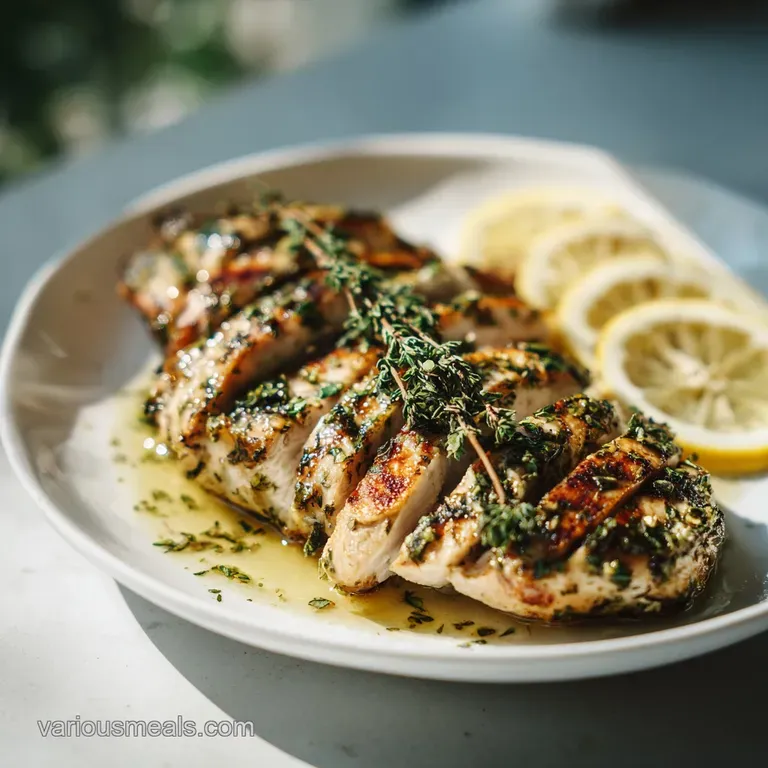
You don't need a professional kitchen, but a few specific items will make your life significantly easier. I’ve found that using the right gear prevents the chicken from sticking or tearing, which is the biggest frustration for home cooks.
First, grab a solid glass bowl or a high-quality silicone bag for the marinating process. Avoid reactive metal bowls (like aluminum) because the lemon juice can react with the metal and give your chicken a weird, tinny aftertaste.
A microplane is also a lifesaver here; it's the best tool for getting just the zest without the bitter white pith.
For the actual cooking, a heavy cast iron skillet is my go to. It holds heat better than stainless steel, giving you that beautiful golden crust. If you’re meal prepping, a digital meat thermometer is non negotiable. It’s the difference between "I hope this is cooked" and "I know this is perfect."
Executing the Infusion and Searing Process
This process is all about the flow. We want to move from prep to pan efficiently so the chicken stays fresh and the flavors stay bright. Follow these steps exactly for the best results.
- Whisk the base. In a small glass bowl, combine the olive oil, lemon juice, and zest. Whisk until the liquid looks opaque and slightly creamy. Note: This emulsification ensures the oil and acid don't separate on the meat.
- Add aromatics. Stir in the garlic, parsley, oregano, thyme, and red pepper flakes.
- Season the mix. Add the sea salt and black pepper, stirring until the salt begins to dissolve.
- Prepare the meat. Place the chicken breasts in a glass container. Use a fork to prick the meat 3 4 times on each side. Note: This creates "flavor channels" for the marinade to enter the center.
- Start the soak. Pour the mixture over the chicken. Turn the pieces to ensure full coverage.
- Chill and wait. Seal the container and refrigerate for 30 minutes to 4 hours. Bake 15 mins if you prefer the oven, but we're sticking to the skillet for that crust.
- Preheat the surface. Get your skillet or grill to medium high heat. You should see a faint wispy smoke.
- Searing phase. Remove chicken from the liquid, letting the excess drip off. Place in the pan.
- Flip and finish. Cook for 6–7 minutes per side until golden and crackling.
- Final check. Ensure the internal temp hits 165°F (74°C), then let it rest for 5 minutes before slicing.
Troubleshooting Your Whole30 Poultry Prep
Even with the best intentions, things can go sideways. The most common issue I see is people being too afraid of the heat, leading to "boiled" looking chicken instead of a beautiful sear.
Why Your Chicken Is Rubbery
If your chicken feels like an eraser, you likely over marinated it. Lemon juice is powerful; if left overnight, it starts to break down the proteins too much, turning them into a mushy, rubbery mess. Stick to the 4 hour limit! Also, ensure you aren't overcrowding the pan.
If the breasts are touching, they will steam in their own juices rather than searing.
| Problem | Root Cause | Solution |
|---|---|---|
| Burnt Garlic Bits | Heat too high or garlic too large | Mince garlic finer; use medium high heat |
| Dry Meat | Overcooked past 165°F (74°C) | Use a thermometer; pull at 162°F (72°C) |
| Bland Center | No "flavor channels" pricked | Use a fork to pierce meat before marinating |
Common Mistakes Checklist
- ✓ Pat the chicken slightly if it's too wet before putting it in the pan (prevents steaming).
- ✓ Never pour the used marinade over the cooked chicken (cross contamination risk).
- ✓ Let the chicken sit at room temp for 10 mins before cooking to take the chill off.
- ✓ Use fresh herbs whenever possible; the dried ones can sometimes taste "dusty" in a bright marinade.
- ✓ Don't skip the zest! It provides 80% of the actual lemon flavor.
Tasty Variations for Your Herb Blend
Once you have the base of this Healthy Chicken Marinade down, you can start playing with the profile to match whatever else you're serving. If you're making a side of Broccoli Casserole recipe, you might want to lean into the more savory herbs.
Making it Mediterranean
Swap the parsley for fresh basil and add 1 tablespoon of chopped kalamata olives to the mix. This gives it a salty, briny kick that pairs perfectly with a big green salad or roasted zucchini. It’s still 100% Whole30 but feels like a completely different meal.
The "Creamy" Whole30 Twist
If you want something richer, whisk in 1 tablespoon of compliant tahini or almond butter into the marinade base. This creates a thicker, almost satay like coating that chars beautifully on a grill. The nuttiness balances the sharp lemon perfectly.
Keeping Your Chicken Fresh and Tasty
Meal prepping is the heartbeat of a successful Whole30. You can actually double this recipe and keep half the marinated (but uncooked) chicken in the freezer.
Storage: Cooked chicken stays fresh in the fridge for up to 4 days in an airtight glass container. To reheat, I recommend a quick toss in a hot skillet with a splash of water and a lid this "steams" it back to life without drying it out like a microwave would.
Freezing: You can freeze the chicken in the marinade for up to 3 months. When it thaws in the fridge, it actually completes the marinating process, making it a perfect "dump and cook" meal for busy nights.
Zero Waste: Don't throw away those lemon rinds! Toss them into a jar of white vinegar for a natural kitchen cleaner, or throw the squeezed halves into the cavity of a whole roasted chicken later in the week.
Parsley and oregano stems are also packed with flavor finely mince them and add them to a Whole30-compliant soup or stew.
Finishing Touches for a Beautiful Plate
We eat with our eyes first, and a pale piece of chicken isn't doing anyone any favors. To make this look as good as it tastes, focus on contrast. A final sprinkle of fresh, bright green parsley right before serving makes the golden brown crust pop.
I also love to grill a few lemon rounds alongside the chicken. The heat caramelizes the natural sugars in the lemon, making them slightly sweet and incredibly pretty as a garnish. If you want a little more "sauce," take some of the fresh, un used marinade (make a little extra at the start!) and drizzle it over the sliced meat.
It adds a raw, zingy punch that cuts through the richness of the seared fat.
This dish isn't just a recipe; it's a tool in your kit for better, healthier eating. It’s proof that you don't need dairy, sugar, or grains to make something that feels special and tastes like a million bucks. Grab your lemons and get whisking your future self will thank you at dinner time!

Recipe FAQs
Is it true I should skip the resting period to serve the chicken immediately?
No, this is a common misconception. Resting your chicken for 5 minutes after removing it from the heat allows the juices to redistribute, preventing them from running out onto the plate when you slice it.
What does lemon do to chicken when marinating?
Lemon juice acts as an acid that tenderizes the muscle fibers. While it adds brightness, avoid marinating for longer than 4 hours, as the acid can eventually make the texture mushy if left too long.
How to make a lemon and herb chicken marinade?
Whisk the olive oil, lemon juice, and zest in a glass bowl until emulsified. Stir in the minced garlic, parsley, oregano, thyme, red pepper flakes, salt, and pepper before coating the chicken.
Can I marinate the chicken for longer than two hours?
Yes, you can marinate for up to 4 hours total. Since this recipe relies on acidic citrus, going beyond this window will compromise the texture of the chicken breasts.
How to prevent the chicken from becoming dry on the grill?
Prick the meat with a fork to help the marinade penetrate and monitor the internal temperature closely. If you enjoyed mastering the moisture control techniques used here, you will find similar success when applying the same heat management principles to other lean proteins.
How to tell if the chicken is fully cooked through?
Insert a meat thermometer into the thickest part of the breast to ensure it reaches exactly 165°F (74°C). Relying on visual cues like clear juices is less accurate than checking the temperature to guarantee safety and tenderness.
How long can I keep the cooked chicken in the refrigerator?
Store your leftovers in an airtight container for up to 3 days. Reheat gently in a skillet over low heat or in the microwave at 50% power to prevent the meat from becoming rubbery.
Lemon Herb Whole30 Chicken Marinade
Ingredients:
Instructions:
Nutrition Facts:
| Calories | 338 calories |
|---|---|
| Protein | 38.6 g |
| Fat | 18.4 g |
| Carbs | 3.2 g |
| Fiber | 0.6 g |
| Sugar | 0.8 g |
| Sodium | 624 mg |
