Mediterranean Mezze Platter Flavor to Share
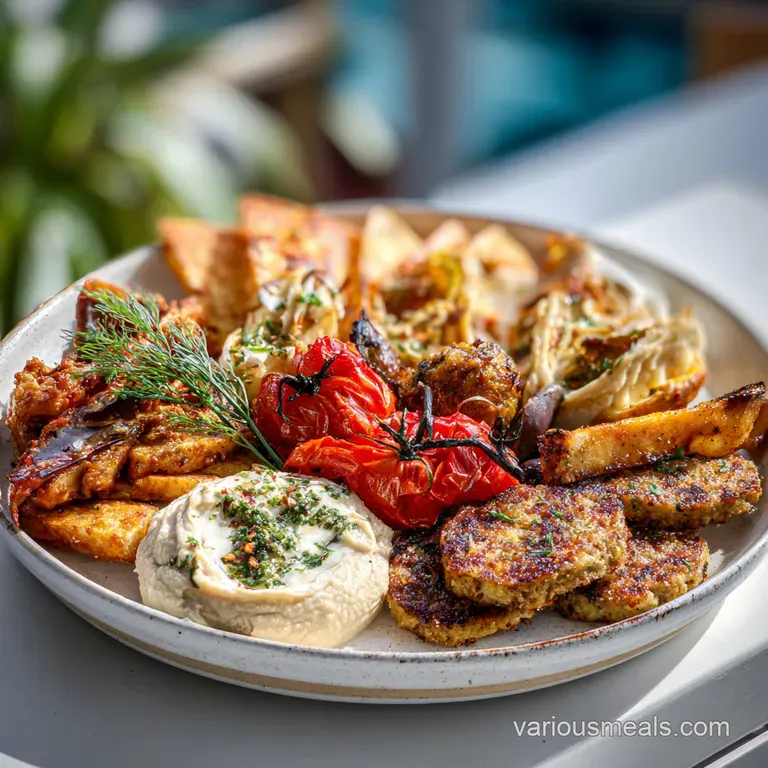
- Time: Active 25 minutes, Passive 5 minutes, Total 30 minutes
- Flavor/Texture Hook: A balance of velvety dips, briny olives, and halloumi that offers a distinct squeaky crispy bite.
- Perfect for: Stress free dinner parties, weekend family grazing, or an impressive appetizer for large gatherings.
- Discovering the Social Magic of This Mediterranean Mezze Platter
- An Abundant Spread Designed for Meaningful Table Conversations
- The Science of Balancing Textures for Ultimate Palate Satisfaction
- Essential Preparation Times and Nutritional Details for Your Planning
- Selecting the Best Components for a Truly Authentic Mediterranean Experience
- Simple Kitchen Tools Required for a Professional Platter Presentation
- The Step-by-Step Method for Assembling Your Shared Flavor Masterpiece
- Resolving Common Platter Pitfalls and Ensuring Visual Success
- Personalizing Your Platter for Different Dietary Needs and Tastes
- Effective Methods for Keeping Ingredients Fresh and Managing Leftovers
- Creative Styling Techniques to Make Your Appetizer Look Stunning
- Culinary Misconceptions Regarding Authentic Mezze Spreads
- Very High in Sodium
- Recipe FAQs
- 📝 Recipe Card
Discovering the Social Magic of This Mediterranean Mezze Platter
I still remember the first time I tried to host a "proper" dinner party. I spent six hours making a complicated roast that came out dry, and I was so exhausted I barely spoke to my guests. Then my friend Elena arrived with a massive wooden board covered in small bowls, bright vegetables, and warm bread.
The room instantly changed. We stopped worrying about formal courses and started reaching, passing, and sharing. That was the day I realized that the Mediterranean Mezze Platter Flavor to Share isn't just a meal - it's a conversation starter.
The beauty of this spread lies in its forgiving nature. You don't need to be a Michelin starred chef to arrange olives and cheese, but there is a definite craft to making it feel abundant rather than cluttered. My biggest mistake early on was just opening jars and dumping them out.
Now, I've learned that "doctoring" your store-bought items with a little lemon or tahini makes everyone ask for your secret recipe. It’s about that specific mix of cold, crunchy cucumbers against the warm, golden sizzle of pan-fried halloumi.
When you set this down in the middle of a table, the air fills with the earthy scent of toasted walnuts and the sharp, clean aroma of fresh oregano. It invites people to linger. We've used this exact setup for birthdays, rainy Sunday lunches, and even as a "clean out the fridge" Friday night dinner.
It never fails to satisfy because there is something for everyone, whether they want the saltiness of feta or the sweetness of pomegranate molasses.
An Abundant Spread Designed for Meaningful Table Conversations
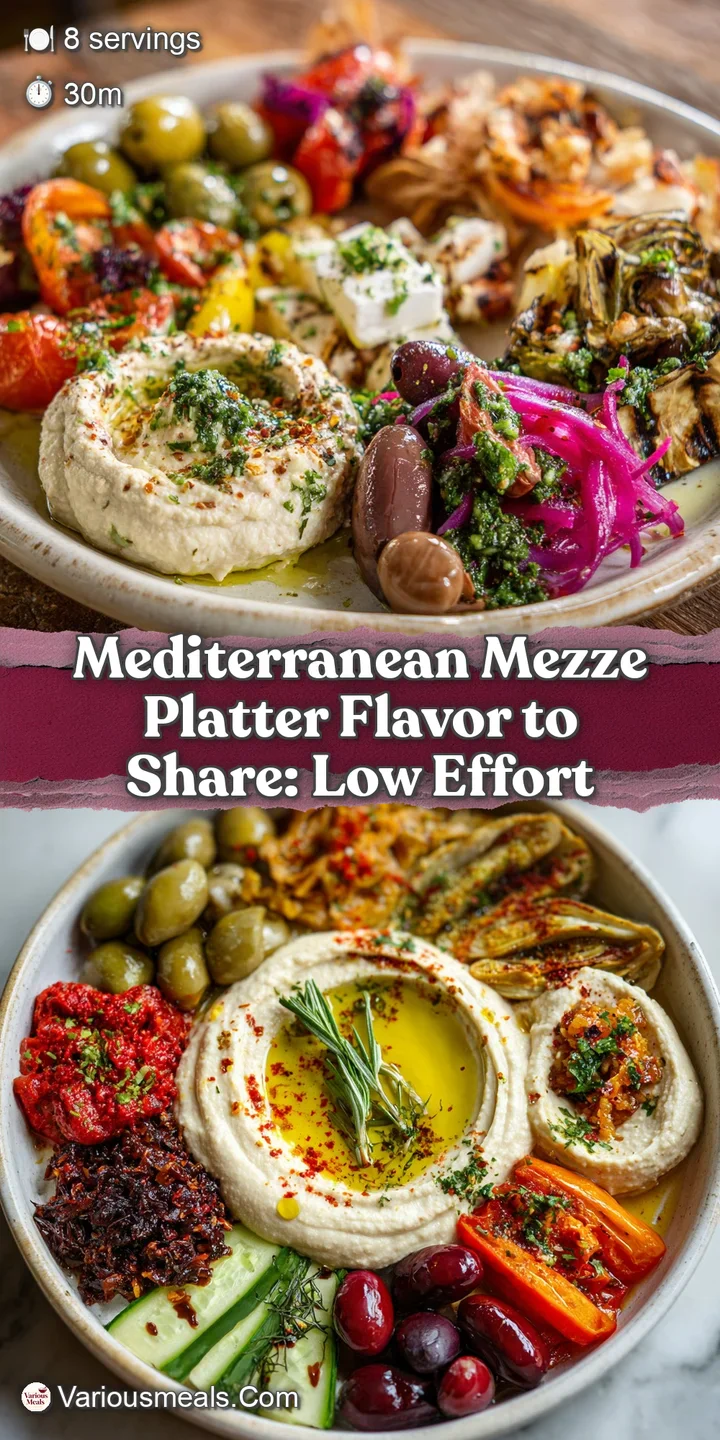
This Mediterranean Mezze Platter Flavor to Share is designed to hit every part of your palate. We are looking for a landscape of flavor: the deep, smoky undertones of a red pepper dip, the bright pop of cherry tomatoes, and the rich, buttery fat of Castelvetrano olives.
By using a mix of prepared items and fresh produce, you create a meal that feels curated and thoughtful without the stress of timing five different hot dishes to finish at once.
The secret to a successful mezze is variety. You want to offer enough "heavy" hitters, like the stuffed dolmas and the blocks of feta, to make the meal feel substantial. At the same time, you need the "palate cleansers" like the radishes and cucumbers to keep things light.
It is all about the interaction between the ingredients. A piece of pita topped with hummus, a slice of cucumber, and a drizzle of honey glazed halloumi is a completely different experience than a bite of artichoke heart and feta.
The Science of Balancing Textures for Ultimate Palate Satisfaction
The Emulsification Boost: Adding extra tahini and lemon juice to store-bought hummus re emulsifies the dip, creating a much smoother, velvety mouthfeel that mimics a restaurant style texture.
Maillard Reaction on Cheese: Searing halloumi at high heat triggers a chemical reaction between amino acids and reducing sugars, producing a golden brown crust and a complex, savory aroma.
Osmotic Pressure Management: Salting the cucumbers briefly before serving draws out excess surface moisture, ensuring they stay crisp and don't leak water into the other components on the board.
Acidic Neutralization: The acetic acid in marinated artichokes cuts through the heavy fats of the cheeses and nuts, preventing sensory fatigue and making each bite feel fresh.
| Servings | Ingredient Adjustments | Board/Platter Size | Preparation Time |
|---|---|---|---|
| 4 people | Half quantities of all items | Medium circular board | 20 minutes |
| 8 people | Use full Schema quantities | Large rectangular platter | 30 minutes |
| 16 people | Double all quantities | Two large platters | 50 minutes |
Setting up the right proportions ensures that nobody is fighting over the last dolma. For a group of eight, the quantities listed in the recipe provide a generous grazing experience where everyone can try a bit of everything twice. If you are serving this as a main meal rather than an appetizer, I usually suggest adding a side dish like my Orzo Pasta Salad recipe to provide extra bulk and a different starch texture.
Essential Preparation Times and Nutritional Details for Your Planning
When you're planning your afternoon, keep in mind that the active time is mostly spent on assembly and "doctoring" the ingredients. The only actual cooking involves toasting the walnuts and searing the halloumi.
These small steps are non negotiable because they provide the temperature contrast that makes a platter feel premium.
The total time of 30 minutes assumes you are doing a bit of multitasking. While the walnuts are toasting in the pan, you can be slicing the cucumbers and halving the radishes.
The goal is to have all your cold elements ready so that once the halloumi is fried and the pita is warmed, you can serve immediately. This ensures the cheese has that perfect, slightly chewy texture before it cools down too much.
Selecting the Best Components for a Truly Authentic Mediterranean Experience
| Component | Science Role | Pro Secret |
|---|---|---|
| Pomegranate Molasses | Acidic/Sugar Balance | Provides a deep, syrupy tartness that cuts through the fat of the walnuts. |
| Halloumi Cheese | Structural Integrity | High melting point allows it to brown without losing its shape or liquefying. |
| Tahini | Fat Emulsification | Acts as a bridge between the lemon juice and hummus for a creamier finish. |
| Roasted Red Peppers | Flavor Base | Jarred peppers offer a concentrated sweetness and soft texture for the dip. |
For this spread, the quality of your ingredients really matters. I always look for olives with the pits still in if possible, as they tend to hold their texture better. When selecting your cucumbers, the small Persian variety is best because the skin is thin and the seeds are minimal, which means more crunch.
- Hummus (450g): Use a plain, high-quality version as a base. Substitute: Homemade chickpea puree. Why this? It's the creamy canvas for the entire platter.
- Tahini (1 tbsp): Look for a runny, light colored tahini. Substitute: Greek yogurt for a tangier finish.
- Roasted Red Peppers (340g): Jarred is fine, just drain them well. Substitute: Fresh roasted bell peppers.
- Walnuts (60g): Toast them until they smell like a forest. Substitute: Toasted almonds or pine nuts.
- Persian Cucumbers (4): These stay the crunchiest. Substitute: English cucumber, sliced thick.
- Halloumi (250g): The star of the show. Substitute: Grilling cheese or firm paneer. Why this? It provides the essential warm, salty element.
- Pita Bread (250g): Fresh is best. Substitute: Lavash or gluten-free flatbread.
- Pomegranate Molasses (30ml): Don't skip this for the Muhammera style dip. Substitute: Balsamic glaze with a squeeze of lime.
Simple Kitchen Tools Required for a Professional Platter Presentation
You don't need a lot of gear for this, but a few specific items make it much easier. A food processor is essential for getting the red pepper and walnut dip to that perfect "chunky smooth" consistency. If you don't have one, you can finely mince everything with a heavy chef's knife, but it will take more effort.
I also highly recommend using a cast iron skillet for the halloumi. The heavy bottom retains heat evenly, which is how you get that beautiful mahogany crust on the cheese without it sticking. For the presentation, a large wooden board (about 50cm) or a massive ceramic platter works best.
You want enough space so the ingredients aren't touching in a messy way, but close enough that it looks like a lush garden of food.
Chef's Tip: If your store-bought hummus feels stiff, whisk in a tablespoon of warm water along with the lemon and tahini. It aerates the dip and makes it feel like it was made from scratch ten minutes ago.
The step-by-step Method for Assembling Your Shared Flavor Masterpiece
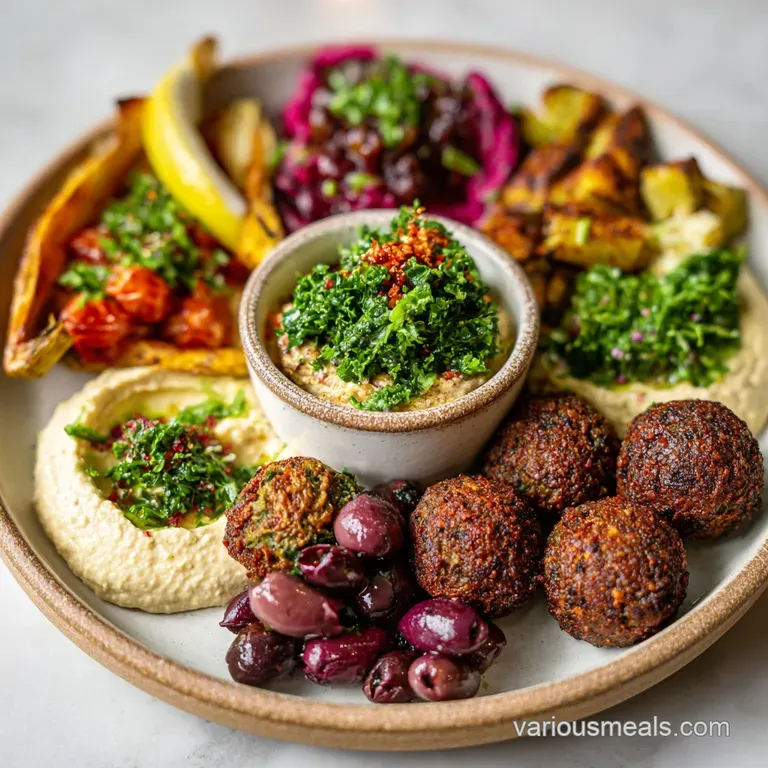
- Toast the walnuts. Place the 60g of walnuts in a dry skillet over medium heat for about 3 to 5 minutes until they smell intensely nutty and look golden. Note: Do not walk away; they burn in seconds.
- Create the red pepper dip. In a food processor, combine the 340g drained red peppers, toasted walnuts, 30ml pomegranate molasses, and 1 tsp ground cumin. Pulse until it forms a textured paste.
- Enhance the hummus. Place the 450g hummus in a small bowl and stir in 1 tbsp tahini and 1 tbsp lemon juice. Note: This adds a bright, professional zing to the base flavor.
- Prepare the fresh produce. Quarter the 4 Persian cucumbers lengthwise, halve the radishes, and keep the 150g cherry tomatoes on the vine for a rustic look.
- Assemble the "anchors". Place the bowls of hummus and red pepper dip on opposite sides of your large platter to create visual balance.
- Sear the halloumi. Slice the 250g halloumi into 1cm thick pieces. Fry in a lightly oiled pan over medium high heat for 2 minutes per side until a deep golden crust forms and the cheese sizzles.
- Warm the pita. Heat the 250g pita bread in the oven or over a gas flame for 1 minute until soft and fragrant. Cut into triangles.
- Arrange the bulk items. Fan out the cucumbers, radishes, and 170g artichoke hearts around the dips. Add the 8 dolmas in a neat row or cluster.
- Add the cheeses and olives. Place the 200g feta block (drizzled with olive oil) and the warm halloumi onto the board. Scatter the 150g mixed olives into the remaining gaps.
- Final Flourish. Drizzle the 1 tbsp honey over the warm halloumi and sprinkle the 1 tsp dried oregano over the feta and hummus.
While you are assembling, you might find you have extra tomatoes or cucumbers. I often use these to make a quick Marinated Tomato Salad recipe on the side if the board gets too crowded.
Resolving Common Platter Pitfalls and Ensuring Visual Success
Reasons for Dry or Cracked Hummus Texture
If you open your hummus and it looks dull or has a "skin" on it, it's usually due to air exposure in the factory or your fridge. The starch in the chickpeas absorbs the available moisture over time. Simply adding a splash of olive oil or the lemon/tahini mixture we mentioned will fix this instantly.
Preventing Sogginess in Board Components
Wet ingredients are the enemy of a crisp pita. If your artichoke hearts or roasted peppers aren't drained properly, they will leak liquid across the board, turning your bread into a sponge. Always pat these items dry with a paper towel before placing them near the bread or crackers.
| Problem | Root Cause | Solution |
|---|---|---|
| Halloumi is rubbery | It has cooled down too much. | Serve the halloumi last or keep it in a warm oven until the very last second. |
| Dip is too watery | Peppers weren't drained well. | Stir in a tablespoon of breadcrumbs or more walnuts to absorb the excess liquid. |
| Board looks messy | No clear focal points. | Use small bowls for the "messy" items like olives and dips to provide structure. |
- ✓ Always drain jarred items on paper towels for at least 5 minutes.
- ✓ Slice the cucumbers just before serving to maintain maximum "snap."
- ✓ Toast the walnuts specifically for the dip it changes the flavor profile entirely.
- ✓ Use a "piling" technique rather than laying items flat to create height and abundance.
- ✓ Keep the warm items (pita/halloumi) on a separate side plate if you aren't serving immediately.
Personalizing Your Platter for Different Dietary Needs and Tastes
Scaling this recipe is incredibly easy because it’s mostly modular. If you are serving a smaller group of four, simply cut all the quantities in half. You don't need to worry about adjusting cook times for the halloumi or walnuts, as those stay the same regardless of the total amount.
Just use a smaller pan if you're worried about heat distribution.
If you're hosting a massive party of 20, don't try to fit it all on one board. It becomes a logistical nightmare for people to reach across the table. Instead, create "stations" or two identical boards placed at either end of the table.
For the dips, keep the salt and spices at 1.5x the original recipe even if you double the bulk ingredients, as flavors like cumin can become overpowering very quickly when scaled up.
- To go Vegan: Swap the feta and halloumi for extra roasted cauliflower, grilled eggplant slices, or a high-quality vegan almond based cheese.
- To add Heat: Add a teaspoon of red chili flakes to the red pepper walnut dip or drizzle the entire board with "hot honey" instead of regular honey.
- To go gluten-free: Replace the pita with cucumber slices, sturdy lettuce cups, or certified gluten-free crackers.
Effective Methods for Keeping Ingredients Fresh and Managing Leftovers
This Mediterranean Mezze Platter Flavor to Share is actually better the next day in some ways specifically the dips. The red pepper walnut dip (Muhammara) develops a much deeper, more complex flavor after 24 hours in the fridge. Keep it in an airtight container for up to 4 days.
The hummus will last just as long, though you may need to give it a quick stir to bring back the shine.
For the fresh vegetables, if you have leftovers, store them in a container with a damp paper towel to keep them from shriveling. The halloumi, unfortunately, is best eaten fresh. Once it cools, it loses its unique "squeak" and becomes quite firm.
However, you can toss leftover halloumi into a pan for 30 seconds to revive it, or chop it up and throw it into a salad.
Don't throw away the leftover olive brine or the oil from the marinated artichokes! These are gold. Use the artichoke oil as a base for a vinaigrette or to sauté some shrimp for my Seafood Pasta with recipe. The olive brine can be added to a stew or used to "dirty" a martini.
Creative Styling Techniques to Make Your Appetizer Look Stunning
Presentation is half the battle with a mezze board. I like to follow the "Rule of Three" for colors. Try to have something green (cucumbers), something red (tomatoes/peppers), and something white/beige (bread/cheeses) in every quadrant of the board. This prevents the platter from looking "heavy" on one side.
The "Overhead Check" is my favorite trick. Once you think you’re done, stand up and look directly down at the board. If you see large patches of the wooden board or the plate, fill those gaps with small clusters of olives or a few sprigs of fresh mint or parsley.
This creates that "overflowing abundance" look that makes Mediterranean dining so inviting.
Finally, think about the height. Don't lay everything flat. Lean the pita triangles against a bowl of hummus. Stand the cucumber spears up in a small jar. Stack the halloumi slices like a deck of cards. These small vertical elements make the board look professional and appetizing from every angle.
It’s all about creating a feast for the eyes before the first bite is even taken.
| Method | Time | Texture | Best For |
|---|---|---|---|
| Fresh & Raw | 15 minutes | Crisp/Cool | Hot summer days and light lunches. |
| Charred & Seared | 25 minutes | Smoky/Rich | Evening dinner parties with wine. |
| Picnic Style | 10 minutes | Soft/Dippable | Outdoor gatherings and casual grazing. |
Culinary Misconceptions Regarding Authentic Mezze Spreads
A common myth is that everything on a mezze platter must be made from scratch to be "authentic." In reality, even in the Mediterranean, people rely on high-quality local vendors for things like dolmas, olives, and bread.
The authenticity comes from the selection and the freshness of the assembly, not necessarily the labor of rolling every single grape leaf yourself.
Another misconception is that you need a specialized "mezze board." While a wooden board is beautiful, you can achieve the same effect using several different plates of varying sizes and heights.
In many traditional settings, mezze is actually served as many small individual dishes (tapas style) rather than one giant board. Don't let the lack of a specific tray stop you from sharing these flavors.
Finally, some people think you shouldn't mix different types of cheeses. In this recipe, the contrast between the crumbly, tangy feta and the warm, resilient halloumi is exactly what makes the platter interesting. There are no rules in mezze only the pursuit of balance between salt, fat, acid, and crunch.
Just keep the flavors complementary, and you'll have a successful spread every single time.
Very High in Sodium
1485 mg mg of sodium per serving (65% % of daily value)
The American Heart Association recommends limiting sodium intake to about 2,300mg per day for overall cardiovascular health.
Sodium Reduction Tips for this Recipe
-
Lower Sodium Cheese-20%
Feta and Halloumi cheeses are high in sodium. Substitute with a low-sodium mozzarella or ricotta salata. This simple swap could significantly lower the overall sodium content.
-
Rinse & Choose Carefully-15%
Rinse the olives, marinated artichoke hearts, and dolmas thoroughly before adding them to the recipe. Better yet, opt for low-sodium versions of these ingredients when available.
-
Homemade Hummus-10%
store-bought hummus often contains high amounts of sodium. Try making homemade hummus to control the ingredients and sodium levels. It's easier than you think!
-
Low Sodium Alternatives-10%
Look for low-sodium or no-salt added roasted red peppers when purchasing jarred versions. Alternatively, roast your own bell peppers for a sodium free option. Be sure to not add any salt.
-
Fresh is Best-5%
Instead of using all pomegranate molasses, enhance the flavor with more fresh lemon juice, it is very low in sodium and adds brightness.
-
Spice It Up!
Enhance the flavors of the dish with fresh herbs and spices like mint, parsley, or a pinch of red pepper flakes instead of relying on salt to add flavor.
Recipe FAQs
What to put in a Mediterranean platter?
Include dips, cheeses, fresh produce, and bread. Aim for textural contrast by balancing creamy hummus, salty feta, crisp cucumbers, and warm pita bread for a complete flavor experience.
Is mezze meant to be shared?
Yes, sharing is fundamental to the mezze tradition. It is designed as a communal grazing experience, encouraging conversation and sampling across many small dishes rather than focusing on individual plated meals.
What are some unique sharing plate ideas?
Focus on one hot, savory element alongside cold components. While olives and dips are standard, adding warm, seared halloumi or small skewers creates a focal point; if you enjoy mastering temperature control like this, apply the skill to our Spaghetti Carbonara Recipe for perfect texture.
What to put on a Greek mezze platter?
Prioritize feta, olives, dolmades, and tzatziki. A Greek spread emphasizes tangy dairy and herbaceous dips, often paired with hearty bread like pita or crusty bread. For bulk, you could easily add a side dish similar to our Cottage Cheese Alfredo recipe if you need something richer.
How to ensure the dips stay perfectly creamy?
Whisk in a small amount of warm water or oil before serving. store-bought dips often look stiff; adding a tiny amount of liquid and stirring vigorously helps re-emulsify the fats, resulting in that desirable, velvety mouthfeel.
How to warm pita bread without making it tough?
Bake or lightly toast the pita for only 1 to 2 minutes. Overheating removes all moisture, making the bread brittle; a quick blast in the oven or directly over a gas flame softens the starch for easy tearing.
Is it necessary to cook any component for the platter?
No, but searing halloumi adds crucial temperature contrast. While most items are served cold or room temperature, frying cheese until golden provides a savory, hot counterpoint to the cool vegetables. Mastering this simple high heat technique is useful for many dishes, like getting a good sear on pasta ingredients in the French Onion Pasta recipe.
Mediterranean Mezze Flavor Board
Ingredients:
Instructions:
Nutrition Facts:
| Calories | 533 kcal |
|---|---|
| Protein | 21.3 g |
| Fat | 31.0 g |
| Carbs | 43.8 g |
| Fiber | 5.6 g |
| Sugar | 9.2 g |
| Sodium | 1485 mg |
