Old Fashioned Chicken and Noodles: Rich and Creamy
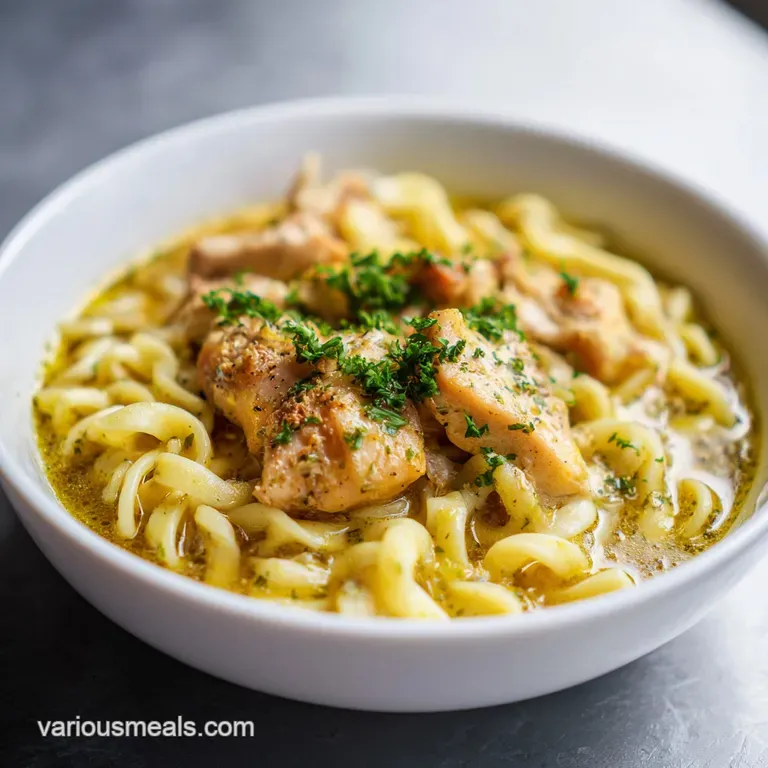
- Time: Active 15 minutes, Passive 45 minutes, Total 60 minutes
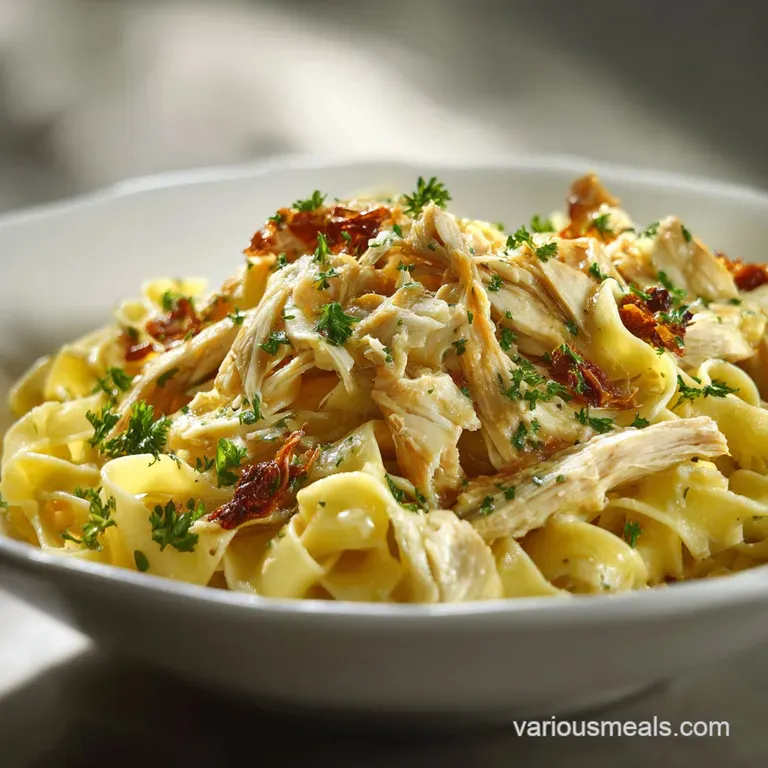
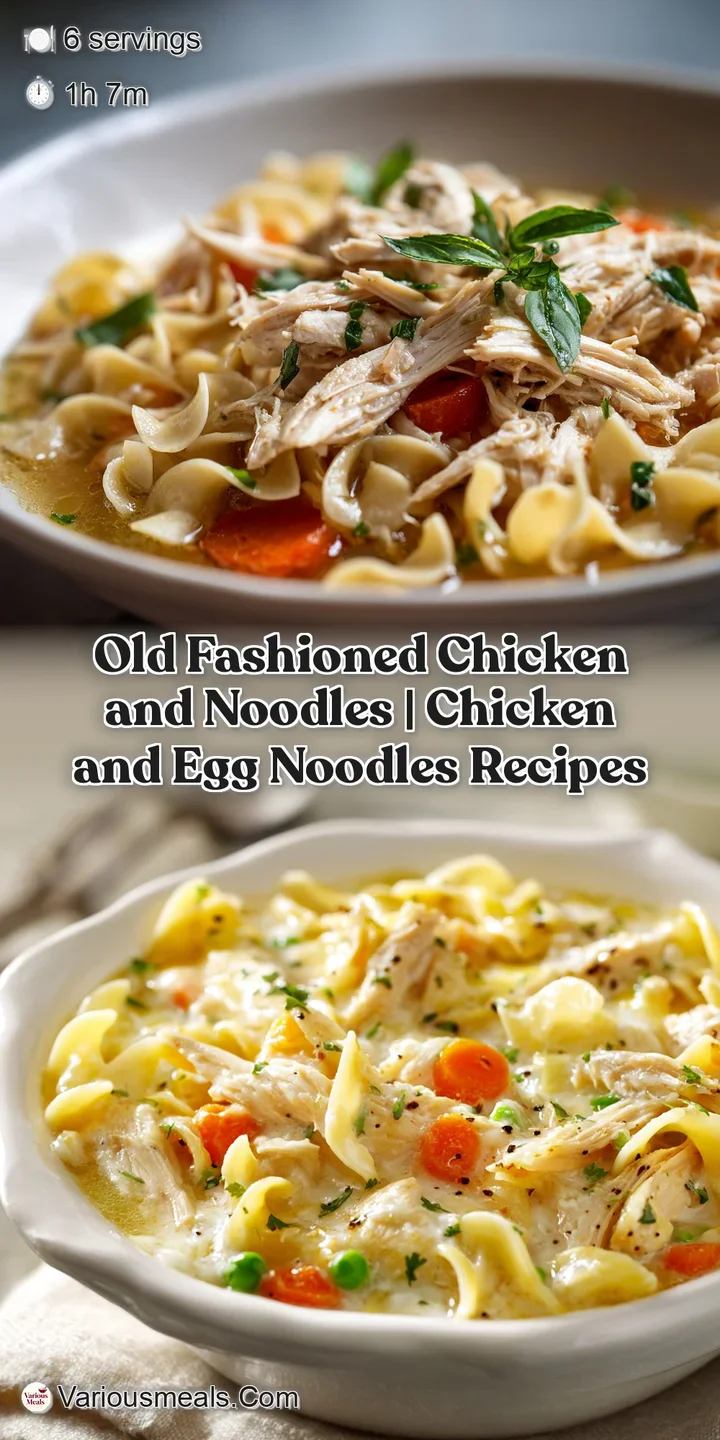
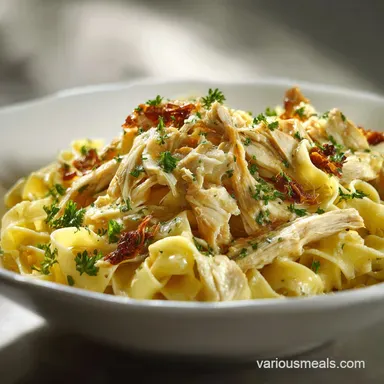
- Flavor/Texture Hook: Savory, velvety broth with tender shredded chicken and thick, chewy noodles.
- Perfect for: A cozy Sunday family dinner or a cold weather comfort meal.
- Perfect Traditional Chicken and Noodles
- Why This Simple Method Works
- Exploring the Component Analysis
- Gathering Your Essentials
- Required Kitchen Tools
- Step by Step Guide to Success
- Fixing Common Mistakes and Mastering Texture
- Troubleshooting Common Issues
- Smart Substitutions and Flexible Options
- Proper Scaling Guidelines
- Kitchen Myths and Realities
- Storing and Repurposing Your Comfort Food
- Flavorful Sides for Your Savory Dish
- Very High in Sodium
- Recipe FAQs
- 📝 Recipe Card
Perfect Traditional Chicken and Noodles
I remember the first time I tried to make "southern style chicken and noodles" for a rainy Sunday lunch. I thought I could take a shortcut by using boneless, skinless breasts and a box of standard grocery store broth.
The result was heartbreakingly thin a watery, bland soup that looked more like a mistake than a meal. My husband was sweet about it, but we both knew it lacked that thick, "stick to your ribs" soul that makes this dish legendary.
The fix wasn't some fancy ingredient; it was about respecting the fat and the starch. I realized that the magic happens in the "fond" those brown bits on the bottom of the pot and the thick, frozen noodles that act like a natural thickener.
When you swap the watery breast meat for bone in thighs, you get a silky mouthfeel that a leaner cut just can't provide. This is the version that actually tastes like a warm hug from someone who loves you.
We are going for a texture that sits right between a soup and a stew. It should be thick enough to coat the back of a wooden spoon but loose enough to swirl your noodles in. If you've struggled with thin, lackluster broth in the past, this method is your targeted fix.
It’s simple, honest cooking that relies on heat and timing rather than complicated techniques.
Why This Simple Method Works
- The Gelatin Factor: Using bone in chicken thighs releases natural gelatin as they simmer, which provides a rich, lip smacking body to the liquid that water or plain stock cannot replicate.
- Starch Release: Unlike dry pasta, "homemade style" frozen egg noodles are coated in a light dusting of starch that sloughs off during the simmer, naturally thickening the broth into a savory gravy.
- Fat Emulsification: Searing the skin first renders out golden chicken fat, which carries the flavor of the thyme and poultry seasoning throughout every bite of the finished dish.
- Fond Development: By deglazing the pot with bone broth after searing the meat, we pull up the concentrated sugars and proteins stuck to the bottom, adding deep umami notes.
| Servings | Chicken Thighs | Bone Broth | Frozen Noodles | Pan Size |
|---|---|---|---|---|
| 2 people | 1 lb | 2 cups | 5.3 oz | 3 quart pot |
| 6 people | 3 lbs | 6 cups | 16 oz | 6 quart Dutch oven |
| 12 people | 6 lbs | 12 cups | 32 oz | 12 quart stockpot |
When you are scaling this up for a crowd, the cooking time for the chicken stays relatively the same, but you’ll want to ensure your pot is large enough so the noodles have room to expand. Overcrowding the noodles during the final simmer can lead to uneven cooking and a gummy texture. For more family style inspiration, you might enjoy this Chicken and Pasta Dinner which uses a similar one pot philosophy.
Exploring the Component Analysis
| Ingredient | Science Role | Pro Secret |
|---|---|---|
| Chicken Thighs | Provides fat and connective tissue for body. | Pat the skin completely dry with paper towels to ensure a dark, savory sear. |
| Frozen Egg Noodles | Acts as the primary thickener via surface starch. | Don't thaw them; adding them frozen helps them maintain a chewy, "al dente" bite. |
| Chicken Bone Broth | Adds protein and minerals for a richer mouthfeel. | Use a low sodium version so you can control the salt level as the liquid reduces. |
| Aromatic Mirepoix | Builds the flavor base with natural sugars. | Dice the carrots and celery very small so they almost melt into the finished sauce. |
The choice of noodles is the most important decision you'll make here. We aren't looking for the thin, brittle dry noodles found in the pasta aisle. You want the thick, frozen variety often found in the freezer section near the frozen bread dough. These are dense, chewy, and substantial.
Gathering Your Essentials
- 1.36 kg (3 lbs) Bone in, skin on chicken thighs: Why this? Essential for the fat and gelatin that creates a velvety, rich sauce.
- Substitute: Chicken drumsticks (same weight) will work, though they have slightly less meat.
- 15 ml (1 tbsp) Neutral oil: Why this? High smoke point allows for a hard sear without burning.
- Substitute: Lard or bacon grease for a smokier, more traditional flavor profile.
- 10 g (2 tsp) Kosher salt: Why this? Enhances the natural savory notes of the poultry and vegetables.
- Substitute: Sea salt (use slightly less as the grains are finer).
- 5 g (1 tsp) Cracked black pepper: Why this? Adds a subtle, woody heat that cuts through the richness.
- Substitute: White pepper for a more subtle, floral heat.
- 1 large Yellow onion: Why this? Provides a foundational sweetness when sautéed until translucent.
- Substitute: Two large leeks (white and light green parts only).
- 2 medium Carrots: Why this? Adds color and an earthy sweetness to the savory broth.
- Substitute: Parsnips for a slightly spicier, more complex earthiness.
- 2 stalks Celery: Why this? Offers a necessary savory backbone and "green" flavor notes.
- Substitute: A pinch of celery seed if you are out of the fresh stalks.
- 3 cloves Garlic: Why this? Adds a punchy, aromatic depth to the vegetable base.
- Substitute: 1 tsp garlic powder added with the dried herbs.
- 1.42 L (6 cups) Chicken bone broth: Why this? Higher protein content than standard stock leads to a better sauce.
- Substitute: high-quality vegetable stock with 1 tbsp of soy sauce for umami.
- 5 g (1 tsp) Dried thyme: Why this? A classic poultry herb that stands up well to long simmering.
- Substitute: Dried oregano or a sprig of fresh rosemary.
- 2 g (1/2 tsp) Poultry seasoning: Why this? Usually contains sage and marjoram, giving that "Thanksgiving" aroma.
- Substitute: A blend of dried sage and ground nutmeg.
- 450 g (16 oz) Frozen homemade style egg noodles: Why this? The starch on these noodles is what creates the "gravy" effect.
- Substitute: Fresh pasta sheets cut into thick ribbons.
Required Kitchen Tools
To get the best results, you really need a heavy bottomed vessel. A 6 quart Dutch oven (like one from Lodge or Le Creuset) is the gold standard here. The thick walls hold heat evenly, which is crucial for getting that golden brown sear on the chicken skin.
If you use a thin stainless steel pot, you risk the bottom scorching during the long simmer.
You'll also want a sturdy wooden spoon. This isn't just for stirring; it's a scraping tool. When you add the broth, you need to firmly scrape the bottom of the pot to lift the "fond." Those browned bits are concentrated flavor, and leaving them behind is like throwing away the best part of the meal.
A pair of tongs is also helpful for flipping the thighs without tearing the delicate skin.
step-by-step Guide to Success
- Prep the poultry. Pat the 1.36 kg (3 lbs) chicken thighs bone dry with paper towels and season both sides generously with 10 g salt and 5 g pepper. Note: Dry skin sears; wet skin steams.
- Sizzle and sear. Heat 15 ml neutral oil in your Dutch oven over medium high heat. Place chicken skin side down and cook 6-8 minutes until the skin is deep golden and releases easily from the pan.
- Flip and finish. Turn the thighs over and sear the bottom for 3 minutes. Remove the chicken to a plate, but keep all that liquid gold (rendered fat) in the pot.
- Sauté the aromatics. Add the diced onion, carrots, and celery. Cook 5-7 minutes until the onions are translucent and the aroma is sweet and savory.
- Bloom the spices. Stir in the 3 cloves of minced garlic, 5 g thyme, and 2 g poultry seasoning. Cook for 1 minute until the scent of herbs fills your kitchen.
- Deglaze the pot. Pour in 1.42 L (6 cups) of chicken bone broth. Use your wooden spoon to scrape the bottom vigorously to release all the browned bits.
- Simmer the base. Return the chicken and any juices from the plate to the pot. Bring to a boil, then immediately drop the heat to low. Cover and simmer for 25-30 minutes until the meat is tender.
- Shred the chicken. Transfer the chicken to a board. Remove and discard the skin and bones. Shred the meat into large, rustic chunks and slide them back into the bubbling broth.
- Cook the noodles. Add the 450 g frozen egg noodles directly into the pot. Simmer uncovered for 12-15 minutes, stirring occasionally to prevent sticking, until the broth has transformed into a thick, glossy gravy.
- Rest and serve. Turn off the heat and let the pot sit for 5 minutes. The noodles will continue to soak up the liquid, making it even creamier before you ladle it into bowls.
Chef's Tip: If you want an even deeper color and flavor, let the onions and carrots brown slightly in the chicken fat before adding the garlic. This caramelization adds a hidden layer of complexity.
Fixing Common Mistakes and Mastering Texture
Troubleshooting Common Issues
| Issue | Solution |
|---|---|
| Why is the sauce too thin | If your "Chicken and Noodles" looks more like a soup than a stew, it usually comes down to the noodles or the simmer time. Many people make the mistake of using standard dry pasta. Those lack the surf |
| Why are my noodles gummy | Gummy noodles happen when the pot is too crowded or the temperature isn't high enough when you add them. You want a gentle but steady simmer. If the liquid is just "warm," the noodles will soak up wat |
| The chicken is dry | Even though we use thighs, overcooking can still happen. The key is to remove the chicken as soon as it hits that 165°F internal mark. Letting it sit in a rolling boil for an hour will turn even the b |
Common Mistakes Checklist
- ✓ Skipping the sear: You lose the flavor of the fond and the richness of the rendered fat.
- ✓ Using chicken breasts: They will become dry and chalky long before the noodles are done.
- ✓ Adding noodles too early: They will overcook and disintegrate while the chicken is still tough.
- ✓ Not scraping the bottom: Those brown bits are the difference between a "good" meal and a "legendary" one.
- ✓ Thawing the noodles: Keep them frozen until the moment they hit the pot for the best texture.
Smart Substitutions and Flexible Options
If you find yourself without frozen noodles, you can certainly use fresh ones, but you must be careful. Fresh noodles cook much faster (usually 3-5 minutes) and might not provide as much thickening power.
If you go this route, you may need a small cornstarch slurry at the end to achieve that classic "Chicken and Noodles" consistency.
| Traditional | Shortcut | Flavor Impact |
|---|---|---|
| Whole Thighs | Rotisserie Chicken | Lose the depth of the simmered bones; faster but less rich. |
| Bone Broth | Bouillon Cubes | Saltier and thinner; lacks the silky mouthfeel of gelatin. |
| Fresh Aromatics | Dried Mirepoix Mix | Less texture and sweetness; okay in a pinch but less vibrant. |
For those who want to experiment with different flavor profiles, you could lean into a more "Midwestern" style by adding a half cup of heavy cream at the very end. This makes the sauce incredibly decadent, similar to the base of a Creamy Chicken Fettuccine Alfredo, which also relies on fat based emulsification for its velvety texture.
Decision Shortcuts
- If you want it thicker: Let it simmer uncovered for an extra 5 minutes after the noodles are done.
- If you want it lighter: Use skinless thighs and skip the searing step (though you'll lose flavor).
- If you want more veggies: Double the carrots and add a cup of frozen peas in the last 2 minutes of cooking.
Proper Scaling Guidelines
When you want to cut this recipe in half for a smaller household, use a 3 quart pot. The main challenge with scaling down is the liquid reduction. Because there is less volume, the broth can evaporate more quickly.
I recommend keeping the pot covered for most of the noodle cooking time to ensure you don't end up with a dry pan. If using half an egg is required for a different noodle type, beat it first and then measure by weight or tablespoon.
Doubling the recipe is quite easy, but you'll need a massive 12 quart stockpot. When doubling, be careful with the spices. I usually only go to 1.5x the salt and poultry seasoning initially, then taste and adjust at the end. Spices don't always scale linearly and can quickly become overwhelming.
Also, ensure you have enough heat to keep that large volume of liquid at a steady simmer once the cold frozen noodles are added.
Kitchen Myths and Realities
Myth: Searing the meat "seals in the juices." This is one of the oldest myths in the book. Searing does absolutely nothing to keep moisture inside the chicken. In fact, the high heat actually causes the surface fibers to tighten and push moisture out. We sear for one reason only: the Maillard reaction.
This creates those complex, savory flavor compounds that make the broth taste "darker" and more robust.
Myth: You must boil the noodles on high heat. Actually, a hard boil is the enemy of a good "Chicken and Noodles" dish. A violent boil can break the noodles apart and cause the chicken meat to become rubbery. A gentle simmer where you see small, lazy bubbles is exactly what you need.
This allows the starch to release slowly and the noodles to cook through evenly without losing their structural integrity.
Storing and Repurposing Your Comfort Food
Storage Guidelines Leftovers can be kept in an airtight container in the fridge for up to 4 days. Be aware that the noodles will continue to absorb liquid as they sit. When you go to reheat them, it will likely look like a solid mass. This is normal!
Just add a splash of water or extra broth when reheating on the stovetop to loosen the sauce back into its silky state.
Freezer Instructions You can freeze this for up to 3 months. However, the texture of the noodles can become slightly softer after thawing. For the best results, thaw the container in the fridge overnight before reheating gently on the stove.
I don't recommend the microwave for large portions, as it can heat unevenly and make the chicken tough.
Zero Waste Tips Don't toss those chicken skins if you decide to remove them before eating! You can lay them flat on a baking sheet and roast them at 400°F until they become "chicken cracklings" a salty, crispy topping for your bowl.
Also, those celery leaves you usually throw away? Chop them up and use them as a fresh, peppery garnish. They have more flavor than the stalks themselves.
Flavorful Sides for Your Savory Dish
While this is very much a "complete meal" in a bowl, a few sides can really round out the experience. A simple green salad with a sharp vinaigrette is a perfect counterpoint to the heavy, rich gravy of the "Chicken and Noodles." The acidity of the vinegar cuts right through the fat and refreshes your palate between bites.
If you really want to go all out, serve this over a pile of buttery mashed potatoes. I know it sounds like "carb on-carb" overkill, but in the Midwest, this is the traditional way to serve it. The potatoes act as a sponge for the extra gravy. Alternatively, a side of roasted green beans or honey glazed carrots provides a nice textural contrast to the soft, chewy noodles. For another family friendly option that uses similar ingredients in a different way, consider trying a Chicken Enchilada Rice for your next weeknight meal.
Very High in Sodium
1133 mg 1133 mg of sodium per serving (49% 49% of daily value)
The American Heart Association recommends limiting sodium intake to no more than 2,300mg per day, with an ideal limit of 1,500mg for most adults.
Tips to Reduce Sodium
-
Choose Low-Sodium Broth-30%
Replace the high-quality chicken bone broth with a low-sodium or no-salt added version. This is the single largest source of sodium in this recipe.
-
Halve the Added Salt-25%
Reduce the 10g (2 tsp) of Kosher salt to 5g (1 tsp). You can always add a pinch of salt at the table if needed.
-
Boost Flavor with Herbs & Spices
Amplify the flavor without salt by using more dried thyme, poultry seasoning, and fresh herbs like parsley or chives. Consider adding a bay leaf to the broth while simmering.
-
Fresh Aromatics for Depth-5%
Ensure you're using fresh garlic, yellow onion, carrots, and celery. These provide a natural savory base and reduce the reliance on salt for flavor.
Recipe FAQs
What to put in chicken and noodles?
Stick to the core aromatics and proteins. This recipe relies on bone-in chicken thighs, yellow onion, carrots, celery, garlic, dried thyme, poultry seasoning, chicken bone broth, and frozen egg noodles.
Is chicken soup good for a heart patient?
Consult your doctor regarding specific sodium and fat intake. While this recipe uses bone broth and chicken thighs, heart health requirements vary widely by individual.
Why is it called "marry me chicken pasta"?
False, this is a common misconception. "Marry me chicken" refers to a distinct creamy recipe with sun-dried tomatoes and parmesan, which is entirely different from this traditional chicken and noodles dish.
Is chicken and noodles a Midwest thing?
Yes, it is a staple of Midwest comfort cooking. The dish is iconic in the region for its thick, gravy like consistency and hearty egg noodles.
How to fix thin sauce?
Simmer the noodles longer to release more starch. If your dish resembles soup, the starches from the frozen egg noodles need more time to thicken the broth into a rich, silky gravy.
How to prevent gummy noodles?
Maintain a steady, gentle simmer during cooking. If the broth temperature is too low, the noodles absorb moisture without cooking properly; if you enjoyed this technique of balancing liquid to starch, see how we apply similar one-pot starch management to other grains.
How to store leftovers?
Keep in an airtight container in the refrigerator for up to four days. Because the noodles continue to absorb liquid, add a splash of broth when reheating on the stovetop to restore the original texture.
Old Fashioned Chicken And Noodles
Ingredients:
Instructions:
Nutrition Facts:
| Calories | 537 kcal |
|---|---|
| Protein | 47.6 g |
| Fat | 25.8 g |
| Carbs | 25.2 g |
| Fiber | 1.8 g |
| Sugar | 3.9 g |
| Sodium | 1133 mg |
