Orzo Pasta Salad: Zesty Lemon Feta
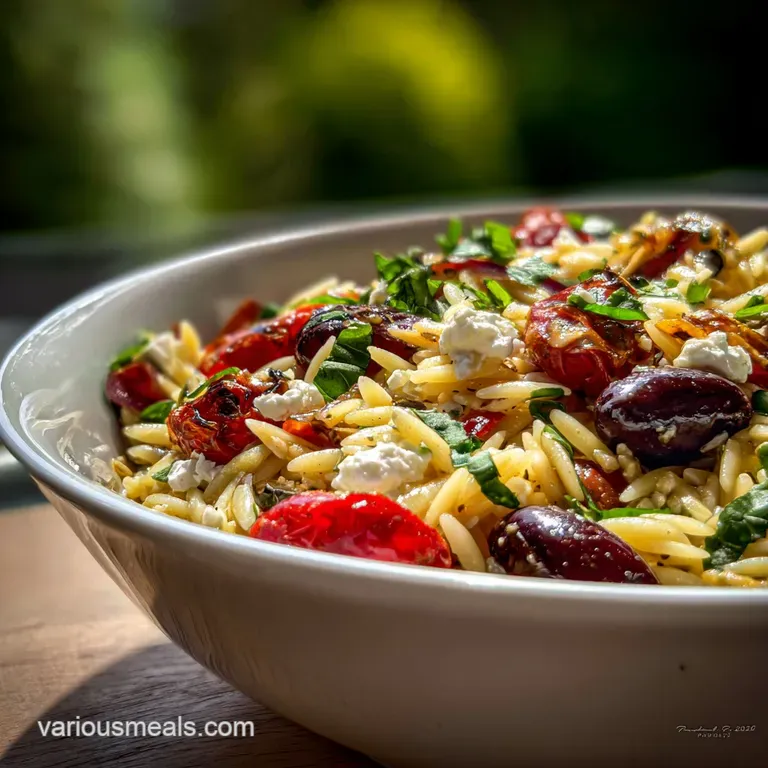
- Time: Active 10 mins, Passive 10 mins, Total 20 mins
- Flavor/Texture Hook: Zesty lemon meets velvety feta and crisp cucumber
- Perfect for: Backyard barbecues, family picnics, or a light summer lunch
- Creating a Bright and Refreshing Orzo Pasta Salad
- The Architecture of the Grain
- Breaking Down the Numbers for Recipe Success
- Selecting High Quality Components for Maximum Flavor
- Gathering the Right Tools for Efficient Prep
- Executing the Culinary Steps for Perfect Results
- Solving Common Issues and Avoiding Cooking Mistakes
- Modifying the Dish for Various Nutritional Lifestyles
- Preserving Freshness and Using Every Last Scraps
- Beautiful Presentation Ideas for Your Next Gathering
- Frequently Asked Questions
- Recipe FAQs
- 📝 Recipe Card
Creating a Bright and Refreshing Orzo Pasta Salad
Whenever I smell fresh lemons being squeezed over a pile of chopped oregano, I’m immediately transported to my grandmother’s sun drenched patio. There was always a massive ceramic bowl sitting in the center of the table, sweating slightly from the heat, filled with what we simply called "the rice pasta." The aroma of red wine vinegar hitting warm starch is something that triggers a Pavlovian response in me now.
It’s the scent of summer, of long afternoons where the only thing on the agenda was finishing a second helping before the sun went down.
I’ve spent years trying to replicate that exact balance of tang and crunch, and I’ve made plenty of mistakes along the way. I used to overcook the pasta until it turned into a mushy pile, or I’d forget to salt the water, leaving the whole dish tasting flat no matter how much feta I crumbled on top.
Through trial and error, I found that the secret isn’t just about the ingredients, but about how you treat the pasta the second it leaves the pot. We want grains that feel like silk on the tongue but still offer a tiny bit of resistance when you bite down.
This recipe is my go to because it doesn't try to be something it’s not. It is honest comfort food that celebrates the garden. You get the snap of the English cucumber, the salty punch of Kalamata olives, and that specific shimmer of extra virgin olive oil coating every single surface.
It's approachable, it's reliable, and honestly, you'll find yourself standing at the fridge with a fork at midnight just to get one more bite. Let’s get into the details so you can recreate this at home without the "mush factor" I struggled with for so long.
The Architecture of the Grain
Starch Gelatinization Control: Boiling the pasta in 4 quarts of water ensures enough volume to dilute surface starch, preventing the grains from sticking together into a gummy mass.
Osmotic Balance: Salting the boiling water deeply allows the sodium to penetrate the center of each orzo grain, creating a foundational flavor that topical seasoning can't match.
Acid Denaturation: The lemon juice and vinegar work to "tighten" the exterior of the pasta and the vegetables, keeping the cucumber crisp even after it sits in the dressing for an hour.
Emulsification Stability: Mixing the oil and acids with pressed garlic creates a temporary emulsion that clings to the smooth surface of the orzo rather than sliding to the bottom of the bowl.
| Cook Method | Time | Texture Outcome | Best Use Case |
|---|---|---|---|
| Stovetop Boiling | 8-10 mins | Firm, distinct grains with a silky exterior | Cold salads and light pasta sides |
| Oven Toasted/Baked | 20-25 mins | Nutty, slightly chewy, and deeply absorbent | Casseroles or warm pilaf style dishes |
| Rice Cooker | 12 mins | Softer, more cohesive and plump | Quick weeknight meals with sauces |
Choosing the stovetop method is vital for this specific dish because we need that precise control over the "al dente" window. If you've ever had a salad where the pasta felt like it was melting, it's likely because it was boiled for even 60 seconds too long.
I always set my timer for the minimum suggested time and start tasting immediately.
Breaking Down the Numbers for Recipe Success
To get this right, we have to look at the components as a team. We aren't just throwing things in a bowl; we are building layers of texture. The 1 lb dry orzo pasta provides the bulk, but the 1.5 cups cherry tomatoes and 1 large English cucumber provide the structural hydration that makes the salad feel fresh rather than heavy.
I prefer the English variety of cucumber because the skin is thinner and the seeds are almost non existent, which means less watery mess at the bottom of your bowl.
The fat content here is also specific. We are using 0.5 cup extra virgin olive oil and 6 oz feta cheese. This might seem like a lot, but the orzo is a hungry little pasta; it absorbs the oil quickly.
The feta adds a briny, velvety finish that rounds out the sharp edges of the 0.25 cup lemon juice and 1 tbsp red wine vinegar. It’s a calculated ratio designed to stay balanced even after a few hours in the fridge.
| Component | Science Role | Pro Secret |
|---|---|---|
| Orzo Pasta | Structural Base | Rinse under cold water immediately to stop the cooking process and remove excess surface starch. |
| Lemon Juice | Acidic Brightener | Use fresh fruit only; the zest contains oils that provide a much deeper aroma than the juice alone. |
| Kalamata Olives | Umami Punch | Buy them with the pits in and smash them yourself for a much firmer, meatier texture in the salad. |
| Garlic Cloves | Aromatic Bridge | Press the garlic directly into the oil to allow the fat to carry the garlic flavor evenly throughout the dish. |
When you're picking out your tomatoes, look for the ones that feel heavy for their size. If they are too soft, they will collapse when you toss the salad. We want them to hold their shape so they can provide a little "pop" of sweetness when you bite into them.
This contrast is what makes the Orzo Pasta Salad feel so dynamic on the plate.
Selecting high-quality Components for Maximum Flavor
- 1 lb dry orzo pasta: This is the heart of the dish. Why this? The small shape mimics rice but carries the satisfying chew of traditional wheat pasta.Substitute: Ditalini or Acini di pepe.
- 4 quarts water: Used for boiling. Why this? Plenty of space prevents the pasta from becoming a gummy, stuck together mess during the boil.Substitute: Vegetable broth for extra flavor.
- 1.5 cups cherry tomatoes, halved: These provide bursts of acidity. Why this? Cherry tomatoes stay firm and don't leak as much juice as larger sliced tomatoes.Substitute: Grape tomatoes or diced sun dried tomatoes.
- 1 large English cucumber, diced: For the ultimate crunch. Why this? Thinner skin means you don't have to peel it, adding color and saving time.Substitute: Persian cucumbers (use 3 or 4).
- 0.5 cup Kalamata olives, pitted and sliced: The salty element. Why this? Their dark, rich flavor profile pairs perfectly with the lemon and feta.Substitute: Castelvetrano olives for a milder, buttery vibe.
- 0.33 cup red onion, finely minced: For a sharp, spicy bite. Why this? Red onion provides a beautiful color contrast and a necessary aromatic punch.Substitute: Shallots for a softer, less aggressive onion flavor.
- 6 oz feta cheese, crumbled: The creamy component. Why this? Feta doesn't melt, so it stays in distinct, salty chunks throughout the salad.Substitute: Goat cheese or firm halloumi cubes.
- 0.5 cup extra virgin olive oil: The primary fat source. Why this? high-quality oil carries the flavors of the herbs and garlic to every grain.Substitute: Avocado oil (though you'll lose that classic peppery olive note).
- 0.25 cup fresh lemon juice: For brightness. Why this? The citric acid cuts through the richness of the oil and cheese.Substitute: White balsamic vinegar.
- 1 tbsp red wine vinegar: For a different layer of tang. Why this? It adds a fruity, fermented complexity that lemon juice lacks on its own.Substitute: Apple cider vinegar.
- 2 cloves garlic, pressed: The savory backbone. Why this? Pressing creates a paste that emulsifies better into the dressing than mincing.Substitute: 1 tsp garlic powder in a pinch.
- 1 tsp dried oregano: The classic Mediterranean herb. Why this? Dried oregano actually has a more concentrated, earthy flavor that stands up well to chilling.Substitute: Fresh oregano (use 1 tbsp).
If you are looking for a bit of a heartier meal, this base works incredibly well as a side for a Mediterranean Chickpea Salad recipe. The flavors are very similar, and the chickpeas add a nice boost of protein and fiber to the spread.
Gathering the Right Tools for Efficient Prep
You don't need a professional kitchen to pull this off, but a few specific tools make the process much smoother. First, a large stockpot is non negotiable. You need that 4 quarts of water to move freely. If the orzo is cramped, it will release starch and turn into a sticky brick.
I also highly recommend a fine mesh strainer rather than a traditional colander with large holes. Orzo is small, and you don't want half your dinner slipping through the cracks into the sink.
A large glass mixing bowl is my preferred vessel for assembly. Glass doesn't react with the lemon juice or vinegar, ensuring the flavor stays clean. Plus, you can see if the dressing has settled at the bottom, telling you it’s time for another toss.
Finally, a good citrus press will save your hands and ensure you get every last drop of that 0.25 cup of lemon juice without any stray seeds ruining the texture of your Orzo Pasta Salad.
Chef's Tip: Freeze your block of feta for 10 minutes before crumbling it. This makes the cheese hold its shape in larger, more defined chunks rather than turning into a "feta dust" that disappears into the dressing.
Another trick I've learned is to rub the 1 tsp of dried oregano between your palms before adding it to the dressing. This friction releases the essential oils that have been dormant in the dried leaves, giving you a much more aromatic result.
You’ll notice the scent immediately it’s earthy and warm, exactly what the lemon juice needs to find its balance.
Executing the Culinary Steps for Perfect Results
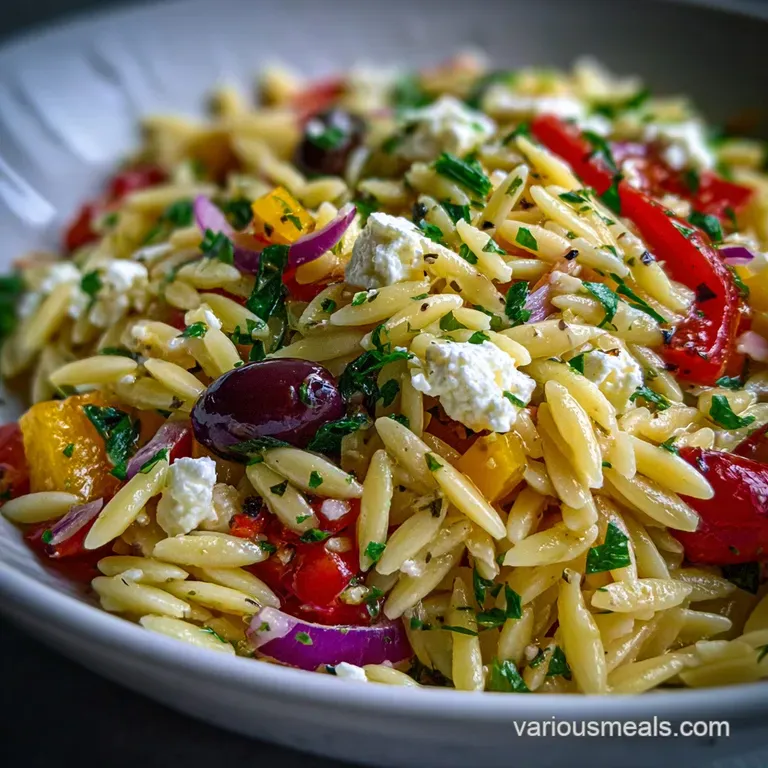
- Boil the water. Fill your stockpot with 4 quarts of water and a generous pinch of salt. Bring it to a rolling boil until you see large, aggressive bubbles breaking the surface.
- Cook the orzo. Add the 1 lb dry orzo pasta to the water. Note: Stir immediately to prevent the grains from sinking and sticking to the bottom of the pot.
- Test for doneness. Boil for about 8 to 10 minutes. Taste a grain at the 8 minute mark; it should be firm but not crunchy. Cook until the center no longer tastes like raw flour.
- Drain and rinse. Pour the pasta into a fine mesh strainer. Immediately run cold water over it until the steam stops rising and the grains feel cool to the touch. This stops the cooking and washes away the "gluey" starch.
- Prep the vegetables. While the pasta drains, halve the 1.5 cups cherry tomatoes and dice the large English cucumber. Mince the 0.33 cup red onion as finely as possible.
- Create the dressing. In a small jar or bowl, whisk the 0.5 cup extra virgin olive oil, 0.25 cup lemon juice, 1 tbsp red wine vinegar, 2 pressed garlic cloves, and 1 tsp dried oregano until the mixture looks cloudy and slightly thickened.
- Combine the base. Transfer the cooled orzo to a large bowl. Pour the dressing over the pasta and toss until every grain is shimmering with oil.
- Add the produce. Fold in the tomatoes, cucumber, red onion, and 0.5 cup sliced Kalamata olives. Stir gently to avoid crushing the tomatoes.
- Fold in the cheese. Add the 6 oz crumbled feta cheese last. Note: Adding it last prevents the cheese from breaking down too much and turning the salad white.
- Final Chill. Let the salad sit in the fridge for at least 30 minutes before serving. This allows the pasta to "drink" some of the dressing and the flavors to meld.
As you toss everything together, you should smell the sharp citrus and the pungent garlic. The salad will look glossy. If it looks dry, don't be afraid to add a tiny splash more oil right before serving. If you're in a massive hurry and need something even faster, you might enjoy this 15 Minute Pasta recipe which uses a similar flavor profile but focuses on speed.
Solving Common Issues and Avoiding Cooking Mistakes
Why Your Orzo Is Clumping
The most common heartbreak with this dish is ending up with a giant ball of pasta. This usually happens for two reasons: not enough water or skipping the rinse. Orzo has a high surface area to volume ratio, meaning it releases a lot of starch.
If that starch isn't washed away after cooking, it acts like glue as the pasta cools. Always use the full 4 quarts of water and never skip the cold rinse for a salad application.
Why the Salad Tastes Bland
If you find yourself adding salt over and over at the end but the dish still feels "blah," it's because the pasta wasn't salted from the inside. The boiling water needs to be "salty like the sea." Plus,, if the lemon juice isn't fresh, the acidity will be dull.
Fresh lemon juice has a structural "snap" that bottled juice just can't replicate. Check your oregano too if it’s been in the pantry for three years, it's just green dust at this point.
| Problem | Root Cause | Solution |
|---|---|---|
| Soggy Vegetables | Added too early or cut too small | Add the cucumber and tomatoes no more than 2 hours before serving if making ahead. |
| Greasiness | Dressing didn't emulsify | Whisk the oil and acids vigorously or shake them in a jar until they combine before pouring. |
| Mushy Pasta | Overcooked by even 2 minutes | Start tasting the orzo 2 minutes before the box instructions suggest; aim for a "bite." |
Common Mistakes Checklist
- ✓ Always salt your pasta water heavily; it's your only chance to season the grain itself.
- ✓ Rinse the orzo under cold water until it is completely cold to stop the carryover cooking.
- ✓ Don't add the feta until the very end to keep the chunks intact and the dressing clear.
- ✓ Pat your cucumbers dry after dicing to prevent excess water from diluting the vinaigrette.
- ✓ Let the salad rest for 30 minutes; the orzo needs time to absorb the flavors of the garlic and oregano.
Modifying the Dish for Various Nutritional Lifestyles
If you need to cut down on the size of the batch, scaling this Orzo Pasta Salad is fairly straightforward. For a half batch (4 servings), use 0.5 lb of pasta and 2 quarts of water. You can still use a whole cucumber if you like it extra crunchy, but definitely cut the oil and lemon juice in half.
When scaling up for a big party (double batch), I recommend keeping the salt and oregano at about 1.5 times the original amount first, then tasting. Spices and salt don't always need a linear 1:1 increase and can quickly overwhelm a large bowl.
For those looking to add more substance, this dish is a fantastic canvas. If you’re focusing on a Chicken Salad Meal recipe for the week, you can easily shred some rotisserie chicken and fold it into the orzo. The lemon and oregano profile perfectly complements lean poultry.
Adding Lean Protein
To turn this from a side into a main course, try adding 1 lb of grilled shrimp or sliced chicken breast. The acidity in the Orzo Pasta Salad dressing acts like a secondary sauce for the meat. If you go this route, add an extra tablespoon of olive oil to ensure everything stays lubricated.
Making it Plant Based
For a vegan version, simply omit the feta cheese. You can replace that creamy, salty element with diced avocado (add this right before serving so it doesn't brown) or a handful of toasted pine nuts for crunch. You might also add a teaspoon of nutritional yeast to the dressing to mimic the savory "funk" of the cheese.
Preserving Freshness and Using Every Last Scraps
Storage Guidelines This salad keeps remarkably well in the fridge for up to 3 days. In fact, many people (including me) think it tastes better on day two once the garlic has really permeated the pasta. Store it in an airtight container.
If it looks a bit dry when you take it out for leftovers, hit it with a fresh squeeze of lemon and a tiny drizzle of oil to wake up the flavors. I do not recommend freezing this dish; the cucumbers and tomatoes will turn to mush upon thawing, and the pasta texture will become grainy.
Zero Waste Tips Don't toss those lemon peels! Before you juice the lemons, zest them and save the zest in a small bag in the freezer for future baking or marinades. The ends of the red onion and the cucumber peels can be tossed into a freezer bag for making homemade vegetable stock later.
If you have leftover Kalamata olive brine, use it as a marinade for chicken or even a splash in a dirty martini it's liquid gold.
Beautiful Presentation Ideas for Your Next Gathering
The Picnic Presentation
If you're taking this to a park, consider layering the ingredients in a large glass jar rather than mixing them. Put the dressing at the very bottom, followed by the olives, onions, and cucumbers, then the pasta, and finally the tomatoes and feta on top. When you arrive, just shake the jar or dump it into a bowl.
This keeps the vegetables from getting soft and ensures a beautiful, fresh look every time.
Pairing with the Grill
This Orzo Pasta Salad is the ultimate companion for anything charred. It provides a cool, acidic contrast to the smoky flavors of grilled lamb chops or souvlaki. I like to serve it on a wide, shallow platter rather than a deep bowl so guests can see all the colorful components.
Garnish with a few sprigs of fresh parsley or mint right before the bowl hits the table to add a "just picked" aroma that will have everyone reaching for the serving spoon.
One myth I hear a lot is that you should never rinse pasta because you lose the starch that helps sauce stick. While that’s true for a hot bowl of spaghetti and marinara, it’s the opposite for a cold salad. Rinsing is the only way to get that clean, elegant texture we want here.
Another misconception is that "al dente" doesn't matter for salad since it will soften anyway. Actually, the acid in the dressing will "cook" the pasta further, so if you start with soft orzo, you'll end with mushy orzo. Trust the timer!
Frequently Asked Questions
Can I make orzo pasta salad the night before? Yes, this salad actually benefits from sitting for a few hours. However, for the best texture, I recommend adding the cucumbers and tomatoes about 1-2 hours before serving so they stay as crisp as possible.
Is orzo gluten-free? No, traditional orzo is made from wheat flour. If you need a gluten-free version, look for orzo made from cassava or rice flour, or substitute with a short grain brown rice.
Why is my orzo salad dry the next day? Pasta acts like a sponge and will continue to absorb the dressing as it sits in the fridge. Simply add a tablespoon of olive oil and a squeeze of lemon juice to refresh the texture before eating leftovers.
Can I use bottled lemon juice? You can, but the flavor will be significantly different. Fresh lemon juice has volatile oils and a bright acidity that bottled versions lack. Since lemon is a primary flavor here, fresh is always worth the effort.
What is a good substitute for feta cheese? If you don't like feta, try goat cheese for creaminess or shaved parmesan for a salty, nutty alternative. For a dairy-free option, marinated artichoke hearts provide a similar tangy bite.
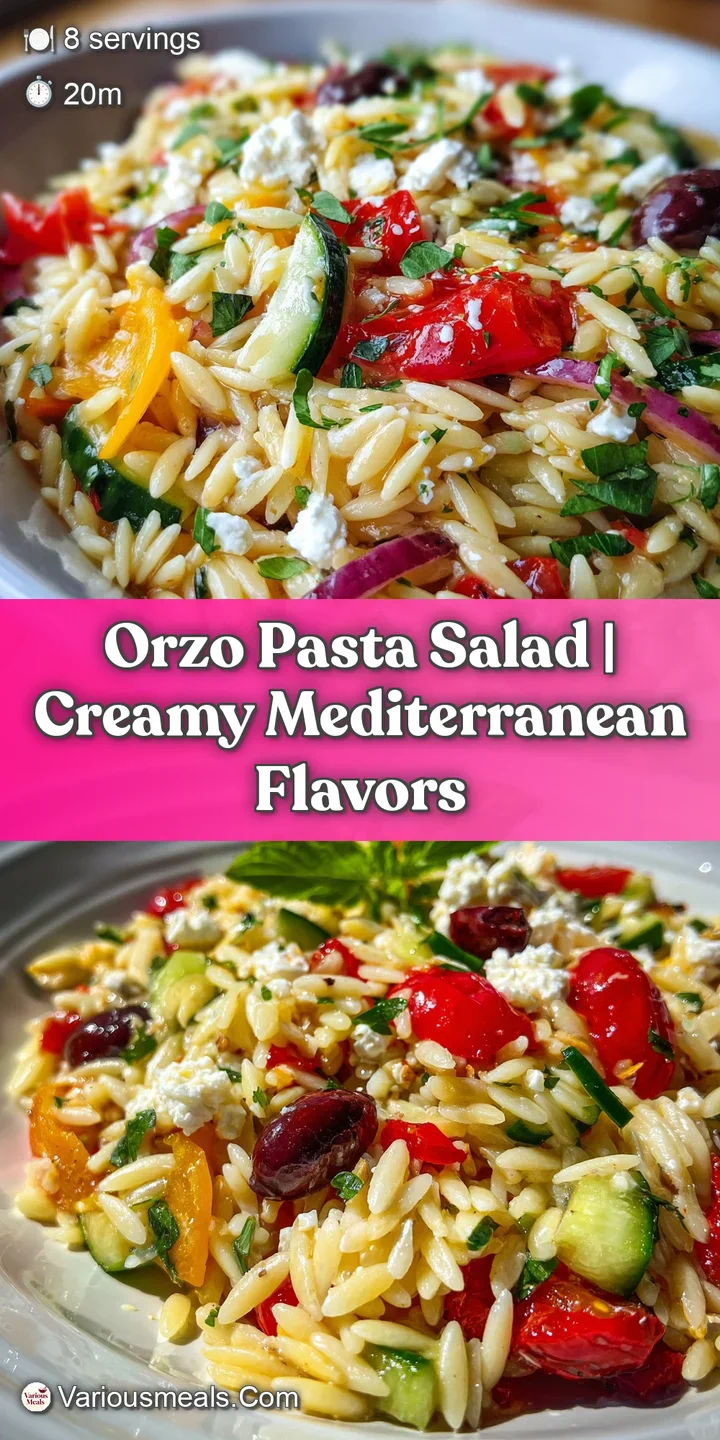
Recipe FAQs
Can you use orzo for pasta salad?
Yes, absolutely. Orzo's small, rice like shape makes it perfect for pasta salads, absorbing dressings beautifully without becoming mushy if cooked correctly.
Is orzo healthier than rice or pasta?
It's comparable to traditional pasta. Orzo is typically made from durum wheat, offering similar nutritional benefits to other wheat based pastas in terms of carbohydrates and protein.
It doesn't offer a significant health advantage over standard pasta or rice unless you opt for whole grain orzo varieties.
Should you rinse orzo for pasta salad?
Yes, for salads, always rinse orzo. Rinsing orzo under cold water immediately after draining stops the cooking process and removes excess surface starch, preventing it from clumping into a gummy mass.
How to cook orzo for salad?
Boil orzo in plenty of salted water for 8-10 minutes until al dente. Stir immediately after adding to the boiling water to prevent sticking, then drain and rinse thoroughly under cold water until cool to stop cooking.
Can I make orzo pasta salad the night before?
Yes, it's a great make-ahead dish. The flavors meld wonderfully overnight, but for the crispiest texture, it's best to add delicate vegetables like cucumbers and tomatoes within 1-2 hours of serving.
Why is my orzo salad dry the next day?
Pasta absorbs dressing as it sits. Orzo, like other pasta, soaks up liquid over time. Refresh leftovers by tossing with a little extra olive oil and lemon juice before serving.
What is a good substitute for feta cheese in orzo salad?
Goat cheese or firm halloumi are excellent substitutes. For a dairy-free option, marinated artichoke hearts can offer a similar tangy element, or try toasted pine nuts for added crunch, similar to how you might add nuts to a 5 Minute Mug Cake Recipe with Chocolate Chips - Ready in 5 Minutes.
Orzo Pasta Salad
Ingredients:
Instructions:
Nutrition Facts:
| Calories | 410 kcal |
|---|---|
| Protein | 10.5 g |
| Fat | 20.8 g |
| Carbs | 46.9 g |
| Fiber | 2.8 g |
| Sugar | 3.1 g |
| Sodium | 625 mg |
