Seafood Pasta with Shrimp and Scallops
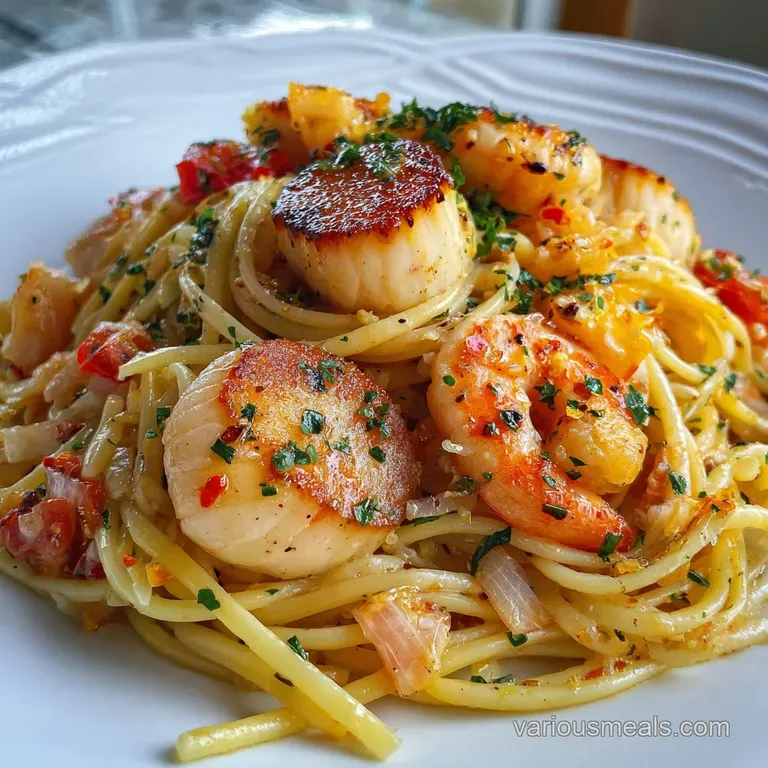
- Time: Active 15 minutes, Passive 15 minutes, Total 30 minutes
- Flavor/Texture Hook: Velvety sauce with shatter crisp scallop edges and tangy citrus notes.
- Perfect for: A comforting family Sunday dinner or a special anniversary meal at home.
- Create a Perfect Seafood Pasta
- Why This Works
- Essential Recipe Specifics
- Selecting Your Quality Ingredients
- Ingredient Deep Dive
- Best Equipment for Success
- Step-by-Step Cooking Guide
- Preventing Common Cooking Errors
- Simple Recipe Adaptations
- Myths About Seafood Cooking
- Storage and Waste Tips
- Perfect Side Dish Pairings
- High in Sodium
- Recipe FAQs
- 📝 Recipe Card
Create a Perfect Seafood Pasta
The sizzle of a sea scallop hitting a hot cast iron pan is a sound I’ll never get tired of. It’s that sharp, aggressive crackle that tells you the exterior is turning into a golden, caramelized crust while the center stays buttery and soft.
I remember the first time I tried making this for my parents; the kitchen smelled so strongly of toasted garlic and lemon that my neighbor actually knocked on the door to ask what was happening.
It wasn’t just a meal; it was an event that filled the whole house with warmth and that specific, salty aroma of the coast.
We’ve all had those restaurant versions where the shrimp are rubbery and the sauce is just a puddle of oil at the bottom of the bowl. Trust me, I’ve made those mistakes too. I used to dump everything in at once, wondering why my scallops looked gray instead of gold.
But after years of tinkering, I’ve realized that the secret isn’t some fancy ingredient it’s the sequence. We’re going to build layers of flavor, starting with the seafood and ending with a silky emulsion that clings to every strand of linguine.
This isn’t about a "quick" fix; it’s about a traditional approach that respects the ingredients. You’re going to get that beautiful contrast between the rich, heavy cream and the bright, acidic punch of a dry white wine. It’s a family favorite because it feels luxurious without being fussy.
You’ll see the joy on everyone’s faces when you bring a steaming bowl of this to the table, finished with a handful of fresh parsley and a final squeeze of lemon. Let's get into the details of how to make this work every single time.
Why This Works
- The Maillard Reaction: High heat transforms the proteins on the surface of the scallops into complex sugars, creating a savory, browned crust.
- Starch Fat Emulsion: Pasta water contains released starches that act as a bridge, allowing the butter and wine to bind into a velvety sauce instead of separating.
- Carryover Control: Removing the seafood while building the sauce prevents overcooking, ensuring the shrimp stay snappy rather than tough.
- Acid Balance: The lemon juice and white wine cut through the richness of the heavy cream, keeping the flavor profile bright and balanced.
| Thickness | Internal Temp | Rest Time | Visual Cue |
|---|---|---|---|
| Large Shrimp | 145°F | 2 mins | Opaque and C shaped |
| Sea Scallops | 130°F | 3 mins | Golden crust, translucent center |
| Linguine | N/A | 1 min | Slightly firm to the tooth |
Using the right visual cues is better than relying strictly on a timer because stove temperatures vary wildly. When you see that scallop pull away from the pan easily, that's the pan telling you the sear is complete.
Essential Recipe Specifics
Before we start the stove, let's look at the flavor map for this dish. We are aiming for a balance of sweet, savory, and bright. The scallops provide the sweetness, the garlic and butter bring the savory comfort, and the lemon and wine offer the brightness.
It’s a classic Italian American profile that feels like home.
| Metric | Measurement | Checkpoint |
|---|---|---|
| Seafood Weight | 1.5 lbs total | Ensure even distribution per plate |
| Liquid Ratio | 0.75 cups total | Balance of wine and cream for silkiness |
| Prep Timing | 15 minutes | Have all garlic sliced and lemon zested |
It's helpful to compare your options before you head to the store. While shortcuts exist, they change the final texture of the sauce and the quality of the sear.
| Feature | Fresh Seafood | Frozen/Shortcut |
|---|---|---|
| Texture | Firm and silky | Can be watery or soft |
| Flavor | Sweet and briny | Muted or slightly metallic |
| Sear Quality | Excellent crust | Harder to brown due to moisture |
One trick I've learned is to always buy "dry" scallops. "Wet" scallops are treated with phosphates that cause them to leak water in the pan, which means they'll steam instead of sear.
If you only have access to frozen, thaw them completely in the fridge and pat them dry with paper towels until they are bone dry to the touch.
Selecting Your Quality Ingredients
For the best seafood pasta, the quality of your garlic and oil matters just as much as the shrimp. I always reach for a high-quality extra virgin olive oil for that peppery finish.
- 1 lb linguine or spaghetti: Why this? Long strands provide more surface area for the silky sauce to cling to.
- Substitute: Fettuccine for a wider, heartier bite.
- 1 lb large shrimp: Why this? Peeled and deveined shrimp save time and stay juicy during a over high heat sear.
- Substitute: Tiger prawns for a more dramatic presentation.
- 0.5 lb sea scallops: Why this? They provide a buttery, sweet contrast to the snappy shrimp.
- Substitute: Bay scallops, but reduce searing time by half.
- 3 tbsp unsalted butter: Why this? Unsalted allows you to control the seasoning precisely.
- Substitute: Ghee for a higher smoke point during the sear.
- 2 tbsp extra virgin olive oil: Why this? It prevents the butter from burning and adds a rich, fruity base.
- Substitute: Avocado oil for a neutral, over high heat alternative.
- 5 cloves fresh garlic: Why this? Thinly sliced garlic mellows into sweet chips rather than harsh bits.
- Substitute: 1.5 tsp garlic powder if you're in a pinch, but it loses the texture.
- 0.5 cup dry white wine: Why this? Use Pinot Grigio or Sauvignon Blanc to add essential acidity.
- Substitute: Chicken stock with an extra teaspoon of lemon juice.
- 0.25 cup heavy cream: Why this? Just enough to add a velvety mouthfeel without making it a "cream sauce."
- Substitute: Full fat coconut milk for a subtle, nutty undertone.
- 0.25 cup fresh parsley: Why this? Adds a clean, grassy finish to balance the richness.
- Substitute: Fresh basil for a sweeter, more aromatic profile.
- 1 whole lemon (zest and juice): Why this? Zest provides the aroma, while juice provides the structural acid.
- Substitute: Lime for a more tropical, sharp citrus note.
- 0.5 tsp red pepper flakes: Why this? Provides a gentle back of-the throat warmth.
- Substitute: A pinch of cayenne for a more direct heat.
- 1 tsp kosher salt & 0.5 tsp black pepper: Why this? Essential for drawing out the natural flavors of the seafood.
- Substitute: Sea salt for a more mineral forward seasoning.
Ingredient Deep Dive
The science of these ingredients is fascinating once you see how they interact. For instance, the acidity in the wine doesn't just add flavor; it actually helps to denature the proteins in the seafood, keeping them tender if added at the right moment.
| Ingredient | Science Role | Pro Secret |
|---|---|---|
| Heavy Cream | Fat Emulsifier | Add at the very end to prevent curdling from lemon acid |
| Dry White Wine | Solvent for Fond | Use a wine you'd actually drink; the flavors concentrate |
| Fresh Garlic | Aromatic Base | Slice, don't press, to keep the flavor sweet and nutty |
When you're building your sauce, the interaction between the wine and the starch in the pasta water is what creates that restaurant quality "glaze" on the noodles. This technique is similar to how we handle the base in our 30 Minute Weeknight recipe, where we focus on building flavor in a single pan to maximize efficiency.
Best Equipment for Success
You don't need a professional kitchen, but a few specific tools will make your life much easier. I always recommend a heavy bottomed pan. Stainless steel or cast iron is best because they hold heat efficiently, which is non negotiable for getting a proper sear on those scallops.
- Large Stainless Steel Skillet: The wide surface area allows moisture to evaporate quickly, which prevents the seafood from steaming in its own juices.
- Tongs with Silicone Tips: These give you the precision to flip individual shrimp without scratching your pan or tearing the delicate scallop flesh.
- Microplane Zester: This tool is vital for getting only the yellow part of the lemon zest. Avoid the white pith, as it is incredibly bitter.
Chef's Tip: Freeze your butter for 10 minutes before adding it to the sauce at the end. The cold fat emulsifies more slowly and smoothly into the hot liquid, resulting in a glossier, more stable sauce that won't "break" or become oily.
step-by-step Cooking Guide
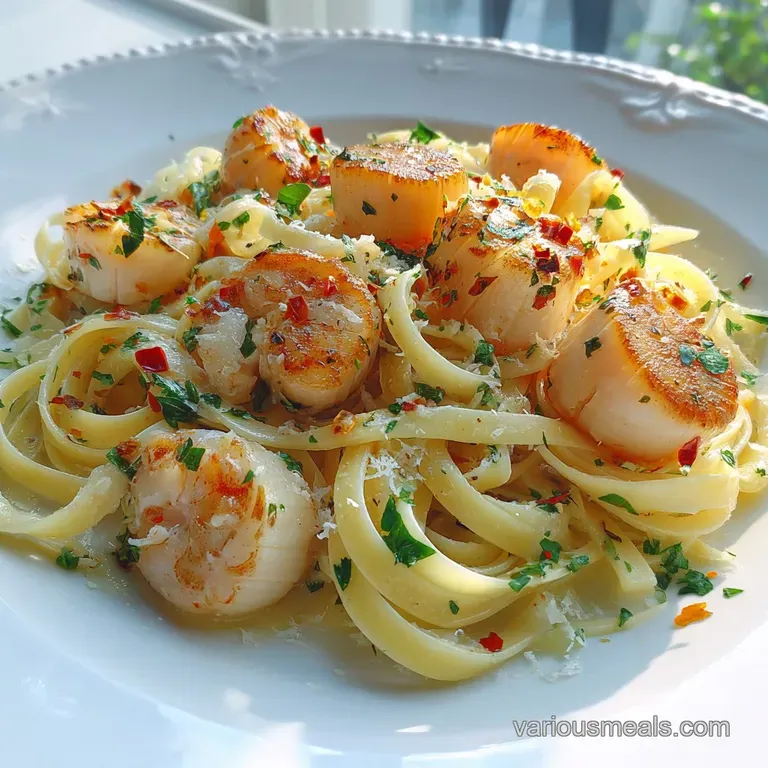
Let's walk through the process. The key here is to have everything ready before you turn on the heat. Once the seafood starts cooking, things move fast.
1. The Pasta Foundation
Bring a large pot of salted water to a boil and cook 1 lb linguine. Cook 2 minutes less than the package instructions. Note: The pasta will finish cooking in the sauce, absorbing the wine and cream.
2. The Golden Sear
Pat 0.5 lb sea scallops and 1 lb shrimp completely dry. Season with half the salt and pepper. In a large skillet, heat 1 tbsp olive oil and 1 tbsp butter over medium high heat until the butter stops foaming and begins to shimmer.
3. Searing the Scallops
Add scallops to the pan, leaving space between them. Sear for 2 minutes until a deep golden crust forms. Flip and cook for 1 more minute. Remove to a plate. Note: Don't move them once they hit the pan; let the crust build.
4. Searing the Shrimp
Add the remaining oil to the pan. Add shrimp in a single layer. Cook for 2 minutes until they turn pink and opaque. Flip and cook for 30 seconds. Remove and place with the scallops.
5. Making the Sauce
Lower the heat to medium. Add the remaining 2 tbsp butter and 5 sliced garlic cloves. Sauté for 1 minute until the garlic is fragrant and light golden. Add 0.5 tsp red pepper flakes.
6. Deglazing the Pan
Pour in 0.5 cup dry white wine. Scrape the bottom of the pan with a wooden spoon until all the browned bits (fond) are dissolved. Simmer for 3 minutes until the liquid reduces by half.
7. The Grand Emulsion
Whisk in 0.25 cup heavy cream and the lemon juice. Simmer for 1 minute until the sauce slightly thickens. Add 1/2 cup of reserved pasta water to the skillet.
8. Finishing the Dish
Toss the undercooked linguine into the sauce. Cook for 2 minutes until the sauce coats the pasta perfectly. If it looks dry, add another splash of pasta water.
9. The Final Assembly
Fold the seared scallops and shrimp back into the pan along with 0.25 cup parsley and lemon zest. Toss gently until the seafood is warmed through.
10. Serving
Taste and add the remaining salt and pepper if needed. Serve immediately in warmed bowls. Note: Warmed bowls keep the delicate seafood from cooling too quickly.
Preventing Common Cooking Errors
Seafood is unforgiving, but most issues are easily fixed if you catch them early. The most common heartbreak is "rubbery" shrimp, which almost always comes from leaving them in the pan while you make the sauce.
Fixing Rubbery Texture
If your seafood feels like a bouncy ball, it’s overcooked. This happens because the residual heat keeps cooking the protein even after you turn off the flame. Check your internal temps (145°F for shrimp). Always pull the seafood out when it is just opaque.
Never boil the seafood in the sauce; only fold it in at the very end to reheat.
Emulsion Stability Tips
A "broken" sauce looks like oily separation instead of a creamy glaze. This is usually caused by the heat being too high when you add the cream or not having enough starch.
| Problem | Root Cause | Solution |
|---|---|---|
| Oily Sauce | Lack of emulsifier | Add 2 tbsp starchy pasta water and whisk vigorously |
| Curdled Sauce | Added lemon too early | Whisk in a splash of room temp cream to smooth it out |
| Bland Pasta | Salted water was weak | Add a pinch of salt and extra lemon zest at the finish |
If you find the sauce is disappearing too fast, it's likely the pasta is "drinking" it. This is a good sign that the noodles are absorbing flavor, but you need to compensate by adding more pasta water. It's a trick I often use with my French Onion Pasta recipe to keep things silky.
Common Mistakes Checklist
- ✓ Pat seafood bone dry with paper towels (moisture is the enemy of a good sear).
- ✓ Don't overcrowd the pan; sear in two batches if necessary.
- ✓ Reserve your pasta water before draining the pot.
- ✓ Use fresh lemon juice, never the bottled stuff which has a chemical aftertaste.
- ✓ Slice garlic thinly instead of mincing to prevent it from burning and turning bitter.
Simple Recipe Adaptations
Feeding a crowd or sticking to a budget? You can easily tweak this without losing the soul of the dish.
- Downscaling (2 servings): Use a smaller 10 inch skillet. Keep the garlic at 3 cloves because flavor doesn't always scale linearly. Reduce the wine to 1/3 cup.
- Upscaling (8 servings): Cook the pasta in two separate pots. Sear the seafood in 3-4 batches to maintain pan heat. Use 1.5x the spices (red pepper/salt) to avoid overwhelming the palate.
- Budget Shortcuts: If sea scallops are too pricey, bay scallops are a great alternative. They are smaller and sweeter, but they only need about 60 seconds of total cook time.
| Premium | Budget | Flavor Impact | Savings |
|---|---|---|---|
| Sea Scallops | Bay Scallops | Sweeter but less "meaty" | Save $10-15 |
| Fresh Parmigiano | Domestic Parmesan | Less nutty depth | Save $5 |
| White Wine | Chicken Broth | Less acidic punch | Save $12 |
When upscaling, remember that the liquid doesn't need to double. If you're doubling the pasta, use about 1.75x the wine and cream. Too much liquid will turn your beautiful sauce into a soup.
Myths About Seafood Cooking
One of the biggest misconceptions is that you should "wash" your seafood before cooking. This actually spreads bacteria around your sink and adds unnecessary moisture to the surface of the shrimp. Just pat them dry and they are ready to go.
Another myth is that you can't use cheese with seafood. While traditional Italian rules are strict about this, a very light dusting of high-quality Pecorino can actually complement the saltiness of the shrimp.
However, for this specific lemon butter version, I find the citrus provides enough "lift" that cheese isn't necessary.
Finally, many people think you need a massive amount of oil to sear scallops. In reality, you only need enough to coat the bottom of the pan. The sear comes from the contact with the hot metal, not from deep frying.
Storage and Waste Tips
- Storage
- Seafood pasta is best eaten fresh. If you have leftovers, store them in an airtight container in the fridge for up to 2 days.
- Reheating
- Do not use the microwave! It will turn your shrimp into rubber. Instead, heat a splash of water or milk in a skillet over low heat, add the pasta, and toss gently until just warmed through.
- Zero Waste
- Don't throw away those shrimp shells! Throw them in a freezer bag. When you have a few handfuls, boil them with some onion scraps and water for 20 minutes to make a quick seafood stock for your next risotto.
If you have leftover lemon halves that have been zested and juiced, throw them into your garbage disposal to freshen it up, or use the rinds to scrub your wooden cutting board with a bit of coarse salt. It’s a great natural disinfectant. For more quick meal ideas that help use up pantry staples, you might enjoy my 15 Minute Pasta recipe which is great for cleaning out the veggie drawer.
Perfect Side Dish Pairings
This dish is quite rich, so you want sides that offer a crisp, refreshing contrast. A simple arugula salad with a light vinaigrette is my go to. The peppery bite of the greens cuts through the buttery sauce perfectly.
You could also serve this with a side of roasted asparagus or broccolini. If you roast them with a bit of lemon and salt, they mirror the flavors in the pasta. And of course, no seafood feast is complete without some crusty bread.
Use it to swipe up every last drop of that lemon garlic wine sauce from the bottom of your bowl it’s honestly the best part of the meal.
For a family gathering, I often set out a big platter of grilled vegetables. The charred edges of the veggies provide a nice smoky contrast to the bright acidity of the pasta. Whatever you choose, keep it simple so the seafood remains the star of the show.
High in Sodium
885 mg mg of sodium per serving (38% % of daily value)
The American Heart Association recommends limiting sodium intake to about 2,300mg per day for overall cardiovascular health.
Sodium Reduction Strategies
-
Reduce Added Salt-25%
The recipe includes 1 tsp of kosher salt. Start by reducing the salt by half or eliminating it altogether. Taste and add a very small amount only if absolutely needed. This simple change can have a big impact on the sodium content.
-
Boost Flavor with Lemon-15%
Increase the amount of lemon zest and juice in the recipe. The acidity brightens the dish and enhances other flavors, reducing the need for salt. Consider adding a squeeze of fresh lemon juice just before serving.
-
Rinse Seafood-10%
Rinse the shrimp and scallops under cold water before cooking to remove any excess surface sodium that may have been added during processing or storage. This can help remove some sodium.
-
Fresh Herbs and Spices
Enhance the flavor profile by experimenting with a wider variety of fresh herbs such as basil, oregano, or thyme, and spices like garlic powder (ensure it's sodium free) or smoked paprika. Freshly ground black pepper can also add depth.
Recipe FAQs
What seafood goes well with pasta?
Shrimp, scallops, mussels, and clams are the primary choices. They cook quickly and release natural saline flavor into the sauce base. For a hearty meal, include a mix of one quick cooking item like shrimp and one slow cooking item like scallops.
What do Italians call pasta with seafood?
Generally, it's referred to as Pasta ai frutti di mare or Pasta allo scoglio. Frutti di mare translates literally to "fruits of the sea," meaning mixed shellfish and fin fish. Traditional Italian versions usually skip heavy cream for a brighter, lighter wine/tomato base.
What pasta sauce is best for seafood?
A light white wine, garlic, and olive oil reduction (Aglio e Olio style) is ideal. This style lets the natural flavor of the seafood shine without masking it with heavy ingredients. If you are looking to build depth of flavor quickly through searing, remember the principles of building a fond, which we use when making our Chicken and Rice recipe.
Is seafood pasta better with cream or tomato sauce?
It depends entirely on preference, but a touch of cream creates a richer mouthfeel. Tomato sauce (Marinara style) is brighter and more traditional in Southern Italy, while a light cream sauce binds the flavors beautifully for a comforting result, as detailed in this recipe.
How do I prevent my shrimp from becoming rubbery when cooking?
Cook them quickly over high heat and remove them from the pan immediately. Shrimp require very little time, often just 2 3 minutes total, before they turn opaque. If you are using a slow cooker for another protein, like in our Slow Cooker Honey recipe, remember that seafood requires aggressive, short bursts of heat, the opposite of slow cooking.
Should I use dry pasta or fresh pasta for seafood dishes?
Dry pasta, like linguine or spaghetti, is superior for seafood sauces. Its rougher texture grabs onto the thin, starchy sauce better than smooth fresh pasta. The starch released from quality dry pasta helps emulsify the sauce perfectly.
Why do my scallops release so much water when searing?
They were likely "wet" scallops treated with phosphates to retain water. Always choose "dry" scallops. If you must use wet ones, thaw them completely and press them between several layers of paper towels until they feel completely dry on the surface before they ever hit the hot oil.
Seafood Pasta With Scallops
Ingredients:
Instructions:
Nutrition Facts:
| Calories | 778 kcal |
|---|---|
| Protein | 42.6 g |
| Fat | 24.2 g |
| Carbs | 87.5 g |
| Fiber | 3.2 g |
| Sugar | 2.8 g |
| Sodium | 885 mg |
