Asian Meal Youll Crave with Sesame
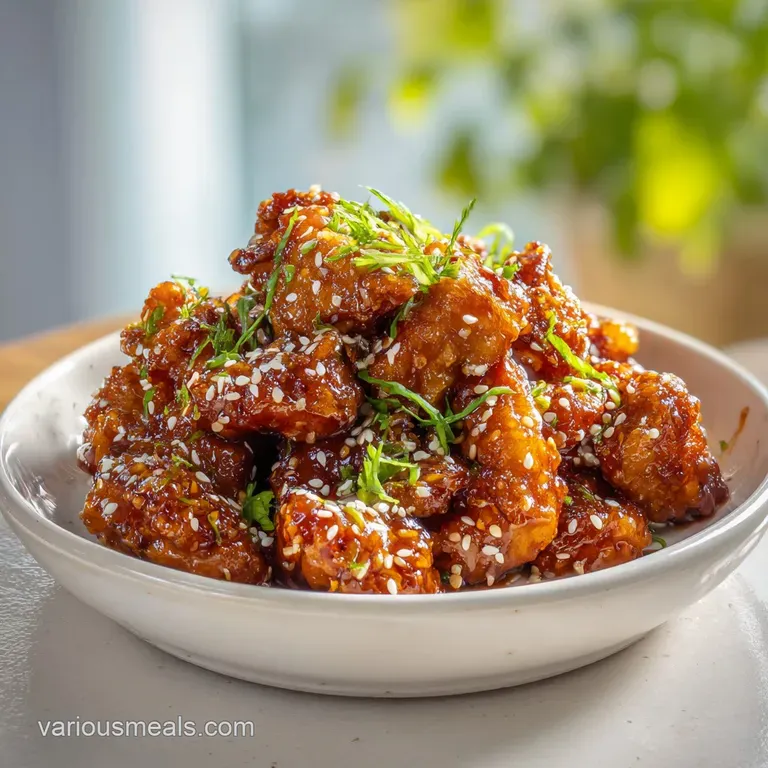
- Time: Active 15 minutes, Passive 15 minutes, Total 30 minutes
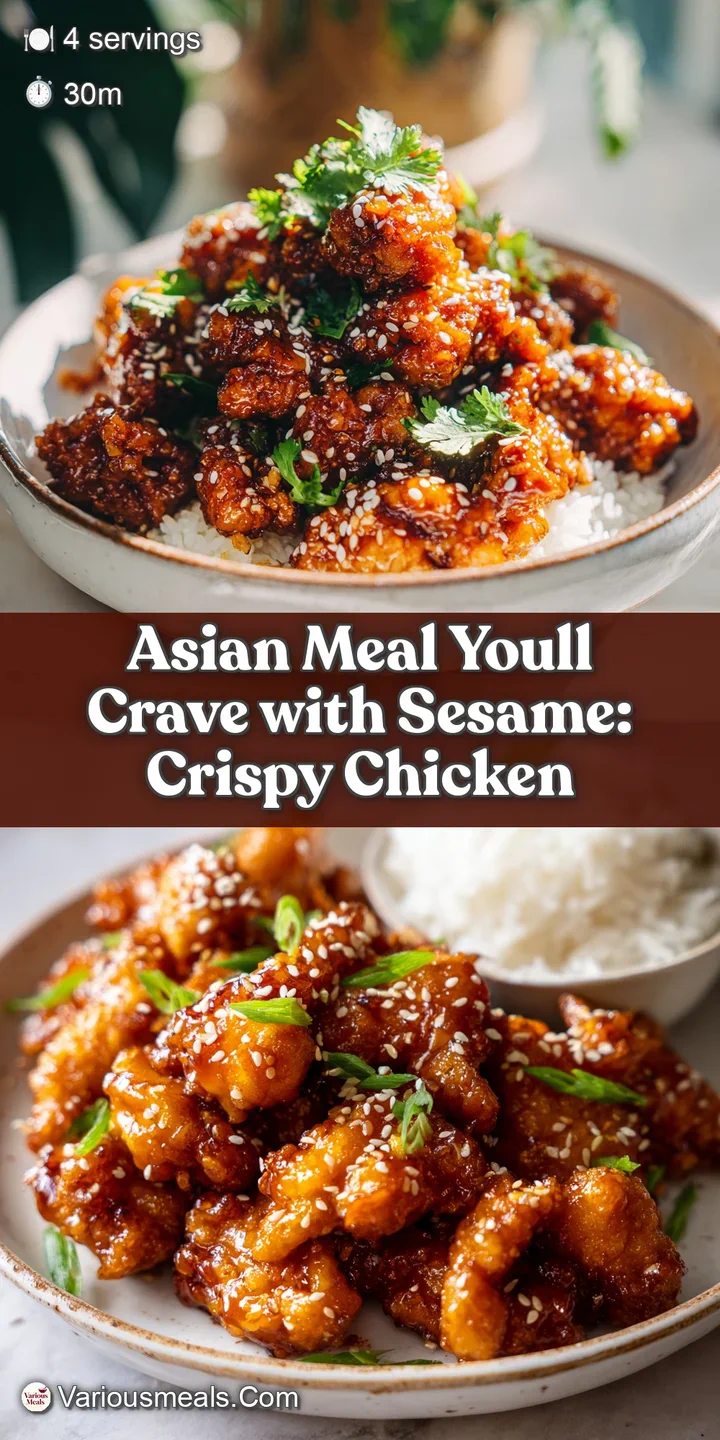
- Flavor/Texture Hook: Shatter crisp chicken meets a velvety, sun warmed honey glaze
- Perfect for: High energy weeknight dinners or impressive meal prep sessions
- An Asian Meal Youll Crave with Sesame
- Key Specifications and Serving Stats
- The Essential Umami Flavor Elements
- Required Gear for Quick Cooking
- Layering Flavors Step by Step
- Expert Fixes for Common Errors
- Creative Twists and Flavor Swaps
- Safe Storage and Quality Reheating
- Best Pairings for Bold Tastes
- High in Sodium (⚠️)
- Recipe FAQs
- 📝 Recipe Card
An Asian Meal Youll Crave with Sesame
Picture this: it is a Tuesday night, your kitchen is a bit of a wreck, and you are staring at a plastic container of overpriced, soggy takeout chicken that tastes more like cardboard than food. That was me three years ago, standing over my sink, realizing I could do better.
I started experimenting with starch ratios and heat levels, and that is when I discovered the magic of this specific Asian meal you'll crave with its standout sesame chicken. The first time the aroma of toasted sesame oil hit the hot pan and the chicken actually made a "clink" sound against the spatula, I knew I had cracked the code.
This recipe delivers an Asian meal you'll crave with its standout sesame chicken, and it is all about the layers of flavor and texture we build from the ground up. We are talking about a coating that stays snappy even under a blanket of sauce, and a glaze that is punchy, sweet, and clings to every nook and cranny.
It is a bold fusion of techniques that I have refined over dozens of weeknight dinners, and trust me, once you hear that first sizzle, you will never look back at a delivery menu again.
We are going to move fast here because this dish thrives on high energy and efficient moves. We’ll start by "velveting" the chicken a classic technique that keeps the meat silky and then move into a over high heat sear that creates that essential crunch.
By the time we toss in the toasted seeds and fresh green onions, you’ll have a plate that looks like it came from a professional kitchen but tastes remarkably fresh.
Key Specifications and Serving Stats
Success in the kitchen often comes down to timing and understanding the physical boundaries of your ingredients. When we talk about an Asian meal you'll crave with sesame chicken, we are looking for that sweet spot where the chicken is cooked through but remains juicy, and the sauce has reduced just enough to coat without becoming a thick paste.
It is a game of minutes and temperature.
The Physics of the Crunch: Cornstarch creates a dense, brittle molecular lattice when fried, which resists moisture absorption much longer than standard flour coatings. This ensures your chicken stays snappy even after it is tossed in the liquid glaze.
- Coating Anchor: The egg white acts as a protein rich glue, ensuring the starch adheres to every millimeter of the meat.
- Maillard Magic: Searing at high heat triggers the Maillard reaction, developing complex, savory flavors that raw chicken simply cannot provide.
- Emulsion Stability: Combining honey and soy sauce with toasted sesame oil creates a temporary emulsion that coats the chicken in a velvety, glossy film.
- Aromatic Release: Grating the ginger and garlic fresh releases volatile oils that provide a much more punchy flavor than pre minced versions.
| Chicken Thickness | Internal Temp | Rest Time | Visual Cue |
|---|---|---|---|
| 1 inch (2.5 cm) | 165°F (74°C) | 2 minutes | Golden brown with a hard, audible crust |
| 1/2 inch (1.2 cm) | 165°F (74°C) | 1 minute | Deep bronze and very firm to the touch |
| 2 inch (5 cm) | 165°F (74°C) | 4 minutes | Pale gold; requires longer searing time |
Getting the chicken size uniform is the most important part of this process. If your pieces vary too much, the small ones will turn into rubber while the large ones remain raw in the center. I always aim for 1 inch cubes because they offer the best surface area to volume ratio for maximum crunch.
The Essential Umami Flavor Elements
Each component in this Asian meal you'll crave with sesame chicken has a specific chemical role to play. We aren't just throwing things in a pan; we are building a structural masterpiece of taste.
From the white pepper’s subtle heat to the honey’s ability to caramelize, every gram counts toward the final result.
| Ingredient | Science Role | Pro Tip |
|---|---|---|
| Cornstarch | Moisture Barrier | Use a sieve to dust the chicken for an even, non clumpy layer. |
| Egg White | Protein Binder | Whisk until frothy before adding chicken to create a light "air trap" coating. |
| Honey | Hygroscopic Agent | Heat the honey with the soy sauce to reduce its water content for a stickier finish. |
| Toasted Sesame Oil | Flavor Compound | Add this at the very end to prevent the delicate oils from burning and turning bitter. |
For this crave with sesame chicken, the choice of oil is also vital. You want something with a high smoke point, like grapeseed or canola, so you can get that pan screaming hot without filling your kitchen with smoke. While we are on the topic of prep, if you are looking for other efficient ways to handle your weekly proteins, you might find my Keto Egg Muffins recipe helpful for rounding out your meal prep routine.
For the Chicken & Coating
- 1.5 lbs chicken breast: Cut into 1 inch bite sized pieces. Why this? Breast meat stays lean and takes on the sauce's flavor beautifully. (Substitute: Chicken thighs for extra juiciness).
- 1 large egg white: Beaten until frothy. Why this? It creates a thin, strong bond for the starch. (Substitute: 1 tbsp aquafaba for a vegan friendly binder).
- 1/2 cup cornstarch: For the signature crunch. Why this? Cornstarch is gluten-free and fries up much crispier than flour. (Substitute: Potato starch for an even glassier crunch).
- 1/2 tsp sea salt: To season the meat from within. (Substitute: Kosher salt).
- 1/4 tsp white pepper: Adds a floral, earthy heat. (Substitute: Black pepper, though it will be visible).
For the Signature Sesame Glaze
- 3 tbsp soy sauce: The primary salt and umami source. (Substitute: Tamari for a gluten-free version).
- 2 tbsp honey: Provides the stickiness and shine. (Substitute: Maple syrup for a different woody note).
- 1 tbsp rice vinegar: Cuts through the sugar with a bright tang. (Substitute: Apple cider vinegar).
- 1 tbsp toasted sesame oil: The soul of the dish. (Substitute: Perilla oil if you want a nuttier vibe).
- 1 tsp fresh ginger: Finely grated for a zingy bite. (Substitute: 1/4 tsp ground ginger in a pinch).
- 2 cloves garlic: Minced to infuse the oil. (Substitute: 1/2 tsp garlic powder).
- 1/2 tsp red pepper flakes: For a gentle back of-the throat warmth. (Substitute: Sriracha or chili crisp).
For Garnish & Serving
- 3 tbsp neutral oil: For frying. (Substitute: Avocado oil).
- 2 tbsp toasted sesame seeds: For texture and visual appeal. (Substitute: Black sesame seeds for contrast).
- 3 green onions: Thinly sliced for freshness. (Substitute: Chives).
- 4 cups prepared steamed jasmine rice: The perfect fluffy base. (Substitute: Brown rice or cauliflower rice).
Required Gear for Quick Cooking
You don't need a professional kitchen to make a standout meal you'll crave with sesame chicken, but having the right tools makes the 15 minute cook time much less stressful. A heavy bottomed pan is non negotiable here.
- Cast Iron Skillet or Wok: You need something that retains heat. If the pan temperature drops when you add the chicken, it will steam instead of sear, and you will lose that shatter crisp texture. I prefer a 12 inch cast iron skillet (like a Lodge) for its massive thermal mass.
- Microplane Grater: This is the best way to get that ginger and garlic into a fine paste. It ensures the aromatics melt into the sauce rather than leaving you with a mouthful of raw garlic.
- Fine Mesh Sieve: I use this to dust the cornstarch over the chicken. It prevents the "clumping" problem that often happens when you just toss everything in a bowl.
- Silicon Spatula: Great for scraping every last drop of that honey soy glaze out of the pan.
Layering Flavors step-by-step
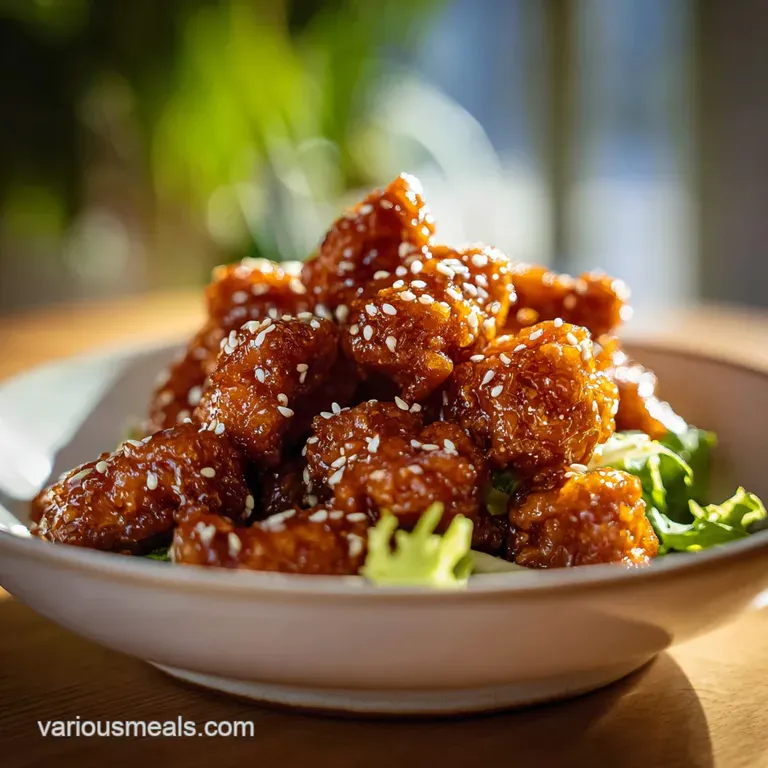
Let's get into the flow. The key to this recipe is having everything ready before you even turn on the stove. This is a "mise en place" situation once the pan is hot, things move very fast.
- Prep the chicken. Pat the 1.5 lbs chicken breast completely dry with paper towels. Note: Surface moisture is the enemy of a crispy sear.
- Whisk the binder. In a large bowl, beat the 1 large egg white with the salt and white pepper until it starts to look bubbly and frothy.
- Apply the coating. Toss the chicken pieces in the egg white, then sprinkle over the 1/2 cup cornstarch. Mix until every piece is chalky and fully coated.
- Whisk the sauce. In a small bowl, combine the soy sauce, honey, rice vinegar, toasted sesame oil, ginger, garlic, and red pepper flakes. Note: Whisking now ensures the honey is fully integrated.
- Heat the pan. Add 3 tbsp neutral oil to your skillet and heat over medium high until the oil shimmers and a tiny drop of water sizzles instantly.
- Sear the chicken. Add the chicken in a single layer. Cook for 3-4 minutes per side until the edges are deep golden and the coating feels hard to the touch.
- Drain excess oil. If there is a lot of oil left in the pan, carefully spoon out all but a teaspoon. This keeps the sauce from becoming greasy.
- Glaze the meat. Pour the sauce mixture over the chicken. Cook for 1-2 minutes until the liquid bubbles and thickens into a glossy, dark syrup.
- Finish and garnish. Remove from heat immediately. Toss in the 2 tbsp sesame seeds and 3 green onions until the chicken is completely cloaked in the glaze.
- Serve immediately. Mound the chicken over the 4 cups of steamed jasmine rice while everything is still steaming and the coating is at its peak crunch.
Expert Fixes for Common Errors
Even the best home cooks run into trouble sometimes. When you are making an Asian meal you'll crave with sesame chicken, the most common issues are usually related to temperature control or the ratio of starch to liquid. If you find yourself in a kitchen crisis, don't panic.
Why Your Chicken Is Soggy
If your chicken comes out soft instead of crispy, it is almost always because the pan wasn't hot enough or you overcrowded it. When you put too much cold meat into a pan at once, the temperature plummets. Instead of searing, the chicken releases its juices and ends up boiling in its own moisture.
Next time, work in two batches to keep that sizzle aggressive and constant.
Avoiding a Rubbery Texture
Chicken breast can turn from juicy to rubbery in a matter of seconds. This usually happens if you overcook it during the initial searing phase. Remember, the chicken will continue to cook while it sits in the bubbling sauce for those final two minutes.
Pull the chicken off the heat the moment it hits 165°F (74°C).
| Problem | Root Cause | Solution |
|---|---|---|
| Sauce is too thin | Not enough reduction time | Simmer for 1 extra minute or add a tiny cornstarch slurry (1 tsp starch + 1 tsp water). |
| Coating is falling off | Chicken was too wet | Always pat the meat dry before adding the egg white binder. |
| Sauce tastes burnt | Heat was too high for the honey | Lower the heat slightly before pouring in the sauce to prevent the sugars from scorching. |
Common Mistakes Checklist:
- ✓ Pat chicken completely dry before searing to prevent steaming.
- ✓ Preheat the pan for 3 full minutes before adding the oil.
- ✓ Don't overcrowd the pan; if the pieces touch, they won't get crispy.
- ✓ Use fresh ginger and garlic the bottled stuff won't give you that punchy aroma.
- ✓ Let the rice steam properly; it should be fluffy, not gummy, to balance the sticky chicken.
Creative Twists and Flavor Swaps
One of the best things about this you'll crave with sesame chicken is how adaptable it is. Once you understand the basic mechanics of the starch coating and the honey soy glaze, you can start swapping ingredients to suit your mood or what is in your pantry.
Developing a Healthy Version
If you want to cut down on the frying, you can actually bake the coated chicken. Toss the starch coated pieces with a little bit of oil spray and bake at 200°C (400°F) for about 15-20 minutes until crispy. The texture will be slightly different more like a firm crust than a fry but it still carries the sauce beautifully. You can also swap the white rice for a Chicken Salad Meal recipe style base of greens if you want to keep things light.
Trying Sesame Chicken Noodles
Instead of rice, toss your finished sesame chicken with cooked udon or lo mein noodles. You may want to double the sauce quantities (everything except the chicken and starch) to ensure the noodles are well coated.
The starch from the chicken coating will help the sauce cling to the noodles, creating a silky, indulgent meal.
Swapping Out the Protein
This glaze works incredibly well with firm tofu or even large shrimp. If using tofu, make sure to press it for at least 30 minutes to remove all the water, then follow the same cornstarch coating process.
Shrimp will cook much faster usually only 2 minutes per side so keep a close eye on them to avoid a rubbery result.
| Strategy | Action | Result |
|---|---|---|
| Spicy Kick | Add 1 tbsp Sriracha to the sauce | Adds a fermented heat that balances the honey. |
| Tropical Vibe | Replace rice vinegar with lime juice | Creates a brighter, zingier finish. |
| Nutty Depth | Add a spoonful of peanut butter | Thickens the sauce and adds a rich, creamy savory note. |
Safe Storage and Quality Reheating
If you are lucky enough to have leftovers from this Asian meal you'll crave with sesame chicken, you need to be smart about how you store them. The biggest challenge is maintaining that texture.
- Fridge: Store the chicken and rice in airtight containers for up to 3 days. I recommend storing the chicken separately from the rice if possible to prevent the rice from soaking up all the extra glaze.
- Freezer: You can freeze the cooked chicken for up to 2 months. However, be aware that the crispy coating will soften significantly upon thawing. It is best to freeze the chicken after searing but before adding the sauce if you are doing serious meal prep.
- Reheating: Avoid the microwave if you want any semblance of crunch. The best way to revive this dish is in a dry skillet over medium heat. Add a splash of water to loosen the sauce and toss until heated through. Alternatively, an air fryer at 180°C (350°F) for 3-4 minutes works wonders for bringing back the "shatter" in the coating.
- Zero Waste: If you have leftover sauce but no chicken, use it as a glaze for roasted carrots or broccoli. The green onion tops can be placed in a jar of water on your windowsill to regrow for your next batch!
Best Pairings for Bold Tastes
While the sesame chicken is the star of the show, the right side dishes can make the whole experience feel like a complete, balanced feast. Since this dish is quite rich and sweet, you want sides that provide contrast think acidity, crunch, and freshness.
- Smashed Cucumber Salad: A cold, vinegary cucumber salad is the perfect foil to the warm, sticky chicken. The crispness of the cucumbers cleanses the palate between bites.
- Garlic Sautéed Bok Choy: Briefly wilting some bok choy with a little garlic and ginger provides a nice bitter sweet balance and adds some much needed greens to the plate.
- Steamed Broccoli: This is a classic for a reason. The florets act like little sponges for any extra sesame glaze that wanders off your chicken.
- Pickled Ginger: A few slices of sushi style pickled ginger on the side can help cut through the intensity of the honey and soy sauce.
Don't be afraid to experiment with your grains, either. While jasmine rice is the standard, a nutty quinoa or even some cold soba noodles can change the entire personality of the meal. The goal is to create a plate that keeps you coming back for "just one more bite" until it's all gone.
Utilizing High Heat for Success
The biggest myth in home stir frying is that you need a commercial jet engine burner to get good results. You don't. You just need patience. Let your pan sit on the burner until it is actually radiating heat. If you can't hold your hand five inches above the pan for more than a second, you're ready.
That initial contact is where the "crave with sesame" factor is born in that violent, beautiful sizzle.
Implementing the Double Toss
One trick I learned from a chef friend is the "double toss." Add half your sesame seeds into the sauce while it's reducing so they get toasted and embedded in the glaze, then hit the dish with the remaining seeds right at the end for that fresh, white speckled look.
It adds two different dimensions of sesame flavor that really make the dish pop.
| Feature | Fresh Method | Shortcut (Bottled Sauce) |
|---|---|---|
| Aroma | Explosive ginger/garlic scents | Muted, often metallic notes |
| Texture | Shatter crisp coating | Often gummy or overly breaded |
| Sugar Control | Natural honey sweetness | Often high fructose corn syrup |
If you are ever in a rush and looking for something equally fast but on the breakfast side, check out this Apple Cinnamon Oatmeal recipe which uses a similar "build the flavor in the pan" approach. Cooking is all about these little repeatable wins, and this sesame chicken is definitely one of the biggest wins in my rotation. Enjoy the crunch!
High in Sodium (⚠️)
948 mg mg of sodium per serving (41% % of daily value)
American Heart Association recommendation: Limit sodium intake to about 2,300mg per day for overall cardiovascular health.
Tips to Reduce Sodium in This Recipe
-
Low-Sodium Soy Sauce-20%
Replace regular soy sauce with a low-sodium or reduced sodium version. This simple swap can significantly reduce the overall sodium content of the dish.
-
Reduce Added Salt-25%
Cut back on the sea salt. Start by using only 1/4 tsp instead of 1/2 tsp. You can always add more to taste, but it's harder to remove.
-
Unsalted Rice-10%
Ensure the steamed jasmine rice is cooked without any added salt. Sodium content of rice can quickly add up.
-
Boost Flavor Naturally
Enhance the flavor with fresh herbs and spices like ginger, garlic, red pepper flakes, and green onions. These additions can minimize the need for salt without sacrificing taste.
Recipe FAQs
What Chinese dish is similar to sesame chicken?
General Tso's Chicken or Orange Chicken. These dishes share the structure of deep fried meat tossed in a thick, sweet, and savory glaze, though General Tso's usually carries more spice.
What exactly is San Bei Ji?
San Bei Ji is Taiwanese Three Cup Chicken. It refers to a dish traditionally cooked with one cup each of soy sauce, sesame oil, and rice wine, creating a robust, aromatic sauce.
What are some Asian fusion dishes?
Korean BBQ Tacos or Vietnamese Pho French Dip Sandwiches. Asian fusion combines traditional Asian flavor profiles and techniques with ingredients or formats from other global cuisines.
What kind of Chinese food is sesame chicken?
It is an Americanized Chinese dish. Sesame chicken features crispy fried chicken coated in a sweet, slightly tangy sauce flavored heavily with honey and toasted sesame seeds.
How do I keep the coating shatter crisp when adding the glaze?
Toss quickly on high heat right before serving. Ensure the chicken is seared properly with cornstarch, and only cook it in the glaze for 1-2 minutes total to prevent moisture absorption.
Is it true that using cornstarch instead of flour makes the coating less heavy?
Yes, cornstarch yields a lighter, glassier crust. Flour absorbs more oil and creates a denser texture, whereas cornstarch creates a brittle molecular lattice that stays crunchier longer.
How do I prevent the honey in the glaze from burning?
Lower the heat before adding the sugar mixture. Honey caramelizes quickly; add the sauce mixture to a pan that is warm but not scorching, and cook just until it reduces to a syrup.
Sesame Chicken Meal Youll Crave
Ingredients:
Instructions:
Nutrition Facts:
| Calories | 735 calories |
|---|---|
| Protein | 59.6g |
| Fat | 22.8g |
| Carbs | 67.3g |
| Fiber | 1.8g |
| Sugar | 11.2g |
| Sodium | 948mg |
