Six Dumpling Sauces Recipe
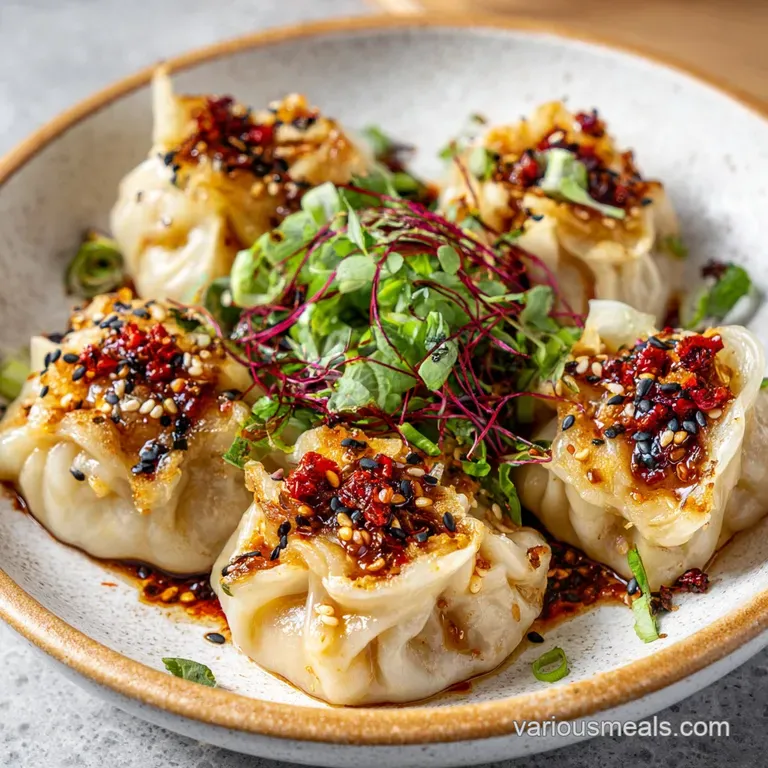
- Time: Active 5 min, Passive 0 min, Total 5 min
- Flavor/Texture Hook: Tangy, silky, and punchy with a subtle chili crunch.
- Perfect for: Quick weeknight dinners or impressive dim sum gatherings.
- Mastering the Most Vibrant Homemade Dumpling Sauce Ever
- The Science of the Perfect Umami Balance
- Strategic Culinary Specs for Crafting Your Perfect Batch
- The Essential Flavor Elements for Building Umami Layers
- Simple Kitchen Tools for Maximizing Your Sauce Efficiency
- Executing Each Phase for the Ultimate Flavor Balance
- Solving Every Common Flavor and Texture Sauce Mishap
- Flexible Ingredient Swaps for Every Possible Dietary Need
- Scaling the Batch for Large Parties
- Debunking Sauce Myths
- Preserving Freshness and Repurposing Your Leftover Dipping Sauce
- Beyond the Bowl: Creative Ways to Enjoy Sauce
- Very High in Sodium
- Recipe FAQs
- 📝 Recipe Card
Mastering the Most Vibrant Homemade Dumpling Sauce Ever
That first sizzle when a frozen potsticker hits a hot cast iron pan is basically my dinner siren. We have all been there, standing in the kitchen at 9 PM, waiting for that golden brown crust to form, only to realize the "sauce" packet included in the bag is just watery soy sauce. It is heartbreaking.
I spent years trying to figure out why my home dips felt flat compared to the local dim sum spot until I realized it is all about the layers.
We aren't just mixing liquid here, we are building a foundation. You want that hit of salt, the pucker of acid, the warmth of ginger, and that velvety mouthfeel that only comes from a tiny bit of fat.
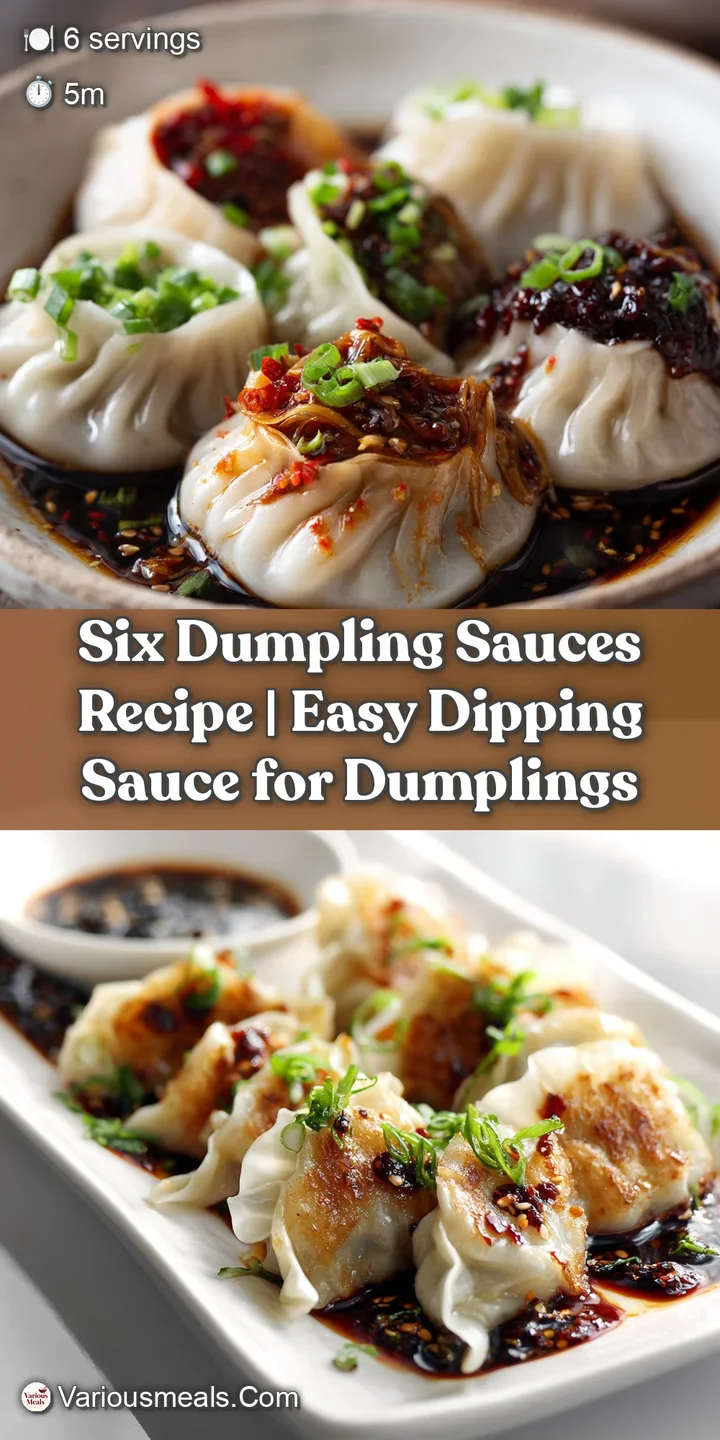
This specific Dumpling Sauce recipe is my ride or-die version because it uses staple pantry items to create something that tastes like it took hours to simmer. Trust me, once you see how the miso and peanut butter interact with the black vinegar, you will never look at a plain soy sauce bottle the same way again.
The beauty of this method is the flexibility. Whether you are dipping pan-fried gyoza, steamed shrimp hargow, or even drizzling it over a bowl of quick noodles, the profile holds up.
We are going to use a few pro tricks, like grating the garlic into a paste to avoid raw chunks, and using warm water to bloom the nut butter. Let's get into how we make this happen in under five minutes.
The Science of the Perfect Umami Balance
Fat Induced Emulsification: The small amount of peanut butter and miso paste acts as a bridge between the watery soy and the slick sesame oil, creating a cohesive liquid that clings to the dumpling skin.
Without this, the oil simply floats on top, leaving the first few bites greasy and the rest of the bowl too salty.
Acetic Acid Interaction: Chinkiang black vinegar contains complex amino acids from fermented rice that soften the harsh saltiness of light soy sauce. This creates a rounded flavor profile that stimulates saliva production, making every bite of dough and meat taste more intense.
Aromatic Volatility: Grating fresh ginger and garlic breaks the cell walls instantly, releasing allicin and gingerol into the liquid base. Because we aren't cooking this sauce, these compounds remain potent and "bright," providing a sharp contrast to the heavy, savory notes of the fermented soy.
| Method | Time | Texture | Best For |
|---|---|---|---|
| Cold Whisk | 2 mins | Thin & Sharp | Delicate steamed dumplings |
| Warm Emulsion | 5 mins | Silky & Cohesive | Crispy pan-fried potstickers |
| Infused Heat | 10 mins | Deep & Aromatic | Hearty meat filled buns |
Choosing the right method depends on your mood. If you are in a rush, the cold whisk is fine, but taking three extra minutes to whisk the peanut butter with a splash of warm water makes a world of difference in how the sauce coats the food. It is the difference between a dip and a glaze.
Strategic Culinary Specs for Crafting Your Perfect Batch
When we talk about the six dumpling sauces variations people usually look for, they are all actually hidden within this one master recipe. You can lean into the sweetness by upping the honey, or go full "fire breather" with extra chili crisp.
The "Six dumpling sauces recipe" concept is really about understanding these ratios.
| Ingredient | Science Role | Pro Secret |
|---|---|---|
| Light Soy Sauce | Primary Salinity | Use "light" soy for salt, not "dark" soy, which is too syrupy. |
| Chinkiang Vinegar | Acidic Depth | This fermented vinegar adds a smoky, malty note that white vinegar lacks. |
| White Miso Paste | Umami Bridge | Miso adds body and a fermented funk that makes the sauce taste "aged." |
| Chili Crisp | Texture & Heat | The fried shallots and garlic in the oil add a crucial "shatter" to the dip. |
Using high-quality light soy sauce is non negotiable here. It provides the backbone of the flavor without overwhelming the delicate aromatics. If you find the sauce too thin, the secret is always the miso.
It provides a structural integrity to the liquid that keeps it from just sliding off the slippery dumpling wrapper.
The Essential Flavor Elements for Building Umami Layers
- 120 ml light soy sauce: This is your salt source. Why this? It provides the essential savory base without the thick sweetness of dark soy.
- 60 ml Chinkiang black vinegar: The soul of the sauce. Why this? Adds a complex, malty acidity that balances the salt perfectly.
- 15 ml toasted sesame oil: For that nutty aroma. Why this? It adds a luxurious scent that hits you before you even taste it.
- 10 g sugar: A necessary balancer. Why this? Cuts through the sharp vinegar and rounds out the harsh edges.
- 3 cloves garlic, finely grated: Instant pungency. Why this? Grating creates a paste that dissolves into the sauce unlike chopped bits.
- 30 ml chili crisp: The texture king. Why this? Provides both heat and crunchy fried bits for sensory variety.
- 15 g smooth peanut butter: The secret thickener. Why this? Creates a velvety mouthfeel and helps the sauce stick to the dough.
- 1 tsp warm water: The activator. Why this? Helps thin the peanut butter and miso for a lump free finish.
- 10 g freshly grated ginger: For a zingy finish. Why this? Cuts through the fat of the dumplings and refreshes the palate.
- 1 finely sliced scallion: Freshness and color. Why this? Adds a mild onion bite and a beautiful green pop.
- 15 ml honey: Floral sweetness. Why this? Adds a different layer of sugar that lingers on the tongue.
- 5 ml Sriracha: Tangy heat. Why this? Provides a bright vinegar based spice to complement the oily chili crisp.
- 10 g white miso paste: The umami bomb. Why this? Deepens the fermented flavor and emulsifies the oils.
Chef Tip: Freeze your ginger for 10 minutes before grating. It prevents the root from becoming "stringy" and allows you to get a fine, snowy texture that melts into the liquid.
Simple Kitchen Tools for Maximizing Your Sauce Efficiency
You don't need a lab full of gear to make the best dumpling sauce, but a few specific items make the process much smoother. First, ditch the knife for the aromatics. Use a microplane or a fine grater for the garlic and ginger.
This ensures no one gets a giant "shrapnel" piece of raw garlic in their bite, which can be quite overwhelming.
A small balloon whisk is also better than a fork here. Since we are working with peanut butter and miso, we need to exert a bit of force to break down those solids into the soy sauce. If you have a small glass jar with a tight fitting lid, that is even better. You can throw everything in and shake it like a cocktail.
The "shaker" method is actually a fantastic way to ensure the sesame oil is fully integrated rather than just sitting in a layer on top.
Executing Each Phase for the Ultimate Flavor Balance
Phase 1: Construct the Foundation
Combine 120 ml light soy sauce, 60 ml Chinkiang black vinegar, and 10 g sugar in a medium bowl. Whisk vigorously until the sugar crystals are completely dissolved and the liquid looks dark and uniform. This creates the stable salty sour base that we will build upon.
Phase 2: The Aromatics Layer
Grate 3 cloves of garlic and 10 g ginger directly into the bowl. Add 10 g white miso paste and 15 g peanut butter. Note: Adding these now allows the acids in the vinegar to start "softening" the bite of the raw garlic.
Phase 3: The Emulsion Step
Add 1 tsp warm water to the mixture. Whisk with a small balloon whisk until the peanut butter and miso have smoothed out into a velvety liquid. You should see the sauce thicken slightly and become opaque rather than transparent.
Phase 4: Sweetness and Depth
Drizzle in 15 ml honey and 15 ml toasted sesame oil. Mix until the oil is suspended in the sauce and no large beads remain on the surface. This is where the aroma really starts to bloom and fill the kitchen.
Phase 5: Adding the Heat
Fold in 30 ml chili crisp and 5 ml Sriracha. Note: Folding rather than whisking keeps the crunchy bits of the chili crisp intact so they don't settle into a paste at the bottom.
Phase 6: The Final Garnish
Top the bowl with 1 finely sliced scallion. Stir gently just once to distribute. The sauce should look glossy with visible flecks of chili and green onion. Serve immediately or let sit for 10 minutes to allow the flavors to meld.
Solving Every Common Flavor and Texture Sauce Mishap
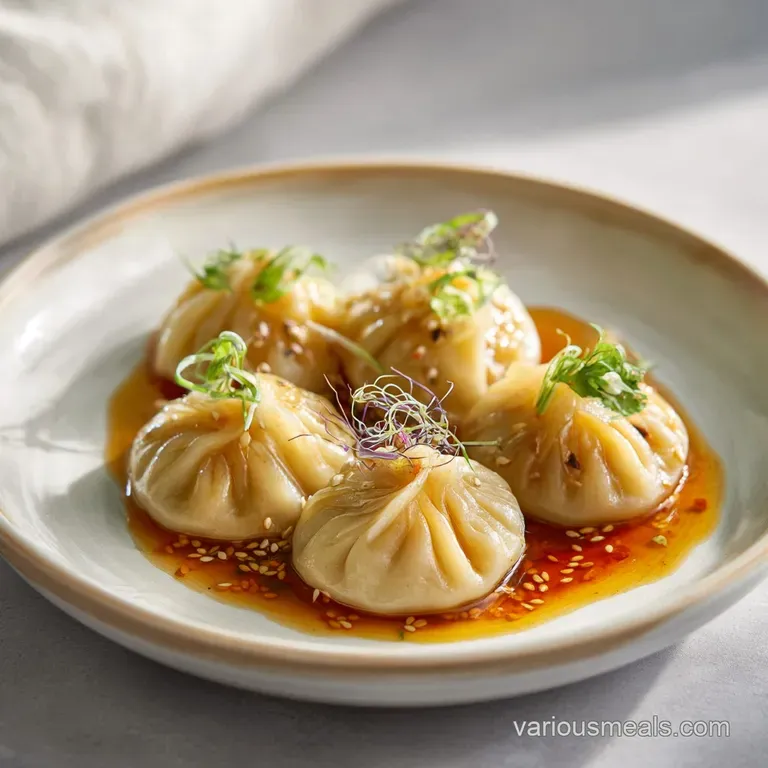
One mistake I once made was adding the oil before the sugar was dissolved. The oil coats the sugar grains and prevents them from melting into the soy sauce, leaving you with a gritty texture at the bottom of the bowl. If this happens, don't panic. Just pop the bowl in the microwave for 10 seconds and whisk again.
The slight heat will help the sugar break down.
Another issue is the "split" sauce. If your sesame oil is floating in giant puddles, you need more of an emulsifier. A tiny bit more miso or even a half teaspoon of Dijon mustard can act as a stabilizer to bring those fats and liquids back together.
Fixing Salty Overload
If you used a soy sauce that was a bit too aggressive, the solution isn't more water. Water dilutes the flavor profile too much. Instead, add a splash more of the black vinegar or a squeeze of lime. The acid masks the perception of salt on your tongue without making the sauce watery.
| Problem | Root Cause | Solution |
|---|---|---|
| Gritty Texture | Undissolved sugar | Whisk with a tiny splash of warm water. |
| Overpowering Garlic | Chunks too large | Grate garlic into a paste next time; add honey to balance now. |
| Too Thin | Lack of emulsifier | Whisk in an extra teaspoon of peanut butter or miso. |
Common Mistakes Checklist
- ✓ Always grate ginger across the grain to avoid long, woody fibers.
- ✓ Never use toasted sesame oil for frying; only use it as a finishing oil for flavor.
- ✓ Taste your chili crisp before adding - some brands are much saltier than others.
- ✓ Use warm water, not cold, to break down the miso and peanut butter efficiently.
- ✓ Don't skip the sugar; it is essential for the Maillard like complexity of the soy.
Flexible Ingredient Swaps for Every Possible Dietary Need
If you are looking for a sweet dumpling sauce recipe, you can easily pivot this base. Simply double the honey and reduce the chili crisp. The versatility is what makes this the best dumpling sauce in my rotation. If you love that spicy, layered kick, it is quite similar to the profile of my Voodoo Fries recipe.
| Original Ingredient | Substitute | Why It Works |
|---|---|---|
| Light Soy Sauce | Tamari (1:1 ratio) | Makes the sauce gluten-free with a slightly richer, darker flavor profile. |
| Chinkiang Vinegar | Balsamic + Lime | Mimics the sweetness and acidity. Note: Balsamic is much thicker; thin with juice. |
| Peanut Butter | Tahini (1:1 ratio) | Offers a more savory, bitter nuttiness that is great for those with nut allergies. |
For a low sodium upgrade, you can swap half the soy sauce for a low sodium version and increase the amount of ginger. The "bite" of the ginger tricks your brain into thinking there is more salt than there actually is.
Honestly, don't even bother with low-fat versions of the ingredients here, the fat is what carries the flavor to your taste buds.
Scaling the Batch for Large Parties
If you are hosting a dim sum night and need to scale this up, it is a breeze. For doubling or tripling the recipe, you can follow a linear scale for the liquids, but be cautious with the aromatics. Garlic and ginger can become exponentially more powerful as the volume increases.
I recommend scaling the garlic to 1.5x rather than a full double for a 2x batch, then tasting and adding more if you really want that punch.
For smaller portions (say, a solo lunch of four dumplings), just use tablespoons as your measurement unit. Use 2 tbsp soy, 1 tbsp vinegar, and a tiny dollop of the pastes. If you are in a rush, this sauce acts as a brilliant base for a Marry Me Chicken recipe by simply whisking it into some heavy cream and noodles for a 10 minute shortcut.
Debunking Sauce Myths
One common misconception is that you must cook the sauce to "marry" the flavors. While some cooked sauces are great, a raw homemade dumpling sauce preserves the volatile aromatics of the ginger and garlic. Heat actually dulls the bright notes of the Chinkiang vinegar, turning it from zesty to flat.
Another myth is that sesame oil is just for "scent." In reality, sesame oil provides a lipid barrier on the tongue that allows the spicy chili notes to linger longer without being painful. It is a functional ingredient for flavor duration, not just a garnish.
Preserving Freshness and Repurposing Your Leftover Dipping Sauce
This sauce is a meal prepper's dream. Because of the high salt and acid content, it stays fresh in the fridge for up to 10 days. Just make sure to keep it in an airtight glass jar. The scallions will soften over time, so if you are making this ahead of time, I recommend adding the fresh greens right before you serve.
Storage:Fridge: 10 days in a sealed jar. Shake well before each use as it will naturally separate. Freezer: I don't recommend freezing this sauce. The emulsions (miso/peanut butter) tend to break and become grainy when thawed.
Zero Waste Tips: If you have leftover sauce but no more dumplings, don't you dare pour it down the drain. This is basically a "mother sauce." Toss it with cold noodles and shredded cucumbers for a quick Sichuan style salad. You can also use it as a marinade for chicken thighs or salmon.
The vinegar acts as a tenderizer while the sugar and honey create a stunning glaze when hit with high heat in a pan or under a broiler.
Beyond the Bowl: Creative Ways to Enjoy Sauce
While we call this a "Dumpling Sauce," it really belongs in the "all purpose flavor bomb" category. One of my favorite ways to use the leftovers is as a dressing for roasted broccoli or charred snap peas. The way the chili crisp oil settles into the crevices of the vegetables is incredible.
Ultimate Dim Sum Spread
If you want to create a full experience, serve this alongside a few variations. You can take a portion of this master sauce and add a splash of coconut milk for a creamy, Thai inspired dip, or add a teaspoon of toasted Sichuan peppercorns for that "numbing" sensation.
This easy dipping sauce for dumplings is just the beginning of your flavor journey.
10 Minute Noodle Shortcut
On those nights when I can't even deal with pan frying dumplings, I boil a pack of ramen noodles (discard the seasoning packet!), toss them with 3 tablespoons of this sauce, and top with a fried egg. It is the most efficient way to get a high flavor meal on the table with zero effort.
The miso and peanut butter create a "built in" sauce that feels much more substantial than just soy sauce and oil. It's brilliant, fast, and satisfies that specific craving for something salty and spicy every single time.
Very High in Sodium
1165 mg mg of sodium per serving (51% of daily value)
The American Heart Association recommends limiting sodium intake to no more than 2,300mg per day for most adults. This recipe significantly exceeds half of that recommendation per serving.
Sodium Reduction Tips
-
Low-Sodium Soy Sauce-25%
Replace the light soy sauce with a low-sodium soy sauce. This simple swap can significantly reduce the sodium content without drastically altering the flavor profile.
-
Miso Paste Reduction-15%
Reduce the amount of white miso paste by half, or consider omitting it entirely. Miso paste is a fermented food that is naturally high in sodium; even a small amount contributes significantly.
-
Omit Sriracha-10%
Eliminate the Sriracha from the recipe. While it adds heat, it also contributes a noticeable amount of sodium. The chili crisp provides sufficient spice.
-
Dilute with Water-5%
Add 15-30 ml of warm water to the sauce to dilute the sodium content without compromising the texture too much. Taste and adjust the other seasonings accordingly.
-
Enhance with Herbs & Spices
Use a variety of fresh herbs and spices like black pepper, red pepper flakes (if not omitting Sriracha) or ginger to boost flavor without adding sodium. Experiment with different combinations to find your favorite!
Recipe FAQs
What are some good sauces for dumplings?
Yes, a complex sauce featuring savory, acidic, and slightly sweet notes is best. A homemade blend using light soy, Chinkiang vinegar, sesame oil, and chili crisp provides the perfect balance for crispy or steamed dumplings.
What are the six types of sauces typically mentioned for dumplings?
The concept of six types refers to flavor variations achievable with one base recipe. These variations are achieved by adjusting the ratio of sweetness (honey/sugar), heat (chili crisp), and texture (peanut butter/miso) within the primary dipping mixture.
Which sauce is traditionally served with pan-fried dumplings (potstickers)?
A robust, slightly thicker sauce that clings well to the crispy bottom is ideal. This requires an emulsifier like peanut butter or miso, which helps the sauce adhere better than a simple thin soy-vinegar mix, similar to how fat helps bind flavors in a hearty stew like our African Chicken Peanut recipe.
What are the primary sauces used at a standard Dim Sum restaurant?
Dim Sum usually features a selection: soy sauce, black vinegar, chili oil, and sometimes a simple peanut sauce. A complete dip usually involves mixing these basic components to achieve a personalized salty, sour, and spicy profile.
How do I make a quick dumpling sauce if I don't have black vinegar?
Substitute with equal parts balsamic vinegar and fresh lime juice to mimic the complexity. This combination provides the necessary dark, malty acidity that Chinkiang vinegar offers, though the flavor will be slightly brighter.
Why is my homemade dumpling sauce splitting into oil and water layers?
The sauce is splitting because you lack a proper emulsifier to bind the oil and liquid components. Whisking in a small amount of smooth peanut butter or white miso paste acts as a bridge to create a cohesive texture, much like stabilizing an emulsion in a thick dip like our My GoTo 7 recipe.
Can I use this dipping sauce as a glaze for cooked meat?
Yes, this sauce works excellently as a glaze, especially if slightly reduced. The sugar and honey content caramelize nicely when brushed onto proteins during the final minutes of cooking, similar to how you would finish a savory sweet sauce for chicken.
Six Dumpling Sauces In 5 Minutes
Ingredients:
Instructions:
Nutrition Facts:
| Calories | 98 calories |
|---|---|
| Protein | 2.7 g |
| Fat | 6 g |
| Carbs | 4.8 g |
| Fiber | 0.4 g |
| Sugar | 4.1 g |
| Sodium | 1165 mg |
