Best Slow Cooker Beef Stew from Scratch
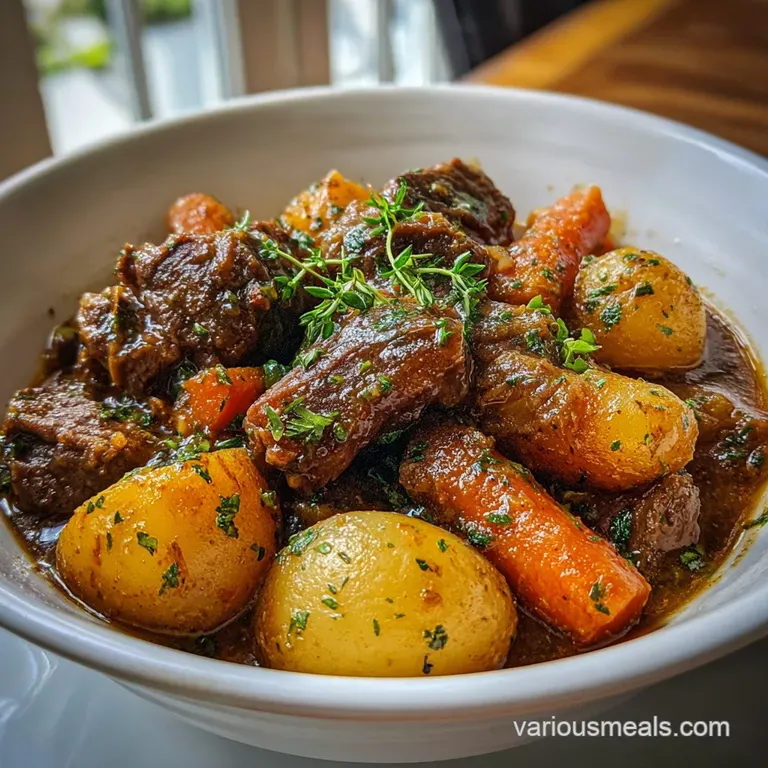
- Time: Active 25 minutes, Passive 8 hours, Total 8 hours 25 minutes
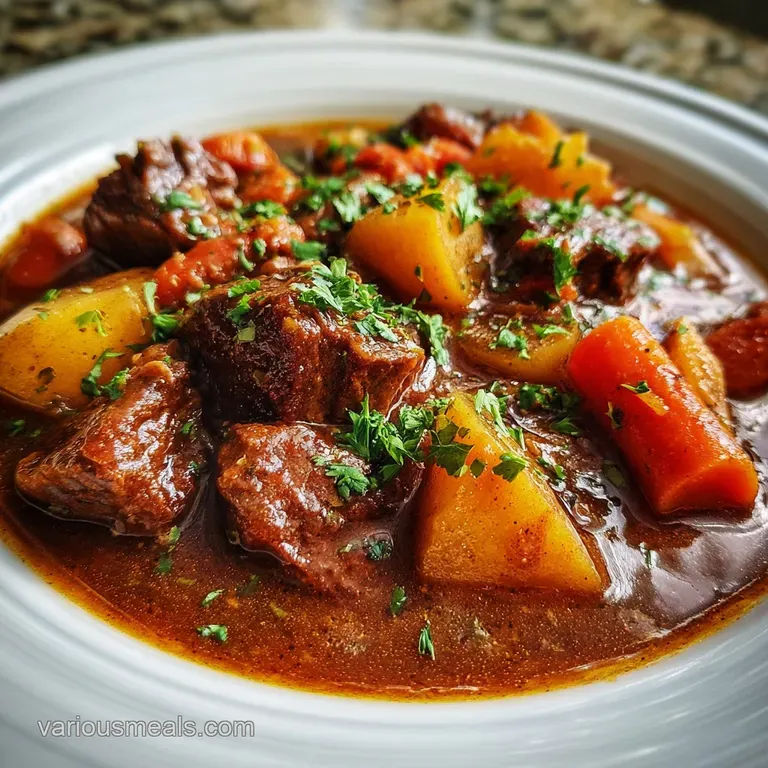
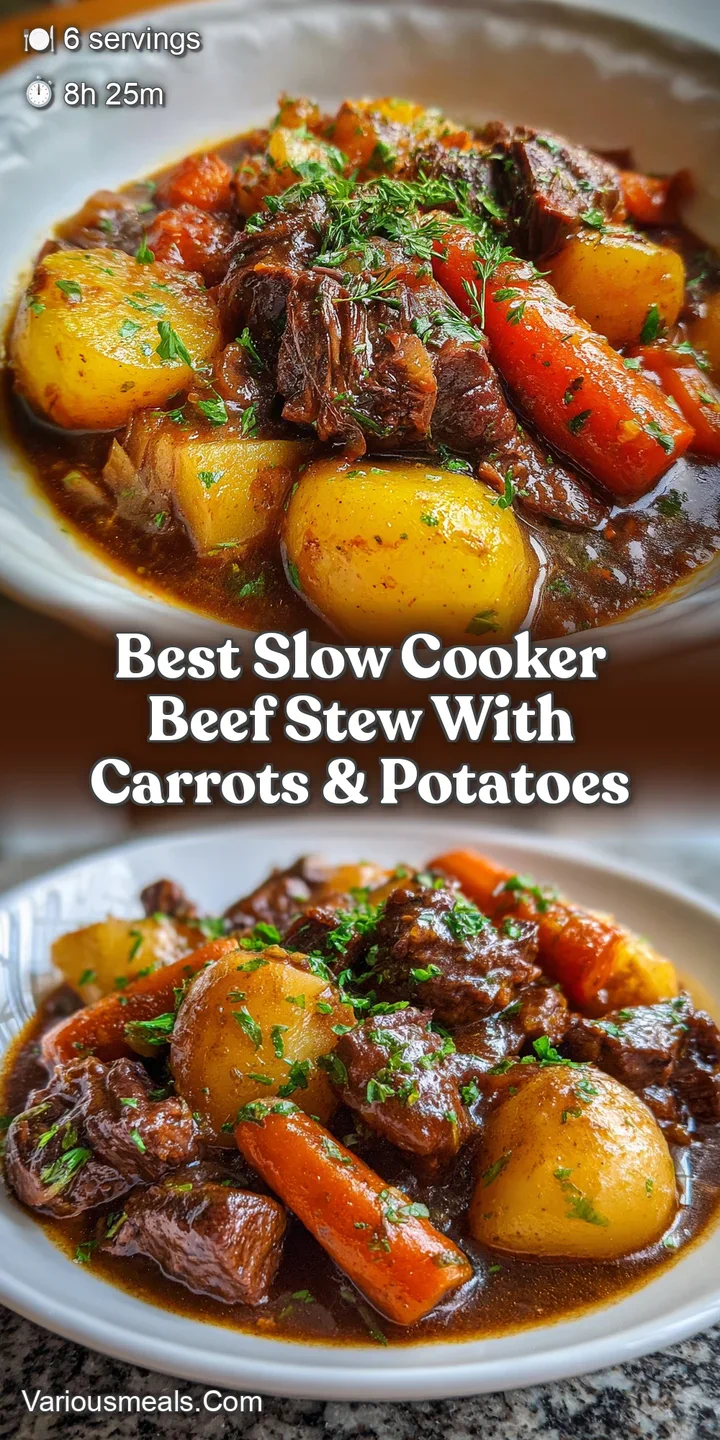
- Flavor/Texture Hook: Velvety bone broth gravy with fork tender chuck roast and buttery Yukon Gold potatoes.
- Perfect for: A cozy Sunday family dinner or a rainy day comfort meal that cooks itself.
- Create the Best Slow Cooker Beef Stew from Scratch with Carrots and Potatoes
- The Specific Mechanics Behind This Comforting Stew Recipe
- Ingredient Deep Dive for Maximum Flavor Impact
- Essential Components for Your Slow Cooked Beef Meal
- Necessary Tools for a Seamless Cooking Experience
- Executing the Traditional Cooking Process Step by Step
- Resolving Common Textural Issues in Your Beef Stew
- Creative Ways to Customize Your Hearty Beef Dish
- Smart Preservation and Low Waste Kitchen Practices
- Ideal Side Dishes for a Family Stew Dinner
- High in Sodium
- Recipe FAQs
- 📝 Recipe Card
Create the Best Slow Cooker Beef Stew from Scratch with Carrots and Potatoes
Picture this: You walk through your front door after a long day and you're immediately hit by that rich, savory perfume of slow simmered beef, thyme, and red wine vinegar. It's the kind of smell that feels like a warm hug for your senses.
This is the best slow cooker beef stew from scratch with carrots and potatoes you'll ever make. I’ve spent years tweaking this because I used to end up with grey meat and mushy carrots, but those days are long gone.
We aren't just tossing things into a ceramic pot and hoping for the best. We're going to use a few specific techniques, like a proper hard sear and a balsamic finish, to make sure this stew has a complexity that tastes like it came from a high end bistro.
You won't find any "cream of" soups or pre packaged seasoning envelopes here. Just real ingredients that work hard to create a silky, concentrated gravy.
If you’ve ever felt disappointed by a watery slow cooker meal, I hear you. The secret is in the prep and the patience. By the time we’re done, your kitchen will smell like heaven and your beef will practically fall apart at the mere suggestion of a fork.
It's traditional, it's approachable, and it's exactly what a family dinner should be.
The Specific Mechanics Behind This Comforting Stew Recipe
- Collagen Conversion: Low heat over 8 hours breaks down tough connective tissue (collagen) into gelatin, creating a velvety mouthfeel.
- Maillard Reaction: Searing the beef at high heat creates new flavor compounds that the slow cooker cannot produce on its own.
- Starch Gelatinization: The whole wheat flour and potato starches hydrate and swell, thickening the bone broth into a rich gravy.
- Acid Brightening: Balsamic vinegar breaks through the heavy fats, lifting the overall flavor profile at the final stage.
| Cooking Variable | Precision Checkpoint | Visual or Sensory Cue |
|---|---|---|
| Beef Cube Size | 1.5 inch cubes | Larger than a bite sized piece to prevent over drying |
| Sear Temperature | High Heat (Medium High) | Oil should shimmer and wisps of smoke should appear |
| Liquid Ratio | 3 cups broth for 3 lbs beef | Liquid should cover about 75% of the solids |
The difference between a mediocre stew and a restaurant quality one often comes down to the quality of the base. While it is tempting to use a bouillon cube, the body provided by real beef bone broth is unmatched.
It contains natural gelatin that coats the back of a spoon, giving you that luxurious texture without needing excessive amounts of flour or cornstarch.
Ingredient Deep Dive for Maximum Flavor Impact
| Component | Science Role | Pro Secret |
|---|---|---|
| Beef Chuck Roast | High connective tissue | Always choose a piece with heavy white marbling throughout. |
| Yukon Gold Potatoes | Medium starch content | These hold their shape better than Russets while remaining creamy. |
| Tomato Paste | Umami booster | Sizzle the paste in the pan for 2 minutes to remove the raw metallic tang. |
| Balsamic Vinegar | Acidic balancer | It mimics the depth of red wine without the need for an open bottle. |
Using fresh herbs like rosemary and thyme rather than dried versions makes a massive impact on the finished aroma. Dried herbs can sometimes take on a dusty or hay like scent during an 8 hour cook, whereas fresh sprigs release their oils slowly, infusing the beef and carrots with a bright, earthy fragrance that persists until the final bite.
Essential Components for Your Slow Cooked Beef Meal
- 3 lbs beef chuck roast: Trim the heavy fat caps but keep the internal marbling. Why this? Chuck roast is the king of slow cooking due to its high collagen. (Substitute: Bottom round or brisket)
- 2 tbsp extra virgin olive oil: For the initial sear. Why this? It has a high enough smoke point for a quick browning. (Substitute: Avocado oil or ghee)
- 1.5 lbs Yukon Gold potatoes: Cubed into 1 inch pieces. Why this? They stay buttery and don't disintegrate into the sauce. (Substitute: Red bliss potatoes)
- 4 large carrots: Peeled and sliced into thick rounds. Why this? Thick cuts ensure they don't turn into mush over 8 hours. (Substitute: Parsnips)
- 1 large yellow onion: Diced (approx. 200g). Why this? Provides the aromatic base and natural sweetness. (Substitute: White onion or 3 large shallots)
- 3 cups low sodium beef bone broth: The liquid gold base. Why this? Bone broth adds more protein and body than standard stock. (Substitute: Beef stock with 1 tsp unflavored gelatin)
- 1/4 cup whole wheat flour: For thickening. Why this? Adds a slight nuttiness and holds up better than white flour. (Substitute: All purpose flour or cornstarch slurry at the end)
- 2 tbsp tomato paste: For depth and color.
- 4 cloves garlic: Minced.
- 2 ribs celery: Sliced.
- 1 tbsp balsamic vinegar: For the finish.
- 2 tsp Worcestershire sauce: For umami.
- 1 tsp sea salt & 1 tsp cracked black pepper: Adjust to taste.
- Fresh Aromatics: 2 sprigs thyme, 1 sprig rosemary, 2 bay leaves.
Necessary Tools for a Seamless Cooking Experience
To get that perfect "from scratch" result, you'll need a large cast iron skillet (such as a Lodge) for the searing phase. Many people try to sear directly in their slow cooker if it has a browning function, but I find a heavy skillet provides a much more consistent, hard crust.
You’ll also need a sharp chef’s knife to handle the 3 lbs of chuck roast and those dense Yukon Gold potatoes.
Of course, the star of the show is your slow cooker. I prefer a 6 quart model to ensure there is enough room for the steam to circulate without the pot being overcrowded. A pair of long tongs is also essential for turning the beef cubes individually to ensure every side hits the hot metal.
This might seem like extra work, but that sizzle is the sound of flavor being born.
Executing the Traditional Cooking Process step-by-step
Phase 1: The Flavor Foundation (Prep & Sear)
Pat your 3 lbs of beef chuck roast cubes completely dry with paper towels. Heat the olive oil in your skillet over medium high heat until it shimmers. Add the beef in batches don't crowd the pan! and sear for 3 minutes per side until a dark, mahogany crust forms.
Note: If the meat is wet, it will steam instead of sear, losing that vital flavor.
Phase 2: Deglazing the Pan
Once the meat is browned, remove it and add the diced onion and sliced celery to the same skillet. Cook for 4 minutes until the onions are translucent and fragrant.
Add the garlic and tomato paste, stirring constantly for 60 seconds until the paste turns a deep brick red. Pour in 1/2 cup of the bone broth to scrape up all the brown bits (the fond) from the bottom of the pan.
Phase 3: Layering the Slow Cooker
Place the cubed Yukon Gold potatoes and sliced carrots into the bottom of the slow cooker. Top with the seared beef and the onion mixture from the skillet. Sprinkle the 1/4 cup whole wheat flour over the ingredients and toss gently to coat.
Note: This helps the flour incorporate without forming lumps in your gravy.
Phase 4: The Low and Slow Magic
Pour in the remaining beef bone broth, Worcestershire sauce, salt, and pepper. Tuck the sprigs of thyme, rosemary, and the bay leaves into the liquid. Cover and cook on Low for 8 hours.
You’ll know it’s getting close when a deep, savory aroma begins to drift through the house around the 6 hour mark.
Phase 5: The Finishing Touch
About 10 minutes before serving, remove the woody stems of the herbs and the bay leaves. Stir in the 1 tbsp of balsamic vinegar. Taste the gravy; if it needs more brightness, add a pinch more salt.
The beef should be tender enough to shatter with a spoon, and the potatoes should be velvety but hold their shape.
Resolving Common Textural Issues in Your Beef Stew
Why is my beef still tough?
If your beef is chewy after 8 hours, it’s almost always because the temperature wasn't consistent or the cut of meat didn't have enough connective tissue. In a slow cooker, "High" heat for 4 hours is NOT the same as "Low" for 8 hours.
The collagen needs that extended time at a lower temperature to fully melt into gelatin. If you find it's still tough, give it another 45 minutes; sometimes individual pieces of chuck are just more stubborn than others.
Why is the stew too watery?
Slow cookers are closed systems, meaning no liquid evaporates during the cooking process. If your stew looks like soup, you might have added too much broth or the vegetables released more moisture than expected.
To fix this, you can whisk 1 tbsp of cornstarch with 1 tbsp of cold water and stir it into the bubbling stew for the last 20 minutes of cooking.
| Problem | Root Cause | Solution |
|---|---|---|
| Bland Gravy | Lack of salt or acid | Add a splash more balsamic or a dash of Worcestershire. |
| Mushy Carrots | Sliced too thin | Cut carrots into at least 1 inch thick chunks next time. |
| Grey/Pale Meat | Skipped the sear | Never skip browning the beef in a hot skillet first. |
Common Mistakes Checklist
- ✓ Ensure the beef is at room temperature for 15 minutes before searing to get a better crust.
- ✓ Don't peek! Opening the lid drops the internal temperature by 15-20 degrees, adding time to your cook.
- ✓ Use low sodium broth so you can control the salt levels yourself.
- ✓ Trim the large "hard" fat pieces off the chuck roast, as they won't render down and can make the stew greasy.
- ✓ Wait until the very end to add the balsamic vinegar to keep the flavor bright.
Creative Ways to Customize Your Hearty Beef Dish
If you're looking for a bit of a twist, you can easily adapt this base. For a Red Wine Depth, replace 1 cup of the bone broth with a dry Cabernet Sauvignon or Merlot. Add the wine to the skillet after searing the beef to deglaze the pan, letting it reduce by half before pouring it into the slow cooker.
This adds a sophisticated, fruity acidity that pairs beautifully with the beef.
For those who like a Smoky Sweet Twist, try adding a tablespoon of smoked paprika and replacing the carrots with sweet potatoes. The smoky notes play off the sweetness of the potatoes, creating a more modern flavor profile.
You could even swap the balsamic for apple cider vinegar to lean into those autumnal vibes.
Chef's Tip: If you want a truly thick, "stew house" style gravy, take two chunks of the cooked potato and mash them against the side of the pot at the end. Stir them back into the liquid to act as a natural thickener.
Smart Preservation and Low Waste Kitchen Practices
Storage: This stew is actually better the next day because the flavors have time to meld in the fridge. Store it in an airtight container for up to 4 days. When reheating, do it on the stovetop over low heat, adding a splash of water or broth if the gravy has thickened too much in the cold.
Freezing: This recipe freezes beautifully. Use freezer safe bags and lay them flat to save space. It will stay fresh for up to 3 months. Just be aware that potatoes can sometimes change texture slightly after freezing they might become a bit more "grainy," but they’re still delicious.
Zero Waste: Don't throw away your vegetable scraps! The carrot peels, onion skins, and celery ends can be tossed into a bag in your freezer. Once the bag is full, boil them with water to make your own vegetable scrap stock for future soups.
Also, if you have leftover gravy but no meat, use it as a base for a shepherd's pie the next night.
Ideal Side Dishes for a Family Stew Dinner
While this "Best Slow Cooker Beef Stew from Scratch with Carrots and Potatoes" is a complete meal on its own, a few sides can take it to the next level. A thick slice of crusty sourdough bread is non negotiable for me you need something to mop up every last drop of that velvety gravy.
- Garlic Butter Crusty Bread: Perfect for dipping.
- Simple Green Salad: A lemon vinaigrette dressed salad cuts through the richness of the beef.
- Honey Glazed Parsnips: If you want extra sweetness on the side.
If you want to go the extra mile, serve this over a bed of buttery egg noodles or even more mashed potatoes (if you're a true carb lover). The contrast of the hot, savory stew against cold, crisp greens is a classic pairing that never fails to satisfy a hungry family.
Trust me, once you master this scratch made version, you'll never go back to the shortcut methods again!
High in Sodium
915 mg 915mg of sodium per serving (40% 40% of daily value)
The American Heart Association recommends limiting sodium intake to about 2,300mg per day for overall cardiovascular health.
Tips to Reduce Sodium in Your Beef Stew
-
Broth Swap-30%
Use no-sodium added beef broth or homemade broth to significantly cut sodium. This swap reduces the amount of sodium drastically.
-
Salt Reduction-25%
Reduce the added sea salt by half, or eliminate it completely. Taste the stew and adjust seasoning after cooking to avoid over salting.
-
DIY Tomato Paste-20%
Consider using a no-salt added tomato paste or making your own from fresh tomatoes. This can make a surprising difference.
-
Worcestershire Watch-15%
Use low-sodium Worcestershire sauce or reduce the amount by half. Alternatively, explore umami rich substitutes like a splash of balsamic vinegar (adjusting the original amount) or a dash of coconut aminos.
-
Herb Power
Enhance the flavor with more fresh herbs like thyme and rosemary, and spices like garlic and pepper, instead of relying on salt.
Recipe FAQs
What makes this beef stew taste better than other slow cooker recipes?
Searing the beef and deglazing the pan are key. These steps create a deep, complex flavor base that a simple "dump and go" method can't achieve, transforming tough cuts into tender, savory bites.
How do I prevent my beef from turning gray and dry?
Pat the beef completely dry and sear it hard in a hot skillet. Moisture on the beef will cause it to steam instead of brown, leading to a pale color and less developed flavor. Don't overcrowd the pan to ensure a good crust forms.
Why is my beef stew watery and what can I do to fix it?
Slow cookers don't allow moisture to evaporate. If your stew is too thin, whisk 1 tablespoon of cornstarch with 1 tablespoon of cold water to create a slurry. Stir this into the stew during the last 20 minutes of cooking to thicken it.
Can I use dried herbs instead of fresh for this beef stew?
While you can, fresh herbs provide a brighter, more persistent aroma. Dried herbs can sometimes taste dusty after an 8-hour cook, whereas fresh sprigs slowly release their oils, infusing the stew beautifully.
What cut of beef is best for this slow cooker stew?
Beef chuck roast is ideal due to its high collagen content. This connective tissue breaks down over the long cooking time, resulting in incredibly tender and flavorful meat. Look for pieces with good marbling.
How can I add more depth of flavor to my beef stew?
Sizzle the tomato paste for a minute before adding liquid. This process removes the raw tang and deepens its umami qualities. Deglazing the pan with broth after searing also captures flavorful browned bits (fond) from the bottom.
Is it necessary to use bone broth or will regular beef stock work?
Bone broth is preferred for its richer texture and natural gelatin. It provides a luxurious mouthfeel that regular stock may lack. If using stock, consider adding 1 teaspoon of unflavored gelatin for a similar effect.
Slow Cooker Beef Stew
Ingredients:
Instructions:
Nutrition Facts:
| Calories | 642 kcal |
|---|---|
| Protein | 44 g |
| Fat | 38 g |
| Carbs | 31 g |
| Fiber | 5 g |
| Sugar | 6 g |
| Sodium | 915 mg |
