Sweet and Sour Meatballs with Pineapple

- Time: Active 15 minutes, Passive 15 minutes, Total 30 minutes
- Flavor/Texture Hook: Velvety sauce coating tender, savory beef
- Perfect for: Busy weeknight dinners or a crowd-pleasing party appetizer
- Perfecting Every Bite of Sweet and Sour Meatballs
- Key Specifications for These Homemade Sweet and Sour Meatballs
- Finding the Best Ingredients for the Tangy Sauce
- Essential Kitchen Tools for a Flawless Meatball Sear
- Simple Steps to Cook Your Sweet and Sour Meatballs
- Solving Common Problems with Your Sweet and Sour Sauce
- Creative Flavor Variations for Your Meatball Dinner Ideas
- How to Store and Refresh Your Leftover Meatballs
- Best Ways to Serve and Pair Your Meatballs
- Myths About Sweet and Sour Cooking
- Recipe FAQs
- 📝 Recipe Card
Perfecting Every Bite of Sweet and Sour Meatballs
The sizzle of beef hitting a hot cast iron pan is basically my favorite kitchen soundtrack. I remember the first time I tried making these; I was trying to recreate a dish from a tiny hole in-the wall spot back in college.
I completely botched the sauce because I used that syrupy pineapple juice from a can of fruit cocktail. It was cloyingly sweet and turned into a weird, gummy mess that stuck to the pan.
That disaster taught me that balance is everything. You need that sharp hit of vinegar to cut through the fat of the beef, and you absolutely must get a proper sear on the meat. Now, whenever I smell ginger and garlic hitting warm oil, I know I'm about ten minutes away from something brilliant.
We're going for that "shatter" on the outside of the meat while keeping the inside ridiculously juicy.
Trust me, once you see that sauce go from a murky liquid to a translucent, ruby red glaze that clings to every curve of the meatball, you'll be hooked. It's one of those fusion recipes that feels fancy but is actually quite efficient for a Tuesday night. Let's get into how we make this happen without the soggy drama.
Key Specifications for These Homemade Sweet and Sour Meatballs
The Physics of the Glaze
Starch Gelatinization: Cornstarch molecules unravel and bond when heated, transforming the thin liquid into a velvety, light reflecting sauce. This happens almost instantly once the mixture hits 80°C.
Maillard Reaction: Searing the beef at high heat creates hundreds of different flavor compounds that don't exist in boiled or steamed meat. This provides the savory backbone that prevents the sugar from becoming overwhelming.
Emulsification Stability: The ketchup acts as a stabilizer, helping the pineapple juice and vegetable oil play nice together so the sauce doesn't break.
| Method | Time | Texture | Best For |
|---|---|---|---|
| Stovetop | 15 minutes | Crispy, deeply browned crust | Maximum flavor and speed |
| Oven Baked | 20 minutes | Uniform shape, softer exterior | Large batches for parties |
| Air Fryer | 12 minutes | Very crunchy, less oil | Quick clean up and health focus |
If you’re craving a different vibe for your next gathering, my Crockpot Meatballs for recipe offer a more hands off approach that’s equally satisfying. Both versions rely on that perfect balance of salt and fat.
Finding the Best Ingredients for the Tangy Sauce
| Component | Science Role | Pro Secret |
|---|---|---|
| 1 lb Ground Beef | Protein Structure | Use 80/20 blend for fat driven moisture |
| Rice Vinegar | pH Balancer | Adds "brightness" without the harshness of white vinegar |
| Cornstarch | Thickening Agent | Always whisk into cold liquid first to avoid lumps |
| Brown Sugar | Caramelization | The molasses content adds depth that white sugar lacks |
To get the most out of your shopping trip, look for these specific items to ensure the texture stays spot on:
- 1 lb ground beef (80/20 blend): Why this? The fat keeps the meatballs tender during the over high heat searing process.
- Substitute: Ground pork or a 50/50 beef pork mix for a softer bite.
- 0.5 cup Panko breadcrumbs: Why this? They create tiny air pockets that prevent the meat from becoming dense.
- Substitute: Crushed crackers or gluten-free breadcrumbs.
- 1 large egg, beaten: Why this? Acts as the "glue" to keep everything together during the flip.
- Substitute: 2 tablespoons of unsweetened applesauce (though the structure will be softer).
- 2 tbsp soy sauce, divided: Why this? Provides umami and seasoning for both the meat and the sauce.
- Substitute: Tamari for a gluten-free version.
- 1 tsp freshly grated ginger: Why this? Essential for that zingy, aromatic backbone.
- Substitute: 0.5 tsp ground ginger (but fresh is vastly superior).
- 0.5 tsp black pepper: Why this? Adds a subtle, lingering heat.
- Substitute: White pepper for a more traditional Chinese profile.
- 0.5 cup unsweetened pineapple juice: Why this? The base of the glaze; provides natural sweetness and acidity.
- Substitute: Orange juice for a citrusy twist.
- 0.25 cup rice vinegar: Why this? A mild acid that balances the sugar perfectly.
- Substitute: Apple cider vinegar.
- 0.25 cup ketchup: Why this? Adds color, thickness, and a familiar tangy base.
- Substitute: Tomato paste mixed with a splash of water and a pinch of sugar.
- 3 tbsp brown sugar, packed: Why this? Sweetens the sauce and helps it caramelize on the meat.
- Substitute: Honey or maple syrup.
- 1 tbsp cornstarch: Why this? The key to that thick, glossy finish.
- Substitute: Arrowroot powder.
- 1 cup pineapple chunks, drained: Why this? Provides texture and bursts of sweetness.
- Substitute: Mango chunks or extra bell peppers.
- 1 bell pepper, cut into 1 inch squares: Why this? Adds crunch and a fresh, bitter contrast.
- Substitute: Sliced carrots or snap peas.
- 0.5 white onion, cut into petals: Why this? Provides a sharp, savory aroma when fried.
- Substitute: Red onion for more color.
- 2 cloves garlic, minced: Why this? The aromatic foundation of the stir fry.
- Substitute: 1 tsp garlic powder in the meat mix.
- 1 tbsp vegetable oil: Why this? A high smoke point oil for searing.
- Substitute: Canola or grapeseed oil.
Essential Kitchen Tools for a Flawless Meatball Sear
You don't need a professional kitchen, but a few specific tools make this much easier. A large cast iron or carbon steel skillet is my top choice here because it holds heat like a champ. When you drop the meat in, the pan temperature shouldn't plummet, or you'll end up steaming the meat instead of searing it.
Chef Tip: Freeze your ginger for 10 minutes before grating. It makes the fibers stiff so it grates into a fine paste rather than a stringy mess.
I also recommend using a small cookie scoop (about 1.5 tablespoons) for the meatballs. Keeping them uniform isn't just for looks; it ensures they all cook through at the exact same time.
If you have a pair of kitchen tongs with silicone tips, use those to flip the meatballs gently so you don't tear that beautiful crust you've worked so hard to build.
Simple Steps to Cook Your Sweet and Sour Meatballs
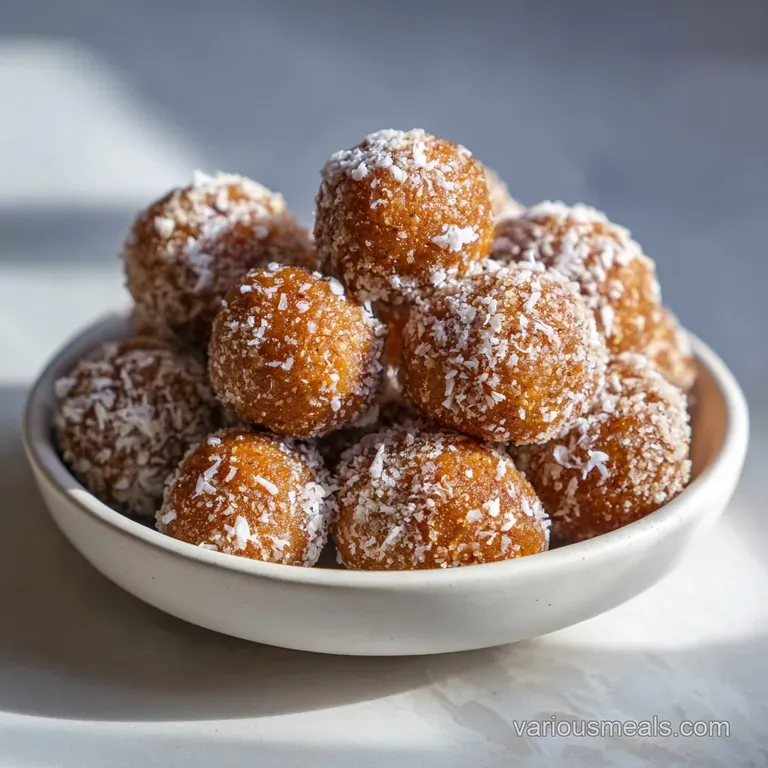
- Mix the base. Combine the 1 lb ground beef, 0.5 cup Panko, egg, 1 tbsp soy sauce, ginger, and pepper in a bowl. Note: Don't overmix or the meatballs will turn out tough.
- Form the balls. Scoop and roll the mixture into 1 inch balls. until you have about 16-20 uniform pieces.
- Whisk the glaze. In a small jar, shake the 0.5 cup pineapple juice, rice vinegar, ketchup, brown sugar, cornstarch, and the remaining 1 tbsp soy sauce. Note: Ensure the cornstarch is fully dissolved.
- Sear the meat. Heat the vegetable oil in a skillet over medium high heat and add the meatballs. until they are deeply browned on all sides. This usually takes about 6-8 minutes.
- Remove and rest. Take the meatballs out of the pan and set them on a plate. Note: They don't need to be 100% cooked through yet.
- Sauté the aromatics. Add the onion petals and bell pepper to the same pan. until the edges are charred but the centers are still crisp (about 3 minutes).
- Add the flavor. Toss in the 2 garlic cloves and pineapple chunks. until the garlic is fragrant and the pineapple begins to caramelize.
- Thicken the sauce. Pour the sauce mixture into the pan. until the liquid bubbles and turns translucent and glossy.
- Combine and finish. Return the meatballs to the pan and toss them in the glaze. until the sauce is thick and the meat hits 165°F (74°C).
- Garnish and serve. Remove from heat immediately to prevent the sauce from over reducing.
Solving Common Problems with Your Sweet and Sour Sauce
Why Your Meatballs Crumble
If your meatballs are falling apart as soon as they hit the pan, it’s usually a moisture or binding issue. Too much liquid or not enough binder (egg/breadcrumbs) prevents the protein from "knitting" together. Another culprit is trying to flip them too early.
They need that initial crust to release naturally from the pan.
| Problem | Root Cause | Solution |
|---|---|---|
| Meatballs falling apart | Too much handling or lack of binder | Chill the formed balls for 15 minutes before frying |
| Sauce is "gloppy" | Over reduced or too much starch | Whisk in 1 tablespoon of hot water to thin it out |
| Meat is dry/tough | Lean meat or overmixing the dough | Use 80/20 beef and mix just until combined |
Common Mistakes Checklist
- ✓ Pat the bell peppers dry after washing so they sear instead of steam.
- ✓ Ensure the pan is hot enough the oil should shimmer before adding meat.
- ✓ Don't crowd the pan; if the meatballs are touching, they won't get crispy.
- ✓ Whisk the sauce again right before pouring it in, as cornstarch settles at the bottom.
- ✓ Let the meatballs rest for 3 minutes after cooking to redistribute the juices.
Creative Flavor Variations for Your Meatball Dinner Ideas
If you're feeling adventurous, you can easily pivot this recipe. For a "Hawaiian Sweet and Sour Meatballs" style, add a splash of maraschino cherry juice to the glaze and serve it with extra charred pineapple.
For those who love the "Sweet and Sour Meatballs Panlasang Pinoy" version, try adding some banana ketchup instead of the standard tomato version for a more authentic Filipino flavor profile.
- If you want a spicy kick: Add 1 tablespoon of Sriracha or red pepper flakes to the sauce.
- If you want it extra crunchy: Coat the formed meatballs in a light dusting of cornstarch before searing.
- If you want a "Chinese Sweet and Sour Meatballs" vibe: Swap the rice vinegar for Chinkiang black vinegar for a deeper, smokier tang.
If you’re looking for a more "low carb" approach, you can swap the brown sugar for a keto friendly monk fruit sweetener. While the caramelization won't be quite as intense, the flavor remains bold. For more protein heavy inspiration, you might enjoy my Creamy Garlic Chicken recipe, which focuses on high flavor, efficient cooking.
How to Store and Refresh Your Leftover Meatballs
These store surprisingly well, though the bell peppers will lose their crunch over time. Keep them in an airtight container in the fridge for up to 4 days. When reheating, I recommend doing it on the stovetop with a tiny splash of water to loosen the sauce.
The microwave tends to make the meatballs a bit rubbery, but it works in a pinch if you're at the office.
You can also freeze these! Flash freeze the cooked meatballs and sauce in a single layer on a parchment lined tray before transferring to a freezer bag. They'll stay good for about 3 months.
To use up the leftover veggie scraps, I usually toss the onion ends and pepper ribs into a freezer bag for making a quick vegetable stock later.
Best Ways to Serve and Pair Your Meatballs
The most classic way to enjoy this "homemade sweet and sour meatballs" dish is over a pile of fluffy jasmine rice. The rice acts like a sponge for that extra glaze, making every bite count. If you want something lighter, cauliflower rice or even a crisp cabbage slaw works beautifully to balance the richness.
For a party setting, serve them individually on toothpicks as "Sweet and Sour Meatballs for party ready appetizer" style. The glossy red sauce looks incredible on a platter. If you're doing a full spread, they pair remarkably well with a side of steamed bok choy or even a simple cucumber salad with sesame oil.
Fast vs Classic Comparison
| Feature | Fast (This Recipe) | Classic (Slow Simmer) |
|---|---|---|
| Active Time | 15 minutes | 45+ minutes |
| Texture | Crispy and vibrant | Soft and integrated |
| Flavor Profile | Bright, punchy, fresh | Deep, mellow, complex |
If you have a bit more time on your hands and want something truly decadent, the Beef Bourguignon recipe is a fantastic way to explore deeper, slower developed flavors using similar beef searing techniques.
Myths About Sweet and Sour Cooking
One of the biggest myths is that you need fresh pineapple to get a good flavor. Actually, fresh pineapple contains an enzyme called bromelain that can break down meat proteins, sometimes making your meatballs mushy if they sit too long. Canned juice and chunks are actually more stable for this specific cooking method.
Another common misconception is that searing "seals in the juices." Science shows us that moisture loss still happens, but what searing does do is create that Maillard crust. It's about flavor development, not moisture trapping.
Finally, don't believe that you have to deep fry the meat to get it "Chinese restaurant" style. A good pan sear provides plenty of texture without the mess of a deep fryer.

Recipe FAQs
What is the sauce for sweet and sour meatballs?
The sauce is a classic glossy glaze made from pineapple juice, rice vinegar, brown sugar, ketchup, and cornstarch. It balances sharp acidity with deep sweetness, thickened right in the pan after searing the meat.
What's the secret to great sweet & sour?
The secret is achieving a hard, savory sear on the meatballs first before introducing the glaze. This Maillard reaction creates the deep, umami backbone that prevents the final dish from tasting overwhelmingly sweet, a technique similar to achieving depth in savory dishes like our Asian Meal Youll recipe.
What kind of vinegar for sweet and sour meatballs?
Rice vinegar is highly recommended for the best flavor profile. It provides the necessary tanginess but is milder and slightly sweeter than plain white distilled vinegar.
How do you make sweet and sour meatballs in the crockpot?
Sear the meatballs first on the stovetop until deeply browned, then transfer them to the slow cooker. Pour the sauce mixture over the top and cook on low for 4-6 hours. If you enjoyed this hands off approach, see our variation for The Buffalo Chicken recipe which also adapts well to slow cooking.
Can I use ketchup substitutes in the sauce?
Yes, you can substitute tomato paste mixed with a splash of water and a pinch of sugar. Ketchup primarily functions as a mild stabilizer and color agent in this recipe's emulsion.
Is it true that searing the meat traps all the moisture inside?
No, this is a common misconception. Searing does not trap moisture; rather, the high heat initiates the Maillard reaction, creating flavor and crust. Moisture loss is inevitable, but the crust provides necessary textural contrast to the sauce.
How do I prevent the cornstarch from turning the sauce lumpy?
Always create a slurry by whisking the cornstarch into a cold liquid component first. Do not dump dry starch directly into hot liquid; ensure it's fully suspended before adding it to the simmering sauce base.
Sweet And Sour Meatballs Recipe
Ingredients:
Instructions:
Nutrition Facts:
| Calories | 448 kcal |
|---|---|
| Protein | 26g |
| Fat | 23g |
| Carbs | 35g |
| Fiber | 2g |
| Sugar | 25g |
| Sodium | 680mg |
