Instant Pot Ribs: Fall-Off-The-Bone Tender
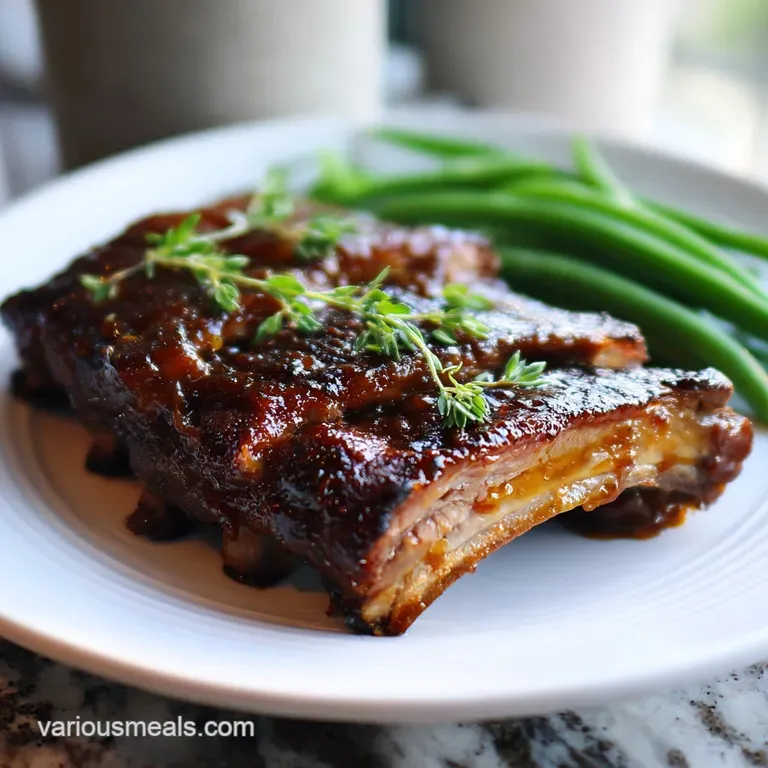
- Time: Active 15 minutes, Passive 35 minutes, Total 50 minutes
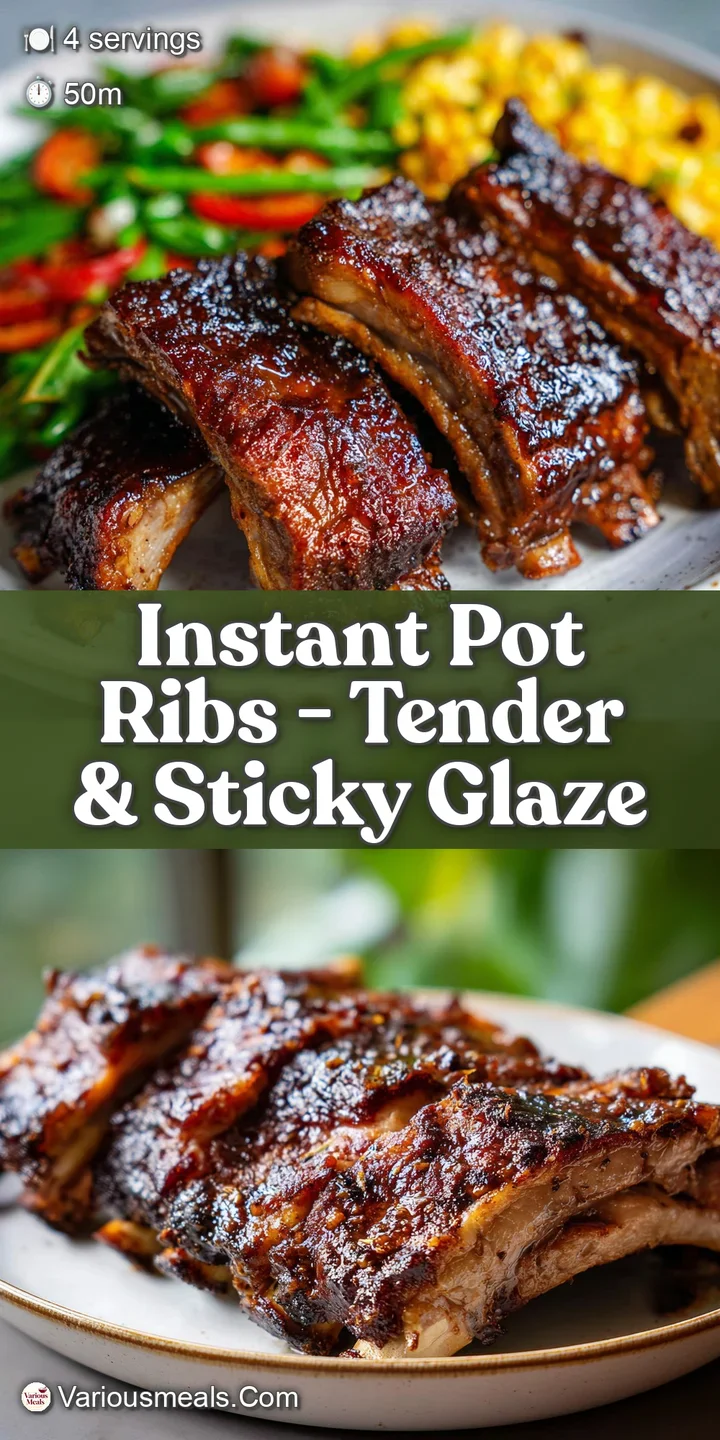
- Flavor/Texture Hook: Sticky, caramelized glaze over velvety, fall off-the bone meat
- Perfect for: Weekend family gatherings or a stress free weeknight comfort meal
- Master the Perfect Instant Pot Ribs
- Why This Recipe Works
- The Physics of the Pressurized Steam
- Gathering Your Key Ingredients
- Essential Tools for Success
- Step-by-Step Cooking Instructions
- Pro Tips and Common Pitfalls
- Simple Dietary Ingredient Adaptations
- Scaling for a Large Crowd
- Debunking the Sealing Myth
- Preservation and Reheating Secrets
- Perfect Complements and Side Dishes
- Very High in Sodium
- Recipe FAQs
- 📝 Recipe Card
Master the Perfect Instant Pot Ribs
I still remember my first "rib catastrophe." It was a humid July afternoon, and I was determined to be the pitmaster of the family reunion. I spent six grueling hours hovering over a charcoal grill, poking at a rack of baby backs that eventually came out looking like charred driftwood and tasting like recycled leather.
My poor uncle chewed a single bite for three minutes before politely hiding the rest under a pile of potato salad. It was humbling, to say the least.
That failure sent me on a mission to find a foolproof way to get that signature tender texture without the all day babysitting. When I finally tried making Instant Pot Ribs, the hiss of the steam release changed everything.
The kitchen filled with the scent of smoked paprika and sweet molasses, and for the first time, the meat actually slipped off the bone with just a gentle tug. It felt like a magic trick, but it was really just smart cooking.
You don't need a thousand dollar smoker or a whole weekend to get world class results. This method gives you that "spent all day in the pit" flavor in less than an hour. We're going to use a specific blend of spices and a clever liquid base that does all the hard work for you.
Trust me, once you see your family's eyes light up when they see that glossy, caramelized crust, you'll never go back to the old way.
Why This Recipe Works
- Connective Tissue Breakdown: The high pressure environment forces moisture into the tough collagen, converting it into silky gelatin in minutes rather than hours.
- Carbonation Tenderizing: Using Coke provides both phosphoric acid to soften muscle fibers and sugar to help with the final caramelization.
- Controlled Hydration: Steaming the meat above the liquid prevents the pork from boiling, which keeps the interior juicy instead of watery.
- Maillard Acceleration: The final broiling step triggers a rapid Maillard reaction, turning the sugar heavy BBQ sauce into a crispy, tacky "bark."
| Thickness | Internal Temp | Rest Time | Visual Cue |
|---|---|---|---|
| 1 inch (Baby Back) | 195°F - 205°F | 5 minutes | Meat pulls back 1/2 inch from bone |
| 1.5 inches (St. Louis) | 195°F - 205°F | 8 minutes | Bone wiggles easily when tugged |
| 2 inches (Beef Ribs) | 200°F - 210°F | 10 minutes | Fork slides in like butter |
Selecting the right cut of meat is just as important as the cook time. While baby back ribs are leaner and cook faster, St. Louis style ribs have more marbling and a richer flavor. If you find yourself wanting a different comfort classic, you might also enjoy my Slow Cooker Beef recipe, which handles tough cuts with similar grace.
The Physics of the Pressurized Steam
High pressure raises the boiling point of water, allowing the steam to penetrate the meat at temperatures far above 212°F. This accelerated heat transfer melts the tough white connective tissue into a velvety liquid that coats every fiber.
| Ingredient | Science Role | Pro Secret |
|---|---|---|
| Brown Sugar | Hygroscopic sweetener | Draws moisture into the spice rub for better adhesion |
| Apple Cider Vinegar | Acidic catalyst | Breaks down surface proteins to let spices penetrate deeper |
| Coke | pH Balancer | The acidity mimics long term marination in a fraction of the time |
| Liquid Smoke | Volatile aromatics | Provides the phenolic compounds usually found in hardwood smoke |
The liquid smoke is a bit of a controversial topic in some circles, but it's essential here. Without it, the meat lacks that deep, outdoor cooked soul. Just a few drops will trick your brain into thinking these ribs lived in a smokehouse for twelve hours.
Gathering Your Key Ingredients
- 3 lbs Pork Baby Back or St. Louis Style Spare Ribs: Why this? Baby backs are more tender; St. Louis ribs offer a heartier, fattier bite. (Substitute: Beef back ribs for a richer, heavier flavor profile)
- 1/2 cup (100g) Brown sugar, packed: Why this? Provides the base for the sticky glaze and balances the salt. (Substitute: Coconut sugar for a more toasted, earthy sweetness)
- 2 tbsp (15g) Smoked paprika: Why this? Essential for that "fake" wood fired flavor and deep red color. (Substitute: Regular paprika mixed with a pinch of chipotle powder)
- 1 tbsp (9g) Garlic powder: Why this? Distributes more evenly than fresh garlic in a dry rub. (Substitute: Granulated garlic for a coarser texture)
- 1 tbsp (9g) Onion powder: Why this? Adds a savory, umami depth without adding moisture. (Substitute: Shallot powder for a more delicate sweetness)
- 1 tsp (2g) Ground cumin: Why this? Adds a faint smoky, earthy undertone that complements the pork. (Substitute: Ground coriander for a brighter, citrusy vibe)
- 1 tsp (6g) Kosher salt: Why this? Large crystals help create a better crust than fine table salt. (Substitute: Sea salt, but use 25% less if it is very fine)
- 1 tsp (2g) Cracked black pepper: Why this? Provides a sharp, floral bite to cut through the fat. (Substitute: White pepper for a more subtle, earthy heat)
- 1/2 tsp (1g) Cayenne pepper: Why this? Just enough to wake up the palate without being "spicy." (Substitute: Red pepper flakes for a more localized heat)
- 1 cup (240ml) Coke: Why this? The sugar and carbonation are the ultimate meat tenderizers. (Substitute: Root beer or Dr. Pepper for different spice notes)
- 2 tbsp (30ml) Apple cider vinegar: Why this? Brightens the heavy flavors and cuts through the richness. (Substitute: White wine vinegar or rice vinegar)
- 1/2 tsp (2.5ml) Liquid smoke: Why this? Mimics the flavor of a real wood burning smoker. (Substitute: Smoked salt instead of kosher salt)
- 1 cup (250g) BBQ sauce: Why this? The final layer of flavor that caramelizes under the broiler. (Substitute: Hoisin sauce for an Instant Pot Chinese ribs twist)
Essential Tools for Success
You don't need a pantry full of gadgets, but a few specific items make this much easier. A 6 quart or 8 quart electric pressure cooker is the standard. Make sure your sealing ring is clean; otherwise, your ribs might end up smelling like the garlic shrimp you made last night.
You also absolutely need the metal trivet that came with your pot. If you sit the meat directly in the liquid, it will boil, and the texture will turn mushy and gray. We want the meat to be "bathed" in flavored steam, not submerged. Finally, a sturdy set of tongs is non negotiable.
When these ribs are done, they are fragile. Using a fork will just cause them to shatter and fall into the bottom of the pot.
For those looking to build a full party spread, these ribs look fantastic next to a big bowl of appetizers. I often serve them alongside my Crockpot Meatballs for recipe when I'm hosting a game day. Both can be prepped early, leaving you free to actually talk to your guests.
step-by-step Cooking Instructions
Phase 1: Preparation & Rubbing
- Remove the membrane. Flip the ribs bone side up and use a butter knife to loosen the thin, silvery skin. Grab it with a paper towel and pull it off in one go. Note: This allows the spices to actually reach the meat.
- Mix the rub. Combine the brown sugar, smoked paprika, garlic powder, onion powder, cumin, salt, pepper, and cayenne in a small bowl until no lumps remain.
- Massage the meat. Coat both sides of the ribs generously with the spice mixture, pressing it in with your hands. Until the meat is completely covered in a thick, dark layer of spices.
- Prepare the pot. Pour the 1 cup of Coke, 2 tbsp of apple cider vinegar, and 1/2 tsp of liquid smoke into the inner pot.
- Set the trivet. Place the metal rack into the liquid. Until it sits level and secure.
Phase 2: The Pressure Cycle
- Load the ribs. Coil the rib rack into a circle around the inside of the pot, resting on the trivet, with the meat side facing out.
- Seal and cook. Close the lid, set the valve to "sealing," and cook on High Pressure for 23 minutes (Baby Back) or 30 minutes (St. Louis). Until the timer beeps and the kitchen smells like a smoky barbecue pit.
- Natural release. Allow the pressure to drop naturally for 15 minutes before opening the valve. Note: This prevents the meat fibers from toughening up due to a sudden temperature change.
Phase 3: The Caramelized Finish
- Glaze the ribs. Carefully lift the ribs onto a foil lined baking sheet. Brush them liberally with the 1 cup of BBQ sauce. Until every inch is coated in a thick, glossy layer.
- Broil for the bark. Place the ribs under the oven broiler for 3 to 5 minutes. Until the sauce is bubbling and starting to char at the edges.
Chef's Tip: If you have 10 minutes, freeze your butter before grating it into side dishes like cornbread or biscuits to serve with these ribs. The cold fat creates steam pockets that make your bread incredibly flaky.
Pro Tips and Common Pitfalls
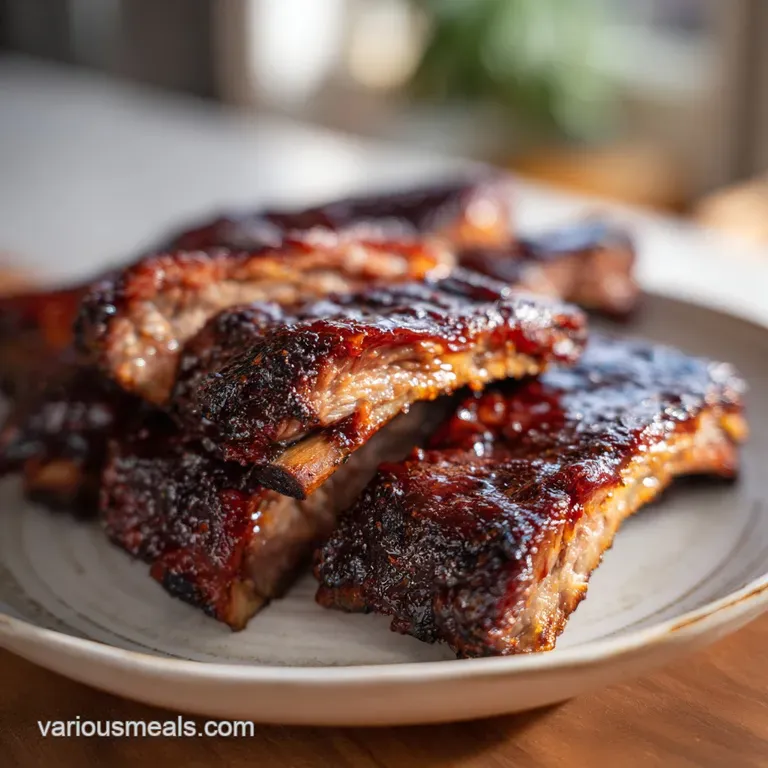
Why Your Ribs Stay Tough
Sometimes, even with the pressure, the meat doesn't want to let go of the bone. This usually happens because the ribs were particularly thick or the natural release was skipped. If you open the pot and they aren't tender, just put the lid back on and cook for another 5 minutes under pressure.
The second cycle is usually the charm.
| Problem | Root Cause | Solution |
|---|---|---|
| Tough, chewy meat | Insufficient cook time or no natural release | Cook 5 mins more; always use 15 min natural release |
| Meat is watery/bland | Submerged in liquid rather than steamed | Use the trivet to keep meat above the liquid line |
| Sauce is runny | Broiler wasn't hot enough or sauce was too thin | Move oven rack higher; broil until dark spots appear |
Common Mistakes Checklist
- ✓ Never skip the membrane removal; it's the difference between tender and rubbery.
- ✓ Don't use more than 1 cup of liquid; too much creates a "boiled" flavor and dilutes the spices.
- ✓ Always let the pressure release naturally for at least 15 minutes to keep the meat juicy.
- ✓ Check that the sealing ring is seated correctly before starting the pot to ensure it reaches pressure.
- ✓ Use a silicone brush for the glaze to avoid tearing the delicate meat after pressure cooking.
Simple Dietary Ingredient Adaptations
Keto/Low Carb Version
If you're watching your sugar intake, you can still have incredible Instant Pot Ribs. Swap the brown sugar in the rub for a gold monk fruit sweetener. Instead of Coke, use a zero sugar cola or even just 1 cup of beef broth with an extra tablespoon of apple cider vinegar.
For the finish, choose a sugar-free BBQ sauce (like G Hughes or Ray's No Sugar Added). The result is still incredibly savory and tender without the carb spike.
For Instant Pot Chinese Ribs
To give these an Eastern flair, replace the BBQ sauce with a mix of hoisin, soy sauce, and a splash of sesame oil. Use ginger powder instead of cumin in the dry rub. The cooking process remains exactly the same, but the aroma will shift from "Texas smokehouse" to "Hong Kong bistro." Serve these over white rice to soak up all that extra glaze.
| Original Ingredient | Substitute | Why It Works |
|---|---|---|
| Brown Sugar (1/2 cup) | Honey (1/3 cup) | Adds a floral sweetness. Note: May burn faster under the broiler |
| Coke (1 cup) | Apple Juice (1 cup) | Provides natural sugars and acidity for tenderizing |
| BBQ Sauce (1 cup) | Buffalo Sauce (1 cup) | Gives a spicy, tangy kick perfect for "wing style" ribs |
Scaling for a Large Crowd
Scaling Down (1/2 Rack): If you're cooking for just one or two people, you can easily halve the recipe. Use 1.5 lbs of ribs and half the dry rub. Keep the liquid levels exactly the same (1 cup total), as the Instant Pot needs that minimum amount to reach pressure.
The cook time remains the same because the thickness of the meat hasn't changed, only the total volume.
Scaling Up (2-3 Racks): You can fit up to three racks of baby backs in an 8 quart pot by "nesting" them. Coil the first rack, then coil the second one just inside the first, like a set of nesting dolls. For the spices and sauce, double the quantities, but keep the cooking liquid at 1.25 cups.
The pot will take longer to come to pressure, but the actual cook time stays at 23 to 30 minutes.
Debunking the Sealing Myth
One of the biggest myths in the kitchen is that searing or "sealing" meat locks in the juices. It doesn't. Moisture loss happens as protein fibers contract from heat. Searing is purely for flavor through the Maillard reaction.
In this recipe, we skip the initial sear because the pressure cooker does such a good job of tenderizing, and we get all that "seared" flavor at the end under the broiler.
Another misconception is that you need bone in meat for flavor. While the bones do provide some insulation and structural integrity, most of the flavor comes from the fat and connective tissue. In the Instant Pot, the bone acts more like a heat conductor, helping the center of the meat cook more evenly.
Preservation and Reheating Secrets
Storage: These ribs keep beautifully in the fridge for up to 4 days. Store them in an airtight container, preferably with a little extra BBQ sauce brushed on to keep them from drying out.
Freezing: You can freeze cooked ribs for up to 3 months. Wrap the cooled racks tightly in plastic wrap, then a layer of aluminum foil. To thaw, leave them in the fridge overnight.
Reheating: Avoid the microwave if you can! It makes the meat rubbery. Instead, wrap the ribs in foil with a splash of water or apple juice and heat in a 300°F (150°C) oven for 15 to 20 minutes. This gently steams them back to life.
Zero Waste: Don't throw away the liquid at the bottom of the pot! That "pot liquor" is liquid gold. Strain it into a jar and let it sit in the fridge. Once the fat rises to the top, scrape it off. What’s left is a deeply concentrated, smoky pork stock.
Use it as a base for a killer navy bean soup or to flavor a pot of collard greens. Even the bones can be boiled one more time to make a basic bone broth.
Perfect Complements and Side Dishes
When you serve something as rich and heavy as these ribs, you need sides that can stand up to the challenge. A tangy, vinegar based coleslaw is the classic choice because the acidity cuts right through the pork fat.
I also love serving these with a "shatter crisp" cornbread the kind where you preheat the cast iron skillet with plenty of butter so the bottom of the bread is fried and crunchy.
If you want to go the classic route, a creamy mac and cheese or some garlic rubbed corn on the cob works wonders. The goal is to have textures that contrast with the velvety meat. Think "crunchy," "creamy," or "bright." If the table feels too heavy, a simple cucumber and red onion salad with a light vinaigrette can refresh the palate between bites of sticky, smoky goodness.
Very High in Sodium
1310 mg mg of sodium per serving (57% % of daily value)
The American Heart Association recommends limiting sodium intake to no more than 2,300mg per day for most adults. Ideally, aim for 1,500mg per day for even greater health benefits.
Easy Tips to Reduce Sodium in Your Ribs:
-
Reduce Added Salt-25%
Eliminate or significantly reduce the 1 tsp of kosher salt. Taste the rub mixture before adding any salt. You might find it flavorful enough without any added sodium.
-
Low-Sodium BBQ Sauce-20%
Use a low-sodium or no-salt added BBQ sauce, or make your own. Many commercial BBQ sauces are high in sodium. Opting for a low-sodium version can significantly reduce the overall sodium content.
-
Consider Coke Substitute-10%
While 1 cup of Coke doesn't contribute a huge amount of sodium, it can be swapped with a low-sodium alternative like a sugar-free soda or even apple juice to further reduce sodium intake without significantly impacting the flavor profile.
-
Flavor Boost
Enhance the flavor with more fresh herbs and spices like smoked paprika, garlic powder, onion powder, ground cumin, black pepper, and cayenne pepper, to compensate for the reduced salt. Experiment with other complementary spices!
Recipe FAQs
How long do you cook ribs in the Instant Pot?
23 minutes for baby backs or 30 minutes for St. Louis style ribs. This is followed by a mandatory 15 minute natural pressure release to ensure tenderness without drying out the meat.
What is the 3-3-3 rule for ribs?
The 3-3-3 rule is generally not used for the Instant Pot method. This rule typically applies to slow cooker or low and slow smoking techniques (3 hours uncovered, 3 hours covered, 3 hours uncovered), but pressure cooking achieves tenderness much faster through steam.
Can you overcook ribs in an Instant Pot?
Yes, it is possible to overcook them, but they will be mushy rather than tough. Overcooking breaks down all the structure, leaving the meat completely shredded and falling apart rather than tender enough to pull from the bone cleanly.
How much liquid to add to an Instant Pot for ribs?
Use exactly 1 cup of liquid, no more. The ribs must sit on the trivet above the liquid so they steam, not boil; too much liquid results in a watery flavor profile.
Is it true you must sear the ribs before pressure cooking?
No, searing is not required for tenderness in this recipe. Searing only adds flavor via the Maillard reaction, and this recipe achieves superior surface flavor and caramelization afterward using the broiler.
How do I ensure the ribs get a caramelized bark finish after pressure cooking?
Brush the cooked ribs liberally with BBQ sauce and broil on high for 3 to 5 minutes. Watch them closely to ensure the sugars caramelize without burning; if you want a deeply developed flavor, you might enjoy the similar flavor building technique used in our Voodoo Fries recipe.
Can I use a dry rub only, without the carbonated liquid?
No, the carbonated liquid is crucial for tenderization. The acid and sugar in the Coke breaks down the tough muscle fibers quickly, a chemical reaction that a dry rub alone cannot replicate effectively under pressure.
Tender Instant Pot Ribs
Ingredients:
Instructions:
Nutrition Facts:
| Calories | 768 kcal |
|---|---|
| Protein | 52g |
| Fat | 38g |
| Carbs | 54g |
| Fiber | 1.2g |
| Sugar | 49g |
| Sodium | 1310mg |
