Texas Roadhouse Rolls Recipe
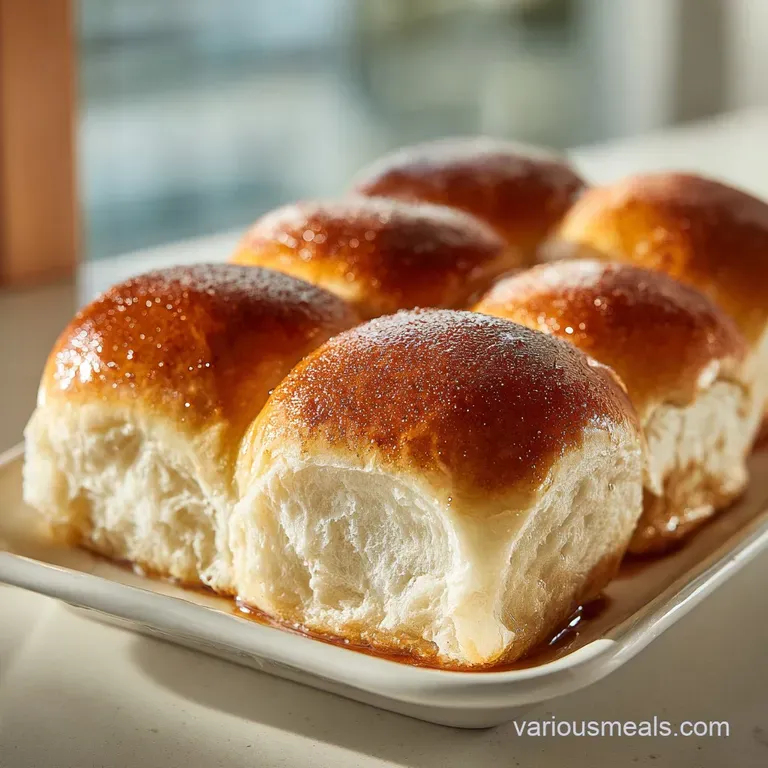
- Time: Active 30 mins, Passive 1 hours, Total 1 hours 30 mins
- Flavor/Texture Hook: Pillowy, yeast forward centers with a velvety honey cinnamon finish
- Perfect for: Sunday family dinners, holiday spreads, or when you need a high effort taste with low stress techniques
- Baking the Iconic Texas Roadhouse Rolls at Home
- The Secret Science of the Enriched Crumb
- Identifying Your Essential Dough Components
- The Essential Tools for Fluffy Success
- From Mixing to Glazing Your Golden Rolls
- Saving Your Dough from Common Pitfalls
- Customizing Your Rolls for Every Table
- Traditional Myths About Yeast Baking
- Keep Your Rolls Soft for Days
- What to Serve with These Buttery Squares
- Recipe FAQs
- 📝 Recipe Card
Baking the Iconic Texas Roadhouse Rolls at Home
That specific scent hits you the second you walk through the heavy wooden doors of the steakhouse it is a thick, heady cloud of yeast, melting butter, and toasted cinnamon. You know exactly what I’m talking about.
It is the sound of that paper lined basket hitting the table, still radiating heat, and the sight of those perfectly square, golden topped rolls just waiting to be torn apart. I remember the first time I tried to recreate these; I made the mistake of using cold milk and rushing the proof.
The result was a dense, sad brick that didn’t even deserve the butter.
But we aren't doing that today. After dozens of batches and a few "happy accidents" with fermentation times, I’ve figured out the exact rhythm to get that bakery style loft. We are looking for a crumb so light it almost collapses when you pinch it, but with enough structure to hold up to a thick layer of whipped honey butter.
This isn't just about feeding people; it is about that specific "hush" that falls over the table when everyone takes their first warm bite. Honestly, skip the salad these are the main event.
I’ve learned that the secret isn't just in the ingredients, but in the patience of the proof. If you've ever felt intimidated by yeast, don't be. Think of it as a living thing that just needs a warm bath and a little sugar to do its magic.
We’re going to walk through the "how" and the "why" so your kitchen smells like a professional bakery by the time the timer dings. Let's get our hands floury and make something that actually lives up to the hype.
The Secret Science of the Enriched Crumb
The Physics of the Scald: Heating the milk to 180°F (82°C) deactivates whey proteins that can otherwise weaken gluten structure, resulting in a much loftier, softer roll.
Honey Induced Hydration: Since honey is a humectant, it attracts and holds onto moisture within the dough, keeping the rolls from drying out even 24 hours after baking.
CO2 Trapping: The high protein content in the all purpose flour creates a flexible web that traps carbon dioxide bubbles, which is what gives us that specific "squish" when you press down on a roll.
Fat Interference: Adding melted butter late in the mixing process coats the flour proteins, preventing them from bonding too tightly and ensuring the crumb remains tender rather than chewy.
| Method | Total Time | Texture Outcome | Best For |
|---|---|---|---|
| Classic Roadhouse | 1 hours 30 mins | Ultra airy, velvety crumb | The authentic experience |
| Cold Proof | 12 hours | Deep, complex sourdough like notes | Stress free holiday prep |
| Quick Rise | 55 mins | Slightly denser, breadier | Last minute weeknight dinner |
When deciding which path to take, remember that time is actually an ingredient here. The "Classic Roadhouse" method we are using today hits that sweet spot of speed and texture. If you choose the cold proof, the yeast has more time to convert sugars into complex gases, which creates a slightly more "grown up" flavor profile, though you lose a tiny bit of that childhood memory sweetness.
For the best result, stick to the classic timing the first time you try this Texas Roadhouse Rolls recipe.
Identifying Your Essential Dough Components
| Ingredient | Science Role | Pro Secret |
|---|---|---|
| Active Dry Yeast | Leavening agent | Always "bloom" it in 105°F water to ensure it's alive before adding flour. |
| Whole Milk | Tenderizer | The fats in whole milk create a much richer mouthfeel than 2% or skim. |
| Honey | Fermentation fuel | It provides a more nuanced sweetness and a softer crumb than granulated sugar alone. |
| All Purpose Flour | Structural base | Weigh your flour (4.25 cups is approx 510g) to avoid a dry, heavy dough. |
Selecting the Right Flour and Fats
For the best results, use a high-quality all purpose flour. While bread flour makes a great loaf, it can sometimes make these rolls a bit too "toothy" or chewy. We want them to yield to the tooth immediately. As for the butter, I always reach for unsalted. It allows you to control the exact seasoning of the dough.
Why this? Using unsalted butter prevents the rolls from tasting metallic or overly seasoned.
Choosing the Liquid Gold
Don't swap the honey for maple syrup or agave unless you absolutely have to. Honey has a specific acidity that interacts with the yeast and the milk solids during the bake, contributing to that signature golden brown crust.
Why this? Honey's natural enzymes help break down starches, leading to a better rise.
The Importance of Temperature
Your egg needs to be at room temperature. If you drop a cold egg into your warm milk and yeast mixture, it can shock the yeast and slow down your rise time significantly. To warm an egg quickly, just let it sit in a bowl of warm water for 5 minutes.
Why this? Stable temperatures ensure the yeast stays active and happy throughout the process.
The Essential Tools for Fluffy Success
You don't need a professional kitchen, but a few specific items make this a lot easier. A stand mixer with a dough hook is a lifesaver here because this dough is quite sticky initially. You can do it by hand, but be prepared for a workout! You’ll also want a sharp bench scraper or a pizza cutter.
This is how you get those clean, straight edges on the rolls that allow them to grow "up" instead of "out."
A heavy duty baking sheet (I love a half sheet pan) is better than a glass 9x13 dish here. Metal conducts heat faster, giving the bottoms a beautiful golden sear before the tops over brown. If you have a kitchen scale, use it.
Measuring flour by the cup is notoriously inaccurate one person's "cup" might be 20 grams heavier than another's, and in the world of baking, that's the difference between a cloud and a stone.
From Mixing to Glazing Your Golden Rolls
- Bloom the yeast. Combine 1/4 cup warm water, 1 tbsp granulated sugar, and 2 1/4 tsp active dry yeast. Note: Wait 5-10 minutes until it looks like bubbly, tan foam.
- Scald the milk. Heat 1 cup whole milk in a small pan until tiny bubbles form around the edges, then let it cool to lukewarm.
- Mix the wet base. Whisk the cooled milk, 1/4 cup honey, 4 tbsp melted butter, 1 large egg, and 1 tsp salt into the yeast mixture.
- Incorporate the flour. Add 4.25 cups all purpose flour gradually. Note: Use the dough hook on low speed until the dough clears the sides of the bowl.
- Knead for elasticity. Increase speed to medium for 5 minutes. The dough should be smooth and slightly tacky, not sticky.
- The first proof. Place dough in a greased bowl, cover, and let rise in a warm spot for about 1 hour until doubled in size.
- Shape the squares. Punch down the dough and roll it into a large rectangle (about 1 inch thick) on a floured surface.
- Cut the rolls. Use a pizza cutter to slice the rectangle into 24 even squares. Note: Don't worry if they look small; they will puff up significantly.
- The second rise. Place squares on a parchment lined pan, cover, and let rise for 30 minutes until they look puffy and soft.
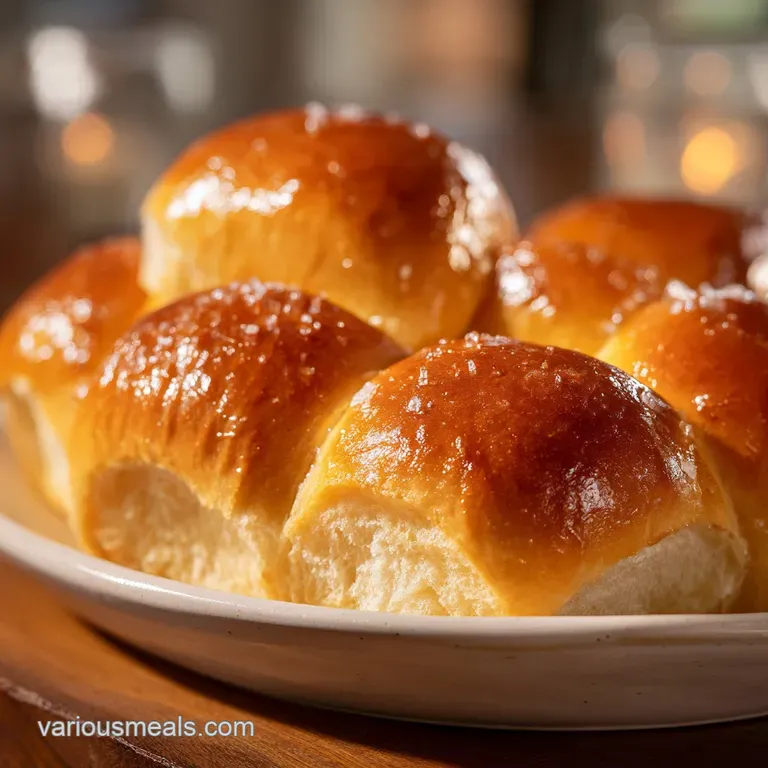
- Bake and glaze. Bake at 350°F (180°C) for 15 minutes until the tops are a deep golden brown. Brush immediately with 2 tbsp melted butter.
Chef's Tip: For the fluffiest results, don't over flour your work surface during shaping. A little tackiness helps the dough "grip" itself as it rises, creating more internal tension and a better vertical lift.
This recipe is a natural partner for an Instant Pot Ribs recipe because the sweetness of the rolls cuts right through the smoky, savory pork. While the rolls are in their final rise, you can whip up the signature cinnamon butter by beating together 1/2 cup softened butter, 1/4 cup powdered sugar, 1/4 cup honey, and 1 tsp cinnamon until it looks like a velvety cloud.
Saving Your Dough from Common Pitfalls
Why Your Rolls Didn't Rise
This is usually a temperature issue. If your water was too hot (over 120°F), you might have accidentally killed the yeast. If it was too cold, the yeast is just "sleeping." Also, make sure your salt didn't touch the yeast directly during the blooming phase, as salt can inhibit yeast activity if the concentration is too high in one spot.
Preventing Dense, Heavy Rolls
Density usually comes from adding too much flour. It’s tempting to keep adding flour when the dough feels sticky, but resist! The dough should be just barely manageable. Another culprit is "under proofing." If you don't let the rolls double in size during the first rise, they won't have the air pockets needed for that signature lightness.
| Problem | Root Cause | Solution |
|---|---|---|
| Hard Crust | Oven temp too low / baked too long | Increase heat to 350°F and pull them out the moment they're golden. |
| Yeasty Aftertaste | Proofed in a spot that was too hot | Aim for a steady 75-80°F for proofing; don't put dough on a hot stove. |
| Rolls Flattening | Over proofing the second rise | Only let the shaped rolls rise for 30 mins; they should still have some spring. |
Common Mistakes Checklist:
- ✓ Check yeast expiration date before starting (old yeast is a recipe for failure).
- ✓ Use a thermometer for the water and milk to ensure they are between 105°F and 115°F.
- ✓ Gently "spoon and level" your flour if you aren't using a scale (don't pack it down).
- ✓ Ensure the butter is cooled before adding it to the yeast mixture to avoid killing it.
- ✓ Don't skip the second rise it's what creates the final airy texture.
Customizing Your Rolls for Every Table
If you need to scale this recipe down for a smaller household, you can easily halve the ingredients. For the egg, just beat it in a small bowl and use half (about 2 tablespoons). You’ll want to use an 8x8 inch square baking pan instead of a full cookie sheet to keep the rolls huddled together, which helps them rise upward rather than spreading out.
When scaling up for a big party (48 rolls), I recommend making two separate batches rather than doubling everything in one bowl. Most home stand mixers can’t handle the weight of 8+ cups of flour, and the motor might overheat. Plus, smaller batches allow for more consistent fermentation.
| Original Ingredient | Substitute | Why It Works |
|---|---|---|
| Whole Milk | Oat Milk (Full Fat) | Provides a similar creamy texture and natural sweetness. |
| Honey | Maple Syrup | Note: Changes flavor profile slightly and may brown faster. |
| All Purpose Flour | GF Measure for-Measure | Note: Rolls will be denser and won't rise as high. |
If you're in the mood for something different after dinner, these same honey yeast notes are echoed beautifully in a Pecan Pie Bars recipe. The contrast between the soft roll and a crispy, caramelized dessert is exactly how I like to end a big meal.
Traditional Myths About Yeast Baking
A common misconception is that you must knead dough for 10-15 minutes by hand to develop gluten. While kneading is important, over kneading in a stand mixer can actually break the gluten strands, leading to a roll that is tough rather than fluffy.
Stop the mixer as soon as the dough is smooth and elastic.
Another myth is that "more yeast means a faster, better rise." Actually, using too much yeast can cause the dough to rise too quickly and then collapse in the oven. It also leaves behind a bitter, fermented taste.
Stick to the 2 1/4 tsp (one standard packet) for the best balance of flavor and lift in your copycat Texas Roadhouse rolls.
Keep Your Rolls Soft for Days
Storage: These rolls stay surprisingly fresh for up to 3 days. Keep them in an airtight container or a heavy duty Ziploc bag at room temperature. Do not refrigerate them, as the cold environment of a fridge actually recrystallizes the starches and makes bread go stale faster.
Freezing: You can freeze these for up to 2 months. Wrap individual rolls in plastic wrap, then place them all in a freezer bag. To reheat, let them thaw at room temperature, then pop them in a 300°F (150°C) oven for 5 minutes until the center is warm and the butter on top starts to glisten again.
Zero Waste: If you somehow have leftover rolls that have gone a bit dry, don't toss them! They make the most incredible bread pudding or "sweet" croutons for a fruit salad.
You can also slice them thin, brush with more cinnamon butter, and bake them at a low temp until they are crisp "Roadhouse Toasts."
What to Serve with These Buttery Squares
These rolls are the undisputed kings of the side dish world, but they shine brightest next to hearty, savory mains. Because they have that hint of honey, they pair beautifully with salty meats like smoked brisket, roasted chicken, or a thick ribeye steak.
If you’re doing a holiday spread, they are the perfect vessel for leftover turkey and cranberry sauce.
Don't forget the presentation. I like to serve them right in the pan or in a basket lined with a thick cloth napkin to trap the steam. Serve the cinnamon honey butter in a small ramekin on the side, but honestly, I usually just slather it on while they're still screaming hot from the oven.
There is nothing quite like watching that spiced butter melt into the nooks and crannies of a fresh roll. It’s pure comfort, through and through.
Recipe FAQs
Can I buy just rolls from Texas Roadhouse?
No, not typically as a standalone purchase. Texas Roadhouse serves rolls complimentary with meals, and while they occasionally sell bulk items, rolls alone aren't standard takeout fare.
What is so special about Texas Roadhouse rolls?
Their softness and unique square shape are key differentiators. The texture comes from scalding the milk and using a double honey enrichment, resulting in a pillowy crumb that holds the cinnamon butter perfectly.
How much is a dozen rolls at Texas Roadhouse?
Expect to pay around $6 to $8 for a dozen rolls to go. Pricing can vary slightly by location, but this is the general cost for a takeout order of a dozen.
Where can I buy Texas Roadhouse rolls in stores?
You cannot buy their official, fresh rolls prepackaged in grocery stores. The signature rolls are made fresh in their restaurants; however, some grocery stores sell similar yeast roll mixes mimicking the flavor.
Is it true that using cold milk makes the rolls denser?
No, this is a common misconception regarding the base liquid. The rolls require scalded milk (heated to 180°F) to deactivate whey proteins that weaken gluten, not simply the temperature of cold milk affecting density.
How do I ensure my homemade rolls get the tall, pull apart sides?
Cut the dough into specific squares rather than rolling them into balls. This shape ensures they bake tightly against each other, forcing the dough to rise upward, catching more of that cinnamon butter.
What step is most likely to kill the yeast if done incorrectly?
Adding salt directly to the yeast bloom or using water hotter than 120°F will kill the yeast. Ensure your blooming water is between 105°F and 115°F, and keep the salt separate initially.
Texas Roadhouse Rolls Recipe

Ingredients:
Instructions:
Nutrition Facts:
| Calories | 178 kcal |
|---|---|
| Protein | 3.0 g |
| Fat | 7.2 g |
| Carbs | 25 g |
| Fiber | 0.6 g |
| Sugar | 9.3 g |
| Sodium | 103 mg |
