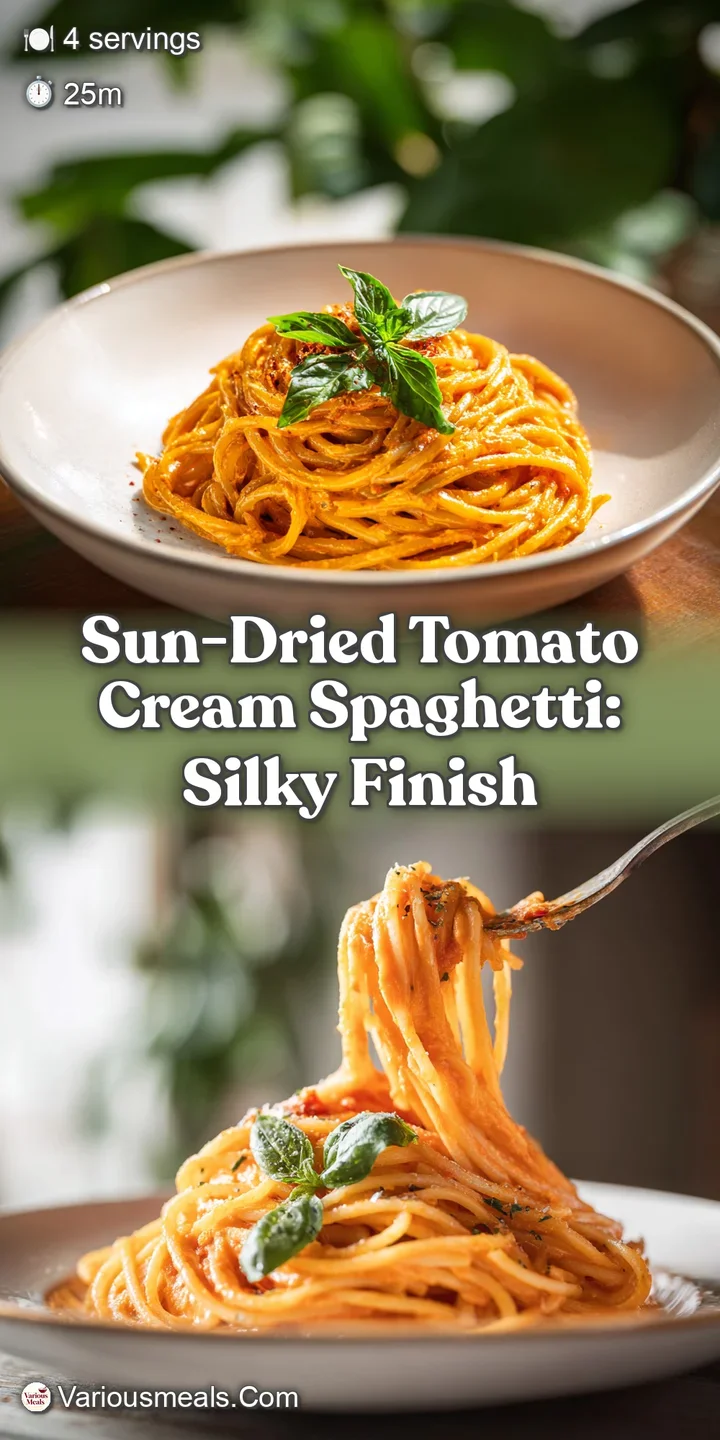
Sun-Dried Tomato Cream Spaghetti
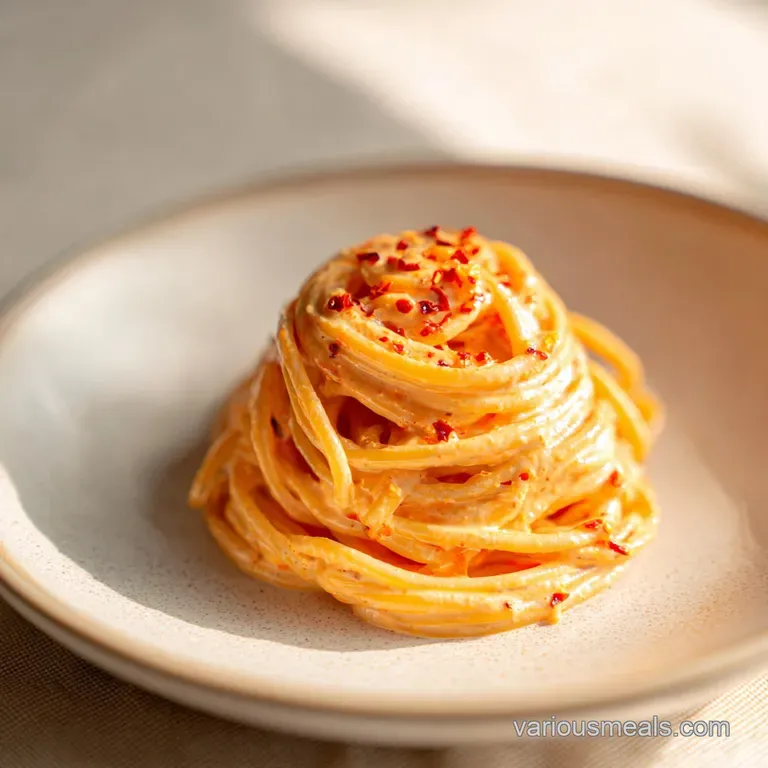
- Time: Active 10 minutes, Passive 15 minutes, Total 25 minutes
- Flavor/Texture Hook: Concentrated umami with a silky, velvety finish
- Perfect for: Cozy family dinners or a quick weeknight indulgence
- Master the Perfect Sun Dried Tomato Cream Spaghetti
- Why This Creamy Pasta Works
- Essential Recipe Specifications and Data
- The Core Building Blocks Used
- Necessary Kitchen Tools and Equipment
- Step-by-Step Cooking Guide
- Fixing Common Kitchen Mistakes
- Creative Flavor Variations to Try
- Storage and Reheating Guidelines
- Perfect Side Dish Pairings
- Debunking Common Kitchen Myths
- High in Sodium
- Recipe FAQs
- 📝 Recipe Card
Master the Perfect Sun Dried Tomato Cream Spaghetti
The first time I made this, the aroma of the sun dried tomato oil hitting the hot pan stopped me in my tracks. It wasn't just a simple sauté; it was the smell of concentrated Mediterranean summer filling my kitchen.
This recipe brings you a standout Spaghetti and Spinach with Sun Dried Tomato Cream Sauce that feels like it belongs in a high end trattoria but takes less than half an hour.
We’ve all had those pasta dishes that end up dry or where the sauce just slides right off the noodles, leaving a puddle at the bottom of the bowl. I spent a long time experimenting with the ratio of heavy cream to pasta water to ensure every strand of spaghetti is properly coated.
You’re going to love how the sweetness of the shallots balances the punchy tomatoes.
Trust me, once you see how that vibrant red oil transforms into a velvety pink sauce, you'll never go back to jarred alternatives. It’s the kind of meal that makes you want to scrape the pan with a piece of crusty bread. Let's get into what makes this specific Sun Dried Tomato Cream Spaghetti so special.
Why This Creamy Pasta Works
- Lipid Infusion: Using the oil from the tomato jar carries fat soluble flavor compounds directly into the aromatics.
- Starch Bonding: Reserved pasta water acts as a bridge, helping the heavy cream and Parmesan cling to the spaghetti.
- Acid Balance: The natural acidity in the sun dried tomatoes cuts through the richness of the heavy whipping cream.
- Thermal Control: Adding the spinach at the very end uses residual heat to wilt the leaves without losing their vibrant color.
| Method | Time | Texture | Best For |
|---|---|---|---|
| One Pot Fast | 18 mins | Thicker, starchier | Maximum speed |
| Classic Stovetop | 25 mins | Silky, balanced | Traditional family meals |
| Cold Prep Salad | 10 mins | Firm, chewy | Summer picnics |
Choosing the classic stovetop method allows the shallots and garlic to develop a mellow sweetness that you just can't get with high speed one pot methods. If you are looking for another fast option, my Tomato Pasta Creamy recipe is a fantastic alternative for those truly hectic nights.
The Science of the Emulsion
When we combine 1/2 cup heavy whipping cream with the 1/2 cup reserved starchy pasta water, we are creating a stable emulsion. The starches in the water act as stabilizers, preventing the fat in the cream from separating when it meets the acidic tomatoes.
Essential Recipe Specifications and Data
| Component | Science Role | Pro Secret |
|---|---|---|
| Sun Dried Tomatoes | Umami & Acidity | Use oil packed for a softer texture and better flavor. |
| Heavy Whipping Cream | Fat Emulsion | Bring to room temp to prevent curdling when hitting the pan. |
| Parmesan Cheese | Salt & Structure | Grate it yourself; pre shredded has cellulose that prevents melting. |
| Pasta Water | Binding Agent | Liquid gold that creates that velvety, restaurant style finish. |
The interaction between the smoked paprika and the fat in the cream creates a deep, smoky undertone that highlights the tomatoes without being overwhelming. This specific Sun Dried Tomato Cream Sauce relies on that 15 minutes of cook time to let the flavors meld into something truly unified.
Similar to the technique I use in my Spaghetti Carbonara Recipe, the residual heat is your best friend when finishing the sauce. You want the cheese to melt into the liquid, not seize up into clumps.
The Core Building Blocks Used
- 1 lb spaghetti: The long strands provide the perfect surface area for the Sun Dried Tomato Cream Sauce.
- 1/2 cup sun dried tomatoes: Oil packed and julienne cut for the best texture. Why this? They provide concentrated flavor that fresh tomatoes lack.
- 2 tbsp reserved tomato oil: This is flavor gold do not toss it!
- 1 medium shallot: Finely minced to melt into the background.
- 4 cloves garlic: Smashed and minced for a punchy aromatic base.
- 1/2 tsp red pepper flakes: Adds a subtle back of-the throat warmth.
- 1 cup heavy whipping cream: The foundation for our velvety texture.
- 1/2 cup Parmesan cheese: Freshly grated is mandatory here.
- 1/2 cup pasta water: To adjust the consistency.
- 3 cups fresh baby spinach: Packed tight before adding.
- 1/4 cup fresh basil: Torn by hand to release the oils.
- 1/2 tsp smoked paprika: For a subtle depth of flavor.
- 1 tbsp Kosher salt: For the pasta water.
Choosing the Right Ingredients
If you can't find shallots, a small yellow onion works, but the flavor will be slightly more aggressive. For the spinach with Sun Dried Tomato Cream Sauce, I always recommend baby spinach because the stems are tender enough to eat without extra chopping.
Necessary Kitchen Tools and Equipment
You don't need a professional kitchen to make this, but a large skillet or sauté pan is a must. You need enough surface area for the spinach with Sun Dried Tomato Cream Sauce to wilt quickly without steaming the pasta.
A good box grater for the Parmesan will make a world of difference compared to the stuff in the green shaker bottle. Also, make sure you have a sturdy pair of tongs. Tongs are the only way to properly toss spaghetti and Spinach with Sun Dried Tomato Cream Sauce to ensure every noodle is coated in that velvety goodness.
Chef's Tip: Freeze your block of Parmesan for 10 minutes before grating. It makes the cheese firmer and prevents it from clumping or melting against the warmth of your hands while you work.
step-by-step Cooking Guide
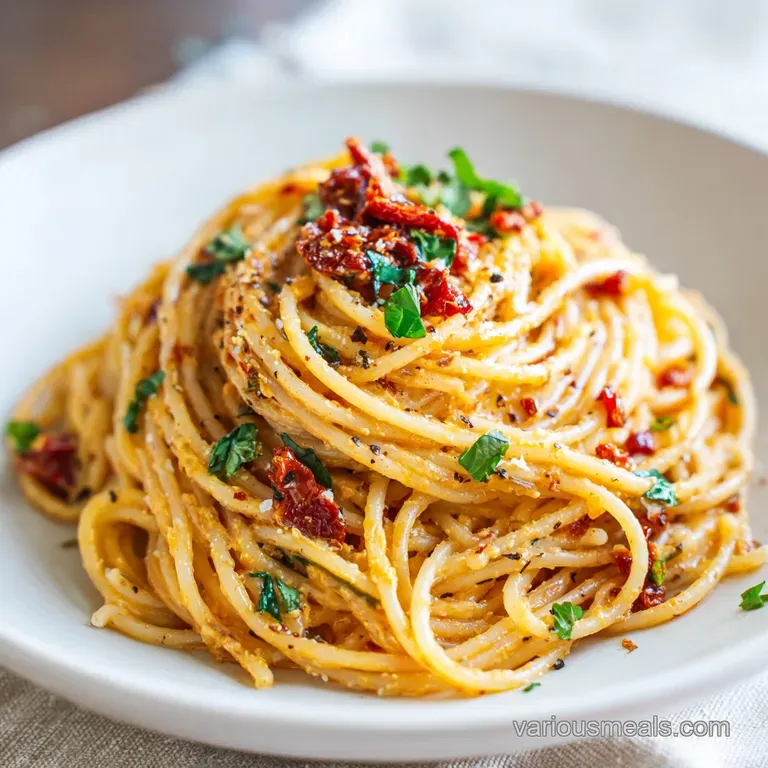
- Boil water. Fill a large pot with water and 1 tbsp Kosher salt, then bring to a rolling boil.
- Cook spaghetti. Add the 1 lb spaghetti and cook for 8-10 minutes until it reaches an al dente "snap".
- Sauté aromatics. While pasta cooks, heat 2 tbsp reserved tomato oil in a skillet over medium heat. Add the minced shallot and cook for 3 minutes until translucent and fragrant.
- Add garlic. Stir in the 4 cloves minced garlic and 1/2 tsp red pepper flakes. Sizzle for 1 minute until the garlic is pale gold.
- Simmer tomatoes. Add the 1/2 cup sun dried tomatoes and 1/2 tsp smoked paprika to the pan. Note: Heating the paprika in oil wakes up the flavor.
- Create cream base. Pour in the 1 cup heavy whipping cream. Simmer for 3-4 minutes until the sauce slightly thickens.
- Reserve water. Before draining the pasta, scoop out 1/2 cup starchy pasta water. Note: This is your insurance policy for a smooth sauce.
- Combine elements. Toss the cooked spaghetti into the skillet with the cream mixture.
- Emulsify sauce. Add the 1/2 cup Parmesan and the reserved pasta water. Stir vigorously until the sauce is glossy and velvety.
- Final wilt. Fold in the 3 cups baby spinach and 1/4 cup torn basil. Cook for 1 minute until the spinach just begins to collapse.
Monitoring the Aroma
You’ll know the sauce is ready when the sharp scent of raw garlic disappears, replaced by a sweet, creamy, and slightly smoky aroma. If it starts to smell like toasted nuts, your garlic is browning too fast lower the heat immediately!
Fixing Common Kitchen Mistakes
The Sauce is Too Thick
If your pasta looks "gummy" or dry, you likely over reduced the cream or didn't use enough pasta water. The starch in the noodles continues to soak up liquid even after you turn off the heat. Always keep a little extra pasta water on standby to loosen things back up right before serving.
Curdled or Separated Cream
This usually happens if the heat is too high or the cream was added straight from the fridge. High heat can cause the proteins in the dairy to tighten and separate from the fats. To fix this, whisk in a tablespoon of warm water and lower the flame.
| Problem | Root Cause | Solution |
|---|---|---|
| Bland Sauce | Under salted pasta water | Add a pinch of salt and a squeeze of lemon juice at the end. |
| Clumpy Cheese | Pre shredded Parmesan used | Whisk in a splash of hot pasta water to help melt the stabilizers. |
| Soggy Spinach | Added too early in the process | Add spinach only after the heat is turned off; use residual warmth. |
- ✓ Always reserve your pasta water before draining (set the colander on top of a measuring cup as a reminder).
- ✓ Grate your cheese finely so it melts instantly into the sauce.
- ✓ Don't overcook the pasta; it will finish cooking for a minute in the warm cream sauce.
- ✓ Sauté the sun dried tomatoes in their own oil to intensify the "sun kissed" flavor.
Creative Flavor Variations to Try
The Mediterranean Protein Twist
If you want to make this more substantial, add some grilled chicken breast or sautéed shrimp. I like to season the protein with the same smoked paprika used in the sauce to keep the flavor profile consistent.
The Vegan Adaptation
| Original Ingredient | Substitute | Why It Works |
|---|---|---|
| Heavy Cream | Full fat Coconut Milk | Provides a similar thickness. Note: Adds a slight nutty undertone. |
| Parmesan Cheese | Nutritional Yeast | Gives a salty, cheesy hit without the dairy. |
| Spaghetti | Chickpea Pasta | Adds protein and fiber while remaining gluten-free. |
For those who love a bit of texture, adding a tablespoon of capers or some toasted pine nuts at the very end provides a lovely contrast to the soft noodles and creamy sauce. If you're in the mood for something different but equally comforting, try my French Onion Pasta recipe which uses similar caramelization techniques.
Storage and Reheating Guidelines
You can store leftovers in an airtight container in the fridge for up to 3 days. However, be aware that the pasta will continue to absorb the and Spinach with Sun Dried Tomato Cream Sauce as it sits, meaning it will likely be quite dry when you go to eat it the next day.
To reheat, avoid the microwave if possible. Instead, place the pasta in a small skillet over low heat and add a splash of milk or water. Stir gently as it warms up to re emulsify the sauce. I don't recommend freezing this dish, as the cream and spinach will lose their texture and likely separate upon thawing.
Zero Waste Tip: If you have leftover sun dried tomato oil, use it to roast potatoes or as a base for a vinaigrette. The stems of the fresh basil can be thrown into a freezer bag to flavor your next batch of homemade vegetable stock.
Perfect Side Dish Pairings
- Garlic Bread: Essential for mopping up every last drop of the and Spinach with Sun Dried Tomato Cream Sauce.
- Arugula Salad: The peppery bite of arugula with a simple lemon vinaigrette cuts through the richness of the cream.
- Roasted Broccoli: The charred bits of broccoli pair perfectly with the smoky paprika in the pasta.
- Crispy White Wine: A chilled Pinot Grigio or Sauvignon Blanc provides the necessary acidity to balance the meal.
If you are looking for a more vegetable forward side, the Creamy Avocado Pasta recipe can actually serve as a great inspiration for a cold side salad variation.
Scaling the Recipe
When cooking for a larger crowd, don't just double everything blindly. For a 2x batch, use only 1.5x the salt and spices to start, as they can become overwhelming. When scaling down for two people, use a smaller skillet to prevent the cream from evaporating too quickly before the flavors have a chance to develop.
Debunking Common Kitchen Myths
One common myth is that you need to rinse your pasta after boiling. Never do this! Rinsing washes away the starch that is essential for making the Sun Dried Tomato Cream Sauce stick to the spaghetti. The only time you should rinse pasta is for a cold noodle salad.
Another misconception is that sun dried tomatoes in a jar are "ready to go." While technically true, sautéing them in their own oil "blooms" the flavor and softens the texture, making them much more pleasant to eat in a creamy sauce.
Trust the process and give them that extra minute in the pan it's the secret to that restaurant quality finish we're all after.
High in Sodium
1125 mg mg of sodium per serving (49% % of daily value)
The American Heart Association recommends limiting sodium intake to about 2,300mg per day for overall cardiovascular health.
Tips to Reduce Sodium in Your Pasta Dish
-
Reduce Parmesan-15%
Parmesan cheese is a significant source of sodium. Reduce the amount from 1/2 cup to 1/4 cup, or use a low-sodium Parmesan alternative for a lower sodium impact. This change can help decrease the overall sodium level significantly.
-
Rinse Sun-Dried Tomatoes-15%
Sun-dried tomatoes packed in oil can be high in sodium. Rinse them thoroughly with water before using them to remove excess sodium from the brine. Blot dry before adding to the recipe to maintain desired texture.
-
Limit Added Salt-25%
Eliminate the 1 tbsp of Kosher salt when boiling the pasta, or reduce it significantly. Salting the pasta water adds a substantial amount of sodium. You can achieve a similar taste by adding salt later, if necessary, in smaller increments.
-
Enhance with Herbs
Use fresh herbs like basil, parsley, or oregano to boost flavor without adding sodium. Experiment with different herb combinations to find your favorite flavor profile.
-
Control Red Pepper Flakes
While red pepper flakes don't contain sodium, monitor the amount you use. A little goes a long way in adding flavor, potentially reducing the need for other salty components.
Recipe FAQs
Must I use oil packed sun dried tomatoes?
No, dry packed tomatoes can work, but you must adjust liquids. If using dry tomatoes, soak them in very hot water for 15 minutes first, then reserve that soaking liquid instead of the jarred oil for your sauté.
How to prevent the cream sauce from curdling when adding cheese?
Remove the pan from the heat before adding the Parmesan. High, direct heat causes the cheese proteins to seize; stirring vigorously off-heat allows the fat and starch from the pasta water to create a stable, velvety emulsion.
Is it true you should never rinse cooked pasta, even for a creamy sauce?
Yes, this is absolutely crucial for this recipe. Rinsing removes the surface starch that acts as the necessary binding agent to help the Sun Dried Tomato Cream Sauce adhere evenly to every strand of spaghetti.
How to achieve a glossy, non-clumpy sauce consistency?
Toss the drained spaghetti with the sauce base while vigorously incorporating reserved starchy pasta water. If you enjoyed mastering the stable emulsion in this sauce, apply the same whisking principle to prevent fat separation in our Strawberry Ricotta Bruschetta recipe topping.
What is the primary role of the reserved pasta water in this recipe?
It acts as the crucial emulsifier and thinning agent. The starch suspends in the water, bridging the fat from the cream with the water content, which prevents separation and creates that signature silky texture.
How long should the spinach cook before it wilts completely?
Fold the spinach in during the final 60 seconds off the heat. You want the residual heat from the sauce and pasta to gently collapse the leaves without steaming them, preserving their bright green color and tender texture.
Can I use half and-half instead of heavy cream for a lighter sauce?
No, switching to half and-half results in a thin, runny sauce. Half and-half has significantly lower fat content, which means it lacks the necessary fat solids to create the thick, clinging emulsion required by the Sun Dried Tomato Cream Sauce.
Tomato Cream Spaghetti Recipe
Ingredients:
Instructions:
Nutrition Facts:
| Calories | 814 kcal |
|---|---|
| Protein | 22.3 g |
| Fat | 37.5 g |
| Carbs | 97.0 g |
| Fiber | 6.2 g |
| Sugar | 5.8 g |
| Sodium | 1125 mg |
