Traditional Full English Breakfast Recipe
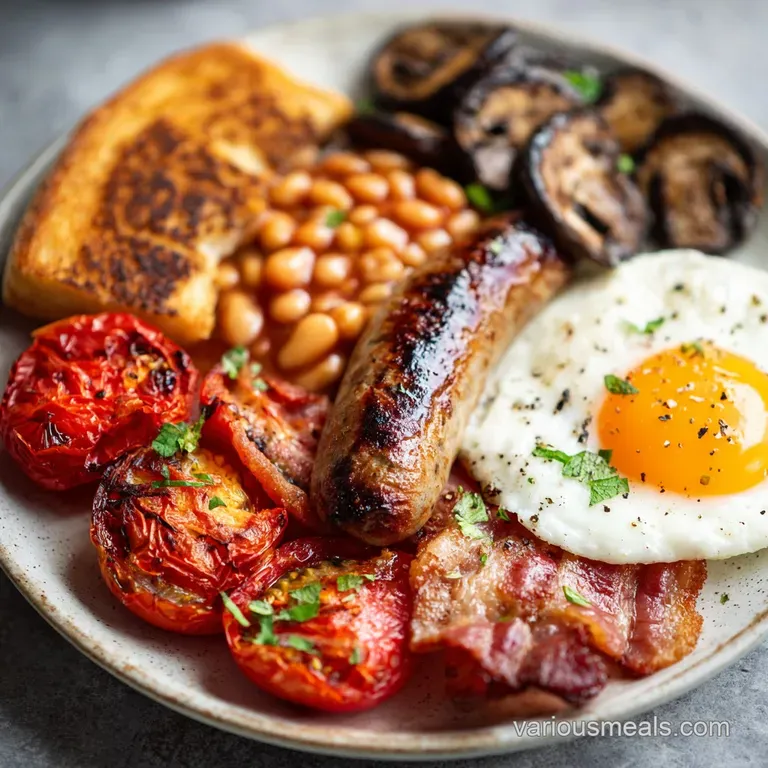
- Time: Active 20 minutes, Passive 10 minutes, Total 30 minutes
- Flavor/Texture Hook: A symphony of salty, crispy bacon, buttery mushrooms, and shatter crisp fried bread.
- Perfect for: Slow weekend mornings, recovery brunches, or hosting a traditional British style gathering.
- Mastering the Traditional Full English Breakfast
- Science of the Perfect Fry Up
- Essential Elements for the Plate
- Gathering Your Essential Fry Up Ingredients
- Tools for Your Morning Feast
- Step-By-Step Cookery Guide
- Solving Common Breakfast Blunders
- Scaling for Different Crowds
- Debunking Fry Up Myths
- Storage and Leftover Wisdom
- Finishing and Serving Ideas
- Very High in Sodium
- Recipe FAQs
- 📝 Recipe Card
Mastering the Traditional Full English Breakfast
The first time I tried a proper fry up was in a tiny, fog covered B&B in the Cotswolds. I can still hear the rhythmic "clink clink" of the tea stirrer and the heavy, rhythmic sizzle of thick cut bacon hitting a cast iron surface in the kitchen next door.
When the plate arrived, it wasn't just food; it was a landscape of textures. The aroma of woodsmoke cured pork mingled with the earthy scent of buttery mushrooms and the sharp, acidic tang of seared tomatoes.
That morning taught me that a Traditional Full English Breakfast isn't just a random pile of food thrown onto a plate. It’s an exercise in timing. I used to struggle with cold beans and rubbery eggs while my sausages were still pink in the middle.
I’ve made all the mistakes crowding the pan, using low quality "bangers," and forgetting to warm the plates. But through trial and error (and a few burnt slices of bread), I’ve figured out the choreography required to make it work.
We are going to walk through the logic of the "Full Monty." You’ll learn how to render fat like a pro and why the order of operations matters more than the heat of the flame. It's about building layers of flavor in a single pan where possible, using the bacon fat to season the mushrooms and the eggs.
Trust me, once you nail the synchronization, you’ll never look at a bowl of cereal the same way again.
Science of the Perfect Fry Up
- The Maillard Reaction: High heat transforms the proteins and sugars in the sausages and bacon into complex, savory compounds that create that deep brown crust.
- Lipid Extraction: Starting bacon in a cold ish pan allows the white fat to render slowly, providing a flavorful cooking medium for the rest of the ingredients.
- Starch Gelatinization: Frying the white bread in rendered fat creates a rigid, shatter crisp structure that resists the moisture from the beans.
- Protein Denaturation: Gentle heat for the eggs ensures the whites set firmly while the yolks remain fluid and velvety.
| Method | Time | Texture | Best For |
|---|---|---|---|
| Stovetop Skillet | 20 minutes | Maximum crispiness and char | Getting the best sear on meat |
| Oven Sheet Pan | 25 minutes | Uniform cooking, less mess | Serving 4+ people at once |
| Hybrid Method | 22 minutes | Balanced textures | Professional results at home |
While I love the ritual of the fry up, on busy Tuesday mornings when I don't have 30 minutes to spare, I usually opt for my Healthy Overnight Oats recipe which is much kinder to my schedule. However, for a Saturday morning, nothing beats the sizzle of the skillet.
Essential Elements for the Plate
| Component | Science Role | Pro Secret |
|---|---|---|
| Pork Sausages | Provides the primary protein and fat base | Prick the skins only once to prevent bursting while retaining juices |
| Back Bacon | Delivers salt and smoke profile | Use "dry cured" to avoid the white watery residue in the pan |
| Eggs | Acts as a rich, liquid sauce for the bread | Baste the tops with hot fat instead of flipping them |
| Brown Mushrooms | Adds umami and absorbs fat | Do not salt them until the very end to prevent them from steaming |
Choosing the right ingredients is the difference between a mediocre meal and a legendary one. For the bread, you want a thick cut white farmhouse loaf. It needs to be sturdy enough to act as a vessel for the beans.
If you are looking for a lighter start to your day that you can grab on the go, you might prefer a make-ahead Breakfast recipe like my sausage burritos, which use similar flavors in a more portable format.
Gathering Your Essential Fry Up Ingredients
- 4 thick cut British style back bacon rashers: Why this? Contains both the lean loin and fatty belly for texture variety. (Sub: Center cut American bacon)
- 4 premium pork sausages: Why this? Cumberland style adds a peppery kick that balances the rich beans. (Sub: high-quality bratwurst)
- 2 thick slices of black pudding: Why this? Provides an earthy, metallic depth and crumbly texture. (Sub: Extra sausage patty)
- 1 cup (225g) brown button mushrooms, halved: Why this? Brown mushrooms hold less water than white ones, searing better. (Sub: Cremini or Portobello)
- 2 large ripe tomatoes, halved crosswise: Why this? The acidity cuts through the heavy fats of the meats. (Sub: Plum tomatoes)
- 14 oz British style baked beans: Why this? The tomato based sauce is less sweet than American BBQ beans. (Sub: Navy beans in tomato sauce)
- 4 large free range eggs: Why this? Richer yolks create a better "sauce" for the fried bread. (Sub: Liquid egg substitute)
- 2 thick slices of white farmhouse bread: Why this? High density allows it to absorb fat without falling apart. (Sub: Sourdough)
- 1 tbsp unsalted butter: Why this? Used specifically for the mushrooms to add a nutty aroma. (Sub: Ghee or lard)
- Salt and Cracked black pepper: Used for seasoning the tomatoes and mushrooms specifically.
Tools for Your Morning Feast
You don't need a professional kitchen, but a large cast iron skillet (like a Lodge 12 inch) is your best friend here. It retains heat much better than thin stainless steel, which is vital when you’re adding cold meat to the pan.
You’ll also need a small saucepan for the beans and a wide spatula that can slide under delicate eggs without tearing the whites.
If you find yourself cooking for a crowd, don't try to cram everything into one pan. Use two skillets or keep a warm tray in the oven at 200°F (95°C). This prevents the "steaming effect" where the sausages boil in their own moisture rather than frying.
step-by-step Cookery Guide
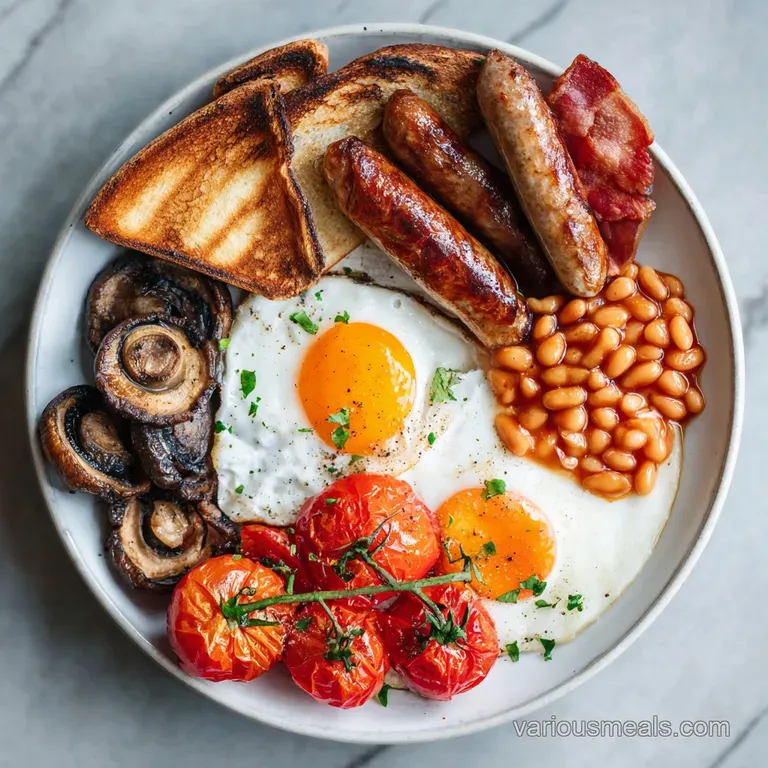
- Preheat the skillet. Place your large skillet over medium low heat for 3 minutes. Note: Starting low prevents the bacon from curling too aggressively.
- Brown the sausages. Add the 4 pork sausages to the pan. Cook for 12-15 minutes, turning occasionally until deep brown and cooked through.
- Render the bacon. Move the sausages to the edge and add the 4 back bacon rashers. Fry for 3-4 minutes per side until the edges are golden and crisp.
- Sear the pudding. Add the 2 slices of black pudding to the rendered fat. Cook for 2 minutes per side until a crust forms and the center is hot.
- Char the vegetables. Place the tomato halves (cut side down) and halved mushrooms into the pan. Sear for 4 minutes without moving them until the tomatoes are caramelized.
- Warm the beans. Pour the 14 oz of baked beans into a small saucepan. Simmer over low heat until the sauce thickens and bubbles slightly.
- Fry the bread. Remove the cooked meats to a warm plate. Add the 2 slices of white bread to the remaining fat in the skillet. Fry until the bread is golden and creates a shatter crisp sound when tapped.
- Cook the eggs. Clear a space or use a fresh dab of butter. Crack the 4 eggs into the pan. Fry for 3 minutes until the whites are opaque but the yolks are still wobbly.
- Season and assemble. Sprinkle salt and cracked pepper over the tomatoes and eggs. Plate the components in distinct piles to prevent the bean sauce from touching the crispy bread too early.
Solving Common Breakfast Blunders
Why Your Mushrooms Are Rubbery
Mushrooms are like sponges. If you crowd the pan or salt them too early, they release all their internal moisture and boil in it. This results in a grey, squeaky texture rather than a golden, meaty one. To fix this, give them their own space and only season them once they've developed a brown crust.
Rescuing Bursted Sausages
Sausages usually burst because the heat is too high, causing the internal steam to expand faster than the casing can stretch. If you see a split forming, immediately turn the heat down and add a splash of water to the pan to create a momentary cooling steam.
| Problem | Root Cause | Solution |
|---|---|---|
| Watery Tomatoes | Not enough direct contact heat | High heat, cut side down, do not flip |
| Cold Beans | Heated too early or too fast | Heat last on low; add a knob of butter for gloss |
| Tough Egg Whites | High heat causing rapid protein bonding | Use medium low heat and baste with fat |
Common Mistakes Checklist
- ✓ Never use "water added" bacon; it will steam rather than fry.
- ✓ Don't skip warming your plates in the oven; a cold plate kills a hot breakfast in 60 seconds.
- ✓ Avoid over stirring the beans, which can break the skins and make them mushy.
- ✓ Ensure the bread is slightly stale or toasted; fresh bread absorbs too much oil and becomes greasy.
- ✓ Only prick high meat content sausages; cheap sausages with fillers will lose all their flavor if pricked.
Scaling for Different Crowds
Downscaling (1 Person): Use a smaller 8 inch skillet. You can fit everything in one go if you use a "zonal" cooking method, starting the sausages first and adding the egg at the very last minute. Reduce the beans to a small bowl or half can.
Upscaling (4-6 People): Do not try to fry everything. Bake the sausages, bacon, tomatoes, and mushrooms on two large baking sheets at 400°F (200°C) for 20 minutes.
Only use the stovetop for the eggs and the fried bread to ensure they stay crispy and fresh.
| Servings | Sausage/Bacon Count | Pan Size | Cook Time |
|---|---|---|---|
| 1 person | 2 of each | 8" Skillet | 20 mins |
| 2 people | 4 of each | 12" Skillet | 25 mins |
| 4 people | 8 of each | 2x Baking Sheets | 30 mins |
Debunking Fry Up Myths
Many people believe you must prick sausages to keep them from exploding. In reality, modern high-quality sausages have better casings. Pricking them actually lets the flavored juices escape, leaving you with a dry, bland banger. Only prick them if they are very low quality with high cereal filler content.
Another common myth is that the "fry up" must be swimming in oil. A Traditional Full English Breakfast should rely on the rendered fat from the bacon and sausages. Adding a pool of vegetable oil often results in a heavy, greasy plate that feels like a lead weight in your stomach.
Use the fat already present in the meat!
Storage and Leftover Wisdom
Fridge: Store leftovers in an airtight container for up to 3 days. However, fried bread and eggs do not store well and should be eaten immediately. Freezer: Sausages and bacon can be frozen after cooking for up to 2 months, though the texture will soften.
Zero Waste Tip: If you have leftover beans and sausages, chop them up and mix them into a frittata or a breakfast hash the next morning. Leftover mushrooms and tomatoes can be blended into a quick pasta sauce or used as a base for a Tomato Pasta Creamy recipe for a fast dinner.
Finishing and Serving Ideas
To serve this properly, everything must be piping hot. I like to serve the beans in a small ramekin on the plate to keep the "bean juice" from migrating over to the fried bread. It’s a controversial move in the UK, but it keeps the textures distinct.
A dash of Worcestershire sauce over the mushrooms adds a brilliant punch, and a squeeze of brown sauce (like HP Sauce) on the side is the traditional way to enjoy the meat. Pair this with a strong mug of Builder's Tea (black tea with a splash of milk and two sugars) to truly complete the experience.
The tannins in the tea help cleanse the palate between bites of the rich, savory components. Enjoy it slowly this isn't a meal to be rushed!
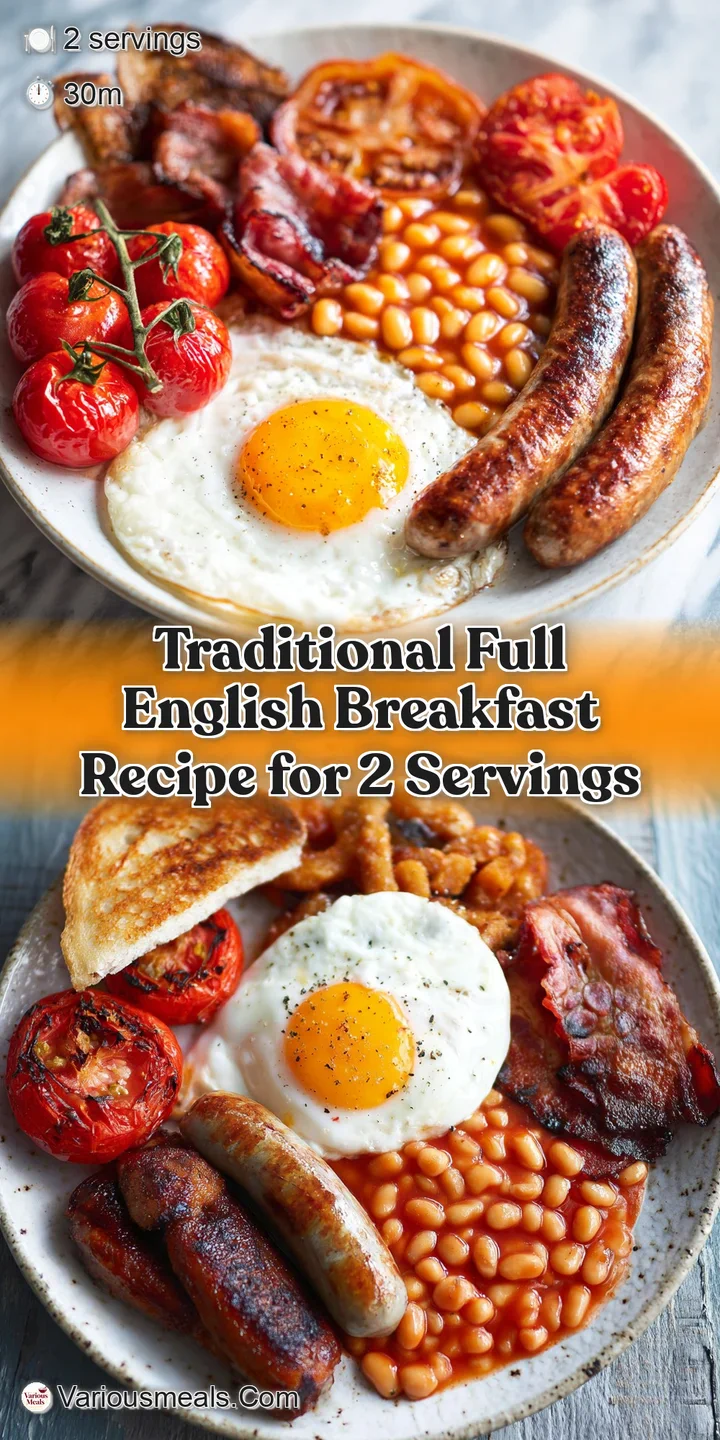
Very High in Sodium
2140 mg mg of sodium per serving (93% of daily value)
American Heart Association recommends limiting sodium intake to about 2,300mg per day for overall cardiovascular health.
Tips to Reduce Sodium in Your Full English Breakfast
-
Lower Sodium Bacon & Sausage-25%
Opt for low-sodium bacon and sausage varieties. Look for products labeled 'reduced sodium' or 'no salt added,' and compare nutrition labels to choose options with significantly less sodium. This can reduce a substantial amount of sodium, as processed meats are major contributors.
-
Low-Sodium Baked Beans-20%
Switch to low-sodium baked beans. Canned baked beans are often high in sodium, so selecting a low-sodium version can make a significant difference.
-
Skip Added Salt-20%
Omit the added salt to taste. The bacon, sausage, and baked beans already contain a considerable amount of sodium. Taste the dish before adding any extra salt.
-
Consider Sodium in Bread-10%
Be mindful of the sodium content in your white farmhouse bread. Some breads can be surprisingly high in sodium. Compare nutrition labels of different brands and select one with a lower sodium content, or consider a whole wheat version, which often has slightly less sodium.
-
Unsalted Butter-5%
Ensure that you are using unsalted butter on your toast. It seems like you are, but double check!
-
Enhance with Fresh Flavors
Instead of relying on salt, enhance the flavors of your breakfast with freshly ground black pepper and other herbs and spices. Consider adding a pinch of smoked paprika to the mushrooms for a savory taste without the added sodium.
-
Homemade Option-30%
Consider making your own version of the breakfast components (sausage, beans) at home! This will allow you to control the ingredients and sodium content.
Recipe FAQs
What does a traditional full English breakfast consist of?
Sausages, bacon, eggs, baked beans, tomatoes, mushrooms, and fried bread or toast. Black pudding is often included but is not strictly mandatory across all regions.
What is the American version of a full English breakfast?
There is no direct equivalent, but it most closely resembles a large diner breakfast. An American version usually substitutes back bacon for streaky bacon, swaps beans for hash browns or home fries, and often replaces fried bread with standard toast.
What's the difference between a full Irish and a Full English?
The primary difference lies in the sausage and pudding inclusion. A Full Irish almost always features white pudding alongside the more common black pudding, and often includes potato farls or soda bread instead of fried bread. If you are looking for a different kind of comfort meal that uses similar timing principles for balancing multiple elements, check out our 30 Minute Weeknight recipe.
What is a full breakfast in the UK?
It universally refers to the Full English Breakfast, though regional names apply. This includes the core components cooked in fat, often served alongside tea. Mastering the sensory cues for doneness here is key; if you enjoyed learning about texture management, apply that same control when searing proteins in our Asian Meal Youll recipe.
How do I keep the fried bread from becoming greasy instead of crisp?
Use the rendered fat from the bacon and sausages, and ensure the heat is medium high. The bread should sizzle immediately upon contact but not smoke, absorbing the fat quickly to create a crisp shell. If you want a quicker, less greasy satisfying morning treat, try our 5 Minute Mug recipe.
Is it true I must warm the plates before serving a Full English?
Yes, warming the plates is crucial for maintaining serving temperature. A cold plate will immediately leach heat from the crispy bacon and hot eggs, causing the meal to cool down significantly within minutes.
Should I use canned baked beans or cook dried beans?
Use canned, specifically British style baked beans, for authenticity and speed. Dried beans take hours to prepare and require a sweet sauce, while the canned version provides the necessary sweet and-sour tomato base that cuts through the richness of the meats.
Traditional Full English Breakfast
Ingredients:
Instructions:
Nutrition Facts:
| Calories | 1108 calories |
|---|---|
| Protein | 54g |
| Fat | 62g |
| Carbs | 59g |
| Fiber | 11g |
| Sugar | 14g |
| Sodium | 2140mg |
