Turkish Cabbage Stew: a Traditional Savory Braise
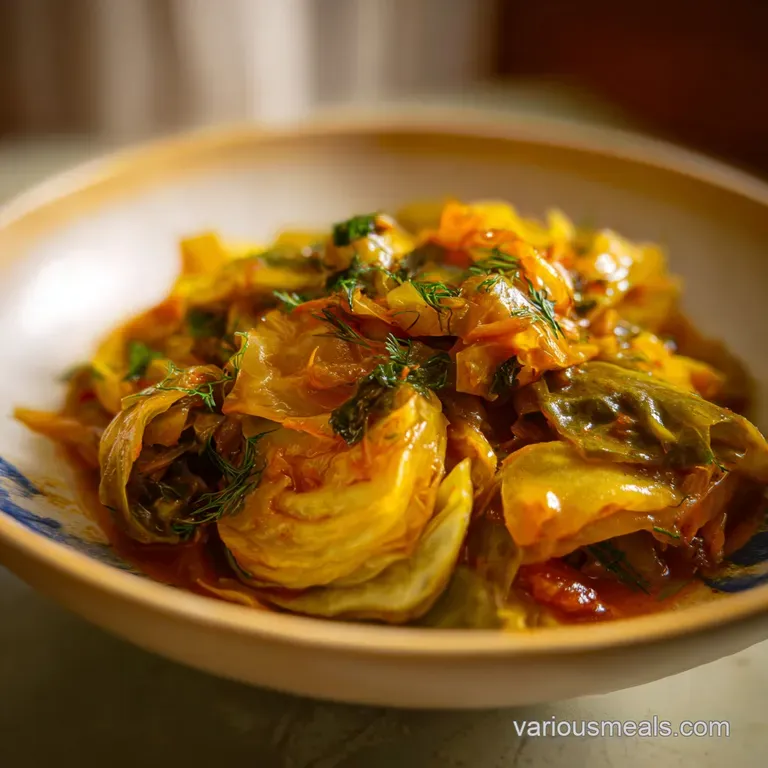
- Time: Active 20 minutes, Passive 50 minutes, Total 70 minutes
- Flavor/Texture Hook: Meltingly tender cabbage with a smoky, tangy finish
- Perfect for: Cold weather family dinners and nourishing weeknight comfort
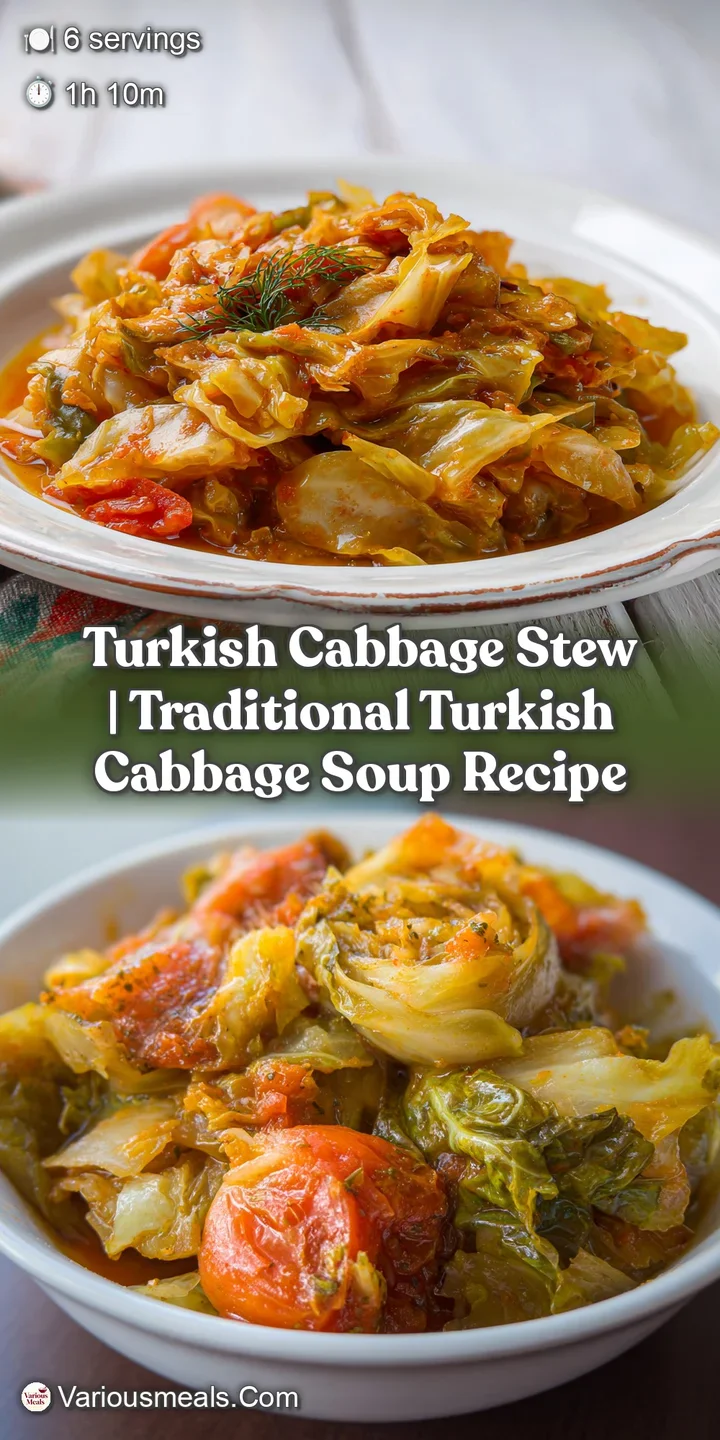
- Traditional Hearty Turkish Cabbage Stew with Beef
- Why This Cabbage Stew Works
- Components of a Turkish Classic
- The Essential Pantry List
- Tools for a Flawless Braise
- Step by Step Cooking Process
- Common Preparation and Texture Issues
- Creative Regional Variations and Swaps
- Proper Storage and Zero Waste
- Traditional Serving and Pairing Ideas
- Very High in Sodium
- Recipe FAQs
- 📝 Recipe Card
Traditional Hearty Turkish Cabbage Stew with Beef
Have you ever wondered why cabbage, the most overlooked vegetable in the crisper drawer, suddenly becomes a luxury item the moment it hits a Turkish kitchen? I used to think of cabbage as either crunchy slaw or that sad, over boiled side dish from school lunches. But then I tasted Kapuska.
It was a cold Tuesday in Istanbul, and the aroma wafting from a small "esnaf lokantası" (tradesman restaurant) stopped me in my tracks. It wasn't just cabbage; it was a rich, mahogany hued stew that smelled of sun dried peppers and toasted spices.
This Turkish cabbage stew recipe, known locally as Kapuska, is the ultimate "hug in a bowl." It relies on a beautiful contrast: the rugged, fibrous nature of green cabbage meeting the rich, fatty silkiness of ground beef.
When you cook it down for exactly 50 minutes, the cabbage loses its sulfurous bite and adopts a texture that is almost buttery. It's approachable, it's honest, and it's the kind of meal that makes your kitchen feel like the warmest place on earth.
We are going to treat these ingredients with the respect they deserve. We’re not just throwing things in a pot; we are building layers. From the initial sizzle of the beef to the final bright splash of lemon juice, every step is designed to pull out the natural sweetness of the vegetables.
If you’ve been looking for a way to make your family actually crave greens, this is the dish that will do it. Trust me, even the skeptics will be asking for seconds of this velvety Turkish cabbage and ground beef stew.
Why This Cabbage Stew Works
Getting that "melting" texture without the cabbage turning into mush is a bit of a kitchen miracle, but it's actually grounded in how we manage heat and acidity. Here is why this specific method produces such a silky result every single time.
- Cellulose Breakdown: Slow simmering at low heat allows the tough cell walls of the cabbage to soften gradually, turning "crunchy" into "tender" without losing structural integrity.
- Paste Caramelization: Blooming the tomato and pepper pastes in hot oil removes the metallic raw edge and develops a complex, savory base through concentrated sugar browning.
- Osmotic Balance: Adding salt early draws out the cabbage’s internal moisture, which then mingles with the bone broth to create a self basting environment inside the pot.
- Starch Suspension: The coarse bulgur releases just enough starch during the 50 minutes of cooking to naturally thicken the broth into a light, glossy sauce.
| Method | Time | Texture | Best For |
|---|---|---|---|
| Stovetop Dutch Oven | 70 minutes | Meltingly tender | Traditional depth of flavor |
| Slow Cooker | 6 hours (Low) | Extremely soft/silky | Hands off busy days |
| Pressure Cooker | 25 minutes | Soft but firmer | Quick weeknight solutions |
The choice of cooking vessel really changes the soul of the dish. While a pressure cooker is fast, the Dutch oven allows for better evaporation, which concentrates the flavors of the Turkish red pepper paste and the beef bone broth.
If you have the time, the stovetop method is always my preference for that perfect "stewed" consistency.
Components of a Turkish Classic
Choosing the right ingredients is half the battle when you're aiming for that authentic Middle Eastern cabbage stew flavor. Each element plays a specific role in the final harmony of the dish.
| Ingredient | Science Role | Pro Secret |
|---|---|---|
| Green Cabbage | Structural Base | Use heavy, dense heads for more natural sugars and better braising. |
| Red Pepper Paste | Flavor Catalyst | This "Biber Salçası" adds deep umami and a subtle smoky heat. |
| Beef Bone Broth | Liquid Gold | The gelatin in bone broth provides a velvety mouthfeel that water lacks. |
| Coarse Bulgur | Texture Enhancer | Unlike rice, bulgur stays "al dente" longer, providing a nutty chew. |
Selecting a 2 lbs green cabbage is essential. You want the leaves to be tightly packed; if the head feels light or hollow, it's likely too old and will have a more bitter, sulfur forward profile once cooked.
The Essential Pantry List
To make this easy Turkish cabbage stew, you'll need a mix of fresh produce and a couple of specialty items that give it that unmistakable Anatolian flair. Don't worry if you can't find everything; I've listed some smart swaps below.
- 1 lb ground beef (80/20 blend): Why this? The fat carries the spice flavors and keeps the meat moist.
- Substitute: Ground lamb for a richer, more traditional sheep country flavor.
- 2 lbs green cabbage: Why this? It stands up to long braising better than Napa or Savoy.
- Substitute: Red cabbage (though it will turn the stew a deep purple).
- 2 medium yellow onions: Why this? Provides the aromatic sweetness that balances the cabbage.
- Substitute: White onions or shallots.
- 1 large carrot: Why this? Adds a pop of color and a subtle earthy sweetness.
- Substitute: Parsnip for a spicier, more peppery undertone.
- 2 tbsp tomato paste: Why this? Provides the acidic backbone and deep red color.
- Substitute: Double concentrated tomato puree.
- 1 tbsp Turkish red pepper paste (Biber Salçası): Why this? This is the soul of Turkish cooking; it's savory and sun dried.
- Substitute: 1 tbsp tomato paste mixed with 1 tsp smoked paprika.
- 0.5 cup coarse bulgur: Why this? Absorbs excess liquid and adds a rustic, nutty grain texture.
- Substitute: Long grain rice (note: rice gets softer than bulgur).
- 4 cups beef bone broth: Why this? Adds depth and protein density to the sauce.
- Substitute: Vegetable broth or water with a bouillon cube.
- 1 tsp Aleppo pepper: Why this? Provides a mild, fruity heat that isn't overwhelming.
- Substitute: Red chili flakes (use half the amount as they are hotter).
- 1 tsp dried mint: Why this? This is the "secret" ingredient that brightens the heavy stew.
- Substitute: Fresh parsley added at the very end.
Chef's Tip: If you can, find "Acı" (spicy) red pepper paste for a kick, or "Tatlı" (sweet) if you prefer it mild. Always store your opened jars of paste with a thin layer of olive oil on top to prevent mold!
Tools for a Flawless Braise
You don't need a professional kitchen, but a few specific tools make this Turkish style cabbage recipe much easier to manage.
- 6 quart Dutch Oven: A heavy bottomed pot (like a Le Creuset or Lodge) is vital for even heat distribution. It prevents the cabbage at the bottom from scorching during the 50 minutes of simmering.
- Sharp Chef's Knife: You’ll be chopping a whole cabbage and dicing onions. A sharp blade makes the "1 inch squares" of cabbage uniform, ensuring they cook at the same rate.
- Wooden Spoon: Perfect for breaking up the ground beef and scraping the "fond" (the brown bits) off the bottom of the pot.
- Fine Mesh Strainer: To wash the bulgur thoroughly before adding it to the pot.
If you don't have a Dutch oven, a large, deep stainless steel pot with a heavy base will work. Just avoid thin aluminum pots, as they create hot spots that can burn the delicate tomato paste.
step-by-step Cooking Process
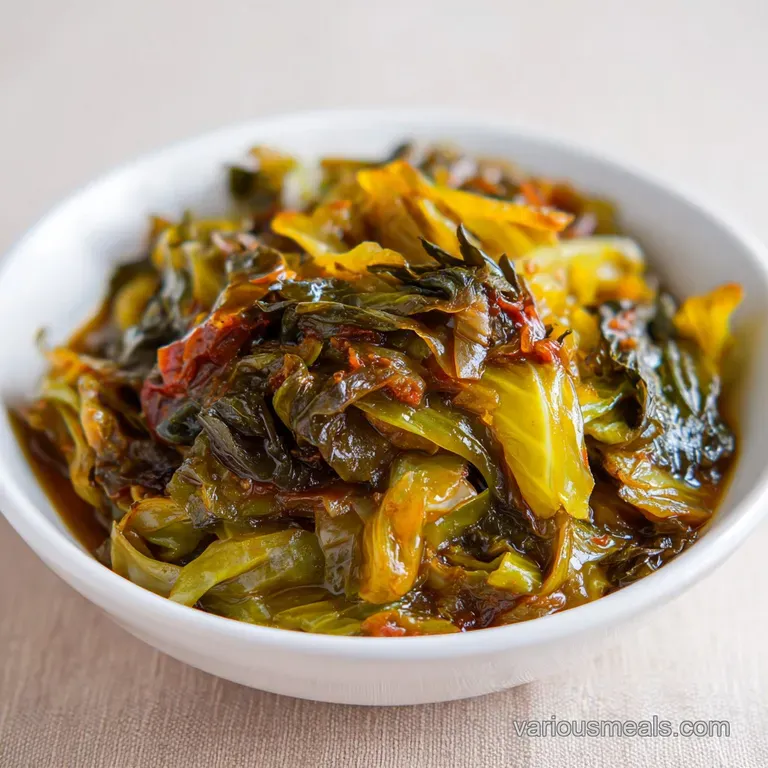
Now, let's get into the kitchen. We’re going to build this stew layer by layer, focusing on developing color and aroma before the long simmer begins.
- Brown the beef: Heat the 3 tbsp olive oil in your Dutch oven over medium high heat. Add the 1 lb ground beef. Use your wooden spoon to break it into small crumbles. Note: Don't rush this; wait until the meat is truly browned and develops a slightly crispy crust.
- Sauté the aromatics: Toss in the finely diced onions and the halved, sliced carrots. Stir frequently. You’re looking for the onions to turn translucent and pick up the golden hues from the beef fat.
- Bloom the pastes: Push the meat and veg to the sides, clearing a space in the center. Drop in the 2 tbsp tomato paste and 1 tbsp red pepper paste. Stir them in that center spot for 2 minutes until the aroma is toasted and fragrant.
- Season the base: Incorporate the minced garlic, 1 tsp Aleppo pepper, and 1 tsp dried mint into the paste mixture, then stir everything together. This "blooms" the dried spices in the hot oil.
- Wilting the cabbage: Add the 2 lbs of chopped cabbage in three stages. Stir after each addition to ensure the leaves are coated in that vibrant red oil. Season with 1 tsp salt and 0.5 tsp black pepper.
- Liquid and grain: Pour in the 4 cups of beef bone broth and sprinkle over the washed 0.5 cup bulgur. Give it one final, thorough stir to make sure nothing is stuck to the bottom.
- The long simmer: Bring the liquid to a gentle boil, then immediately drop the heat to low. Put the lid on tight. Let it braise for 45-50 minutes until the cabbage is translucent and tender.
- Brighten and serve: Turn off the heat. Stir in the juice from half a lemon. This acidity cuts through the richness of the beef and "wakes up" the earthy flavors.
For a different take on a comforting braise, you might enjoy my African chicken peanut stew which uses a similar "slow burn" technique to develop deep flavors.
Common Preparation and Texture Issues
Cabbage can be temperamental. If it's not handled correctly, you might end up with a dish that is too watery or, worse, has that pungent "cabbage smell" that many people find off putting.
Why Your Stew Lacks Depth
If your stew tastes "flat" or just like boiled vegetables, you likely skipped the blooming phase. The tomato and pepper pastes need high heat and oil to release their flavor. If they are just stirred into the broth, they remain raw and acidic.
Always cook them in the fat for at least 2 minutes before adding liquid.
Why the Cabbage Is Tough
Not all cabbage is created equal. Older heads or very large winter cabbages have thicker ribs. If after 50 minutes your cabbage still feels "rubbery," it simply needs more time. Add another 1/2 cup of broth and simmer for an additional 15 minutes.
| Problem | Root Cause | Solution |
|---|---|---|
| Stew is too watery | Cabbage released too much internal moisture. | Remove the lid and simmer on medium for 10 mins to reduce. |
| Bitter aftertaste | Cabbage was old or the garlic was scorched. | Add a pinch of sugar and extra lemon juice to balance. |
| Meat is clumped | Beef wasn't broken up during the initial sear. | Use a potato masher gently to break apart meat chunks. |
Common Mistakes Checklist
- ✓ Pat your meat dry before adding to the oil; moisture on the meat creates steam instead of a brown crust.
- ✓ Don't skip the mint; even if you aren't a fan of minty flavors, in this recipe it acts as a herbal balancer, not a dominant flavor.
- ✓ Wash the bulgur until the water runs clear to remove excess surface starch that can make the stew gummy.
- ✓ Use a heavy lid to keep the steam trapped; this is what actually cooks the cabbage through to the center.
Creative Regional Variations and Swaps
While the beef version is a staple, there are many ways to adapt this healthy cabbage stew to fit your dietary needs or what’s currently in your pantry.
Vegetarian Cabbage Stew Recipe
To make this entirely plant based, simply omit the beef and use a high-quality vegetable broth. To replace the "meatiness," I often add a cup of cooked chickpeas or some diced, smoked tempeh. The Turkish red pepper paste is savory enough that you won't even miss the meat.
This version is lighter but just as satisfying when served with a dollop of thick yogurt.
The Spicy Anatolian Twist
If you want something with more heat, increase the Aleppo pepper to 1 tablespoon or add a finely diced Fresno chili during the onion sauté. In some parts of Eastern Turkey, they also add a splash of pomegranate molasses at the end instead of lemon juice, which gives the stew a complex, dark sweetness that pairs beautifully with the spicy peppers.
If you enjoy the hearty, "meat and potatoes" feel of this dish, you should definitely check out my Slow Cooker Beef Stew for another foolproof winter meal.
Proper Storage and Zero Waste
This is one of those rare dishes that actually tastes better the next day. The cabbage continues to absorb the spiced broth as it cools, making the leftovers a true treat.
- Fridge
- Store in an airtight container for up to 4 days. The bulgur will continue to absorb liquid, so you may need to add a splash of broth when reheating.
- Freezer
- This stew freezes remarkably well for up to 3 months. Let it thaw in the fridge overnight before reheating on the stovetop.
- Reheating
- Use a small saucepan over medium low heat. Avoid the microwave if possible, as it can make the beef rubbery and the cabbage unevenly hot.
Zero Waste Tips: Don't throw away those cabbage cores! While too tough for the stew, you can thinly shave the core and ferment it into a quick kraut or toss it into a vegetable scrap bag in the freezer to make your own broth later.
Also, if you have leftover carrots or onions that are starting to look sad, this stew is the perfect place to use them up just dice them small and they'll melt right into the sauce.
Traditional Serving and Pairing Ideas
In Turkey, Kapuska is rarely eaten alone. It is almost always part of a larger spread, though it is hearty enough to be the main event.
The Essential Toppings
The most traditional way to serve this is with a massive dollop of plain, full fat yogurt (preferably Greek style or Turkish strained yogurt) right in the center of the bowl. The cool, creamy yogurt against the warm, spicy stew is a culinary match made in heaven.
A sprinkle of fresh parsley or more Aleppo pepper on top adds that final "restaurant style" finish.
The Perfect Side
You need something to soak up that beautiful red broth. A thick slice of sourdough or crusty village bread is the classic choice. If you want to keep it traditional, serve it alongside a simple rice pilaf or even some pickled hot peppers (turşu) on the side to provide a crunchy, vinegary contrast to the soft stew.
This Turkish cabbage stew is a testament to the power of humble ingredients. It proves that with a little patience and the right aromatic base, even a simple head of cabbage can become a centerpiece.
Whether you’re cooking for a crowd or just looking for a cozy meal for one, this recipe brings a piece of the Mediterranean warmth straight to your table. Right then, let's get that Dutch oven heating up!
Very High in Sodium
810 mg 810 mg of sodium (35% 35% of daily value)
The American Heart Association recommends no more than 2,300mg of sodium per day, with an ideal limit of about 1,500mg for most adults.
Tips to Reduce Sodium
-
Choose Low-Sodium Broth-30%
Swap the regular beef bone broth for a low-sodium or no-salt added version. This is the single biggest sodium contributor in this recipe.
-
Halve the Salt-25%
Reduce the added salt from 1 tsp to 0.5 tsp. You can always add more at the table if needed, but starting with less is key.
-
Boost Flavor with Spices
While the current spices are great, continue to rely on aromatics like garlic and onions, and consider adding a pinch more Aleppo pepper or a dash of smoked paprika to enhance flavor without salt.
-
Opt for Low-Sodium Pastes-10%
If available, choose low-sodium or no-salt added tomato paste and red pepper paste. Check the labels, as sodium content can vary significantly.
Recipe FAQs
How to ensure the beef develops a proper crust?
Pat the ground beef dry with a paper towel before placing it into the hot olive oil. Removing surface moisture prevents the meat from steaming, which is essential for achieving a flavorful, browned crust.
Is it true I can use a standard pot instead of a Dutch oven?
No, this is a common misconception. You need a 6-quart Dutch oven with a heavy lid to effectively trap steam, which is the only way to get the cabbage meltingly tender during the 45-50 minute simmer.
How to prepare the bulgur so the stew does not become gummy?
Rinse the bulgur under cold water until the water runs completely clear. This removes the surface starch that would otherwise cause your stew to thicken into an unappealing, gummy texture.
Is it necessary to use both tomato paste and red pepper paste?
Yes, both are required for the authentic flavor profile. The tomato paste provides a rich base while the Turkish red pepper paste adds a specific depth and savory heat that cannot be replicated by tomato paste alone.
How to handle the cabbage so it cooks evenly?
Chop the cabbage into uniform 1 inch squares and add them to the pot in stages. Stirring the cabbage into the fat and aromatics as you add it ensures every leaf is coated, which helps it soften consistently during the long cook time.
Can I skip the dried mint in this recipe?
No, avoid omitting the mint. While it might sound unusual, the mint acts as a critical herbal balancer that cuts through the richness of the beef bone broth and brightens the overall flavor profile.
How to finish the stew for the best flavor?
Stir in the fresh lemon juice only at the very end of the cooking process. Adding the acidity right before serving preserves its brightness and creates a vibrant contrast against the savory, slow cooked ingredients.
Traditional Turkish Cabbage Stew
Ingredients:
Instructions:
Nutrition Facts:
| Calories | 328 kcal |
|---|---|
| Protein | 20.8 g |
| Fat | 18.2 g |
| Carbs | 23.5 g |
| Fiber | 6.8 g |
| Sugar | 7.2 g |
| Sodium | 810 mg |
