The Ultimate Butter Chicken Recipe: Velvety and Smoky
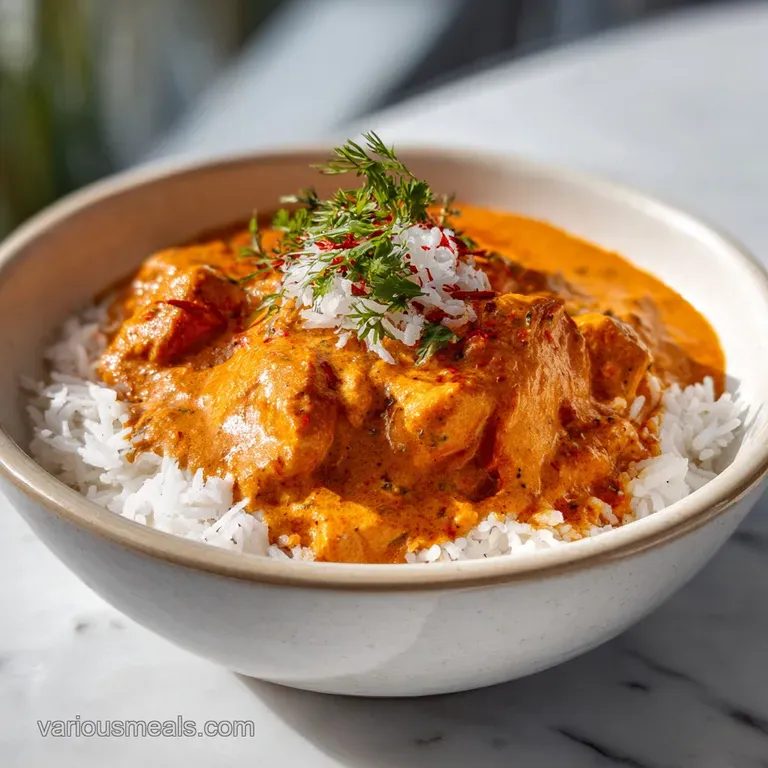
- Time: Active 20 minutes, Passive 25 minutes, Total 45 minutes
- Flavor/Texture Hook: Velvety, buttery, and mildly spiced with a smoky finish
- Perfect for: Cozy family dinners or impressing guests who crave comfort food
- Making The Ultimate Butter Chicken Recipe
- The Science of Velvety Sauces
- Ingredient Deep Dive
- Essential Recipe Specifications and Timing
- Sourcing High Quality Curry Components
- Necessary Tools for Smooth Results
- The Multi Stage Cooking Process
- Avoiding Common Kitchen Disasters
- Smart Variations and Substitutions
- Debunking Butter Chicken Myths
- Storage and Waste Reduction Tips
- How to Serve Your Feast
- High in Sodium
- Recipe FAQs
- 📝 Recipe Card
Making The Ultimate Butter Chicken Recipe
Imagine walking into a kitchen where the air is thick with the scent of toasted fenugreek and simmering tomatoes. There's a specific sizzle that happens when marinated chicken hits a hot pan a sound that promises a transformation from simple ingredients into something soulful.
I remember the first time I tried to make this at home; I rushed the onions and ended up with a crunchy, sharp sauce that felt nothing like the silky Murgh Makhani I’d fallen in love with at my favorite local spot.
That failure taught me that this dish isn't about speed; it's about the layers. We are building a foundation of tang, heat, and fat that eventually melds into a single, harmonious bite.
You aren't just making a "curry"; you're orchestrating a balance between the acidity of the tomatoes and the luxurious weight of the cream. It’s the kind of meal that makes everyone at the table go silent after the first spoonful, save for the sound of naan tearing and the occasional contented sigh.
Today, we are skipping the shortcuts that lead to lackluster results. We are going to use real Kashmiri chili for that vibrant red hue and dried fenugreek leaves to get that "restaurant smell" that fills your entire house.
Trust me, once you see how that cold butter emulsifies into the glowing red sauce, you’ll never look at a jarred sauce the same way again. Let's get the marinade started because that's where the magic begins.
The Science of Velvety Sauces
Understanding the chemistry of your ingredients helps you control the outcome of the dish rather than just following steps blindly.
- Lactic Acid Tenderization: The Greek yogurt in the marinade uses mild lactic acid to gently break down muscle fibers in the chicken thighs without making them mushy.
- Fat Soluble Aromatics: Spices like turmeric and garam masala release their full flavor potential only when toasted in oil or butter, a process known as blooming.
- Emulsification Stability: Adding cold, cubed butter at the very end creates a stable emulsion with the tomato passata, resulting in a glossy, non greasy finish.
- Maillard Reaction: Searing the yogurt coated chicken at high heat creates browned bits that add savory complexity to the final simmering liquid.
| Thickness | Internal Temp | Rest Time | Visual Cue |
|---|---|---|---|
| 1 inch cubes | 165°F (74°C) | 5 minutes | Opaque center, juice runs clear |
| 1.5 inch cubes | 165°F (74°C) | 5 minutes | Lightly charred yogurt crust |
| 0.5 inch strips | 165°F (74°C) | 3 minutes | Firm to touch, vibrant color |
When you are working with the tomato base, the grating of the onion is a secret weapon. Instead of chopping, which leaves structural pieces, grating the onion into a paste allows it to melt completely into the sauce. This ensures that the final texture remains velvety rather than chunky.
It’s a small extra step that separates a home style curry from a professional grade masterpiece.
Ingredient Deep Dive
| Component | Science Role | Pro Secret |
|---|---|---|
| Greek Yogurt | Protein Denaturation | Use full fat for better moisture retention during the sear. |
| Tomato Passata | Acidic Base | Sieve it if using crushed tomatoes to ensure zero seeds or skin. |
| Kasuri Methi | Aromatic Finish | Crush the leaves between your palms to release the oils. |
| Kashmiri Chili | Pigment & Heat | Provides the signature red color without overwhelming spice levels. |
Choosing the right ingredients is the difference between a flat dish and one that sings. For instance, using boneless skinless chicken thighs is non negotiable here; breasts will dry out before the sauce has time to properly thicken.
The higher fat content in the thighs keeps the meat succulent even after the secondary simmer in the tomato gravy.
Essential Recipe Specifications and Timing
Before we start the heat, let's look at the logistics. This recipe is designed to be approachable but requires your full attention during the "building" phases. If you've enjoyed my Grilled Tandoori Chicken recipe, you'll notice some familiar spice profiles here, but the finishing technique is entirely different.
- Preparation Time:20 minutes (plus optional marinating)
- Cooking Time:25 minutes
- Total Time:45 minutes
- Yield: 4 servings
You’ll want to have all your spices measured out before you turn on the stove. The transition from frying the onion paste to adding the tomato purée happens quickly, and you don't want the ginger garlic paste to scorch. Burning those aromatics will introduce a bitter note that even heavy cream can't hide.
Sourcing high-quality Curry Components
To make the best version of this dish, you need to gather specific items. While you can find substitutes, the authentic versions provide a depth of flavor that is hard to replicate.
- 800g (1.7 lbs) Chicken Thighs: Cut into 1 inch cubes. Why this? Thighs remain tender during simmering and won't dry out like breasts.
- 120g (1/2 cup) Full fat Greek Yogurt: The thick consistency clings to the chicken. Why this? Provides the acidic environment needed to tenderize the meat fibers.
- 15ml (1 tbsp) Fresh Lemon Juice: Brightens the marinade.
- 1 tbsp Ginger Garlic Paste: A foundational aromatic in Indian cooking.
- 1 tbsp Garam Masala: A warming blend of cinnamon, mace, and cardamom.
- 1 tsp Turmeric Powder: Adds earthy notes and a golden hue.
- 1 tsp Kashmiri Red Chili Powder: Crucial for that iconic red color.
- 50g (3.5 tbsp) Unsalted Butter: Use cold, cubed butter for the best emulsion.
- 1 tbsp Neutral Oil: Grapeseed or vegetable oil works best.
- 1 Large White Onion: Grated to a fine paste.
- 400g (14 oz) Tomato Purée or Passata: Ensures a smooth, seedless sauce.
- 1 tbsp Sugar or Honey: Balances the tomato acidity.
- 1.5 tsp Salt: Adjust to your preference at the end.
- 120ml (1/2 cup) Heavy Cream: Provides the luxurious, mouth coating finish.
- 1 tbsp Dried Fenugreek Leaves (Kasuri Methi): The soul of the dish.
Chef's Tip: If you can't find Kashmiri chili powder, use a mix of three parts sweet paprika and one part cayenne pepper. It won't be exactly the same, but it mimics the color and mild heat.
Necessary Tools for Smooth Results
You don't need a kitchen full of gadgets, but a few specific tools will make your life much easier. A heavy bottomed skillet or a Dutch oven is best because it distributes heat evenly, preventing the thick sauce from catching and burning at the bottom.
A microplane or a fine box grater is essential for the onion. We want the onion to be a pulp, not just "finely diced." This is the key to that legendary velvety texture. If you have a high powered blender, you can also pulse the onion there, but the grater is often faster for a single onion and easier to clean.
Finally, keep a silicone spatula handy. You’ll be doing a lot of stirring once the cream and butter go in, and you want to be able to scrape every bit of that liquid gold from the sides of the pan.
The Multi Stage Cooking Process
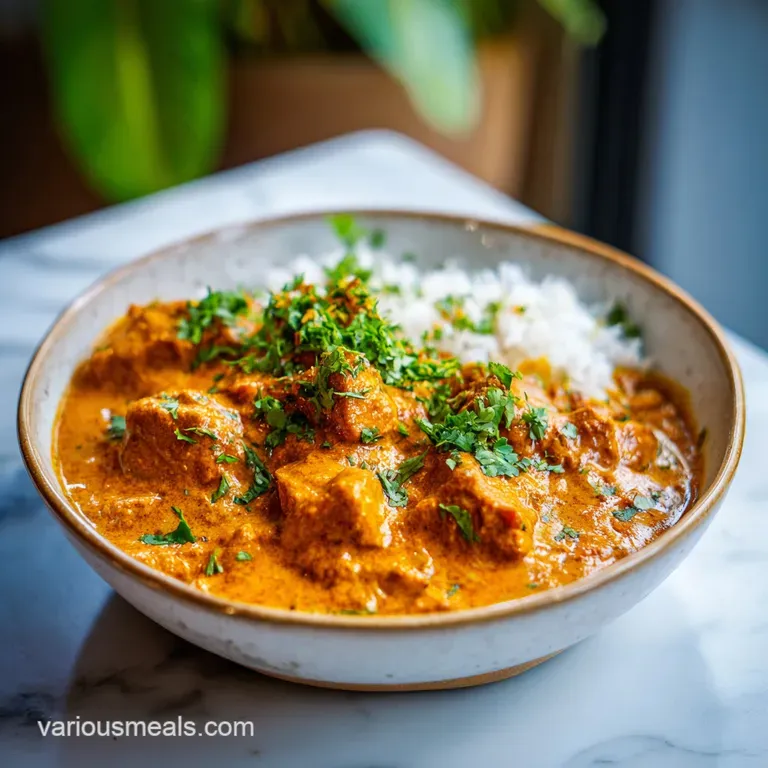
1. Marinating for Maximum Tenderness
In a large bowl, whisk together the 120g Greek yogurt, 15ml lemon juice, ginger garlic paste, garam masala, turmeric, and Kashmiri chili powder. Add the 800g chicken cubes and toss until every piece is thoroughly coated.
Note: Let this sit for at least 20 minutes, or overnight in the fridge for the best results.
2. Searing the Cubed Chicken
Heat the 1 tbsp neutral oil in a large skillet over medium high heat. Add the chicken in batches, making sure not to overcrowd the pan. Cook for about 3 minutes per side until a charred, golden crust forms. Remove the chicken and set it aside; it doesn't need to be cooked through yet.
3. Building the Spiced Base
In the same pan, melt half of the butter. Add the grated onion paste and sauté for 5-7 minutes until the water evaporates and the paste turns translucent. Stir in the 400g tomato passata, sugar, and salt.
4. Simmering the Tomato Gravy
Bring the tomato mixture to a gentle bubble, then reduce the heat to low. Cover and simmer for 10-12 minutes until the sauce thickens and turns a deep brick red. If the sauce looks too thick, add a splash of water.
5. Integrating the Protein
Add the seared chicken and any accumulated juices back into the pan. Stir well to coat the meat in the sauce. Simmer for another 5-8 minutes until the chicken is cooked through and tender.
6. Creating the Silky Finish
Pour in the 120ml heavy cream and stir gently. You will see the sauce transform from a deep red to a vibrant, glowing orange. Note: Keep the heat low here to prevent the cream from curdling.
7. Emulsifying the Cold Butter
Drop in the remaining cold, cubed butter one piece at a time, whisking or stirring constantly. This technique, similar to making a French beurre blanc, creates a shimmering, velvety finish that won't separate.
8. Mastering the Dried Aromatics
Take the 1 tbsp of Kasuri Methi and crush it between your palms directly over the pan. This friction warms the dried leaves and releases their potent, maple like aroma. Stir it in, taste for salt, and turn off the heat immediately.
Avoiding Common Kitchen Disasters
The most common issue people face with this recipe is a sauce that feels "grainy" or tastes overly metallic from the tomatoes. Usually, this comes down to the onion preparation or not cooking the tomato passata long enough.
If the sauce tastes sharp, it needs more time on the heat or a tiny pinch more sugar to balance the pH.
Why Your Sauce Separated
If you see pools of oil on top of your curry, it usually means the heat was too high when you added the dairy. Cream and butter are emulsions; if they get too hot, the fat molecules break away from the water. Always turn your heat to the lowest setting before the final enrichment steps.
| Problem | Root Cause | Solution |
|---|---|---|
| Grainy Texture | Onion wasn't grated finely enough | Blend the sauce before adding the chicken back in. |
| Overly Sour | Tomato passata was too acidic | Add 1/2 tsp of honey or sugar to balance. |
| Chicken is Dry | Used chicken breasts or overcooked | Switch to thighs and pull from heat at 165°F. |
Common Mistakes Checklist
- ✓ Never skip the marination step; the yogurt is essential for the texture.
- ✓ Pat the chicken dry if it seems too wet before searing to ensure a good crust.
- ✓ Use a heavy bottomed pan to prevent the sugars in the tomato from burning.
- ✓ Don't boil the sauce once the heavy cream has been added.
- ✓ Always crush the fenugreek leaves; whole leaves can be woody and distracting.
Smart Variations and Substitutions
While the traditional version is hard to beat, sometimes you need to work with what you have in the pantry. For example, if you're looking for a different flavor profile entirely, you might enjoy the nutty base of an African Chicken Peanut recipe. However, for this specific dish, we want to stay close to the "makhani" (buttery) roots.
| Original Ingredient | Substitute | Why It Works |
|---|---|---|
| Heavy Cream (120ml) | Coconut Cream (120ml) | High fat content. Note: Adds a distinct tropical flavor. |
| Tomato Passata | Canned Whole Tomatoes | Similar acidity. Note: Must be blended and sieved first. |
| Unsalted Butter | Ghee | Pure milk fat. Note: Higher smoke point but lacks the creamy solids of butter. |
If you are cooking for a crowd and want to adjust the yield, it's fairly straightforward. This dish scales beautifully because the sauce acts as a protective blanket for the meat, keeping it moist even in larger batches.
Scaling the Recipe Down
To make this for two people, simply halve all ingredients. Use a smaller skillet so the sauce doesn't evaporate too quickly. You can still use one small onion; just grate half of it and save the rest for another meal. Reduce the initial simmer time by about 3 minutes.
Scaling the Recipe Up
When doubling for 8 people, use a large Dutch oven. Increase the spices to 1.75x rather than a full 2x to avoid the flavors becoming muddy. You will need to sear the chicken in 3 or 4 batches to ensure you get that vital char rather than steaming the meat.
| Servings | Chicken Weight | Heavy Cream | Pan Size |
|---|---|---|---|
| 2 People | 400g (0.85 lbs) | 60ml (1/4 cup) | 10 inch Skillet |
| 4 People | 800g (1.7 lbs) | 120ml (1/2 cup) | 12 inch Skillet |
| 8 People | 1.6kg (3.4 lbs) | 240ml (1 cup) | 6 quart Dutch Oven |
Debunking Butter Chicken Myths
One big misconception is that this is the same thing as Chicken Tikka Masala. While they look similar, the flavor profiles are worlds apart. Tikka Masala is generally more tomato forward and acidic, while our butter chicken focuses on a mild, creamy, and deeply buttery finish.
It shouldn't be "spicy" in the sense of burning your tongue; it should be "spiced," offering warmth and complexity.
Another myth is that you need a Tandoor oven to get the right flavor. While the smoky char of a clay oven is incredible, the over high heat sear in a heavy skillet combined with the Kasuri Methi provides a very similar depth.
The fenugreek leaves actually provide that "smoky" aroma that many people mistake for charcoal.
Storage and Waste Reduction Tips
This is one of those rare dishes that actually tastes better the next day. As it sits, the spices continue to mingle and mellow, creating a more cohesive flavor profile.
- Fridge: Store in an airtight container for up to 4 days.
- Freezer: This freezes remarkably well for up to 3 months. Note: The sauce might look slightly separated when thawed, but a vigorous stir during reheating will bring it back together.
- Reheating: Warm it slowly on the stovetop over low heat. Add a tablespoon of water or a splash of cream if it has thickened too much in the fridge.
- Zero Waste: If you have leftover sauce but no chicken, use it as a base for poaching eggs (a buttery shakshuka!) or toss it with roasted cauliflower for a quick vegetarian side.
How to Serve Your Feast
The classic pairing for this is, of course, garlic naan and basmati rice. If you want to go the extra mile, serve it with some thinly sliced red onions soaked in lemon juice and a pinch of salt the crunch and acidity provide the perfect foil to the rich sauce.
If you’re looking for a quicker buttery fix on a weeknight, you might consider my Honey Butter Chicken recipe, but when you have the time, nothing beats the complexity of this traditional version. Plate it in a shallow bowl, add a final swirl of cream, and sprinkle a few more crushed fenugreek leaves on top for that professional look.
I hope this becomes a staple in your home like it has in mine. It's more than a meal; it's a process that rewards patience and quality ingredients. Grab some naan, gather your favorite people, and enjoy the fruits of your labor. Happy cooking!
High in Sodium
1065 mg mg of sodium per serving (46% of daily value)
The American Heart Association recommends limiting sodium intake to about 2,300mg per day for overall cardiovascular health.
Tips to Reduce Sodium in Your Chicken Tikka Masala
-
Reduce Added Salt-25%
Consider reducing the added salt by half, from 1.5 tsp to 0.75 tsp, and adjust to taste after cooking. This can significantly lower the sodium content without sacrificing too much flavor.
-
Choose Low-Sodium Tomato Puree-20%
Opt for a low-sodium or no-salt added tomato purée or passata. These options can substantially decrease the overall sodium content of the dish without compromising the tomato flavor.
-
Use Unsalted Butter-10%
Make sure you are using unsalted butter, as the recipe calls for. Salted butter can sneakily increase the sodium levels in your dish.
-
Enhance with Lemon Juice-5%
Increase the amount of fresh lemon juice slightly, as its acidity can enhance the flavors and partially compensate for the reduction in salt. A little extra lemon can brighten the entire dish!
-
Flavor Boost with Herbs & Spices
Experiment with a wider variety of fresh herbs and spices like cilantro, cumin, coriander, and smoked paprika to amplify the flavors. This allows you to reduce sodium without compromising the overall taste.
Recipe FAQs
Is Kashmiri chili powder mandatory for achieving the signature red color?
Yes, ideally. Kashmiri chili powder provides the vibrant red hue without overwhelming heat, setting the classic visual standard for Butter Chicken.
How to achieve a perfectly velvety, non-grainy sauce texture?
Grate the onion into a fine paste instead of chopping it. This ensures the onion fully dissolves into the sauce during simmering, preventing chunky bits that disrupt the smoothness.
Can I substitute heavy cream with a lighter dairy product like milk?
No, stick to high fat cream or coconut cream. Using lower fat options like milk will result in a thin sauce that tends to break or curdle when mixed with the acidic tomato base.
How do I prevent the cold butter added at the end from separating?
Incorporate the cold, cubed butter piece by piece over very low heat while constantly stirring. This builds a stable emulsion, similar to the technique used to thicken sauces in the Focaccia Recipe Fun, ensuring a glossy finish.
What is the best way to tenderize the chicken before simmering?
Marinate the chicken thighs in full fat Greek yogurt for at least 20 minutes. The lactic acid in the yogurt gently denatures the muscle fibers, keeping the meat incredibly succulent during the second cooking phase.
How long should I simmer the chicken in the tomato base?
Simmer for 5 to 8 minutes after the chicken is added back to the sauce. You are looking for the internal temperature to reach 165°F (74°C) and for the chicken to be tender, not mushy.
Why must I crush the dried fenugreek leaves (Kasuri Methi) right before adding?
Crushing the leaves between your palms releases their trapped essential oils. This friction warms the oils instantly, giving you that critical, powerful, maple like aroma essential for authentic flavor.
Ultimate Butter Chicken Recipe
Ingredients:
Instructions:
Nutrition Facts:
| Calories | 742 calories |
|---|---|
| Protein | 43.1 g |
| Fat | 51.5 g |
| Carbs | 16.5 g |
| Fiber | 2.5 g |
| Sugar | 8.8 g |
| Sodium | 1065 mg |
