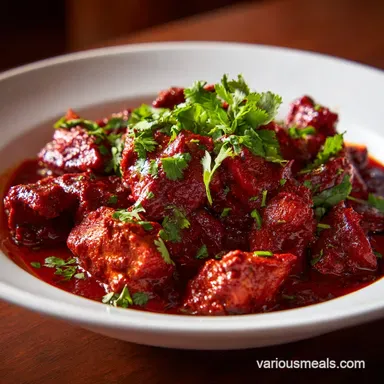
Authentic Chicken Jalfrezi: Bold and Glossy
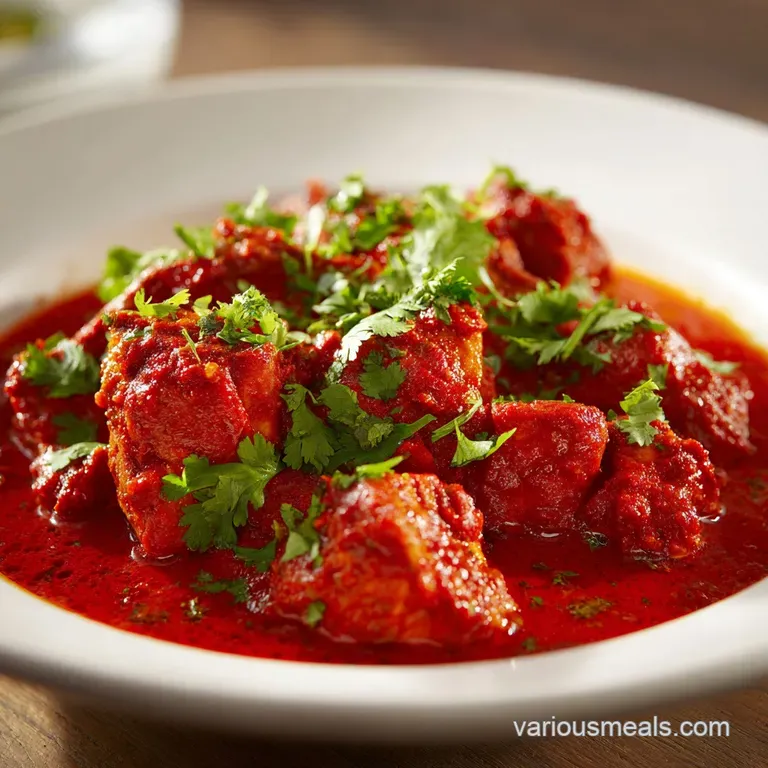
- Time: 10 min prep + 10 min marinating + 20 min cook = Total 40 mins
- Flavor/Texture Hook: Blistered peppers and velvety, glossy glaze
- Perfect for: Fast weeknight dinners with a punch of heat
The Bold Chicken Jalfrezi
Imagine the sound of a scorching wok, the sudden hiss as marinated meat hits the oil, and that sharp, tangy aroma of vinegar hitting a hot pan. It's an immediate sensory wake up call. This dish isn't a slow, bubbling stew; it's a fast paced, high energy stir fry that brings a burst of color to the table.
Most people think of curries as things that simmer for hours, but this Chicken Jalfrezi is different. It's all about speed and intensity. I remember the first time I tried making this, I treated it like a traditional korma and let it simmer way too long.
I ended up with soggy peppers and bland chicken, which is exactly what you don't want here.
The goal is a dish where the vegetables still have a bit of a snap and the sauce clings to the chicken like a thick, spicy syrup. We're aiming for those bold flavors and efficient cooking times that make this a staple for anyone who loves a "fakeaway" night but wants something better than what comes in a plastic container.
Why This Recipe Works
I've spent a lot of time wondering why some home versions of this dish taste "flat" while the restaurant ones pop. It comes down to how we treat the heat and the acid.
The Yogurt Shield: Greek yogurt isn't just for flavor; the lactic acid breaks down tough fibers in the breast meat, making it velvety. It also creates a barrier that prevents the spices from burning during the initial over high heat sear.
Blistering Technique: By frying the peppers and onions on high heat before adding the liquid, we get those charred, blackened edges. This adds a smoky depth that you just can't get from simmering.
The Vinegar Snap: Adding white vinegar at the very end isn't just for tang. According to Serious Eats, adding an acid at the end of cooking brightens the heavy fats and spices, making the flavor profile feel "cleaner" and more vibrant.
The Glaze Effect: Because we use tomato puree instead of crushed tomatoes, the sauce reduces almost instantly. This creates a thick coating rather than a soupy gravy, which is the hallmark of a real Chicken Jalfrezi.
Right then, let's look at how this differs from the long simmered versions you might find in older cookbooks.
| Feature | Fast Stir Fry (This Recipe) | Classic Slow Cook | Impact |
|---|---|---|---|
| Texture | Snap/Crunch | Soft/Tender | Freshness |
| Sauce | Thick Glaze | Liquid Gravy | Coating |
| Prep Time | 10 minutes | 30+ minutes | Speed |
| Flavor | Sharp and Bold | Mellow and Deep | Intensity |
It's all about that contrast between the charred veg and the tender meat.
Component Analysis
Understanding what each ingredient is actually doing helps when you want to tweak things. I don't look at it as a list, but as a set of tools to build flavor.
| Ingredient | Science Role | Pro Secret |
|---|---|---|
| Greek Yogurt | Protein Tenderizer | Use full fat for a silkier mouthfeel |
| Tomato Puree | Natural Thickener | Sauté it until the oil separates |
| White Vinegar | Flavor Balancer | Add it last to keep the "zing" alive |
| Kashmiri Chili | Color and Warmth | Less heat than Cayenne, more red hue |
Honestly, don't even bother with low-fat yogurt here. You need that fat to carry the spices and give the sauce its glossy finish.
Shopping List Breakdown
Get your ingredients ready before you turn on the stove. Once the oil is shimmering, things move fast, and you won't have time to go hunting for the cumin.
For the Marinade
- 1.1 lb (500g) Chicken breast, cut into 1 inch cubesWhy this? Lean meat that cooks quickly in a wok
- 2 tbsp (30ml) Plain Greek yogurtWhy this? Keeps chicken juicy under high heat
- 1 tsp (5g) Ginger garlic pasteWhy this? Essential aromatic base for all curries
- ½ tsp (2.5g) Turmeric powderWhy this? Earthy notes and golden color
- ½ tsp (2.5g) Kashmiri red chili powderWhy this? Vibrant red color with mild heat
For the Stir Fry
- 2 tbsp (30ml) Vegetable oilWhy this? High smoke point for searing
- 1 medium (110g) Onion, sliced into thick stripsWhy this? Needs to hold shape during frying
- 1 large (150g) Red bell pepper, sliced into stripsWhy this? Sweetness to balance the heat
- 1 large (150g) Green bell pepper, sliced into stripsWhy this? Grassy, fresh contrast
- 2-3 (10g) Green chilies, slit lengthwiseWhy this? Adds a direct, sharp heat
For the Sauce Base
- 1 cup (240ml) Tomato pureeWhy this? Concentrated flavor, fast reduction
- 1 tsp (5g) Cumin powderWhy this? Warm, nutty undertone
- 1 tsp (5g) Garam masalaWhy this? The "finishing" spice blend
- 1 tbsp (15ml) White vinegarWhy this? Cuts through the richness
- 1 tsp (5g) SaltWhy this? Enhances all other flavors
- 1 tbsp (15g) Fresh cilantro, choppedWhy this? Fresh, citrusy garnish
If you're out of Kashmiri chili, you can use a mix of paprika and a pinch of cayenne. Just be careful, as cayenne is much hotter.
| Original Ingredient | Substitute | Why It Works |
|---|---|---|
| Greek Yogurt | Coconut Cream | Similar fat. Note: Adds tropical notes, good for dairy-free |
| White Vinegar | Apple Cider Vinegar | Similar acidity. Note: Slightly fruitier taste |
| Chicken Breast | Chicken Thighs | More fat. Note: More flavor but requires longer searing |
| Bell Peppers | Mixed Peppers | Same texture. Note: Use whatever is in season |
Trust me on this, the ginger garlic paste is non negotiable. If you don't have the store-bought stuff, just grate fresh ginger and garlic together.
Essential Gear
You don't need a professional kitchen, but a few tools make a huge difference for this Chicken Jalfrezi.
A wok is the gold standard here because the high sides allow you to toss the ingredients without them flying across the room. If you don't have one, a large stainless steel skillet works fine.
Avoid non stick if you can, as it doesn't handle the high searing temperatures as well and you won't get that beautiful brown crust on the chicken.
A sharp chef's knife is key for those thick pepper and onion strips. You want them uniform so they all cook at the same rate. If some are thin and some are thick, the thin ones will turn to mush while the thick ones stay raw.
Finally, a sturdy spatula or a wooden spoon for the constant stirring during the sauce reduction. You'll be scraping the bottom of the pan to get all those caramelized bits that's where the real flavor lives.
Bringing It Together
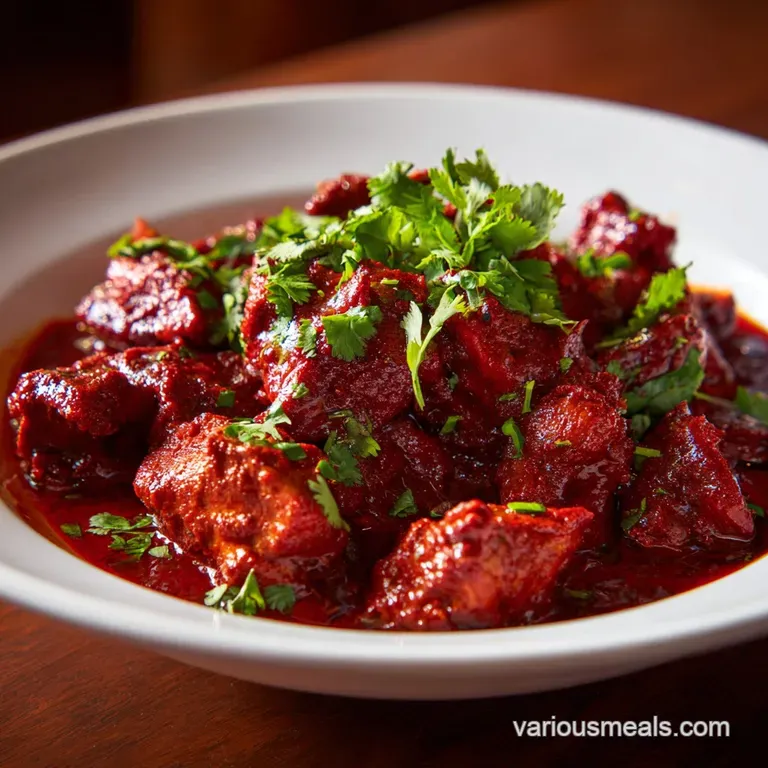
Let's crack on. Remember, the goal is high heat and fast movement. Keep your ingredients within arm's reach.
- Toss the chicken cubes with the yogurt, ginger garlic paste, turmeric, and chili powder. Let the mixture marinate for at least 10 minutes. Note: This lets the yogurt penetrate the meat
- Heat vegetable oil in a wok until shimmering. Add the marinated chicken in a single layer and sear without stirring for 2 minutes until a golden brown crust forms, then toss and cook for another 3 minutes.
- Remove the chicken from the pan and set aside. Note: This prevents the chicken from overcooking while you do the veg
- In the same pan, add the sliced onions and bell peppers. Stir fry on high heat for 3-4 minutes until the peppers have blistered edges.
- Add the slit green chilies during the last 60 seconds of frying. Note: Chilies burn easily, so add them late
- Stir in the tomato puree, cumin, and salt. Simmer for 5 minutes until the sauce thickens and the oil begins to separate at the edges.
- Stir in the white vinegar and garam masala. Note: These are volatile flavors and lose punch if cooked too long
- Return the seared chicken and any accumulated juices to the pan. Toss everything on high heat for 2 minutes until the sauce becomes a thick, glossy glaze clinging to the chicken.
- Garnish with freshly chopped cilantro before serving.
Chef's Tip: If you want an even deeper color, add a pinch of sugar to the onions while they fry. It helps them caramelize faster and balances the acidity of the vinegar.
Common Mistakes & Troubleshooting
Even for a Chicken Jalfrezi, things can go sideways. Usually, it's a matter of temperature or timing.
The Sauce is Too Watery
If your sauce looks like a soup instead of a glaze, you probably didn't let the tomato puree reduce enough. The oil needs to separate from the sauce this is a visual cue that the water has evaporated. If this happens, just crank the heat and stir for another 2-3 minutes.
The Chicken is Dry
This usually happens if you leave the chicken in the pan while frying the vegetables. By removing the chicken after the sear and adding it back at the very end, you keep it juicy. Also, avoid overcooking the breast meat; it only needs a few minutes in the final glaze.
Bitter Aftertaste
Bitterness often comes from burning the dry spices. Always ensure there is enough oil or liquid in the pan before adding the cumin and garam masala. If it tastes bitter, a tiny pinch of sugar or an extra squeeze of lime can help neutralize it.
| Problem | Root Cause | Solution |
|---|---|---|
| Sauce is bland | Not enough salt/acid | Add 1 tsp more vinegar or salt |
| Peppers are mushy | Cooked too long/too low heat | Fry on high for shorter time |
| Chicken is pale | Not enough heat during sear | Increase heat until oil shimmers |
Quick Check Success List:
- ✓ Oil was shimmering before adding chicken
- ✓ Peppers have visible char marks
- ✓ Sauce clings to meat (not pooling)
- ✓ Added garam masala and vinegar at the end
- ✓ Chicken was removed during veggie sauté
If you're finding the heat a bit too intense, you can temper it with a dollop of Greek yogurt on the side. If you love this kind of bold flavor profile, you might also enjoy my Marinade with Soy Sauce recipe for a different kind of high impact dinner.
Adjusting the Batch Size
Cooking for two or cooking for ten requires a bit of a strategy shift. You can't just multiply everything by four and expect it to work the same way in the same pan.
Cutting it in half When making a smaller portion of Chicken Jalfrezi, use a smaller skillet. If the pan is too large, the sauce will spread too thin and evaporate almost instantly, leaving you with a dry dish. Reduce your cooking times by about 20%, as the smaller volume of meat will sear much faster.
Scaling it up (2x or 4x) This is where people usually fail. Do NOT crowd the pan. If you put 2 lbs of chicken in a standard wok, the temperature will drop, the meat will release water, and you'll end up boiling the chicken instead of searing it. Work in batches.
Sear the meat in two or three turns, then remove it. Similarly, fry the vegetables in batches to ensure they blister rather than steam.
For spices and salt, don't do a literal 4x increase. Start with 2.5x or 3x, taste the sauce, and then adjust. Salt and heat intensify differently as volume increases.
| Adjustment | Change | Reason |
|---|---|---|
| Double Batch | 1.5x Spices | Prevent over seasoning |
| Half Batch | Smaller Pan | Prevent sauce evaporation |
| Large Batch | Batch Sear | Maintain high pan temp |
Debunking Kitchen Myths
There are a few things people tell you about curries that just aren't true.
Myth: Searing "seals in" the juices. You'll hear this a lot, but it's a lie. Searing doesn't create a waterproof seal around the meat. What it actually does is create a complex layer of flavor through browning. We sear the Chicken Jalfrezi for the taste, not to keep the moisture inside.
Myth: You must use a pressure cooker for authentic results. While pressure cookers are great for tough cuts of mutton or beef, a Jalfrezi is a stir fry. Using a pressure cooker would turn the bell peppers into mush and destroy the texture of the dish. A wok or skillet is the only way to go.
Myth: More oil always equals more flavor. While oil carries flavor, too much of it will make the sauce greasy rather than glossy. You only need enough to shimmer and sear. If you see a thick layer of oil floating on top, you've gone too far.
Storage Guidelines
This Chicken Jalfrezi actually tastes even better the next day because the spices have more time to meld.
Fridge Storage Store leftovers in an airtight glass container for up to 3 days. The sauce will thicken significantly in the fridge, which is normal.
Freezing You can freeze this for up to 2 months. However, be warned: the bell peppers will lose their "snap" and become softer after thawing. To freeze, let the dish cool completely before placing it in a freezer safe bag.
Reheating Avoid the microwave if you can, as it tends to overcook the chicken. Instead, put the Chicken Jalfrezi in a small pan over medium heat. Add a splash of water or a teaspoon of butter to loosen the sauce and bring back that glossy sheen. Heat just until steaming.
Zero Waste Tips Don't toss your onion peels and pepper stems. Save them in a bag in the freezer to make a vegetable stock later. Also, if you have leftover cilantro stems, chop them finely and add them to the pan at the same time as the ginger garlic paste they have more flavor than the leaves.
Perfect Complements
A bold dish like this needs the right partners to balance the heat. Since the Chicken Jalfrezi is so intense, you want sides that are either cooling or neutral.
The Grain Game Basmati rice is the classic choice. For a bit more luxury, try a saffron infused pilau or a simple cumin rice. The fluffiness of the rice absorbs the thick glaze, making every bite balanced. If you're looking for another hearty meal idea, my Stuffed Cabbage Rolls Recipe is a great alternative for a cozy dinner night.
The Bread Factor Garlic naan is the gold standard here. The charred, buttery bread is perfect for scooping up the last bits of the sauce. If you want something lighter, a toasted paratha or even some simple toasted sourdough can work in a pinch.
Cooling Agents A cucumber raita (yogurt with grated cucumber and mint) is essential if you've gone heavy on the green chilies. The coolness of the yogurt resets your palate between bites.
A simple side of sliced raw red onions soaked in lemon juice and salt also adds a sharp, refreshing contrast to the richness of the Chicken Jalfrezi.
Right then, you've got everything you need. This Chicken Jalfrezi is all about confidence and heat. Don't be afraid of that sizzle, keep those peppers crunchy, and enjoy the bold, glossy results. Let's get cooking!
Very High in Sodium
1180 mg 1180 mg of sodium per serving (51% 51% of daily value)
The American Heart Association recommends a daily sodium limit of no more than 2,300 mg, and ideally less than 1,500 mg for most adults to maintain heart health.
Tips to Reduce Sodium
-
Minimize Added Salt-25%
Reduce the 1 tsp of salt to ¼ tsp or eliminate it entirely; most of the flavor comes from the spices and aromatics.
-
Low-Sodium Tomato Puree-20%
Substitute canned puree with freshly blended tomatoes or a certified 'no-salt added' tomato puree to avoid hidden sodium.
-
Fresh Ginger Garlic Paste-10%
Prepare your own paste using fresh ginger and garlic instead of store-bought versions, which often use salt as a preservative.
-
Brighten with Citrus-5%
Add a squeeze of fresh lemon juice at the end of cooking to mimic the 'pop' of salt through acidity.
-
Enhance with Fresh Herbs
Increase the amount of fresh cilantro and garam masala to create a richer flavor profile without adding sodium.
Recipe FAQs
What does chicken jalfrezi taste like?
Bold, spicy, and slightly tangy. The combination of Kashmiri chili and white vinegar creates a zesty heat, while the sautéed bell peppers add a fresh sweetness to the finish.
Is Jalfrezi British or Indian?
It is an Indian dish. While it has become a staple in British Indian Restaurants (BIR), its flavor profile and traditional roots are firmly Indian.
What does chicken jalfrezi consist of?
Marinated chicken, bell peppers, and a thick tomato based sauce. The chicken is first marinated in Greek yogurt and spices; for another protein packed alternative, you might enjoy our Thai chicken meatballs.
What is the difference between a standard curry and Jalfrezi?
The cooking style and consistency. Most curries are slow cooked stews, but Jalfrezi is a high heat stir fry with chunky vegetables and a thick glaze that clings to the ingredients.
How to keep the chicken tender during cooking?
Sear the marinated cubes in a single layer for 2 minutes without stirring. Remove the chicken from the pan before cooking the vegetables and only return it at the final stage to toss in the glaze.
Is it true that Jalfrezi is always a mild dish?
No, this is a common misconception. Jalfrezi is typically a spicy dish due to the specific use of Kashmiri red chili powder and fresh green chilies.
How to store and reheat leftovers?
Store in an airtight glass container for up to 3 days. Reheat on a stovetop rather than in a microwave to avoid overcooking the chicken and making it rubbery.
Authentic Chicken Jalfrezi