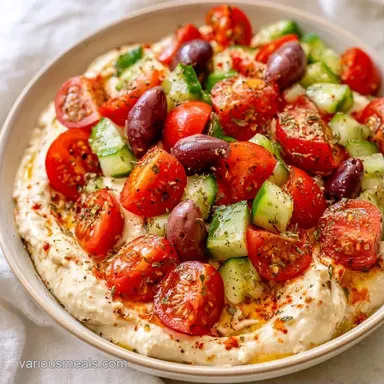
Mediterranean Breakfast Bowl in 17 Minutes
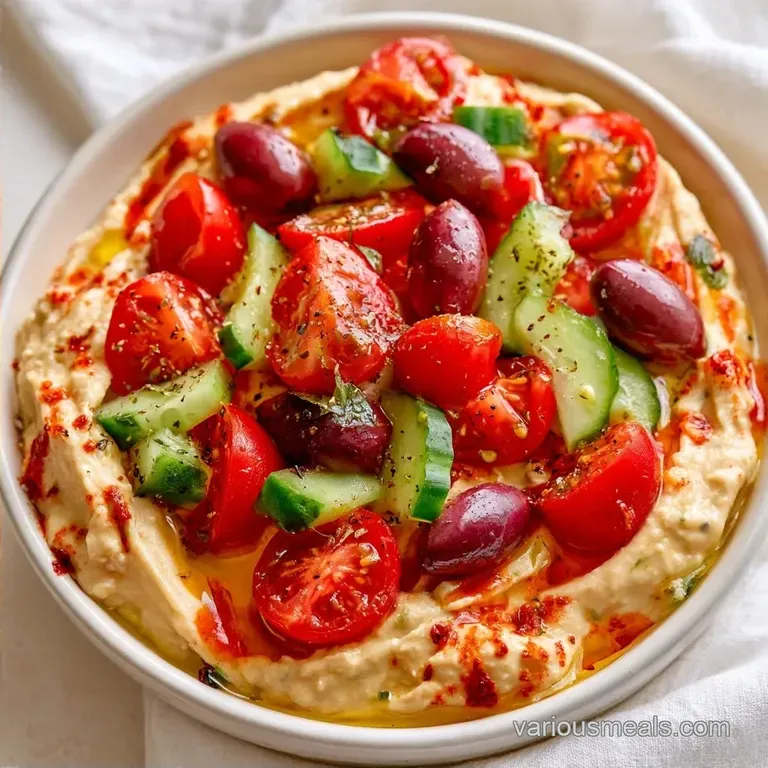
- Time: 10 min active + 7 min cooking
- Flavor/Texture Hook: Creamy hummus paired with jammy eggs and crunchy cucumbers
- Perfect for: Hectic weekday mornings or health-conscious meal prep
- Mediterranean Breakfast Bowl: Fresh and Fast
- Simple Techniques for Better Bowls
- Gathering Your Essential Ingredients
- Tools for Quick Assembly
- Making Your Breakfast Bowl
- Fixing Your Breakfast Bowl
- Fun Ingredient Variations
- Common Kitchen Myths
- Storage and Zero Waste
- Serving and Pairing Tips
- High in Sodium
- Recipe FAQs
- 📝 Recipe Card
The aroma of browning butter in a skillet usually rouses me faster than my morning coffee. For a long time, I thought a "proper" breakfast required an hour of effort, like roasting peppers and making hummus from scratch.
I craved those upscale cafe vibes at home, but I usually felt exhausted before my first meeting of the day.
I eventually realized the real magic isn't the complexity, but the contrast. It's the thrill of something cold and crisp hitting something warm and rich. That's the logic behind my current Mediterranean Breakfast Bowl. It's a high protein, plant forward assembly that requires minimal effort but feels like a luxury.
You can expect a bowl that satisfies every craving. There's the brine of Kalamata olives, the tang of feta, and the earthy punch of za'atar. It's an affordable way to load up on nutrients early without it feeling like a restrictive "diet" meal.
Mediterranean Breakfast Bowl: Fresh and Fast
Here is how the process works. You won't need to spend an hour hovering over the burner; instead, we use a basic prep cook-assemble method. Begin with the raw vegetables, fry the eggs while the veggies marinate, and then simply spread the hummus and layer everything on top.
You'll end up with a dish that is filling yet light, avoiding any midday slump. Because it emphasizes whole foods and healthy fats, you get a consistent energy boost. It's a simple act of self care that fits perfectly into a tight window of just 17 minutes.
You might also enjoy my Classic Italian Tomato Salad, which shares a similar profile of bright acidity and fresh produce. Both recipes rely on high-quality olive oil to bring all the components together.
Simple Techniques for Better Bowls
I've found that a few small choices make this dish feel much more professional. It's not about fancy equipment, but about how the ingredients interact.
Hummus Foundation: Using a thick layer of hummus instead of grains creates a creamy anchor for the Mediterranean Breakfast Bowl. It prevents the vegetables from sliding around and adds a rich, savory base that complements the eggs.
Temperature Play: The contrast between the chilled cucumber and the warm eggs creates a sensory experience. This keeps the dish from feeling one dimensional and makes the fresh vegetables taste even crispier.
Salt Timing: Adding salt to the vegetables a few minutes before assembly draws out a bit of moisture. This creates a natural vinaigrette with the olive oil and lemon juice already in the hummus.
| Method | Time | Texture | Best For |
|---|---|---|---|
| Fast Assembly | 17 mins | Crisp & Jammy | Busy mornings |
| Classic Prep | 45 mins | Roasted & Soft | Slow weekends |
Gathering Your Essential Ingredients
I focus on budget friendly, nutrient dense choices here. You don't need a specialty store for most of this, though a good za'atar makes a difference.
For the base, we use hummus. If you buy store-bought, look for one where olive oil is the second ingredient. It provides the creamy heart of the Mediterranean Breakfast Bowl and keeps you satiated.
The garden mix relies on cherry tomatoes, English cucumbers, and red onion. These are staples that stay fresh in the fridge for a week, making them great for meal prep. Kalamata olives add a necessary salty punch that cuts through the richness of the eggs.
The protein comes from large eggs and crumbled feta. Feta is a great choice because it's salty and tangy, so you don't need to add much extra seasoning. To finish, we use za'atar, a Middle Eastern blend of thyme, sumac, and sesame seeds, along with fresh parsley.
Ingredients List
- 1/4 cup (60g) Hummus Why this? Provides healthy fats and a creamy base
- 1 tbsp (15ml) Extra virgin olive oil Why this? Essential for heart healthy fats
- 1/2 cup (75g) Cherry tomatoes, halved Why this? Adds acidity and brightness
- 1/2 cup (50g) English cucumber, diced Why this? Provides a refreshing crunch
- 2 tbsp (20g) Kalamata olives, pitted and halved Why this? Adds a deep, briny flavor
- 1 tbsp (15g) Red onion, finely diced Why this? Gives a sharp, spicy contrast
- 2 tbsp (30g) Feta cheese, crumbled Why this? Tangy, salty finish
- 2 large eggs Why this? high-quality protein source
- 1 tsp (5ml) Butter Why this? Helps eggs brown and taste rich
- 1 tsp (2g) Za'atar Why this? Adds earthy, lemony notes
- 1 tbsp (4g) Fresh parsley, chopped Why this? Adds a clean, herbal finish
- Salt to taste
- Black pepper to taste
Substitution Guide
| Original Ingredient | Substitute | Why It Works |
|---|---|---|
| Hummus | Greek Yogurt (plain) | Similar creaminess. Note: Less earthy, more tart |
| Feta Cheese | Goat Cheese | Similar tang. Note: Softer texture, slightly milder |
| Kalamata Olives | Capers | Same briny hit. Note: Much smaller, more intense |
| Za'atar | Dried Oregano + Lemon Zest | Mimics the herbal/citrus profile |
Tools for Quick Assembly
Simple household tools are all you need here. I recommend a non-stick skillet for the eggs, as it requires less butter and simplifies the cleanup. For the garden mix, a medium mixing bowl ensures you can toss the vegetables without any spills.
When plating, opt for a wide, shallow bowl. Deep bowls hide the layers and cause ingredients to clump together. I find that a bowl with a slightly flared rim works best for swirling the hummus.
Lastly, make sure you have a cutting board and a sharp chef's knife. Finely dicing the onion and cucumber guarantees that every bite contains a balanced mix of ingredients.
Making Your Breakfast Bowl
Time to get started. Follow these directions for a smooth and efficient workflow.
Phase 1: Prepping the Garden
- Toss the halved cherry tomatoes, diced cucumber, halved olives, and red onion together in a medium mixing bowl.
- Season the vegetables gently with a dash of salt and pepper. Note: This allows the salt to draw out natural juices for a light dressing.
- Let the mixture rest for 5 minutes while you head to the stove. This step is essential for bringing out the best flavors in your Mediterranean Breakfast Bowl.
Phase 2: The Quick Protein
- Melt 1 tsp butter in a non-stick skillet over medium heat.
- Add the eggs to the pan.
- Cook for 3 minutes until the whites are set and opaque, but the yolks remain runny. Note: The edges should just be starting to develop a golden brown mahogany color.
Phase 3: The Assembly
- Scoop 1/4 cup of hummus into the base of a wide bowl.
- Use the back of your spoon to create a swirl with a small dip in the center.
- Arrange the fresh garden mix around the perimeter of the bowl.
- Place the hot eggs into the center of the hummus swirl.
- Garnish with crumbled feta, a sprinkle of za'atar, and fresh parsley.
- Finish with a drizzle of extra virgin olive oil to complete the assembly of the Mediterranean Breakfast Bowl.
Chef's Note: If you are meal prepping for the week, store the eggs and garden mix in separate containers. Assemble the bowl immediately before eating to ensure the vegetables remain crisp.
Fixing Your Breakfast Bowl
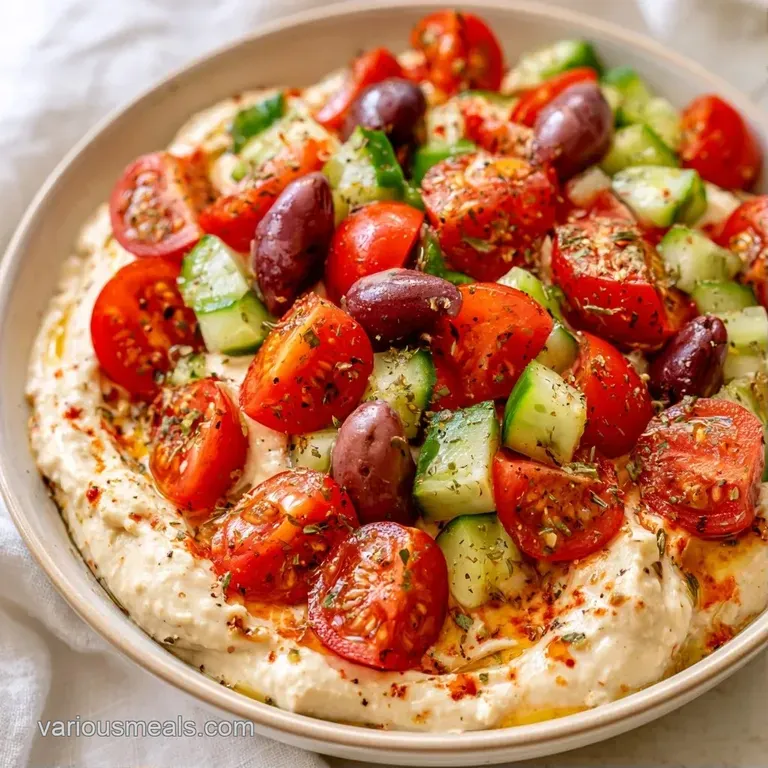
Every dish can have a few surprises. Here is how to troubleshoot some common issues.
Runny Yolks
If the yolks aren't setting to your preference, place a lid over the skillet for the final 60 seconds of cooking. The trapped steam sets the top of the yolk without overcooking the base, ensuring a jammy consistency rather than raw centers.
Thick Hummus
When hummus is too stiff to spread, it may become clumpy or tear the edges of your bowl. Stir in a squeeze of lemon juice or a teaspoon of warm water before plating. This thins the texture, making it much easier to achieve that swirling vortex.
Watery Vegetables
Excess liquid from the garden mix can make the hummus base runny, which typically happens if the vegetables are salted too early. To fix this, simply drain the mix through a small mesh strainer before adding it to the bowl. This keeps the consistency of the Mediterranean Breakfast Bowl professional and tight.
Fun Ingredient Variations
One of the best parts about this dish is how easy it is to tweak. You can shift the flavors based on what's in your fridge or your nutritional goals.
For those wanting a Mediterranean Quinoa Breakfast Bowl, simply add a scoop of cooked, chilled quinoa to the hummus base. This adds more fiber and a nutty texture that makes the meal even more filling.
It's a great way to make a Healthy Mediterranean Breakfast Bowl for weight loss, as the complex carbs keep hunger away longer.
If you're looking for a vegan version, swap the eggs for sliced avocado or pan seared tofu. Use a vegan feta alternative or simply add more olives for that salty kick. You'll still get that beautiful contrast of textures. For a spicy version, add a pinch of red pepper flakes or a drizzle of Sriracha over the eggs.
If you love this flavor profile but want a different meal for later in the day, try my Mediterranean Cod Fish. It uses similar fresh elements but swaps the eggs for a light, flaky protein. These savory Mediterranean Breakfast Bowls are a great introduction to a diet that emphasizes fresh produce and healthy oils.
For more Mediterranean Breakfast Bowl ideas, try adding sliced radishes for extra crunch or a dollop of tzatziki alongside the hummus. Some people prefer a Mediterranean Breakfast Bowl with eggs that are hard boiled and sliced, which is even better for meal prep since you can boil a batch on Sunday.
Common Kitchen Myths
Searing eggs doesn't "seal in" the nutrients or flavor. The browning on the edges is simply a result of the proteins and sugars reacting to the heat. It adds a nutty taste, but it has nothing to do with locking in juices.
Another common thought is that store-bought hummus is always "unhealthy." While some brands add fillers, many organic options are just chickpeas, tahini, and oil. As long as you check the label for excessive preservatives, store-bought is a perfectly fine, budget friendly choice for this recipe.
Storage and Zero Waste
Most of this can be prepped beforehand to save time. Keep the garden mix sealed in the fridge for 3 days. Once opened, the hummus remains fresh for about a week. However, I advise against saving the Mediterranean Breakfast Bowl after it's been assembled, as the eggs will cool down and the vegetables will lose their crispness.
Minimize waste by using leftover red onion or cucumber in a midday wrap. If there are a few olives left in the jar, add them to a pasta salad. You can even finely chop the parsley stems to use in a homemade pesto or a salad dressing.
When preparing your Mediterranean Breakfast Bowls for the week, hard boil six eggs at once. Keeping them in their shells in the refrigerator preserves them for about a week. This lowers your morning active time from 10 minutes to approximately 3 minutes.
Serving and Pairing Tips
Presentation is key when plating this Mediterranean Breakfast Bowl. The vibrant red tomatoes, creamy white feta, and fresh green parsley create a stunning visual appeal. I recommend using a wide, shallow bowl to ensure the hummus "vortex" is visible, giving the dish a professional touch.
For a complete experience, serve this with warm pita bread or toasted sourdough, which are ideal for scooping up the runny egg yolk and remaining hummus. If you prefer something lighter, a handful of grapes or a few orange slices offer a sweet contrast to the salty feta.
To drink, a bold black coffee or a chilled glass of mint tea pairs perfectly with the earthy za'atar. The acidity of the tea balances the heartiness of the butter and olive oil.
This Mediterranean Breakfast Bowl is a wonderful way to start your day on a positive note. It is a healthy option that doesn't feel like a hassle to put together. Whether you need a quick meal for a busy Tuesday or a leisurely Sunday brunch, the blend of warm and fresh components is always a hit.
This recipe shows that a nutritious meal doesn't require hours in the kitchen.
High in Sodium
850 mg 850 mg of sodium per serving (37% 37% of daily value)
The American Heart Association recommends a daily sodium limit of 2,300 mg for most adults to maintain heart health.
Tips to Reduce Sodium
-
Omit Added Salt-25%
Completely remove the 'salt to taste' from the recipe, as the feta and olives already provide ample salinity.
-
Rinse the Olives-20%
Thoroughly rinse the Kalamata olives under cold water before halving them to wash away excess surface brine.
-
Swap the Hummus-20%
Use a low-sodium hummus variety or make your own at home to control the amount of added salt.
-
Reduce Feta Amount-15%
Reduce the Feta cheese by half or substitute it with a smaller amount of fresh, unsalted ricotta.
-
Enhance with Aromatics
Add a squeeze of fresh lemon juice or double the fresh parsley to boost the flavor profile without adding sodium.
Recipe FAQs
What defines a typical Mediterranean breakfast?
It usually centers on fresh vegetables, olive oil, and lean proteins.
Tip: Use high-quality extra virgin olive oil for the best flavor.
Which ingredients create a Mediterranean bowl?
It consists of hummus, feta, cherry tomatoes, cucumber, olives, red onion, and eggs.
Tip: Dice the cucumber small so it distributes evenly in every bite.
Is it true that scrambled eggs are forbidden on a Mediterranean diet?
No, and here's why. Eggs are a healthy protein source and fit perfectly when cooked with olive oil or butter.
Tip: Keep the yolks runny for a richer sauce to dip your veggies in.
Looking for healthy morning meal ideas?
Focus on bowls containing hummus, fresh garden vegetables, and eggs.
Tip: Sprinkle za'atar over the eggs to add a distinct earthy flavor.
How to assemble a Mediterranean breakfast bowl?
Spoon hummus into a wide bowl and create a swirling vortex with the back of your spoon.
Tip: Place the warm eggs in the center to slightly warm the hummus.
Can I change the egg preparation?
Yes, you can use poached or hard boiled eggs instead of sunny side up.
Tip: Slice hard boiled eggs in half to keep the presentation clean.
Ways to serve this bowl for a crowd?
Serve the components separately and pair them with some no-knead crusty bread.
Tip: Let guests customize their own hummus vortex to keep the eggs hot.
Does a Mediterranean bowl need to be entirely cold?
Not true. The contrast between the cold hummus and garden mix and the warm eggs is key.
Tip: Serve immediately after cooking the eggs to maintain this temperature difference.
Mediterranean Breakfast Bowl