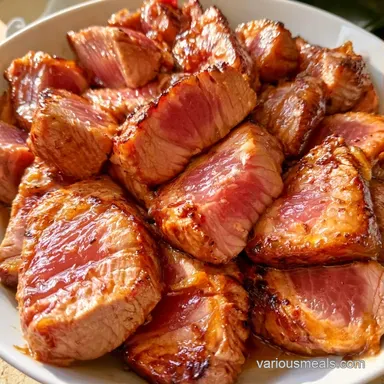
Asian Tuna Marinade with Honey and Soy
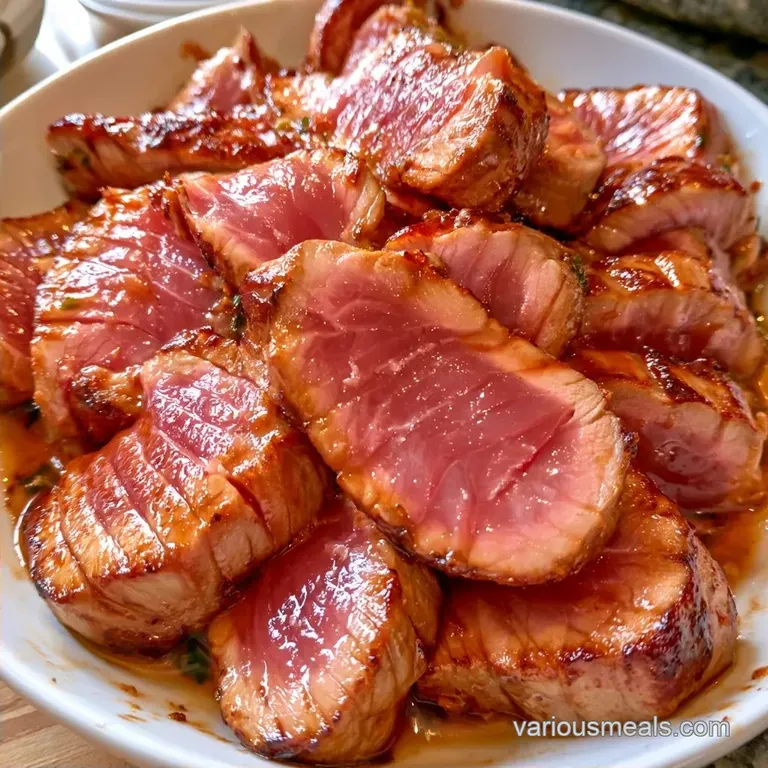
- Time: 10 min active + 2 hours chilling
- Flavor/Texture Hook: Salty, sweet, and zingy
- Great for: Weeknight dinners
Searing tuna often leaves the kitchen smelling heavy and overly fishy. I previously dealt with tuna steaks that were rubbery on the edges yet uncooked inside, or worse, a salty surface that failed to penetrate the meat. This usually results in a charred outside and a tasteless interior.
The secret lies in the emulsification of sugars and fats. By following a precise whisking sequence, this Asian Tuna Marinade binds the oil and honey into a lustrous glaze that adheres to the fish rather than pooling in the pan.
Prepare for a powerful, pungent taste. It features rich umami, a touch of heat from red pepper flakes, and the sharp tang of rice vinegar. While the prep is quick, a little patience during the chilling phase is key to achieving a professional restaurant sear.
Easy Asian Tuna Marinade for Searing
How to Get the Flavor
Honey Soy Bond: The sugars in the honey and the salts in the soy react under high heat. This creates a dark, caramelized crust in about 2 minutes.
Fat Soluble Aromatics: Garlic and ginger release their oils into the sesame oil. This allows the flavor to seep into the tuna fibers rather than just sitting on the surface.
| Method | Time | Texture | Best For |
|---|---|---|---|
| Stovetop | 2 mins | Crispy crust, rare center | Single steaks |
| Oven | 12 mins | Evenly cooked, softer | Large fillets |
You'll notice that the marinade doesn't just season the fish; it changes the surface texture. By using rice vinegar, we slightly break down the proteins on the outside, which helps the sear happen faster.
What You'll Need
The foundation of this sauce is soy sauce for richness and honey for a glossy, sticky sweetness. A splash of toasted sesame oil introduces a nutty scent that grounds the profile, while rice vinegar provides the acidity required to cut through the heavier elements.
Fresh garlic and ginger are essential aromatics here powdered substitutes can't match their vibrancy.
- 1/4 cup soy sauce The Goal: Establishes the salty, umami base (Substitute: Tamari for gluten-free)
- 2 tbsp honey The Goal: Promotes caramelization during cooking (Substitute: Maple syrup)
- 1 tbsp toasted sesame oil The Goal: Imparts a rich, nutty aroma (Substitute: Neutral oil + 1 tsp toasted sesame seeds)
- 1 tbsp rice vinegar The Goal: Balances the salt and sugar (Substitute: Apple cider vinegar)
- 1 tbsp fresh ginger, finely grated The Goal: Offers a zesty, fresh heat (Substitute: 1 tsp ginger paste)
- 2 cloves garlic, minced The Goal: Adds a pungent, savory depth (Substitute: 1/2 tsp garlic powder)
- 1/4 tsp red pepper flakes The Goal: Brings a hint of spice to offset the honey (Substitute: Pinch of cayenne)
- 1/4 tsp black pepper The Goal: Provides a sharp, woody finish (Substitute: White pepper)
| Original Ingredient | Substitute | Why It Works |
|---|---|---|
| Honey (2 tbsp) | Maple Syrup (2 tbsp) | Similar sugar content. Note: Adds a subtle autumnal flavor |
| Soy Sauce (1/4 cup) | Coconut Aminos (1/4 cup) | Reduced sodium, similar look. Note: Slightly sweeter and less salty |
| Rice Vinegar (1 tbsp) | Lime Juice (1 tbsp) | High acidity levels. Note: Imparts a bright, citrusy note |
Prioritize fresh ginger. Grating it just before mixing ensures the volatile oils remain potent, which makes a noticeable difference in the taste of the Asian Tuna Marinade.
The Right Tools
You don't need much, but a microplane is a lifesaver for the ginger. It turns the root into a paste, which prevents those annoying "ginger chunks" from sticking to the fish and burning in the pan. A sealable bag is better than a bowl because it forces the liquid against every inch of the tuna.
For the pan, use cast iron or stainless steel. Non stick doesn't handle the high heat needed for a proper sear. If you're using a grill, make sure the grates are scrubbed clean so the honey based glaze doesn't stick.
Making the Marinade
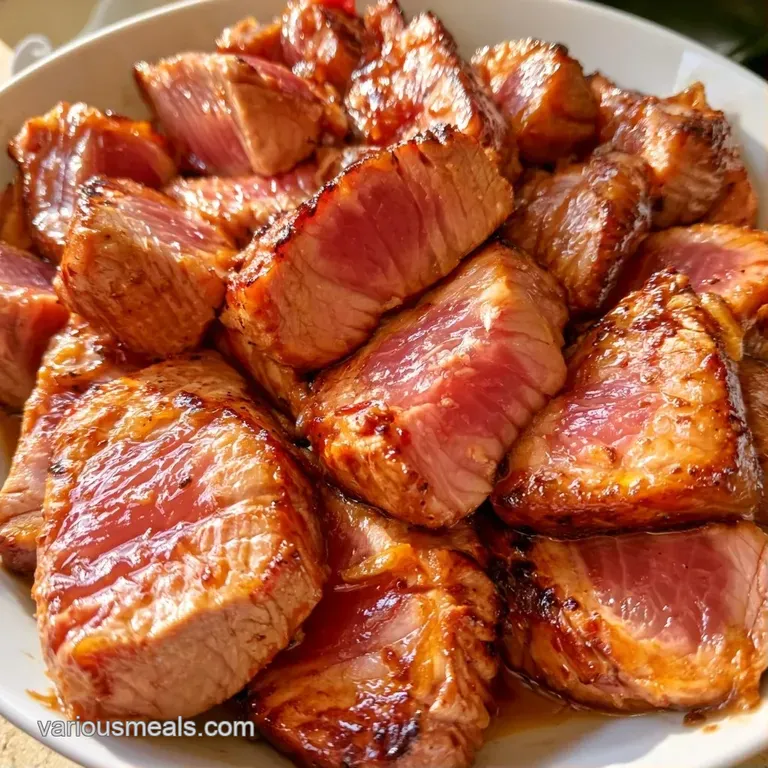
- Use a microplane to grate the fresh ginger into a paste and mince the garlic until it is nearly a puree.
- Whisk the honey and sesame oil together in a mixing bowl. Note: Combining the fats and sugars first helps the emulsion.
- Gradually whisk in the soy sauce and rice vinegar until the mixture is smooth and cohesive.
- Stir in the pepper, minced garlic, and grated ginger.
- Transfer the tuna steaks to a glass dish or sealable bag and pour the Asian Tuna Marinade over them, making sure every surface is coated.
- Seal the container tightly, removing as much air as possible, and refrigerate for at least 30 minutes, but no more than 2 hours.
- Heat a splash of oil in a pan over high heat until it just begins to smoke.
- Sear the tuna until a dark brown crust develops (about 1 minute per side for rare).
Chef's Note: Ensure the tuna is dry before searing. If the fish is too moist, it will steam rather than brown, and you'll lose that beautiful crust.
Solving Common Issues
One issue I ran into early on was the marinade becoming too salty. This usually happens if you use a very concentrated soy sauce or marinate for too long. If the taste is too aggressive, you can balance it with a squeeze of fresh lime juice right before serving.
Another common problem is the oil separating from the honey. This is normal, but a quick whisk right before pouring it over the fish fixes it. For those who find the flavor too intense for tuna, you can try a Marinade with Soy Sauce recipe which is a bit more forgiving with the salt.
The Marinade is Too Salty
If the soy dominates, whisk in 1 teaspoon of brown sugar or extra lime juice. The sweetness and acid neutralize the salt.
The Oil and Soy Are Separating
This happens as the mixture sits. Give it a vigorous shake or whisk to re emulsify the fats.
| Problem | Fix |
|---|---|
| Too salty | Add 1 tsp brown sugar or lime juice |
| Oil separating | Whisk vigorously before use |
| Fish sticking | Increase pan heat and pat fish dry |
If you're worried about the tuna overcooking, remember that it carries over a few degrees after it leaves the pan. Take it off the heat when it's slightly rarer than you want it.
Flavor Tweaks to Try
This base is very versatile. If you want something with more kick, stir in a tablespoon of Sriracha. For a fresher vibe, add a teaspoon of lime zest and a handful of chopped cilantro.
[Goal]? → [exact change] - More heat? → add 1/2 tsp crushed red pepper - Citrusy zing? → fold in 1 tsp lime zest - Nuttier taste? → add 1 tsp toasted sesame seeds
If you prefer a different cooking method, my Steaks with Soy Ginger recipe guide shows how to handle the higher heat of the grill. For a lighter version, you can use coconut aminos instead of soy sauce to reduce the sodium.
Storage and Waste
Store the remaining Asian Tuna Marinade in a sealed glass container and keep it chilled for 3 days. Avoid using any liquid that has touched raw fish as a dip unless it has been boiled first.
To minimize waste, transfer the used marinade to a small saucepan and simmer over medium heat for 5 minutes. This reduces the liquid into a thick, syrupy glaze that is excellent on white rice or steamed broccoli.
You can also use the leftover ginger scraps to flavor boiling water for poaching other fish.
Best Ways to Serve
Tuna is rich, so you need sides that provide a contrast. I love serving this with a cold cucumber salad dressed in rice vinegar and sesame seeds. The crispness of the cucumber cuts through the richness of the seared tuna.
For a more filling meal, try it over a bed of jasmine rice or some sautéed bok choy. If you're feeling fancy, slice the tuna thin and serve it over a bed of mixed greens with a drizzle of the reduced glaze.
Regarding safety, USDA guidance puts the safe internal temperature for cooked fish at 145°F, though many prefer tuna rare. Use a meat thermometer to check the center if you're unsure about the doneness.
Very High in Sodium
1150 mg 1150 mg of sodium per serving (50% 50% of daily value)
The American Heart Association recommends a daily sodium limit of no more than 2,300 mg for most adults to maintain heart health.
Tips to Reduce Sodium
-
Switch to Low-Sodium Soy-30%
Replace regular soy sauce with low-sodium soy sauce or coconut aminos to drastically lower the salt content.
-
Reduce Soy Sauce Volume-20%
Decrease the soy sauce to 2 tablespoons and increase the rice vinegar to maintain the liquid balance and tanginess.
-
Use Unsalted Vinegar-5%
Check your label and ensure you are using unsalted rice vinegar to avoid unnecessary hidden sodium.
-
Enhance with Aromatics
Increase the amount of fresh ginger and garlic to provide a bold flavor profile that compensates for less salt.
Recipe FAQs
What is the best marinade for tuna steaks?
A combination of soy sauce, honey, sesame oil, and rice vinegar creates a perfect sweet and savory balance. These ingredients penetrate the fish quickly without overpowering the natural flavor.
Is it true that tuna should be marinated overnight for the best flavor?
That's a myth. Marinating for longer than two hours can break down the texture of the fish due to the acidity of the rice vinegar.
How do you season tuna?
Whisk honey and sesame oil together before streaming in the soy sauce and rice vinegar. Stir in the grated ginger, minced garlic, and pepper to complete the mixture.
How to cook fresh tuna steaks?
Sear the steaks for about two minutes per side over high heat. This keeps the center tender while creating a caramelized crust from the honey.
What's the secret to a flavorful tuna marinade?
Start by whisking the honey and sesame oil to achieve a glossy, cohesive emulsion. If you enjoyed this combination of flavors, explore our garlic sauce, which employs a similar approach to acidity.
Can I reuse the leftover marinade as a dip?
Only if you boil it first to ensure it is safe for consumption. Alternatively, simmer it for five minutes to create a thick glaze for rice or vegetables.
Asian Tuna Marinade