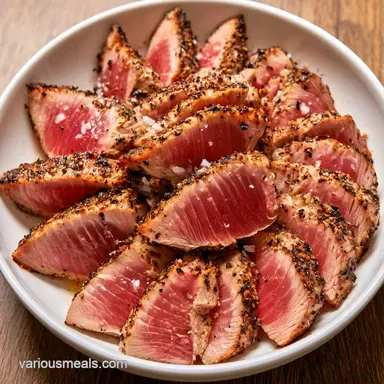
Healthy Salt Pepper Ahi Tuna: Pan-Seared
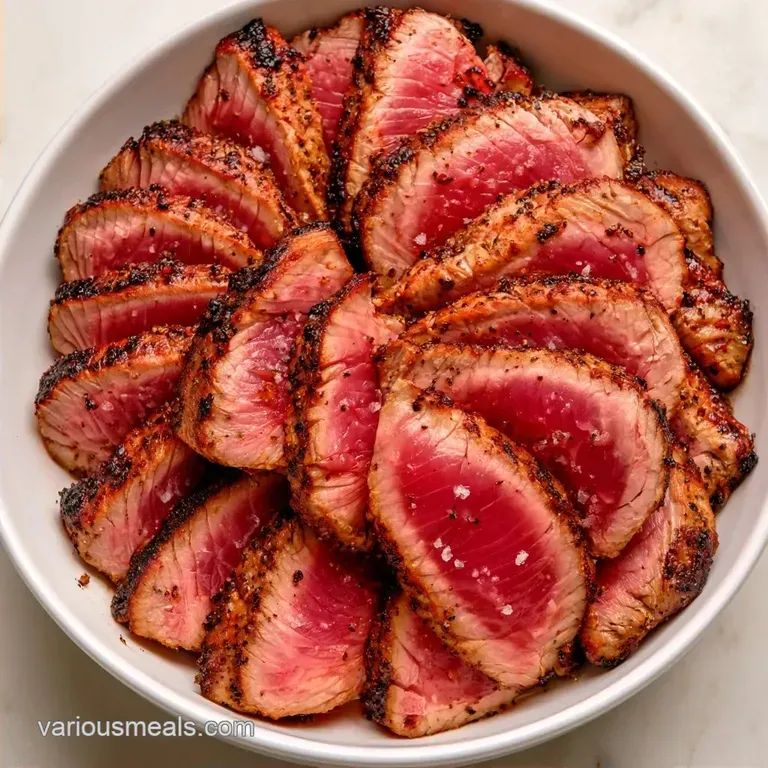
- Time: 5 min active + 6 min cooking
- Flavor/Texture Hook: Mahogany crust with a velvety, rare center
- Perfect for: Fast weeknight dinners or a high protein snack
That sharp, powerful sear the moment the fish touches the metal is the sound of success. I once dreaded cooking tuna, often producing a bland, grey slab that tasted like it came from a tin can.
Everything changed when I started using Saku style cuts those perfectly shaped rectangles and realized that managing surface moisture is the most important step.
If the tuna is damp, it will steam. But if you pat it dry until the paper towel is saturated, you get a crust with a satisfying snap. The magic lies in the contrast between the peppery outer layer and the chilled, raw middle.
The process is incredibly quick. You won't spend an hour on prep; instead, it's just five minutes to season and six minutes at the stove. It is an efficient, bold dish that feels far more luxurious than the effort required to make it.
Salt Pepper Ahi Tuna: Seared Fast
Why These Results Happen
- Dry Surfaces: Removing water prevents steam from forming, so the fish browns in seconds instead of boiling in its own juices.
- High Smoke Oil: Avocado oil stays stable at extreme heat, which lets the exterior char without the oil smoking out your whole kitchen.
- Short Contact: We only touch the pan for a few seconds per side to keep the center rare.
Since this is a light, protein heavy dish, I usually pair it with a classic Italian tomato salad to add some acidity and freshness to the plate.
| Tuna Type | Prep Effort | Texture | Best For |
|---|---|---|---|
| Fresh Saku | Low | Uniform & Firm | Precision Slicing |
| Frozen Loins | Medium | Softer | Budget Meals |
| Pre cut Cubes | Very Low | Irregular | Quick Bowls |
Ingredient Deep Dive
| Ingredient | What It Does | Best Swap |
|---|---|---|
| Saku Ahi Tuna | Provides the lean, meaty base | Yellowfin Tuna (slightly milder) |
| Avocado Oil | Handles the over high heat sear | Grapeseed Oil (similar smoke point) |
| Coarse Sea Salt | Draws out moisture and seasons | Kosher Salt (works just as well) |
Gear You Need
The tool list is quite short. I prefer a cast iron skillet for its superior heat retention, but a thick stainless steel pan is a perfectly fine substitute. You will also need metal tongs for moving the fish and an exceptionally sharp knife.
Avoid using a dull blade, or you'll end up tearing the tuna rather than getting those precise, restaurant style slices.
The Actual Steps
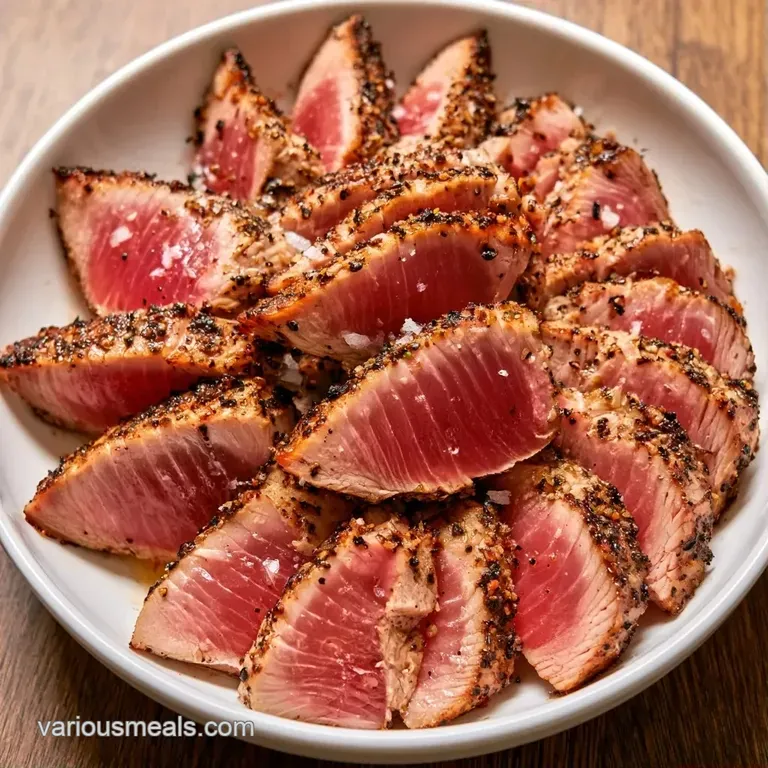
Phase 1: The Moisture Purge
Pat the tuna steaks aggressively with paper towels on all sides. Note: Surface water is the enemy of a good crust.
Phase 2: The Precision Seasoning
Combine the coarse salt and cracked black pepper on a small plate. Press the tuna steaks firmly into the seasoning on all sides. Note: Pressing the pepper in prevents it from flying off in the pan.
Phase 3: The Flash Sear
Heat the avocado oil in a cast iron skillet over high heat until it just begins to shimmer. Carefully place the tuna in the pan.
Phase 4: The Edge Work
Sear for 45 60 seconds per side. Use tongs to sear the narrow edges for 15 seconds each. Wait until you see a dark brown crust form before flipping.
Phase 5: The Resting Period
Remove the tuna from the pan immediately. Let it rest on a cutting board for 2 minutes. Note: This lets the juices redistribute so they don't leak out when you slice.
Phase 6: The Final Touch
Slice the Salt Pepper Ahi Tuna into 1/2 inch thick pieces. Drizzle with fresh lime juice and sprinkle with toasted sesame seeds and sliced scallions.
Fixing Common Issues
To Fix a Steamed Appearance
If your tuna looks grey and wet instead of browned, your pan wasn't hot enough. The oil needs to be shimmering, almost smoking, before the fish touches it. If this happens, you can't "re sear" it without overcooking the middle, so just use more paper towels and a hotter pan next time.
To Prevent Burnt Pepper
Black pepper can taste bitter if it burns. To avoid this, make sure you're using a high smoke point oil and not over searing. Stick to the 60 second limit per side. If the pepper looks like it's turning black and smelling acrid, pull the fish off the heat immediately.
To Eliminate the Grey Band
A thick grey ring means the heat penetrated too far into the center. This usually happens if the steak is too thin or you leave it in the pan too long. For a perfect rare center, keep your sear times short and use thicker steaks (at least 1 inch).
Changing Portion Sizes
For Smaller Batches
Use a smaller skillet when preparing just a single steak. An oversized pan can absorb too much avocado oil, causing the fish to stick. Reduce the preheating period by approximately 20% because there is less cold mass entering the pan.
For Larger Crowds
If you're cooking 4 or more steaks, sear them in groups. Overloading the skillet causes the temperature to plummet, which will result in steaming the fish. Apply salt and pepper immediately before cooking, as letting them sit too long allows the salt to draw out moisture and make them damp.
For a Zesty Profile
For a more punchy flavor than basic salt and pepper, stir a pinch of garlic powder into your seasoning. You can also substitute the lime juice with a splash of soy sauce and ginger for a fusion style vibe.
Storage and Scraps
Refrigeration
For the best experience, enjoy this dish immediately. If you have leftovers, store them in a sealed container in the fridge for a maximum of 24 hours. Avoid reheating seared tuna in the microwave, as it will likely become rubbery and grey; instead, serve it cold as part of a salad.
Freezing Tips
Do not freeze the tuna once it has been seared. If you are storing raw Saku blocks, keep them vacuum sealed in the freezer and let them thaw slowly in the fridge overnight before cooking.
Zero Waste
Save your lime rinds by zesting them into your next pot of rice or adding the spent shells to your compost. To use up leftover scallion greens, chop them and freeze them in an ice cube tray with a bit of oil for future vegetable sautéing.
Plating Your Dish
For a polished presentation, slice the tuna at a slight angle. This highlights the rare center and makes the portion appear more generous. Arrange the slices in a fan pattern and finish with a drizzle of lime juice.
To create a high protein power bowl, serve the sliced Salt Pepper Ahi Tuna atop a bed of brown rice or quinoa. I recommend adding some sliced avocado and a scoop of pickled ginger. For an appetizer, place individual slices on small ceramic spoons with a tiny dab of wasabi and a single sesame seed.
You've now prepared a restaurant quality meal in just 11 minutes. Once you master the sear and stop overcooking the fish, you'll never return to bland, overdone tuna steaks.
This Salt Pepper Ahi Tuna is the quickest way to get a bold, fresh meal on the table without spending your whole evening in the kitchen.
Recipe FAQs
Should you season tuna with salt and pepper?
Yes, seasoning brings out the natural flavor of the fish.
Tip: pat the tuna aggressively with paper towels first to ensure the salt sticks.
How to make peppered ahi tuna?
Press the tuna steaks firmly into a mixture of coarse salt and cracked black pepper on all sides.
Tip: use a small plate for the seasoning to make pressing easier.
Is it true that ahi tuna must be cooked through to be safe?
That's a myth. Most people prefer it seared on the outside and raw or medium rare in the center.
Tip: sear for only 45 60 seconds per side for the best texture.
What common mistakes ruin ahi tuna?
Overcooking the center is the most frequent error, turning the fish dry and grey.
Tip: remove the steaks from the pan immediately after the edges are seared.
Do you have to avoid medium rare when using frozen steaks?
Surprisingly, no. Frozen Saku blocks are designed to be seared and served medium rare just like fresh.
Tip: ensure the tuna is fully thawed before searing to get an even crust.
Which seasonings complement this fish?
Fresh lime juice, toasted sesame seeds, and sliced scallions add brightness and crunch.
Tip: if you like bold marinades, a soy sauce blend works similarly for other firm fish.
Will oven roasting work for tuna steaks?
It works, but you lose the signature crust that high heat searing provides.
Tip: if using an oven, use high heat to mimic a sear and avoid overcooking the core.
Salt Pepper Ahi Tuna