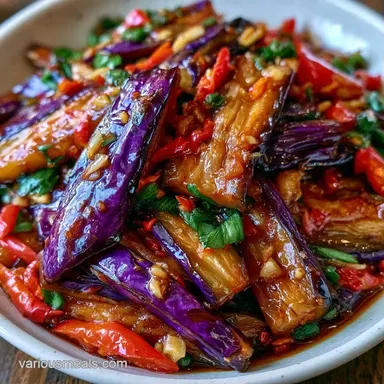
Chinese Eggplant Garlic Sauce with Fresh Ginger
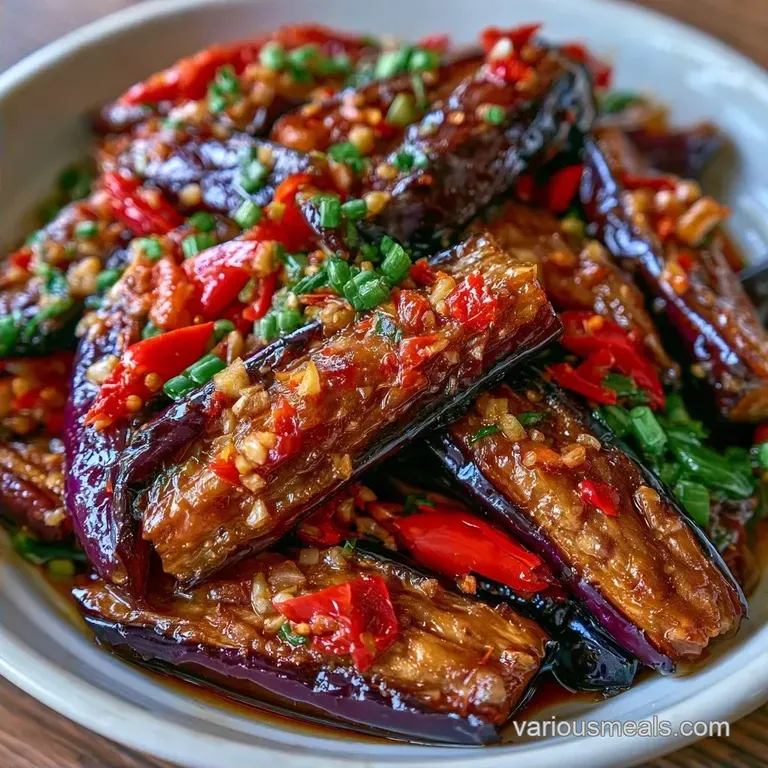
- Time: 15 min active + 20 min cooking
- Flavor/Texture Hook: Savory umami glaze with a tender, browned exterior
- Perfect for: Weeknight dinners or a bold vegan main
- Chinese Eggplant Garlic Sauce
- Why This Recipe Works
- Essential Shopping List
- Tools You Need
- Bringing It Together
- Why You'll Love This Recipe
- Solving Common Issues
- Adjusting Your Portion
- Storing Your Leftovers
- Adding Your Own Twist
- The Best Side Pairings
- High in Sodium
- High in Sodium
- Recipe FAQs
- 📝 Recipe Card
Hear that sizzle? That is the sound of eggplant finally cooperating in the pan. For a long time, I thought eggplant was just a sponge meant to ruin a diet by absorbing every drop of oil in the house. I'd usually end up with a grey, mushy heap that tasted more like the pan than the vegetable.
Everything changed once I started using a light dusting of cornstarch. It creates a tiny shield that blocks the oil and locks in the sauce. Serving a Chinese Eggplant Garlic Sauce now feels like a victory every time, especially on those chaotic Tuesday nights when you want a professional tasting meal with minimal effort.
This is my go-to Chinese Eggplant Garlic Sauce because it pairs a deep, salty oyster sauce with the sharp tang of black vinegar. You get the perfect contrast of seared edges and a center that almost melts. It's efficient, pungent, and my absolute favorite way to prepare eggplant.
Chinese Eggplant Garlic Sauce
Here are the specifics. Although this recipe comes together quickly, the searing phase is essential. Avoid rushing the browning process so you don't lose that signature contrast.
Per Serious Eats, how you manage moisture in eggplant dictates the final consistency; that's why we ensure these batons are completely dry before adding the starch.
| Goal | Exact Change |
|---|---|
| Extra Heat | Add 1 tsp red pepper flakes to the aromatics |
| More Tang | Fold in 1 extra tsp of black vinegar at the end |
| Thicker Glaze | Use 1.5 tsp cornstarch in the sauce mix |
Why This Recipe Works
There are two things that make this Chinese Eggplant Garlic Sauce work without turning into a greasy mess.
The Starch Shield: Dusting the eggplant in cornstarch creates a physical barrier. This prevents the flesh from acting like a sponge and helps the sauce cling to each piece instead of sliding off.
The Two Stage Cook: Searing first and braising second ensures the edges get a golden crust. This is essential for the Chinese Eggplant Garlic Sauce because it provides a structural contrast to the tender interior.
Since you're looking for the right eggplant, here is how the varieties differ.
| Eggplant Type | Oil Absorption | Texture | Best For |
|---|---|---|---|
| Chinese/Japanese | Low | Firm, creamy | Stir frying, glazing |
| Globe/American | High | Spongy, airy | Roasting, grilling |
Essential Shopping List
I use a neutral oil like canola or grapeseed here. Don't use extra virgin olive oil, as the smoke point is too low for the medium high heat we need to get those edges browned.
| Ingredient | What It Does | Best Swap |
|---|---|---|
| Chinese Eggplant | Provides the meaty base | Japanese eggplant |
| Oyster Sauce | Adds salty, savory depth | Vegetarian mushroom sauce |
| Black Vinegar | Cuts through the richness | Balsamic vinegar (pinch of sugar) |
| Cornstarch | Creates the sear and thickens | Potato starch |
The Full List:
- 1 lb Chinese eggplant, cut into 2 inch batonsWhy this? Thinner skin and fewer seeds than globe eggplant
- 2 tbsp cornstarch (for dusting)
- 3 tbsp neutral oil
- 4 cloves garlic, minced
- 1 tsp fresh ginger, grated
- 5 dried red chilies, split lengthwise
- 2 scallions, chopped (whites and greens separated)
- 2 tbsp oyster sauceWhy this? Provides the deep umami base
- 1 tbsp light soy sauce
- 1 tbsp Chinkiang black vinegarWhy this? Adds a complex, malty acidity
- 1 tsp granulated sugar
- 1/2 cup water
- 1 tsp cornstarch (for thickening)
Tools You Need
A wide pan is ideal for this recipe. While a carbon steel wok is the top choice for fast heat distribution, a large stainless steel or non-stick skillet is a great alternative.
I suggest using a fork or small whisk to stir the sauce. Ensuring the cornstarch is fully dissolved prevents tiny white spots from appearing in the glaze; it won't affect the flavor, but it looks much cleaner.
Chef's Note: If you use a non-stick pan, the eggplant might take longer to brown. Allow an extra minute per side to reach that desired golden shade.
Bringing It Together
Let's walk through the process of making this Chinese Eggplant with Garlic Sauce.
Phase 1: The Starch Coating
- Use a paper towel to thoroughly dry the eggplant batons. Note: Excess water prevents a crisp brown finish
- Toss the eggplant in a bowl with 2 tbsp of cornstarch until every piece has a light, powdery coating.
Phase 2: Searing for Texture
- Heat 3 tbsp of oil in a wok over medium high heat until it begins to shimmer.
- Arrange the eggplant in a single layer and sear for 3-4 minutes per side until the flesh softens and the edges turn golden brown.
- Transfer the eggplant to a plate and set aside.
Phase 3: Fragrant Aromatics
- In the same pan, sauté the minced garlic, grated ginger, dried chilies, and the white parts of the scallions for 30-60 seconds until the garlic becomes fragrant in the oil.
Phase 4: The Simmer and Glaze
- In a small bowl, whisk together the oyster sauce, light soy sauce, black vinegar, sugar, water, and 1 tsp cornstarch until smooth.
- Pour the mixture into the pan with the aromatics and let it bubble for 1 minute.
- Return the seared eggplant to the pan and gently fold to coat. Simmer for 2-3 minutes until the sauce transforms into a thick, shiny glaze.
- Garnish with the green parts of the scallions.
Why You'll Love This Recipe
This dish is a powerhouse of flavor because it hits every taste bud. You've got the salt from the soy, the sweetness of the sugar, and the punchy acid from the black vinegar. It's an efficient way to make a vegetable the star of the meal.
The texture is where most people struggle, but the starch and sear method makes it a breeze. The result is a silky sauce that hugs the eggplant without making it collapse into a puree.
If you've got a craving for other savory glazes, check out this Bourbon BBQ Sauce for your next protein heavy dinner.
Solving Common Issues
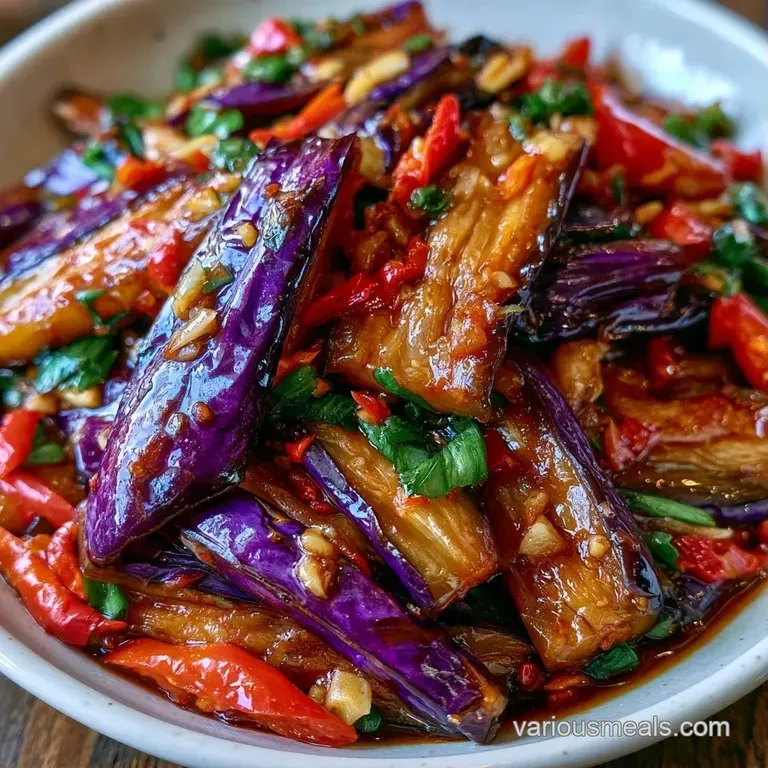
Even with a solid plan, eggplant can be temperamental. Most issues come down to heat management or moisture.
Fixing Mushy Eggplant
If your eggplant is collapsing, it's usually because the pan was too crowded or the heat was too low. This causes the eggplant to steam instead of sear.
Correcting Thin Sauce
When the glaze doesn't cling to the eggplant, it's typically a cornstarch issue. Either the sauce didn't bubble long enough to activate the starch, or the ratio of water was too high.
Managing Bitter Tones
Some eggplants have a bitter edge. While Chinese varieties are milder, you can always salt the batons for 20 minutes and rinse them before drying and dusting.
| Problem | Fix |
|---|---|
| Eggplant is too oily | Use more cornstarch or sear in smaller batches |
| Sauce is too salty | Add 1 tsp of water or a pinch more sugar |
| Eggplant is still firm | Cover the pan for 2 mins during the final simmer |
Adjusting Your Portion
Adjusting the proportions for this Chinese Eggplant Garlic Sauce is simple, though you shouldn't simply multiply every ingredient.
Going Smaller (Half Batch): Use a smaller pan to maintain the oil depth. Cut your cooking time by roughly 20%, as fewer vegetables cook more quickly. For variations requiring egg, whisk one and measure out half.
Going Larger (Double or Triple): Sear the eggplant in batches; adding 2 lbs at once will cause them to steam and lose their texture. For the sauce, start by increasing salt and spices by only 1.5x, then adjust to taste. When doubling, cut liquids by about 10% to maintain the proper thickness.
Storing Your Leftovers
Leftover Chinese Eggplant Garlic Sauce keeps well in a sealed jar in the refrigerator for 3 to 4 days. The eggplant will absorb more of the sauce over time, making it even more flavorful, though it will lose that initial crispness.
For reheating, avoid the microwave if you can. A quick toss in a hot pan for 2-3 minutes brings back some of the texture. If it looks too dry, add a splash of water or a teaspoon of soy sauce to loosen the glaze.
As for zero waste, don't toss the eggplant tops if you trimmed them. Chop them finely and toss them into a vegetable stir fry or a soup base for extra depth. Even the scallion roots can be cleaned and frozen to use as a base for future stocks.
Adding Your Own Twist
You can easily alter the Chinese Eggplant Garlic Sauce to fit whatever is in your pantry.
Make it Vegan: Swap the oyster sauce for a mushroom based vegetarian oyster sauce. The flavor remains nearly identical, but it becomes completely plant based.
Add Some Protein: Toss in some fried tofu cubes or shrimp during the final glaze phase. If using shrimp, sear them first, remove them, and add them back at the very end so they don't overcook.
Boost the Heat: Instead of dried chilies, use a tablespoon of Chili Garlic Sauce or a drizzle of Szechuan peppercorn oil for that authentic numbing sensation.
The Best Side Pairings
The bold, salty profile of this Chinese Eggplant Garlic Sauce is best complemented by a neutral side. Steamed jasmine rice is an ideal choice, as it effectively absorbs the extra glaze.
For a creamier accompaniment, my Garlic Scalloped Potatoes offer a rich contrast to the saltiness, creating a cozy, fusion style meal.
If you prefer something lighter, try some quick pickled cucumbers with rice vinegar and sesame oil. The brightness of the cucumbers cuts through the rich eggplant, refreshing your palate between bites.
High in Sodium
840 mg Sodium per portion (37% of the daily value)
To support cardiovascular wellness, the American Heart Association suggests that most adults limit their daily sodium intake to 2,300 mg or less.
Ways to Lower Salt
-
Swap Oyster Sauce-30%
Use a low-sodium version or a homemade mushroom based savory blend instead of standard oyster sauce to cut salt significantly.
-
Use Coconut Aminos-25%
Replace light soy sauce with coconut aminos, which provide a similar umami depth with much lower sodium.
-
Acid Balance-10%
Cut the Chinkiang black vinegar in half and add a squeeze of fresh lime or lemon juice to keep the tanginess.
-
Dilute the Sauce-10%
Slightly increase the water and cornstarch slurry to maintain the sauce volume and thickness while using fewer salty condiments.
-
Enhance Aromatics
Increase the amount of fresh garlic and ginger to amplify natural flavors, reducing the need for salt.
High in Sodium
840 mg 840 mg of sodium per serving (37% 37% of daily value)
The American Heart Association recommends a daily sodium limit of no more than 2,300 mg to reduce the risk of cardiovascular disease and hypertension.
Tips to Reduce Sodium
-
Swap Oyster Sauce-25%
Replace standard oyster sauce with a low-sodium oyster sauce or a mixture of mushroom broth and cornstarch for a similar umami flavor.
-
Switch Soy Sauce-20%
Use low-sodium soy sauce or coconut aminos instead of light soy sauce to significantly lower the salt content.
-
Dilute the Sauce-15%
Increase the amount of water or unsalted vegetable broth in the sauce mixture to maintain volume while using less concentrated salty sauces.
-
Balance Vinegar-10%
Reduce the Chinkiang black vinegar slightly and add a squeeze of fresh lime or lemon juice to provide acidity without adding sodium.
-
Enhance Aromatics
Increase the quantity of fresh garlic, ginger, and scallions to add depth and punchy flavor without relying on salt.
Recipe FAQs
What is Chinese eggplant with garlic sauce?
It is a savory dish featuring seared Chinese eggplant coated in a thick, glossy garlic and soy-based glaze. The final result balances salty and tangy flavors with a tender crisp texture.
What goes into the garlic sauce?
The sauce is a blend of oyster sauce, light soy sauce, Chinkiang black vinegar, sugar, water, and cornstarch. These are simmered with sautéed garlic, ginger, dried chilies, and scallion whites.
How to fry eggplant without it getting soggy?
Pat the batons completely dry and toss them in cornstarch before searing. Heat 3 tbsp of oil in a wok and fry in a single layer for 3-4 minutes per side to create a stable crust.
Which dishes pair well with this eggplant?
This savory vegetable dish goes great with steamed jasmine rice or noodles to soak up the extra glaze. You can also serve it alongside homemade salsa for a fresh, acidic contrast.
Is it true that eggplant is unsuitable for diabetics?
This one's false: Eggplant is generally a great option for diabetics due to its low glycemic index and high fiber content. Just keep an eye on the sugar used in the glaze.
What should I do with an overripe eggplant?
Use it in stews or roasted dips where a softer texture is more acceptable. Peeling the skin first helps improve the mouthfeel since it tends to toughen as the vegetable ages.
Chinese Eggplant Garlic Sauce