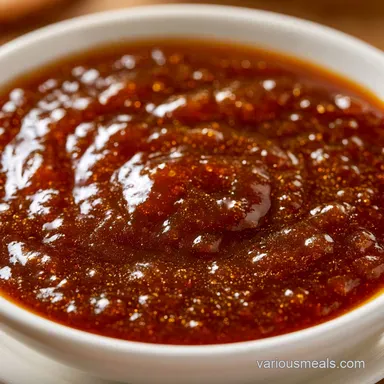
Classic Bourbon Sauce: Rich and Velvety
- Time: 5 min active + 10 min cook = Total 15 minutes
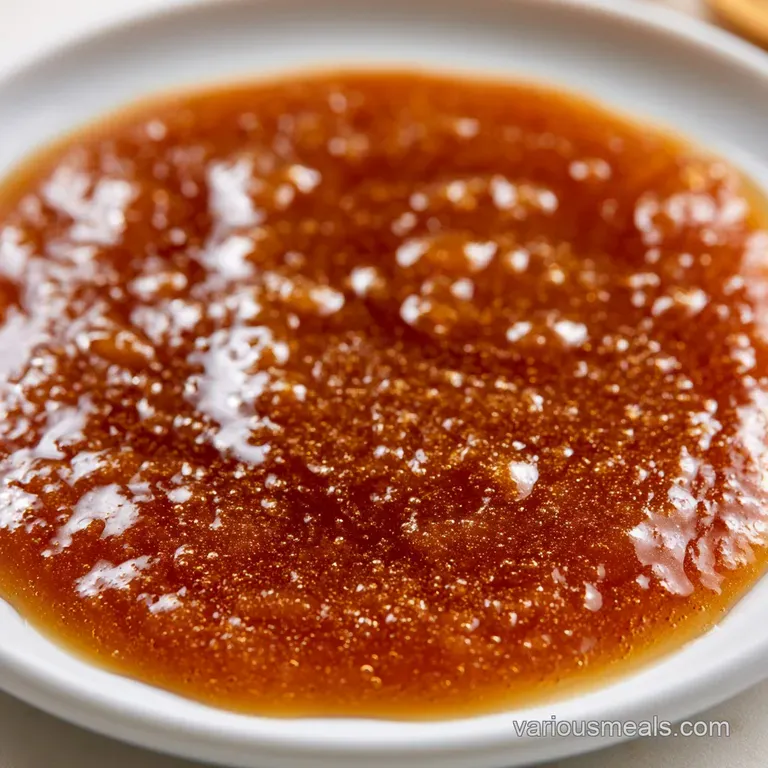
- Flavor/Texture Hook: Glossy, velvety texture with a toasted caramel finish
- Perfect for: Holiday desserts, glazed ham, or a fancy brunch treat
Classic Bourbon Sauce Recipe
Have you ever wondered why some restaurant sauces have that deep, mahogany glow and a taste that feels like a sunset in Kentucky, while home versions often just taste like melted sugar? I used to struggle with this.
For a long time, my sauces were either too thin, like a flavored syrup, or they'd break into a greasy mess the second I added the butter. The secret isn't in the brand of bourbon, but in how you handle the temperature.
I remember one specific Christmas Eve where I tried to rush this. I threw everything in the pan at once and cranked the heat. I ended up with a scorched, bitter syrup that tasted more like burnt rubber than bourbon. My family politely ate it, but I knew.
I spent the next few weekends playing with the order of operations, realizing that the "slow and steady" approach to dissolving the sugar is what creates that professional, silky sheen.
This Classic Bourbon Sauce Recipe is all about the contrast. You have the sharp, oaky bite of the whiskey clashing with the mellow, earthy sweetness of brown sugar and maple syrup. Then, the apple cider vinegar comes in to cut through the richness, ensuring the sauce tastes bright rather than cloying. It's a simple process, but when you get it right, it transforms a basic dish into something that feels truly special.
The Secret to Richness
I've spent way too much time staring at bubbling pots to realize that this isn't just about mixing ingredients, it's about managing how they bond. Here is what's actually happening in your pan:
- Cold Butter Bond: Adding chilled butter cubes to a hot liquid creates a stable emulsion, which is why the sauce looks glossy instead of oily.
- Sugar Dissolution: Stirring the brown sugar before boiling prevents crystallization, ensuring a velvety texture without any graininess.
- Acid Balance: The cider vinegar lowers the pH slightly, which prevents the sweetness from overwhelming your taste buds.
- Alcohol Reduction: A short boil allows the harsh ethanol edge to evaporate, leaving behind the concentrated vanilla and oak notes.
| Method | Time | Texture | Best For |
|---|---|---|---|
| Freshly Made | 15 minutes | Velvety & Glossy | Immediate serving, high end presentation |
| Syrup Shortcut | 2 minutes | Sticky & Heavy | Quick glazes, casual weeknight meals |
| Pre made Jar | 0 minutes | Syrupy & Flat | Emergency backups, basic sweetness |
Ingredient Component Analysis
I don't call this "chemistry," but every single thing in the pan has a specific job. If you take one out, the whole flavor map shifts.
| Ingredient | Science Role | Pro Secret |
|---|---|---|
| Bourbon | Flavor Base | Use a mid shelf bourbon; expensive ones lose nuance when boiled |
| Brown Sugar | Body & Color | The molasses provides the deep mahogany hue |
| Unsalted Butter | Emulsifier | Keep it cold until the very last second |
| Cider Vinegar | Brightness | Cuts the "sugar fatigue" on the palate |
Ingredients You'll Need
Right then, let's look at the gear. I've listed the exact amounts you need. Trust me on the butter temperature - don't let it soften on the counter!
- 1/2 cup (120ml) Bourbon Why this? Provides the signature oaky, vanilla warmth
- 1/2 cup (100g) Brown sugar, packed Why this? Molasses adds depth and a rich color
- 2 tbsp (30ml) Maple syrup Why this? Adds a woody, forest like sweetness
- 1 tbsp (15ml) Apple cider vinegar Why this? Essential for balancing the sugar
- 4 tbsp (56g) Unsalted butter, chilled and cubed Why this? Creates the glossy, thick emulsion
- 1/4 tsp (1.5g) Salt Why this? Enhances all other flavors
- 1/2 tsp (2.5g) Vanilla extract Why this? Rounds out the bourbon's natural vanilla notes
| Original Ingredient | Substitute | Why It Works |
|---|---|---|
| Bourbon (1/2 cup) | Dark Rum (1/2 cup) | Similar alcohol content. Note: Shifts flavor toward tropical/molasses |
| Maple Syrup (2 tbsp) | Honey (2 tbsp) | Similar viscosity. Note: Adds a floral note; slightly sweeter |
| Apple Cider Vinegar | White Wine Vinegar | Similar acidity. Note: More neutral, less "fruity" than cider |
| Unsalted Butter | Vegan Butter Stick | Similar fat content. Note: Ensure it's a high fat stick for emulsion |
I always recommend using a stainless steel pan. Non stick is fine, but stainless allows you to see the caramelization a bit better, and according to Serious Eats, the material can affect how heat distributes during a reduction.
Essential Kitchen Gear
You don't need a professional kitchen for this, but a few specific tools make the process much smoother.
- Small stainless steel saucepan: A heavy bottomed one is better to prevent the sugar from hot spotting and burning.
- Balloon whisk: This is non negotiable for the butter phase. You need to incorporate air and fat quickly to get that velvety finish.
- Silicone spatula: Great for scraping the edges of the pan to make sure no sugar crystals are left behind.
- Measuring cups and spoons: Precision matters here, especially with the vinegar. Too much and it becomes a gastrique; too little and it's just candy.
Step by step Instructions
Let's crack on. Follow these steps closely, and pay attention to the visual cues. The sauce will tell you when it's ready if you're looking.
- Combine the bourbon, brown sugar, maple syrup, and apple cider vinegar in your saucepan over medium heat. Note: Use medium heat to avoid scorching the sugar immediately.
- Stir constantly for about 2 minutes until the sugar crystals have completely dissolved and the liquid looks uniform.
- Increase the heat slightly to bring the mixture to a gentle boil.
- Simmer for 3-5 minutes until the sauce bubbles steadily and smells like toasted caramel.
- Lower the heat to low immediately.
- Add the chilled butter one cube at a time. Note: Adding it slowly prevents the sauce from "breaking" or separating.
- Whisk vigorously after each cube addition until the sauce becomes glossy and opaque.
- Stir in the salt and vanilla extract.
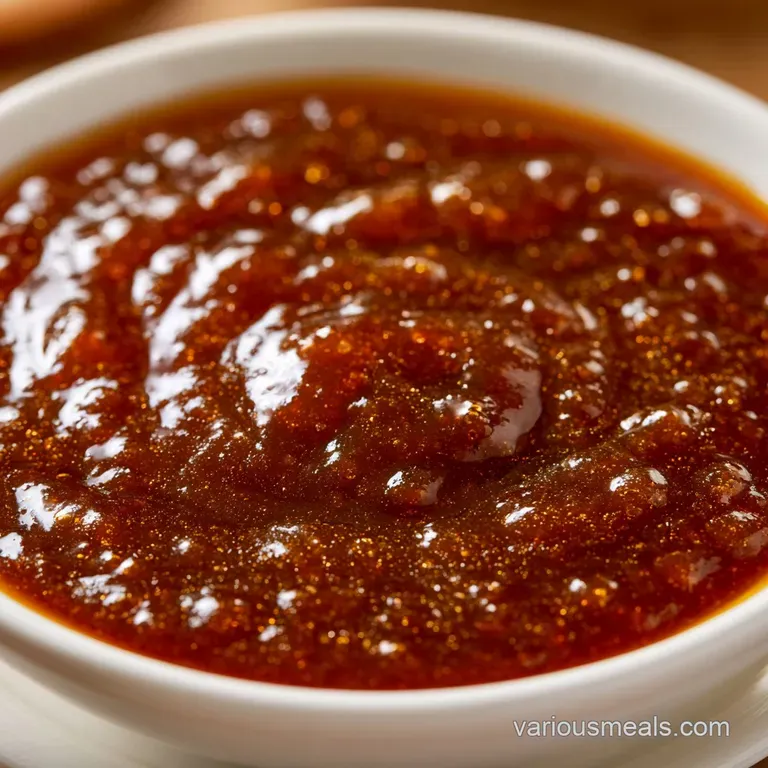
- Remove from heat immediately once the sauce coats the back of a spoon (the nappé stage).
Chef's Note: If you want a deeper, almost burnt sugar flavor, let it boil for an extra minute, but watch it like a hawk. Once it goes from "caramel" to "burnt," there's no coming back.
Troubleshooting Common Issues
Even the best of us have the occasional kitchen disaster. Usually, it's a temperature issue.
| Issue | Solution |
|---|---|
| Why Your Sauce Separates | If you see little beads of oil floating on top, the emulsion has broken. This usually happens if the sauce was too hot when the butter went in, or if you added the butter too quickly. |
| Why Your Sauce is Too Thin | A thin sauce usually means the reduction phase was skipped or rushed. The bourbon and syrup need a few minutes of boiling to concentrate the sugars and evaporate excess water. |
| Why Your Sauce Tastes Bitter | Bitterness comes from burnt sugar. If the heat was too high, the brown sugar can carbonize, which ruins the flavor profile. |
Common Mistakes Checklist:
- ✓ Did I use chilled butter instead of room temperature?
- ✓ Did I dissolve the sugar completely before boiling?
- ✓ Did I stop the heat as soon as the sauce coated the spoon?
- ✓ Did I avoid using a high alcohol "cask strength" bourbon that might overpower the sugar?
Customizing Your Flavor
This Classic Bourbon Sauce Recipe is a fantastic base, but you can easily tweak it depending on what you're serving. If you're feeling adventurous, try adding a pinch of cinnamon or a grating of fresh orange zest right at the end.
For those who prefer a savory twist, you can swap the vanilla for a dash of smoked paprika or a drop of Worcestershire sauce. This transforms the dessert glaze into something that works beautifully on proteins. If you love that style, you might also enjoy my Bourbon Meatball Sauce, which uses similar oaky notes but leans into a savory profile.
If you're serving this over something very sweet, like a bread pudding, increase the apple cider vinegar by another teaspoon. This added acidity cuts through the heaviness and keeps the dish from feeling like a sugar bomb.
Decision Shortcut:
- If you want a thicker glaze → simmer for 2 extra minutes before adding butter.
- If you want a punchier booze taste → stir in a teaspoon of fresh bourbon after removing from heat.
- If you want a creamier finish → increase butter to 6 tbsp.
Storage and Freshness
Because of the high sugar and fat content, this sauce keeps surprisingly well.
Fridge Storage: Pour the cooled sauce into a glass jar with a tight lid. It will stay fresh for up to 10 days. It will thicken significantly in the cold, which is normal.
Freezing: I don't usually recommend freezing emulsions like this because the butter can separate, but if you must, it'll last 2 months. Just know that you'll need to whisk it vigorously while reheating to bring it back together.
Reheating: Place the sauce in a small pan over low heat. Add a teaspoon of water or a tiny knob of butter if it looks too thick. Whisk constantly until it's just melted don't let it reach a hard boil again or you'll lose that velvety texture.
Zero Waste Tip: If you have a small amount of sauce left in the pan that's too sticky to pour, add a splash of hot coffee or milk to the pan and swirl it around. Pour that "pan sauce" over a piece of toast or a scoop of vanilla ice cream.
Best Food Pairings
The versatility of this sauce is where the real fun begins. While it's a classic for desserts, the contrast of the oaky bourbon makes it a powerhouse for savory dishes too.
For a show stopping holiday meal, try drizzling this over a honey glazed ham or roasted carrots. The saltiness of the meat plays beautifully against the sweet bourbon. If you're doing a full spread, this pairs exceptionally well with a tart accompaniment, like my Fresh Cranberry Sauce, to provide a bright, acidic counterpoint to the richness.
If you're sticking to desserts, try it over: - Warm bread pudding (the gold standard) - Vanilla bean ice cream - Grilled peaches or pears - New York style cheesecake
Right then, you're all set. Just remember to keep that butter cold and your whisk moving, and you'll have a sauce that tastes like it came from a high end bistro. Happy cooking!
Recipe FAQs
What's in a bourbon sauce?
It contains bourbon, brown sugar, maple syrup, apple cider vinegar, chilled butter, salt, and vanilla extract. These ingredients combine to create a rich, sweet and-tangy emulsion.
Which alcohol would be used in a bourbon sauce?
Use bourbon. Its distinct notes of vanilla and charred oak provide the traditional flavor profile essential to this recipe.
Is it better to simmer or boil bourbon sauce?
Bring the mixture to a gentle boil. Boiling for 3 5 minutes is necessary to concentrate the sugars and evaporate excess water for the correct thickness.
What is the difference between bourbon sauce and bourbon glaze?
The sauce uses butter to create a glossy emulsion, whereas a glaze is typically a pure reduction. Glazes are stickier and more concentrated because they lack the fat from the butter.
How to substitute bourbon in recipes?
Swap bourbon for apple juice or a non-alcoholic bourbon alternative. This maintains the liquid volume and sweetness while removing the alcohol content.
How to stop the sauce from separating?
Add chilled butter one cube at a time over low heat. Whisking vigorously after each addition prevents the fat from breaking and ensures a stable, glossy finish.
What are the best side dishes that go with this sauce?
Pair it with roasted meats or savory root vegetables. This sauce complements rich proteins and tastes excellent alongside garlic scalloped potatoes.
Classic Bourbon Sauce Recipe