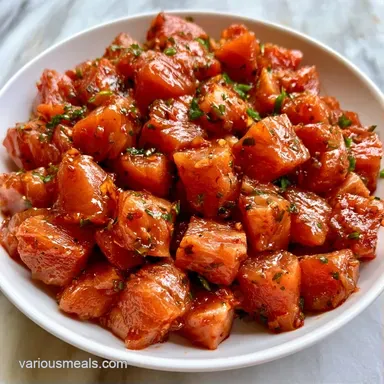
Gluten Free Ahi Tuna Bowl with Tamari
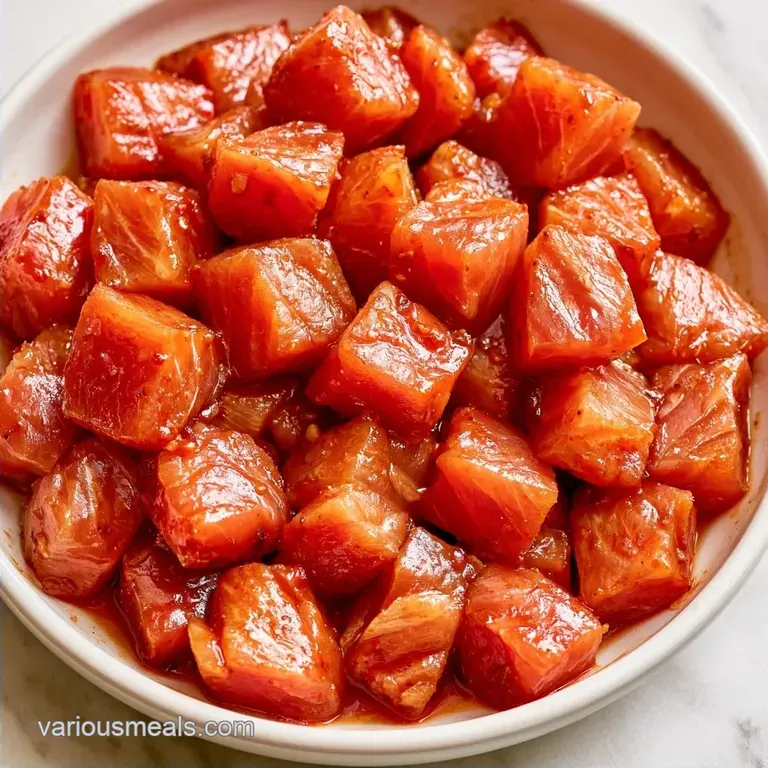
- Time: 20 min active + 20 min cooking + 20 min chilling
- Flavor/Texture Hook: Silky raw tuna against crunchy radishes
- Perfect for: A fresh, bold weeknight dinner
The smell of toasted sesame oil always takes me back to a tiny spot I found in a coastal town. I remember sitting on a plastic stool, watching the chef slice tuna with a knife that looked like a razor blade. The fish was cold, the rice was barely warm, and the flavors just popped.
I used to think you needed a professional setup to get that restaurant feel at home. But after a few attempts in my own kitchen, I realized it's all about the timing of the chill. If the rice is too hot, the fish warms up and loses that clean, crisp edge.
This Ahi Tuna Bowl is all about those bold contrasts. You get the richness of the avocado, the sharp bite of raw radish, and the deep umami of tamari. It's a GlutenFree Ahi Tuna Bowl that doesn't feel like a "diet" meal, just a really fresh one.
Why This Ahi Tuna Bowl Works
- Salt Cure: Tamari doesn't just add flavor, it slightly firms up the texture of the raw tuna.
- Temperature Balance: Using room temperature rice prevents the tuna from poaching, keeping the fish raw and cold.
- Acid Fat Mix: Rice vinegar cuts through the heavy fats of the avocado and sesame oil.
| Goal | What to change |
|---|---|
| Extra Heat | Add sriracha to marinade |
| Low Carb | Swap rice for cauliflower |
| Extra Crunch | Double the radishes |
Fast vs Classic Style
| Feature | Fast Weeknight | Classic Style |
|---|---|---|
| Rice Prep | Pre cooked/Instant | Seasoned Sushi Rice |
| Veggie Cut | Rough Chop | Precise Julienne |
| Tuna Prep | Quick Toss | 30 Min Cold Cure |
Ingredient Roles and Swaps
The tamari provides the base salt and color. If you can't find it, coconut aminos work, though they are sweeter. The toasted sesame oil is where that nutty aroma comes from, so don't swap it for plain vegetable oil.
For the crunch, radishes and carrots are key. They provide a snap that stops the bowl from feeling too soft. The honey is just there to take the edge off the vinegar.
For the Marinated Tuna
- 12 oz (340g) sushi grade Ahi tuna, cubed into 1/3 inch pieces Why this? Essential for safety and texture
- 3 tbsp (45ml) tamari Why this? gluten-free umami base
- 1 tbsp (15ml) toasted sesame oil Why this? Distinct nutty aroma
- 1 tbsp (15ml) rice vinegar Why this? Bright acid balance
- 1 tsp (5ml) honey Why this? Mellows the salt
- 1 tsp (5g) freshly grated ginger Why this? Sharp, zesty heat
For the Base & Toppings
- 2 cups (300g) cooked sushi rice Why this? Starchy, clingy base
- 1 large (150g) avocado, sliced or cubed Why this? Creamy richness
- 1/2 cup (75g) shelled edamame, steamed Why this? Protein and pop
- 1/2 cup (60g) cucumber, thinly sliced Why this? Cooling crunch
- 1/4 cup (30g) shredded carrots Why this? Color and sweetness
- 2 radishes, thinly sliced Why this? Peppery snap
- 1 tbsp (15g) toasted sesame seeds Why this? Textured finish
- 2 stalks (20g) green onions, thinly sliced Why this? Fresh onion bite
| Original Ingredient | Substitute | Why It Works |
|---|---|---|
| Sushi Rice | Quinoa | Similar bulk. Note: Lacks the stickiness of rice |
| Tamari | Coconut Aminos | Similar salt profile. Note: Much sweeter than tamari |
| Ahi Tuna | Salmon | Same fatty profile. Note: Richer taste, softer texture |
Tools for the Job
No specialized sushi kit is required for this recipe. A razor sharp chef's knife is essential to ensure you get clean cubes of tuna rather than smashed ones. For the marinade, a medium mixing bowl works best.
If you own a mandoline, use it for the cucumbers and radishes. Slicing them paper thin gives the Ahi Tuna Bowl a much more professional look.
Key Assembly Steps
1. Preparing the Base
Cook the sushi rice as directed on the package. Once finished, allow it to sit uncovered for roughly 10 minutes until it reaches room temperature. Note: This ensures the fish stays cold.
2. Dicing the Fish
Cut the sushi grade Ahi tuna into even 1/3 inch cubes. To keep the edges sharp and clean, use a sharp knife with a slow slicing motion.
3. Mixing the Marinade
In a medium bowl, whisk the tamari, toasted sesame oil, rice vinegar, honey, and grated ginger until the honey is fully dissolved.
4. Marinating the Tuna
Gently fold the tuna cubes into the marinade until every piece is well coated. Cover the bowl and refrigerate for 15 to 30 minutes. Note: Don't go over 30 minutes or the acid will change the color of the tuna.
5. Dividing the Rice
Portion the room temperature sushi rice evenly into two bowls. Press down lightly to create a firm foundation for the Ahi Tuna Bowl.
6. Centering the Tuna
Place the marinated tuna in the center of each bowl, letting some extra marinade drizzle over the rice.
7. Adding the Toppings
Arrange the steamed edamame, sliced avocado, shredded carrots, radishes, and cucumber around the fish. Pack them in tightly for a full, vibrant look.
8. The Final Touch
Top with thinly sliced green onions and toasted sesame seeds before serving.
Chef: If your tuna is frozen, thaw it in the refrigerator overnight. Never use warm water to thaw sushi grade fish, as it can compromise safety and ruin the texture.
What Can Go Wrong
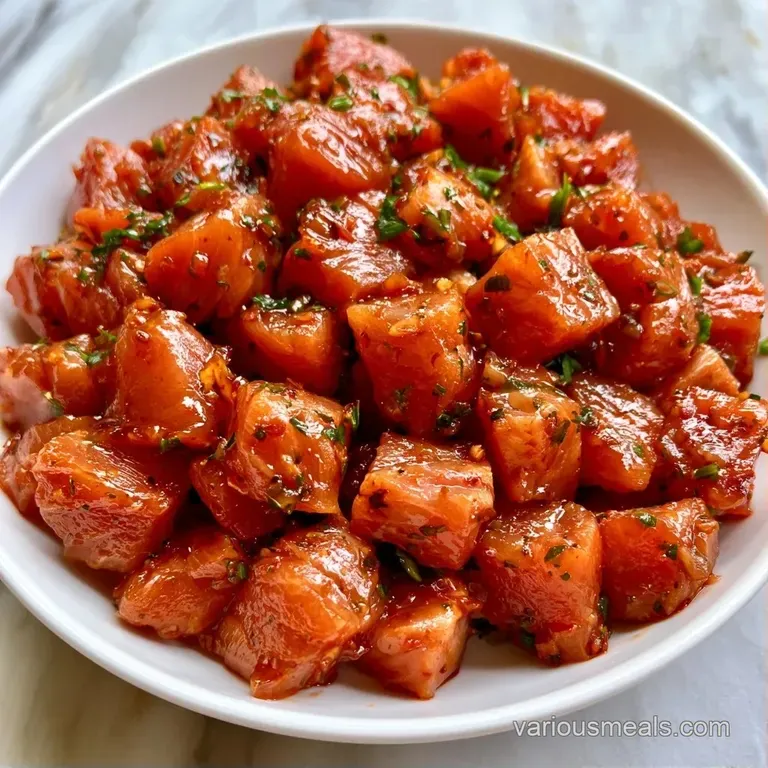
The Tuna is Mushy
This usually happens if you let the fish sit in the marinade for too long. The vinegar and salt break down the proteins, effectively "cooking" the fish in the fridge. Keep the marinating time under 30 minutes to keep that raw snap.
The Rice is Too Sticky
If your rice has turned into one giant clump, you might have over stirred it while it was hot. To fix this for your Ahi Tuna Bowl, use a wet paddle or spoon to gently break it apart before plating.
Difficulty Finding Sushi Grade
Not every grocery store carries sushi grade Ahi. If you can't find it, look for "sashimi grade" labels. If you're unsure about the quality, you can quickly sear the tuna cubes for 30 seconds per side to make a seared Ahi Tuna Bowl.
Presentation Tips
To make this look like a $20 restaurant dish, focus on the colors. Place the bright orange carrots next to the green avocado and the white radishes. This contrast makes the deep red of the tuna stand out.
If you want a fusion twist, you can serve this with a side of Homemade Salsa for an unexpected hit of acidity. Using a wide, shallow bowl instead of a deep one also lets you show off all the toppings.
Preservation Guidelines
Keep remaining ingredients in separate containers. Place the marinated tuna in a sealed vessel and chill it for no more than 24 hours. Prepared rice will last 3 to 4 days.
Put your Ahi Tuna Bowl together right before serving. Mixing all the components beforehand will cause the vegetables to leak moisture, leaving the rice mushy.
To minimize waste, set aside the carrot ends and the white portions of the scallions. Store them in a freezer bag along with other vegetable peelings to simmer into a homemade stock later on.
Flavor Variations to Try
The Spicy Heat Twist
Stir 1 tablespoon of Sriracha and a teaspoon of mayo into your marinade. This transforms the Ahi Tuna Bowl into a spicy mayo variation with a bold kick.
The Tropical Mango Twist
Swap out the radishes for fresh, cubed mango. The fruit's natural sweetness balances the salty tamari perfectly for a tropical flair.
Low Carb Grain Free Swap
Omit the rice altogether. Serve your gluten free Ahi Tuna Bowl over shredded kale or cauliflower rice to reduce the carb count.
Plant Based Alternative
Use pressed and cubed firm tofu instead of tuna. While the marinade is just as effective, letting the tofu soak for a full hour ensures the flavor penetrates deeply. For another flavorful vegetable forward dish, try my Chinese Eggplant Garlic Sauce.
Common Misconceptions
Some people think you have to freeze fish to kill parasites. While some commercial brands do this, "sushi grade" usually refers to a specific handling and temperature chain from the boat to the store.
Another myth is that raw fish must be seasoned with lemon. While citrus works, the rice vinegar in this Ahi Tuna Bowl provides a more subtle acidity that doesn't overpower the delicate flavor of the Ahi.
Finally, don't believe that you need a special "sushi rice" brand. Any short grain white rice will work, provided you rinse it well to remove excess starch before cooking.
High in Sodium
820 mg 820 mg of sodium per serving (36% 36% of daily value)
The American Heart Association recommends a daily sodium limit of no more than 2,300 mg to reduce the risk of cardiovascular disease.
Tips to Reduce Sodium
-
Swap Tamari for Coconut Aminos-30%
Replace the tamari with coconut aminos or a low-sodium tamari alternative to drastically reduce salt while maintaining the savory umami profile.
-
Use Unsalted Edamame-10%
Ensure you use unsalted steamed edamame or thoroughly rinse frozen edamame to remove surface salt.
-
Control Rice Seasoning-5%
Avoid adding salt to the cooking water for the sushi rice and use unseasoned rice vinegar for the base.
-
Enhance with Citrus
Squeeze fresh lime or lemon juice over the final dish to add a bright, acidic pop that mimics the taste of salt.
Recipe FAQs
How to make an ahi tuna poke bowl?
Cut sushi grade tuna into 1/3 inch cubes and toss them in a marinade of tamari, sesame oil, rice vinegar, honey, and ginger. Serve the marinated fish over room temperature sushi rice with avocado, edamame, and crisp vegetables.
Is it true that the rice needs to be piping hot?
This one's false: Room temperature rice is essential for this dish. Hot rice will poach the raw tuna and ruin the chilled, clean texture of the fish.
Which substitute works best for tamari?
Use soy sauce if you cannot find tamari. If you enjoyed the salty sweet balance in this bowl, you might like the soy sauce marinade used for salmon.
Can I prep the vegetables in advance?
Slice the carrots, radishes, and cucumbers up to 24 hours early. Keep them in separate containers to maintain their individual crunch and fresh flavor.
Why does the tuna need to marinate for 15 to 30 minutes?
This time allows the tamari to slightly cure the fish. It firms up the texture while ensuring the honey and ginger penetrate the cubes.
Do I need to cook the tuna first?
Not true. This recipe uses sushi grade tuna which is specifically intended to be eaten raw for a silky consistency.
What method ensures the tuna cubes are uniform?
Slice the tuna into 1/3 inch thick planks first. Then, cut those planks into strips and finally into small, equal cubes.
Could the fish be over marinated?
Yes, marinating beyond 30 minutes can make the tuna too salty. Stick to the recommended window to keep the fish tender.
gluten free Ahi Tuna Bowl