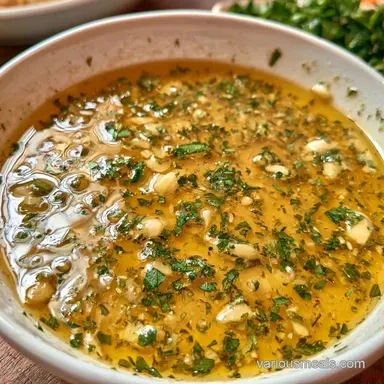
Authentic Greek Salad Dressing Recipe
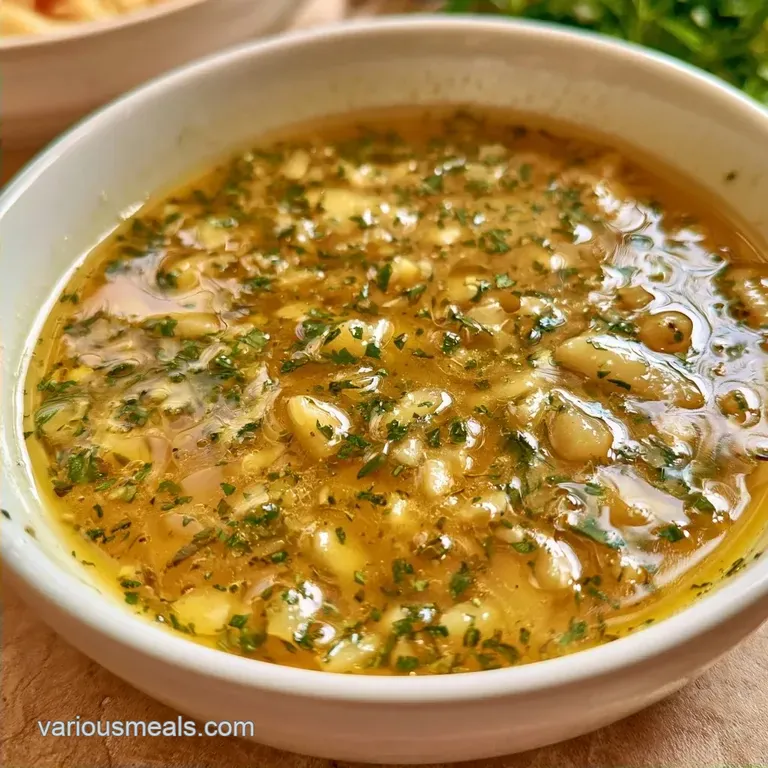
- Preparation: 5 minutes
- Taste & Feel: Zesty and bright with a velvety, blended consistency
- Ideal for: Mid-week meal planning or nutritious lunch bowls
Easy Recipe for Greek Salad Dressing
I used to think that getting a dressing to stay together required an immersion blender or a fancy whisk and a lot of arm strength. I'd spend ten minutes shaking a jar only to have the oil separate the second it hit the lettuce.
It's a frustrating cycle, especially when you're trying to keep your meal prep healthy and fast.
Forget the idea that you need professional tools to get a stable vinaigrette. You actually just need one specific stabilizer and a glass jar. The trick isn't in the effort you put into shaking, but in how the ingredients are layered before you start.
This Recipe for Greek Salad Dressing is built for busy cooks who want nutrient dense meals without the fuss. It's a bright, zesty mixture that makes raw vegetables taste like they came from a Mediterranean kitchen, and it takes exactly five minutes from start to finish.
How to Actually Nail This
Getting the balance right is more about chemistry than "feeling" the recipe. When you mix oil and vinegar, they naturally want to stay apart.
Mustard as a Binder: The Dijon mustard acts as an emulsifier. It holds the oil and vinegar together so you don't end up with a puddle of oil at the bottom of your bowl.
Dual Acidity: Using both red wine vinegar and lemon juice provides a layered tartness. The vinegar gives a deep, fermented punch, while the lemon adds a fresh, citrusy top note.
Dried Herb Activation: Adding the oregano and basil into the oil vinegar mix allows the fats to pull out the aromatic oils from the dried leaves, making them taste fresher.
| Method | Time | Texture | Best For |
|---|---|---|---|
| Jar Shake | 2 mins | Cohesive | Quick weeknight meals |
| Whisking | 6 mins | Aerated | Fancy dinner presentations |
| Blender | 1 min | Thick | Large party batches |
The key to a great vinaigrette is the salt dissolution. If you add salt to the oil, it just clumps. By stirring it into the vinegar first, the salt dissolves completely, ensuring every bite of your salad is seasoned evenly.
Simple Tools You'll Need
No fancy equipment is required for this recipe; keeping it simple just means less washing up afterward.
A Glass Jar with a Lid: A mason jar or a repurposed jam jar is ideal. Glass won't react with the vinegar's acidity, and the narrow opening helps create the turbulence necessary for a stable emulsion.
Small Garlic Press or Knife: Ensure the garlic is minced as finely as possible. Large pieces can be too pungent and won't integrate smoothly into the dressing.
Measuring Spoons: To properly balance the oil and acid, using precise measurements rather than "glugs" ensures the flavor is consistent every time.
Ingredient Deep Dive
The quality of your olive oil is key. I suggest a cold-pressed extra virgin olive oil for its peppery notes, which pair perfectly with the oregano. Opting for a "light" olive oil typically results in a duller flavor that lacks that signature Mediterranean boldness.
| Ingredient | What It Does | Best Swap |
|---|---|---|
| Extra Virgin Olive Oil | Gives the dressing body and richness | Avocado oil (more neutral) |
| Red Wine Vinegar | Supplies a bold, tart acidity | Apple cider vinegar (milder) |
| Dijon Mustard | Emulsifies the oil and vinegar | Honey mustard (adds sweetness) |
| Fresh Lemon Juice | Lifts the overall taste | Lime juice (shifts the profile) |
Check the freshness of your dried herbs; avoid using jars that have been sitting in the pantry for years. Dried oregano loses its potency quickly. If it doesn't have a strong aroma when rubbed between your fingertips, it's time to buy a fresh replacement.
Detailed Ingredient List:
- 1/2 cup extra virgin olive oilWhy this? Contributes healthy fats and a spicy foundation
- 3 tbsp red wine vinegarWhy this? Delivers a traditional Greek zest
- 1 tbsp fresh lemon juiceWhy this? Offers a bright, citrusy touch
- 1 clove garlic, mincedWhy this? Provides a sharp, fragrant bite
- 1 tsp dried oreganoWhy this? Key to the Mediterranean taste
- 1/2 tsp dried basilWhy this? Introduces a mild, sweet herbal quality
- 1 tsp Dijon mustardWhy this? Prevents the mixture from breaking
- 1/2 tsp sea saltWhy this? Brings out all the other tastes
- 1/4 tsp black pepperWhy this? Gives a hint of heat
The Quick Recipe Specs
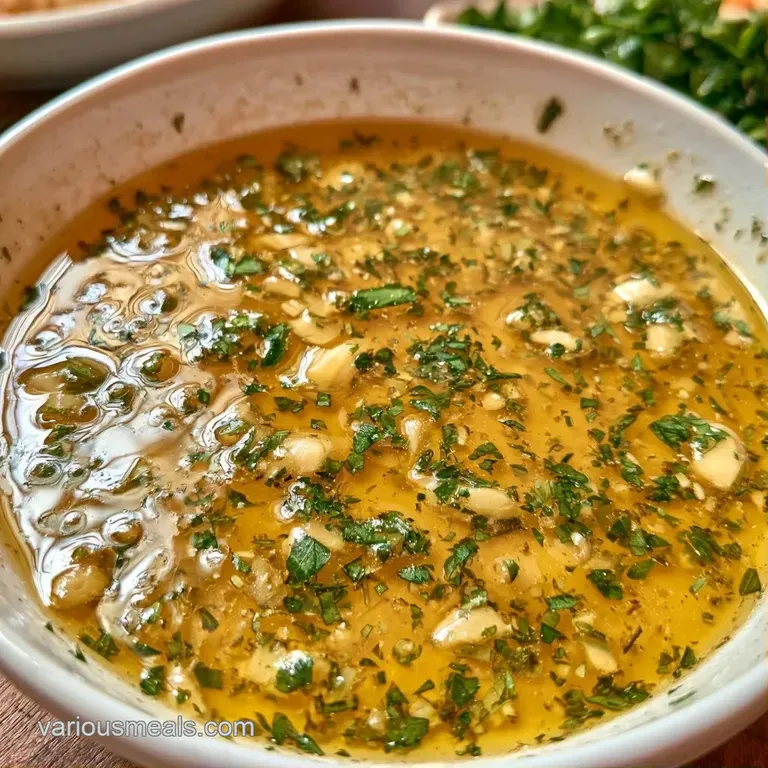
This is a high efficiency recipe. There's no cooking involved, just assembly.
- Prep Time: 5 minutes
- Total Time: 5 minutes
- Yield: 6 servings (about 1.5 tablespoons each)
- Dietary: Vegan, gluten-free, Keto friendly
According to USDA FoodData Central, olive oil is a primary source of monounsaturated fats, which makes this dressing a heart healthy choice when paired with fresh vegetables.
From Prep to Plate
Follow these steps exactly to ensure the dressing stays cohesive.
- Combine the acids. Pour the red wine vinegar, lemon juice, and Dijon mustard into your glass jar. Note: This creates the base for the emulsion.
- Add the aromatics. Stir in the minced garlic, sea salt, and black pepper.
- Dissolve the salt. Stir briefly for 10 seconds until you no longer see salt crystals.
- Add the oil. Pour in the extra virgin olive oil.
- Toss in the herbs. Add the dried oregano and dried basil.
- Seal the jar. Tighten the lid firmly to avoid any leaks.
- Shake it up. Shake vigorously for 30 seconds until the liquid looks opaque and pale yellow.
- Final taste test. Dip a leaf of lettuce into the jar.
- Adjust the zing. Add one more tablespoon of olive oil if it's too sharp, or a squeeze of lemon if it needs more brightness.
Fixing Common Dressing Issues
Even straightforward recipes can have a few glitches. Here are some quick solutions for the usual challenges.
Dressing is Too Acidic
If the vinegar feels too sharp, avoid adding sugar, as it disrupts the authentic Greek flavor. Instead, whisk in another tablespoon of olive oil or a small pinch of salt. Salt helps suppress the perception of acidity, creating a more balanced taste.
Ingredients Are Separating
As a homemade vinaigrette without artificial stabilizers, separation is perfectly normal. If oil pools on top, give the container a quick 5 second shake. If it separates instantly, you might have forgotten the Dijon mustard or failed to shake it long enough to form a proper emulsion.
Garlic Taste is Too Strong
An overpowering garlic flavor is usually the result of an oversized clove. You can mellow the taste by adding a bit more olive oil or a teaspoon of water. In the future, try grating the garlic with a microplane for a smoother integration.
| Goal | What to change |
|---|---|
| Creamier texture | Add 1 tsp of Greek yogurt |
| Tangier punch | Increase red wine vinegar by 1 tbsp |
| Lighter feel | Swap 2 tbsp oil for water |
Storage and Waste Tips
This dressing keeps remarkably well because the vinegar and salt act as natural preservatives.
Refrigeration: Keep the dressing in a sealed jar in the cooler for about 4 days. The olive oil may solidify or look cloudy when cold. This is a natural property of high-quality EVOO. Just let the jar sit on the counter for 5 minutes or run it under warm water, then shake it again.
Zero Waste: Don't toss your lemon halves. After squeezing the juice, zest the peel into a small container and freeze it. You can add this zest to pasta or roasted vegetables later. Also, if you have garlic skins, toss them into a freezer bag for making homemade vegetable broth.
Dietary Adaptations
This Greek Salad Dressing is incredibly versatile and already fits naturally into vegan and keto diets.
To lower the calorie count, you can swap a portion of the olive oil for a splash of water or a bit of apple cider vinegar. Just keep in mind that the oil is essential for carrying the flavor of the dried herbs. For a completely different approach, try a buttermilk ranch if you want a creamier, American-style alternative.
You can also substitute the red wine vinegar with champagne vinegar for a softer, more refined taste. If you need to avoid mustard, a small amount of mashed avocado can serve as a thickener, though this will turn the dressing a light green color.
Perfect Complements
This dressing is ideal for a classic Horiatiki (Greek village salad) containing chunks of feta, Kalamata olives, red onion, tomato, and cucumber.
Beyond salads, it serves as a fantastic marinade for shrimp or grilled chicken. Let the meat soak for 30 minutes prior to grilling; the acidity of the vinegar tenderizes the protein while the oregano imparts a savory, charred scent.
To round out a Mediterranean menu, this pairs wonderfully with a Italian Tomato Salad. It's also delicious drizzled over a bowl of quinoa and steamed spinach or roasted chickpeas for a nutrient-rich lunch.
Recipe FAQs
What ingredients go into this dressing?
Use extra-virgin olive oil, red wine vinegar, lemon juice, Dijon mustard, minced garlic, dried oregano, dried basil, sea salt, and black pepper.
Tip: Use high-quality oil to avoid a bitter aftertaste.
Which dressing is traditionally used for Greek salad?
A simple vinaigrette based on red wine vinegar and olive oil is the standard.
Tip: Ensure the vinegar is the red wine variety for the authentic tangy profile.
How to emulsify Greek salad dressing?
Seal the lid tightly and shake vigorously for 30 seconds until the mixture is cohesive and opaque.
Tip: If you mastered the balance of acidity and salt here, the same flavor principle applies to our fire roasted salsa.
Is it true that a blender is required for a smooth Greek dressing?
That's a myth. A glass jar and vigorous shaking create a perfectly cohesive texture.
Tip: Shaking helps distribute the dried herbs more evenly than blending.
Why does my dressing taste too sharp?
The acidity from the lemon juice or red wine vinegar may be overpowering the other ingredients.
Tip: Stir in an extra tablespoon of olive oil to mellow out the zing.
Does the olive oil solidify in the refrigerator?
This is a natural property of high-quality extra-virgin olive oil when exposed to cold.
Tip: Leave the jar on the counter for 5 minutes before shaking it again.
Must I use fresh basil and oregano for the right flavor?
This one's false: dried oregano and basil provide the concentrated, earthy punch traditional to this style.
Tip: Rub the dried herbs between your palms before adding them to release more oils.
How much time is needed to prepare this?
Total preparation takes exactly 5 minutes from start to finish.
Tip: Prep the garlic first to ensure it is finely minced before adding liquids.
Recipe for Greek Salad Dressing: 5 Min