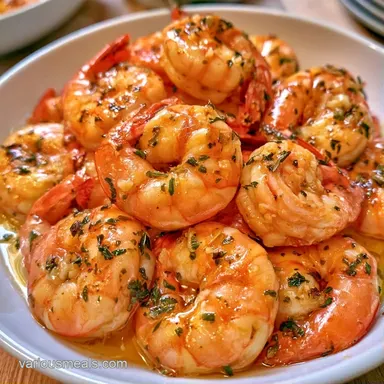
Mediterranean Garlic Shrimp in 20 Minutes
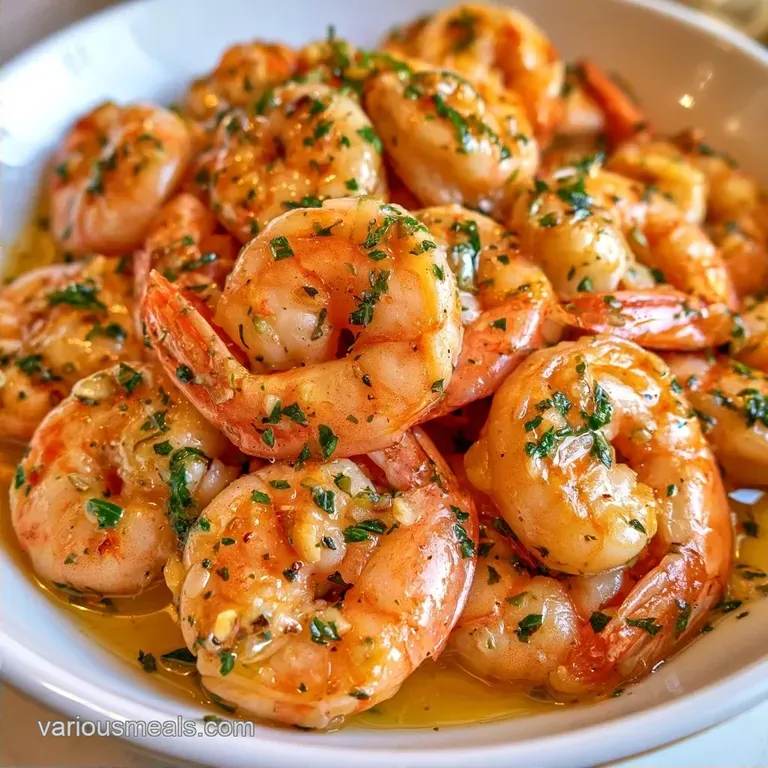
- Time: 10 minutes of prep and 10 minutes of heat
- The Appeal: Zesty lemon butter sauce with salty feta crumbles
- Perfect for: Hectic weeknight meals or a sophisticated date night
The noise of shrimp meeting a scorching cast iron pan is its own kind of symphony. That violent sizzle is the only way to know your pan is ready, saving you from a soggy outcome. I spent a long time battling the "rubber band effect," where shrimp turned tough and chewy the instant they looked ready.
It's a stressful cycle: you either pull them too early out of caution or leave them until they become bouncy balls.
The secret lies in the temperature and the clock. By searing them rapidly and removing them before the sauce is formed, you maintain that signature snap. This recipe offsets the salty weight of feta with a sharp burst of fresh lemon juice, a contrast of heavy and light that keeps the dish vibrant.
You can expect a meal with the soul of a seaside bistro that takes less time than waiting for takeout. It is a colorful combination of red peppers, aromatic garlic, and buttery shrimp that comes together instantly.
This is the best way to prepare Mediterranean Garlic Shrimp without spending your whole evening in the kitchen.
Easy 20 Minute Mediterranean Garlic Shrimp
When you're rushing through a Tuesday evening, you need a win. This recipe delivers exactly that. Most people overcomplicate seafood, but the beauty of this dish is the efficiency. We use a single pan, a few high impact ingredients, and a very specific cooking sequence.
The result is a dish where the shrimp are mahogany brown on the outside but still juicy inside. The red bell peppers add a slight sweetness that cuts through the garlic, while the white wine deglazes the pan to pull up all those brown bits. It's all about those layers of flavor hitting you at once.
If you've never cooked with feta in a warm pan, you're in for a treat. It doesn't fully melt, but it softens just enough to get creamy, adding a tangy saltiness that replaces the need for extra salt in the sauce.
Why This Recipe Works
The Sear Method: Searing the shrimp separately and removing them prevents the proteins from tightening into a rubbery knot while the vegetables soften.
Acid Balance: Adding lemon juice and white wine at the very end cuts through the butter, brightening the heavy fats and making the flavors pop.
Room Temp Prep: Letting the shrimp sit in the marinade for 10 minutes ensures they don't drop the pan temperature too sharply when they hit the oil.
What You'll Need
The ingredients here are focused on bold, Mediterranean profiles. I highly recommend using a high-quality extra virgin olive oil; since it's used in the marinade, you can actually taste the peppery notes of the oil in the finished dish.
| Ingredient | What It Does | Best Swap |
|---|---|---|
| Large Shrimp | Main protein, provides a snap | Prawns or scallops |
| Garlic | Aromatic base, adds pungent heat | Garlic powder (1/4 tsp) |
| Feta Cheese | Adds salty, tangy creaminess | Goat cheese or Cotija |
| White Wine | Deglazes pan, adds acidity | Chicken broth or dry vermouth |
The Full List:
- 1 lb (450g) large shrimp, peeled and deveinedWhy this? Large shrimp hold their shape and don't overcook as fast
- 2 tbsp (30ml) extra virgin olive oil
- 1/2 tsp (3g) sea salt
- 1/4 tsp (1g) cracked black pepper
- 1/4 tsp (1g) dried oregano
- 3 tbsp (42g) unsalted butterWhy this? Creates a rich, velvety emulsion with the lemon
- 4 cloves (20g) garlic, minced
- 1 red bell pepper (150g), thinly slicedWhy this? Adds sweetness and a pop of color
- 1 small shallot (30g), finely diced
- 2 tbsp (30ml) fresh lemon juice
- 1 tbsp (15ml) white wine or chicken broth
- 2 tbsp (10g) fresh parsley, chopped
- 1/4 cup (30g) crumbled feta cheese
Substitution Tips: If you don't have white wine, chicken broth works, but you lose a bit of that sharp, fermented tang. For the feta, goat cheese is a great alternative, though it will melt more into the sauce, making it a bit more like a cream sauce than a crumbled topping.
Tools for the Job
Your choice of cookware is key here. I prefer using a 12 inch cast iron skillet because its superior heat retention ensures a deep brown sear on the shrimp, preventing them from steaming in their own liquid.
A heavy bottomed stainless steel pan is a great alternative if cast iron isn't available. Try to avoid thin non-stick pans, as they typically struggle with the medium high heat needed for searing and won't produce the flavorful browned bits on the bottom.
Additional tools needed: - A keen chef's knife to prep the garlic and shallots - Tongs to flip the shrimp - A small mixing bowl for preparing the marinade - A set of measuring spoons
Cooking the Shrimp
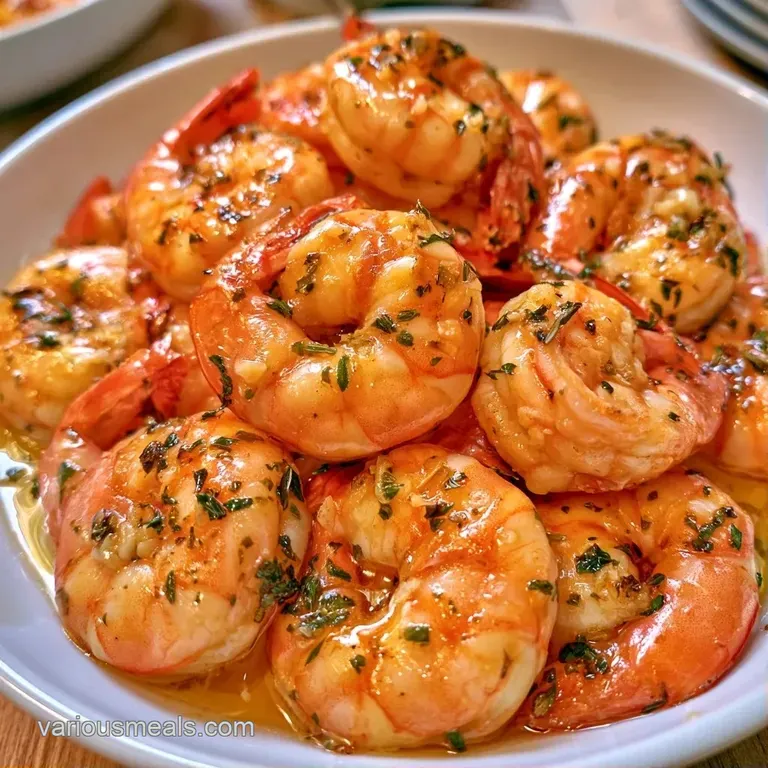
Step 1: Marinate the shrimp. In a small bowl, toss the 1 lb of shrimp with olive oil, salt, pepper, and dried oregano. Let them rest for 5–10 minutes at room temperature.
Note: This prevents the shrimp from being ice cold when they hit the pan, which helps achieve a better sear.
Step 2: Heat the pan. Place your cast iron skillet over medium high heat. It is ready when the surface shimmers or a drop of water skitters across the pan.
Step 3: Sear the shrimp. Arrange the shrimp in a single layer. Let them sear for 2 minutes without stirring until they develop a mahogany crust. Flip them once they curl into a 'C' shape and cook for another 1–2 minutes.
Transfer them to a plate immediately.
Step 4: Sauté the aromatics. Reduce the heat to medium and melt 3 tbsp of butter. Add the diced shallots and sliced red bell peppers. Sauté for 3–4 minutes until the peppers are softened and slightly charred.
Step 5: Add the garlic. Stir in the minced garlic. Sauté for 30 60 seconds until the fragrance fills the room, ensuring the garlic doesn't turn dark brown.
Step 6: Deglaze the pan. Pour in the lemon juice and white wine (or broth). Use a wooden spoon to scrape the browned bits from the bottom of the pan.
Step 7: Combine and glaze. Return the shrimp and any resting juices to the pan. Toss for 1 minute until the sauce coats the shrimp in a glossy glaze.
Step 8: Final touch. Remove from the heat. Garnish with crumbled feta and fresh parsley.
Fixing Common Issues
Texture is the most frequent struggle with Mediterranean Garlic Shrimp. Since shrimp are highly sensitive to heat, leaving them in the pan while you prepare the garlic often results in a rubbery consistency. Follow the "C shape" rule: a 'C' is perfectly succulent, whereas an 'O' means they've been overcooked.
Garlic timing is another critical point. It burns far faster than peppers or shallots; adding it too early creates a bitter taste that overpowers the light lemon profile. Always introduce it at the very end of the sautéing process.
If your sauce is too thin, avoid boiling it while the shrimp are still inside, as this will overcook the protein. Instead, allow the butter and lemon to reduce slightly before adding the shrimp back in.
| Problem | Root Cause | Solution |
|---|---|---|
| Rubbery Shrimp | Overcooked/Cooked too long | Remove at 'C' shape; avoid over tossing |
| Bitter Sauce | Burnt garlic | Add garlic only in the last 60 seconds of sauté |
| Watery Pan | Shrimp were too wet/frozen | Pat shrimp dry with paper towels before oiling |
| Dull Taste | Insufficient acidity | Stir in more fresh lemon juice at the finish |
Tasty Ways to Swap
This recipe serves as an excellent foundation. To create a Mediterranean Garlic Shrimp Pasta, simply boil some linguine or angel hair and toss the cooked noodles into the pan during the final glazing step. The starch from the pasta helps the butter sauce adhere better.
Alternatively, serve this over a bed of fluffy basmati rice or quinoa to soak up the sauce perfectly. For a more vegetable forward meal, stir in baby spinach or zucchini slices during the pepper sauté phase.
For a savory and earthy side, my Chinese Eggplant Garlic Sauce provides a different kind of garlic intensity to complete the meal.
Decision Shortcut:
- For a spicy kick: Add 1/2 tsp red pepper flakes with the garlic.
- For a richer sauce: Stir in 1 tbsp of heavy cream after the lemon juice.
- For a brighter taste: Double the fresh parsley and add lemon zest.
Cooking Method Comparison:
| Method | Heat Control | Crust Quality | Effort |
|---|---|---|---|
| Stovetop | Precise/High | High (Deep Brown) | Active |
| Oven | Uniform/Lower | Moderate (Golden) | Passive |
Storing Your Leftovers
Store Mediterranean Garlic Shrimp in a tightly sealed container in the fridge for up to 2 days. Keep in mind that the parsley may lose its vivid hue and the feta might soften, though the taste remains delicious.
I wouldn't suggest freezing this meal. The lemon and butter emulsion tends to split during the freezing and thawing cycle, potentially leading to a greasy sauce and a mealy shrimp texture. If you need to freeze it, do so with the seared shrimp only and whisk up the sauce fresh.
Zero Waste Tip: Don't toss the shells if you purchased head-on or shell-on shrimp. Boil them in a pot with water, onion scraps, and celery to create a quick shrimp stock. Using this instead of chicken broth in the recipe will provide a much deeper seafood profile.
Serving Your Shrimp
Presentation is simple here because the red peppers and white feta do most of the work. I like to serve this in the cast iron skillet to keep the heat in. It looks rustic and appetizing.
For a full feast, these pair well with Garlic Scalloped Potatoes for a rich, comforting meal. If you want something lighter, a crisp cucumber and tomato salad with a simple vinaigrette balances the richness of the butter.
A piece of crusty sourdough or a warm baguette is non negotiable. You'll want something to soak up that lemon garlic butter left at the bottom of the pan.
How to Actually Nail This
The real trick to this dish is the temperature management. According to USDA guidance, shrimp are safe and cooked once they reach an internal temperature of 145°F, but relying on a thermometer for something this small is tedious. Trust the visual cues: the opaque color and the C curl.
The contrast of the heat from the pan and the cold crumble of the feta creates a dynamic eating experience. The feta provides a silky, salty counterpoint to the charred edges of the shrimp.
Right then, you've got everything you need to get this on the table. It's fast, it's bold, and it doesn't require a culinary degree. Just remember: high heat, don't move the shrimp, and pull them the moment they curl. Trust me on this, and you'll never have rubbery seafood again. Enjoy your Mediterranean Garlic Shrimp!
Recipe FAQs
How to cook shrimp Mediterranean style?
Toss shrimp with olive oil, salt, pepper, and oregano, then sear in a cast iron skillet for 2 minutes per side.
Tip: Flip them only when they curl into a 'C' shape to avoid overcooking.
What is the traditional marinade for garlic shrimp?
A blend of extra virgin olive oil, sea salt, black pepper, and dried oregano serves as the base.
Tip: Let the shrimp sit in this mixture for 5 10 minutes at room temperature before searing.
Which sides pair best with these shrimp?
Serve these shrimp over quinoa or alongside a fresh tomato salad for a light meal.
Tip: Use a crusty baguette to soak up the remaining lemon butter sauce.
Is it true that white wine is the only way to deglaze the pan?
False. Chicken broth works as an excellent substitute to provide the same savory depth.
Tip: Ensure the liquid is at room temperature to avoid shocking the pan.
Can I freeze these shrimp for later?
No, this is a common misconception because freezing breaks the lemon and butter emulsion.
Tip: Freeze the seared shrimp alone and prepare the garlic sauce fresh when ready to eat.
Why did my shrimp become rubbery?
Overcooking usually happens when shrimp are left in the pan too long after they curl.
Tip: Remove them from the heat immediately once the center is opaque.
Must I use a non-stick pan to prevent sticking?
Actually, no. A cast iron skillet provides a superior sear for the shrimp.
Tip: Heat the pan over medium high before adding the oil to create a better crust.
Mediterranean Garlic Shrimp