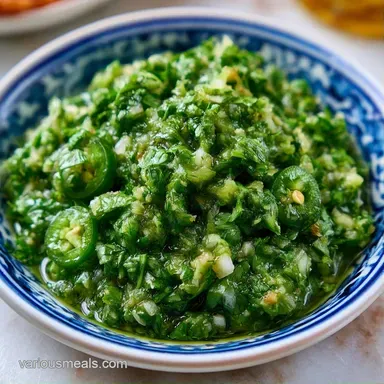
Spicy Jalapeno Cilantro Salsa in 10 Minutes
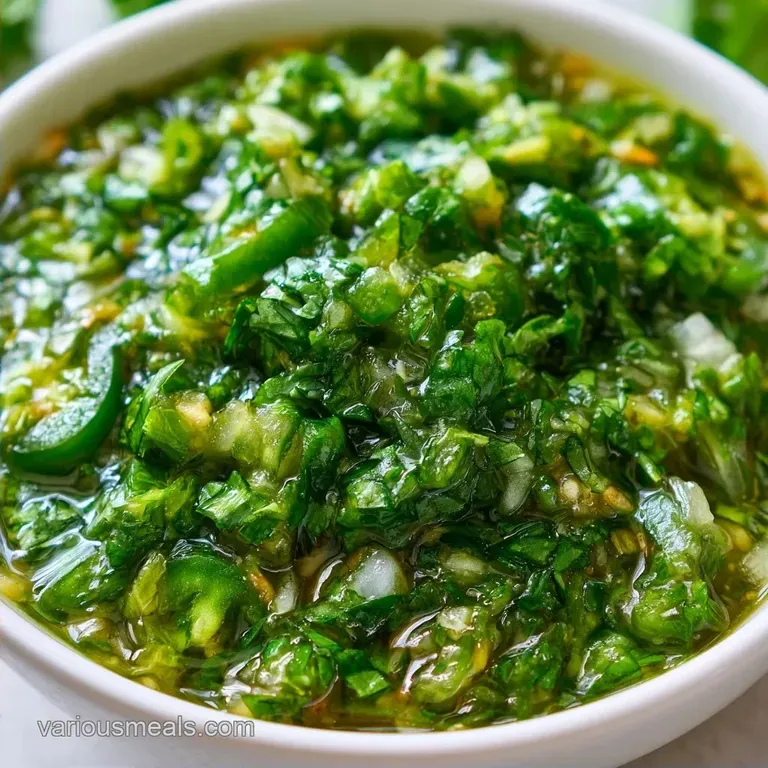
- Time:10 minutes active
- Flavor/Texture Hook: Zesty, punchy, and chunky
- Perfect for: Taco night or a fast appetizer
The sharp, clean scent of freshly chopped cilantro always reminds me of street markets in Mexico. There's something about the way a bright green salsa cuts through heavy grilled meats or salty chips that feels essential. In many Mexican households, these types of fresh salsas aren't just toppings.
They are the center of the meal, designed to wake up the palate with acidity and heat.
I used to think you needed a mortar and pestle for this to taste right. Then I realized a blender, if used correctly, does the job in a fraction of the time without losing that fresh, garden grown feel. You just have to avoid the "smoothie" trap.
This Jalapeno Cilantro Salsa is all about balance. We're hitting the salty, sour, and spicy notes all at once. It's low effort and uses basic ingredients you can find at any corner store, but the results feel like something from a dedicated taqueria.
Jalapeno Cilantro Salsa
Right then, let's get into why this specific combination of ingredients works so well. Most people just throw everything in a blender and hit "high," which is a mistake. That creates a foam. By pulsing, we keep the structure of the onion and pepper intact.
What Actually Makes It Fresh - Citrus Acid: Lime juice breaks down the raw bite of the onion and garlic. - Oil Emulsion: A bit of olive oil carries the fat soluble flavors of the cumin and peppers across your tongue.
| Method | Time | Texture | Best For |
|---|---|---|---|
| Pulse (Fast) | 10 mins | Chunky/Fresh | Chips & Tacos |
| Traditional | 20 mins | Coarse/Rustic | Slow cooked meats |
Ingredient Deep Dive
| Ingredient | What It Does | Best Swap |
|---|---|---|
| Jalapeños | Provides the heat and green base | Serrano peppers (spicier) |
| Fresh Cilantro | Adds the signature citrusy herb note | Flat leaf parsley (milder) |
| Lime Juice | Cuts the heat and adds brightness | Lemon juice (slightly sweeter) |
Quick Recipe Specs
This is a no cook recipe, meaning you can make it even in the hottest summer weather without heating up your kitchen. It's a budget friendly win because most of these items are cheap when bought in bulk.
The total time is exactly 10 minutes. There is no chilling time required, though letting it sit for 15 minutes can help the salt dissolve more fully into the vegetables. If you're in a rush, it tastes great immediately.
Essential Ingredient List
Grab these items before you start. I recommend using a fresh lime rather than the bottled stuff, as the bottled version often has a metallic aftertaste.
- 6 medium jalapeños, stemmed Why this? Provides the bulk of the flavor and heat.
- 3 cloves garlic, peeled Why this? Adds a pungent, savory depth.
- 1/4 cup fresh lime juice Why this? Essential for the zesty tang.
- 2 tbsp extra virgin olive oil Why this? Smooths out the sharp edges of the raw garlic.
- 1 cup fresh cilantro leaves and tender stems, packed Why this? The primary herb profile.
- 1/4 cup white onion, roughly chopped Why this? Adds a crisp, sharp bite.
- 1 tsp kosher salt Why this? Enhances all other flavors.
- 1/4 tsp ground cumin Why this? Adds an earthy, smoky undertone.
- 1/8 tsp cracked black pepper Why this? Adds a subtle, woody heat.
Necessary Kitchen Tools
You don't need any fancy gear here. A standard blender or a food processor works perfectly. If you have a small "bullet" style blender, this recipe fits perfectly in the cup.
Avoid using a full sized food processor if you're making a single batch, as the ingredients might just slide around the bottom without getting chopped. A narrower container keeps the vegetables pushed toward the blades.
Making the Salsa
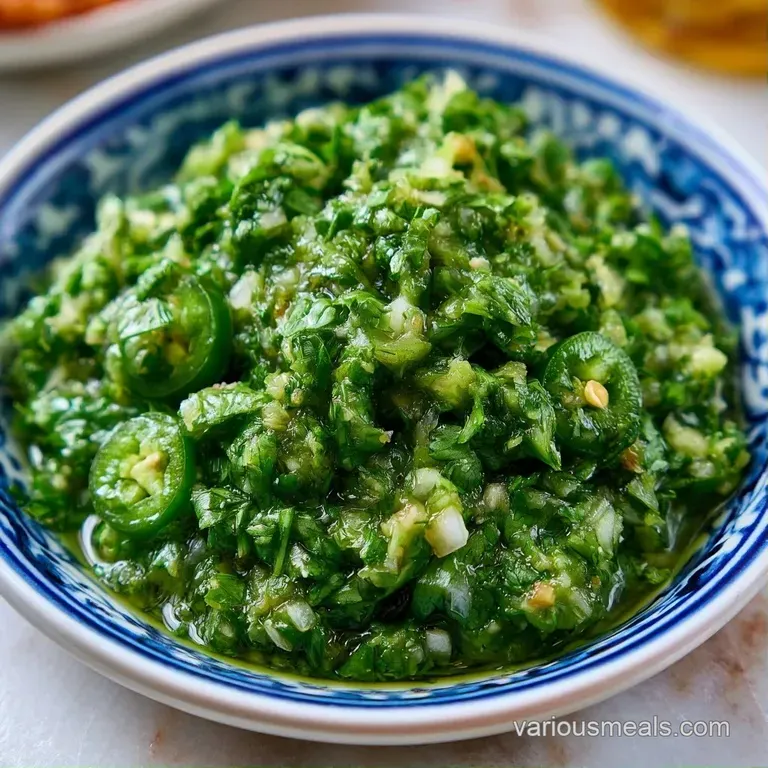
Follow these steps closely. The goal is a coarse chop, not a puree.
- Stem the jalapeños and roughly chop the white onion.
- Place the jalapeños, garlic, and white onion into the blender.
- Use the pulse setting in short 1 second bursts until the vegetables are finely diced but not pureed. Note: This prevents the salsa from becoming watery.
- Add the fresh cilantro, lime juice, and olive oil.
- Add the salt, cumin, and black pepper.
- Pulse 3-5 more times until the cilantro is incorporated and the oil is emulsified.
- Transfer the Jalapeno Cilantro Salsa to a bowl.
- Taste the mixture.
- Adjust seasoning with additional salt or lime juice to taste.
Chef's Note: If you want a milder salsa, slice the jalapeños in half and scrape out the white ribs and seeds before adding them to the blender. Most of the heat lives in those ribs.
Fixing Common Issues
Sometimes the balance can shift depending on the size of your peppers. Jalapeños vary wildly in heat levels, and some cilantro bunches are more potent than others.
Too Much Heat
If the spice is overwhelming, don't just add more lime. Adding a teaspoon of honey or agave syrup can neutralize the capsaicin. You can also stir in a tablespoon of Greek yogurt if you want a creamier version.
Watery Consistency
This usually happens when the blender is run on "high" instead of "pulse." The cell walls of the vegetables break down too much, releasing all their water. According to Serious Eats, maintaining texture in raw salsas is all about minimizing blade contact time.
Dull Flavor
If it tastes flat, you're likely missing salt or acid. Start with another squeeze of lime, then a pinch of salt. These two ingredients act as "volume knobs" for the other flavors.
| Problem | Root Cause | Solution |
|---|---|---|
| Too spicy | Hot peppers | Add honey or a pinch of sugar |
| Too thin | Over blending | Strain some liquid or add more onion |
| Bitter taste | Too many stems | Remove woody stems, add more lime |
If you find you prefer a smoother, more liquid consistency, you might enjoy my homemade salsa recipe which uses different proportions.
Customizing Your Batch
One of the best things about this Jalapeno Cilantro Salsa is how easy it is to tweak. Since it's a raw blend, you can add ingredients without worrying about cooking times.
If you want more depth, try adding a half teaspoon of smoked paprika. This mimics the flavor of roasted peppers. If you want it creamier, blend in a small piece of avocado. This changes the profile to something closer to a crema, which is great for topping fish tacos.
For those who love a bit of sweetness, finely diced mango or pineapple stirred in at the end creates a beautiful contrast with the spicy jalapeños. If you're looking for something even faster, check out this cilantro lime salsa for a similar vibe.
Storage and Waste
Store your salsa in an airtight glass jar in the fridge. It stays fresh for about 5 days. Because of the lime juice, the colors will fade slightly over time, but the flavor actually improves after 24 hours as the ingredients marry.
Do not freeze this recipe. The water in the vegetables will expand and break the emulsion, leaving you with a separated, watery mess once thawed.
To avoid waste, don't throw away the jalapeño stems or the woody ends of the cilantro. Toss them into a freezer bag with other veggie scraps to make a quick vegetable stock later. Also, any leftover onion can be pickled in the leftover lime juice for a quick garnish.
Plating and Serving
For a casual look, serve the salsa in a rustic wooden bowl or a colorful ceramic dish. A few whole cilantro leaves floating on top make it look a bit more put together.
Place a few lime wedges on the side of the plate. This allows your guests to add an extra hit of acidity if they prefer. It also looks great visually.
This recipe pairs well with corn chips, grilled shrimp, or as a marinade for chicken breasts. If you're serving it with chips, make sure the chips are salted, as the salt helps pull the flavors of the salsa out.
Key Method Explanations
Understanding a couple of simple tricks will make your kitchen time stress free. You don't need a degree in food science to get a great result.
The Pulse Technique Pulsing creates an uneven cut. This is intentional. An uneven cut means different sized pieces hit your tongue at different times, which creates a more interesting eating experience than a smooth paste.
Emulsifying the Oil Adding the oil at the end helps it coat the smaller particles of salt and spices. This creates a silky mouthfeel that balances the sharp acidity of the lime.
Managing the Heat The heat in peppers comes from capsaicin. It's an oil, not a water soluble compound. This is why the olive oil in this recipe is so important. It helps distribute the heat evenly so you don't get one "bomb" of spice in a single bite.
Recipe FAQs
How to make jalapeno cilantro salsa?
Stem the jalapeños and roughly chop the white onion. Pulse these with garlic in a blender using 1-second bursts, then add cilantro, lime juice, oil, and seasonings, pulsing 3-5 more times until emulsified.
Is it true that I can freeze this salsa for long term storage?
No, this is a common misconception. Freezing causes water in the vegetables to expand and break the emulsion, leaving you with a separated, watery mess after thawing.
How do I prevent the salsa from turning into a smooth puree?
Use the pulse setting in short 1-second bursts. This technique ensures the vegetables are finely diced rather than completely blended into a liquid.
How long does this fresh salsa stay good in the fridge?
Store it in an airtight glass jar for up to 5 days. The flavor actually improves after 24 hours as the ingredients marry, though colors may fade slightly due to the lime juice.
What is the secret to achieving restaurant quality results?
Emulsify the olive oil and lime juice. Pulsing the oil and acid at the end creates a cohesive, professional mouthfeel that prevents the dressing from separating.
How do I make the salsa consistency thinner?
Increase the amount of lime juice. Pulse the mixture briefly to incorporate the extra liquid without over processing the diced vegetables.
Can I substitute white onion for red onion?
Yes, red onion adds a milder, sweeter flavor profile. For a recipe specifically designed around this ingredient, try our fresh red onion salsa.
Jalapeno Cilantro Salsa