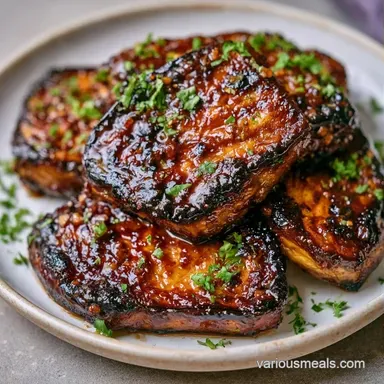
Caramelized Miso Glazed Eggplant
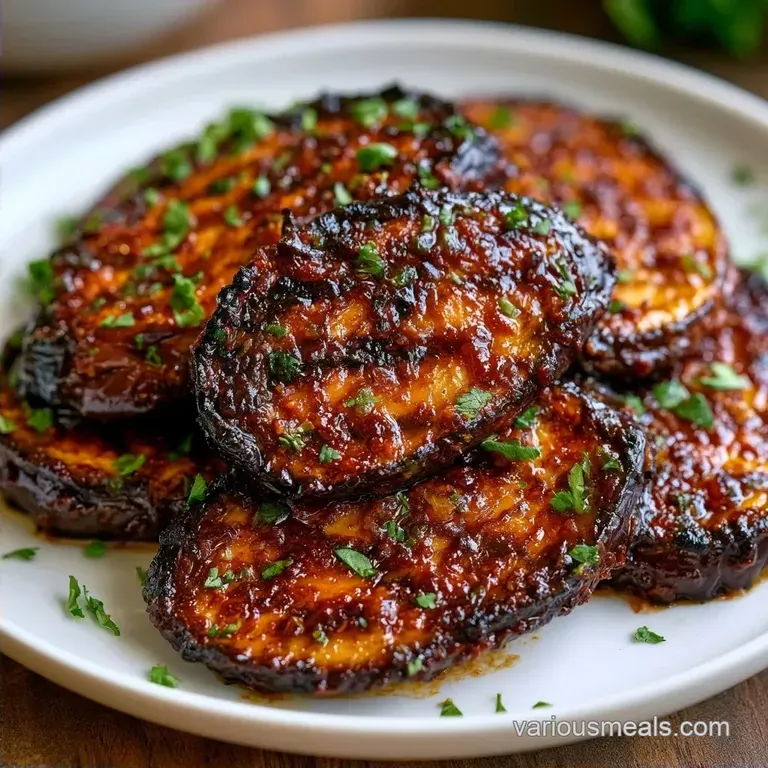
- Time: 5 min active + 30 min cook
- Flavor/Texture Hook: Salty sweet mahogany glaze with a creamy interior
- Perfect for: Weeknight dinners or a bold side dish
There is nothing quite like the scent of miso caramelizing under a hot broiler. That rich, nutty fragrance fills the room and draws everyone to the table instantly. I once believed eggplant merely absorbed oil, but I've learned that only happens when using the wrong variety or method.
Japanese eggplant takes center stage here. Its leaner build and thinner skin prevent the bitter, mealy consistency often found in larger globe eggplants. Combined with a dense, umami-packed glaze, the result is a salty-sweet harmony reminiscent of a gourmet izakaya.
The appeal here lies in the contrasting textures: charred edges, a shimmering glaze, and a center that practically melts in your mouth. It is an efficient way to serve intense, sophisticated flavors without a lengthy preparation process.
Why This Miso Glazed Eggplant Works
Diamond Scoring: Creating a crosshatch pattern ensures the oil and glaze seep deep into the flesh rather than just coating the surface.
The Broiler Finish: The top heating element rapidly caramelizes the sugars in the maple syrup and mirin, resulting in a rich, savory crust.
Umami Layering: While both miso and soy sauce add salt, they do so differently. Miso brings a fermented complexity, while soy provides a sharp, salty kick.
| Eggplant Type | Prep Time | Texture | Best For |
|---|---|---|---|
| Japanese (Fresh) | 5 mins | Creamy/Tender | Glazing & Broiling |
| Globe (Shortcut) | 15 mins | Spongy/Dense | Stews or Roasting |
Now, let's consider the consistency of the mixture. The glaze must be thick enough to adhere to the vegetable without sliding off during the final roast.
Essential Gear for the Job
You don't need professional equipment, but a few basic tools will make this much simpler. Ensure your chef's knife is very sharp for the scoring process to get clean lines without cutting through the skin.
A baking sheet lined with parchment is essential. Because miso glaze contains sugar, it will stick to your pan like glue without a protective layer. I also suggest a small whisk or a fork to ensure the glaze is completely smooth.
What Each Ingredient Does
Before we grab the groceries, it's helpful to know why these specific items are in the mix. The combination of fermented paste and sweeteners is what creates that distinct Japanese profile.
| Component | Purpose | Substitute Notes |
|---|---|---|
| Miso Paste | Salty, fermented base | Soybean paste; white miso is milder |
| Mirin | Glossy sweetness | Dry sherry + 1 tsp sugar |
| Maple Syrup | Caramelization | Honey: slightly floral, more viscous |
| Japanese Eggplant | Lean, creamy vehicle | Italian eggplant: needs salting first |
Now, let's get into the full list. Make sure your miso is fresh and hasn't dried out in the fridge.
The Main Produce
- 2 Japanese eggplants (340g) Why this? Thinner skin and less bitterness than globe varieties
- 1 stalk scallion, sliced
The Umami Glaze
- 3 tbsp miso paste Why this? Provides the salty, fermented core of the dish
- 2 tbsp mirin
- 1 tbsp soy sauce
- 1 tbsp maple syrup
- 1 tsp sesame oil
- 1 tsp ginger, grated
The Finishing Touches
- 2 tbsp vegetable oil
- 1 tsp sesame seeds
Recipe Specs and Timing
This recipe is built for efficiency. Since we're using the oven for most of the heavy lifting, you can prep your side dishes while the eggplants are roasting.
- Prep time: 5 minutes
- Cook time: 30 minutes
- Total time: 35 minutes
- Yield: 2 servings
- Oven Temp: 400°F (200°C)
From Prep to Plate
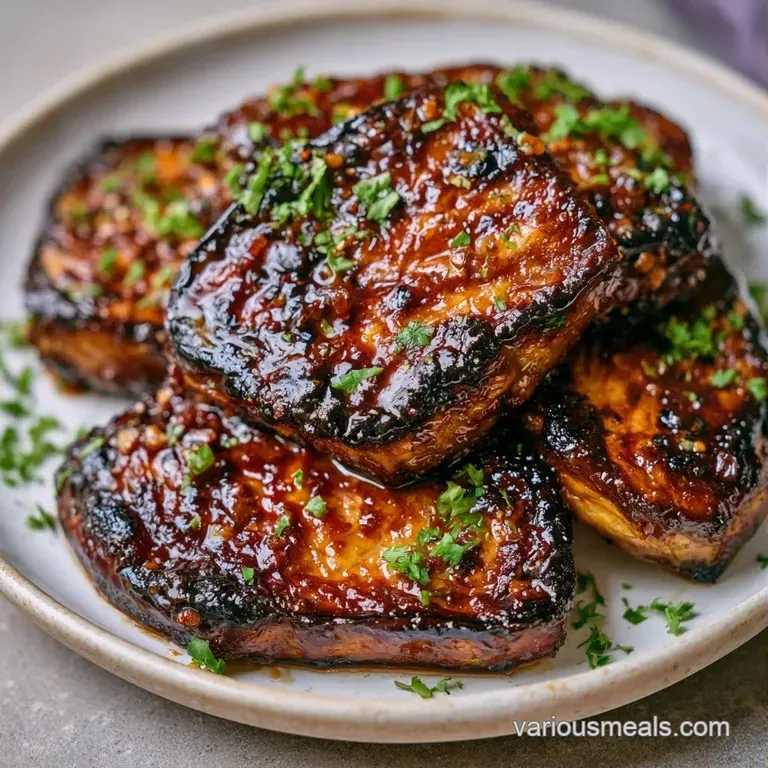
It's time to get cooking. Keep a close eye on the oven during the final stage, as the glaze can go from a rich mahogany to burnt in a matter of seconds.
Phase 1: Preparing the Base
- Cut the eggplants in half lengthwise.
- Score the flesh in a diamond crosshatch pattern, making sure the skin remains intact. Note: This creates channels for the glaze.
- Brush the scored surface with vegetable oil.
- Roast cut side down on a parchment lined tray at 400°F (200°C) for 15-20 minutes until the flesh is tender and gives way under pressure.
Phase 2: Crafting the Glaze
- Whisk together the miso paste, mirin, soy sauce, maple syrup, sesame oil, and grated ginger.
- Mix until the sauce is smooth and glossy.
Phase 3: The Mahogany Finish
- Flip the roasted eggplants so the scored side faces up.
- Spread a thick layer of the miso glaze into the grooves.
- Switch the oven to high broil and move the tray to the top rack for 3-5 minutes until the glaze is bubbling and mahogany brown.
- Garnish with sliced scallions and toasted sesame seeds.
Common Mistakes & Troubleshooting
Even with a straightforward dish, a few things can go sideways. Most of these come down to heat management and eggplant choice.
Glaze Burning Too Fast
Miso has a lot of protein and sugar, which means it scorches quickly. If your broiler is aggressive, move the rack down one notch or check the dish every 60 seconds. If it browns too fast, just pull it out early, the flavor is still there.
Eggplant Being Watery
This usually happens if you use Globe eggplants without salting them first. Japanese eggplants are naturally drier, but if you notice excess moisture, pat the scored side dry with a paper towel before adding the oil.
Glaze Not Penetrating
If the glaze just sits on top, your scoring wasn't deep enough. You want to cut about halfway into the flesh. If you've already roasted them, use a spoon to press the glaze firmly into the gaps.
Storage and Zero Waste
While Miso Glazed Eggplant is ideal when served immediately, you can preserve leftovers if you don't eat them all.
Fridge Storage
Keep them in a sealed container for as long as 3 days. Be aware that the eggplant will lose its structure as the glaze sinks in, turning the dish into more of a savory mash than a roast.
Reheating for Crispness
Steer clear of the microwave to avoid a rubbery texture. Instead, return them to the oven at 350°F (175°C) for 5-10 minutes to restore some of the crispness.
Zero Waste Tips
Don't discard the stems or scallion ends. I typically freeze the scallion scraps in a bag to stir into vegetable stocks for an added aromatic boost.
Creative Twists and Swaps
After mastering the basics, feel free to experiment with the flavors. This recipe serves as a perfect foundation for fusion creations.
- The Air Fryer Shortcut: Roast the oiled eggplant at 400°F (200°C) for 10 minutes, apply the glaze, and then air fry on high for 3-5 minutes.
- Spicy Miso Twist: Mix 1 tsp of Gochujang or Sriracha into the glaze for an extra kick.
- Maple Vegan Swap: While this recipe is already vegan, you can substitute agave nectar for a more neutral sweetness.
- Low Sodium Adjustment: Swap in low sodium soy sauce and reduce the miso by a tablespoon, adding a splash of rice vinegar to maintain the brightness.
For another take on this vegetable, my Chinese Eggplant Garlic Sauce offers a bolder, punchier flavor profile.
Perfect Complements
This dish is rich and salty, so you need something to cut through that intensity. I usually pair it with something clean and acidic.
The Balanced Bowl
Serve this over a bed of steamed short grain white rice. The neutral starch absorbs the extra glaze and balances the salt. A side of pickled cucumbers or a simple cabbage slaw with rice vinegar works brilliantly here.
The Izakaya Spread
If you're hosting, serve this alongside other small plates. It goes great with edamame or a side of oven roasted Eggplant prepared with a different seasoning to show off the vegetable's versatility.
Decision Shortcut
- Extra tang? → fold in 1 tsp lemon zest
- More nuttiness? → double the sesame oil
- Less sweetness? → swap maple syrup for a pinch of brown sugar
Right then, that's how you get a restaurant style result at home. The contrast between the charred, salty top and the silky interior is what makes this Miso Glazed Eggplant a winner. Just keep an eye on that broiler, and you're set.
High in Sodium
890 mg 890 mg of sodium per serving (39% 39% of daily value)
The American Heart Association recommends a daily sodium limit of no more than 2,300 mg for most adults to reduce the risk of cardiovascular disease.
Tips to Reduce Sodium
-
Swap Miso Paste-20%
Use a low-sodium miso paste or reduce the quantity by one tablespoon and replace it with a touch of toasted sesame paste (Tahini) for richness.
-
Lower-Sodium Soy-20%
Replace the soy sauce with low-sodium soy sauce or coconut aminos, which contains significantly less salt.
-
Add Fresh Acidity-10%
Squeeze fresh lime or lemon juice over the finished dish; the acid provides a 'bright' flavor that tricks the palate into needing less salt.
-
Enhance Aromatics
Increase the amount of fresh grated ginger and sliced scallions to add depth and punch without adding any sodium.
Recipe FAQs
How to roast eggplant for this recipe?
Slice lengthwise, score in a diamond pattern, and roast at 400°F for 15–20 minutes.
Tip: keep the skin intact while scoring to hold the shape.
Do I need to peel the skin?
Actually, no. The skin provides essential structure and becomes tender during roasting.
Tip: scrub the skin well under cold water before slicing.
Prevent soggy texture how?
Score the flesh deeply and roast at a high temperature to evaporate moisture.
Tip: ensure your roasting tray is parchment-lined to prevent sticking.
Is it true you must deep fry eggplant?
False. Roasting at 400°F then broiling the glaze creates a mahogany crust without the grease.
Tip: broil on the top rack for the most intense caramelization.
What makes the glaze glossy?
Whisk together the mirin, maple syrup, and sesame oil until smooth.
Tip: ensure the miso paste is fully incorporated to avoid lumps.
What to do with overripe eggplant?
Puree it into a dip or roast it until very soft for a mash.
Tip: check for soft spots and remove any bruised areas before cooking.
Creative ways to reuse leftovers?
Dice the leftovers and toss them into a grain bowl or a cold salad.
Tip: if you prefer a cheese-heavy version, try a baked eggplant dish instead.
Handle a gifted eggplant how?
Wash it thoroughly and store it in a cool, dry place until you are ready to slice.
Tip: avoid refrigerating whole eggplants as they can develop chill spots.
Miso Glazed Eggplant in 30 Minutes