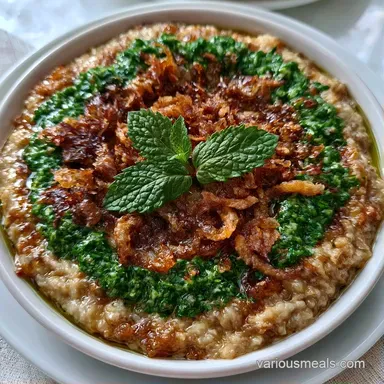
Persian Eggplant Dip with a Tangy Twist
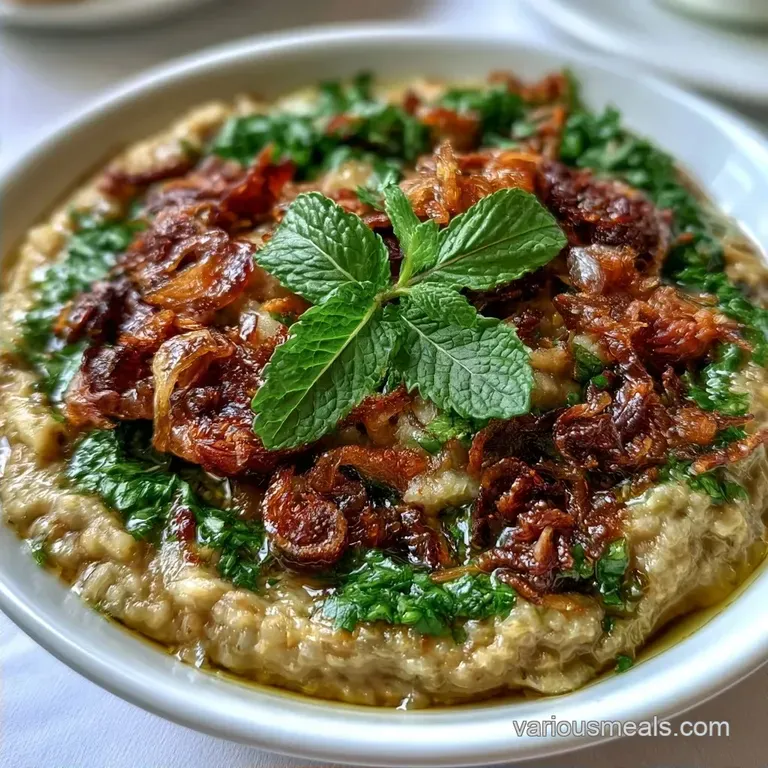
- Time: 20 min active + 30 min cook
- Flavor/Texture Hook: Smoky, creamy, and tangy
- Perfect for: Healthy meal prep or party platters
Making the Best Persian Eggplant Dip
The scent is the first thing you notice, a rich, charred eggplant aroma blended with the tangy, fermented notes of kashk. While it might seem similar to baba ganoush, this dip has a unique, salty, cheese-like intensity that overshadows other appetizers.
My early attempts at home were a disaster because I boiled the eggplant, which left me with a tasteless, watery, grey mash. I soon realized that intense heat is non-negotiable; the flesh must collapse completely to reach the ideal texture for a Persian Eggplant Dip.
This dish is a study in contrast: the earthiness of the aubergine, the brightness of the fermented whey, and the pop of sweet pomegranate. Despite using basic pantry staples and being very affordable, the result feels truly elegant.
Once kashk becomes a staple in your fridge, you'll discover endless ways to incorporate it into your cooking.
Why This Dip Works
High Heat Roasting: Cooking at 425°F breaks down the eggplant fibers quickly, which prevents the dip from becoming watery.
Fermented Tang: The kashk provides a salty, acidic profile that cuts through the fat of the oil and walnuts.
Textural Contrast: Adding pomegranate seeds and toasted walnuts at the end prevents the dip from feeling one dimensional.
| Method | Time | Texture | Best For |
|---|---|---|---|
| oven roasted | 50 min | Creamy/Chunky | Authentic flavor |
| pan fried | 30 min | Softer/Oily | Quick weeknights |
Ingredient Deep Dive
The ingredients here aren't just for flavor; they each play a specific role in the structure of the dip. According to USDA FoodData, eggplants are low in calories but high in fiber, making this a great plant forward option.
| Component | Purpose | Substitute Notes |
|---|---|---|
| Eggplant | Main body | Zucchini: More watery, less smoky |
| Kashk | Tang and salt | Greek yogurt + lemon: Less funky, milder |
| Walnuts | Earthy crunch | Almonds: Lighter flavor, same crunch |
| Pomegranate Molasses | Sweet acidity | Balsamic glaze: Similar profile, slightly sweeter |
Shopping List Breakdown
Gather these items before you start. I recommend getting the largest eggplants you can find, as they have more flesh and fewer seeds.
- 2 large eggplants (300g) Why this? Large ones provide a meatier texture.
- 2 tbsp olive oil
- 1/2 tsp salt
- 1 medium yellow onion, finely diced
- 3 cloves garlic, minced
- 1 tsp ground turmeric Why this? Adds a warm, golden hue.
- 1 tbsp dried mint
- 2 tbsp vegetable oil
- 1/2 cup kashk (fermented whey) Why this? Essential for the authentic salty tang.
- 1/4 cup walnuts, chopped
- 2 tbsp pomegranate molasses
- 1/4 cup pomegranate seeds
- Fresh mint leaves
For a budget-friendly alternative to kashk, you can mix thick Greek yogurt with a pinch of salt and a teaspoon of lemon juice. It won't have that same fermented "funk," but it works in a pinch.
Essential Kitchen Tools
Basic equipment will work fine, though a few specific tools simplify the process. A reliable skillet is essential, ideally one that manages medium heat without burning.
- Baking sheet with parchment paper
- Sharp chef's knife
- Medium skillet (such as an All Clad or Lodge)
- Fork or potato masher
- Small mixing bowl
Should you lack parchment paper, grease your tray thoroughly. Otherwise, the eggplant skin often sticks, leaving you with a tedious cleanup.
Bringing It Together
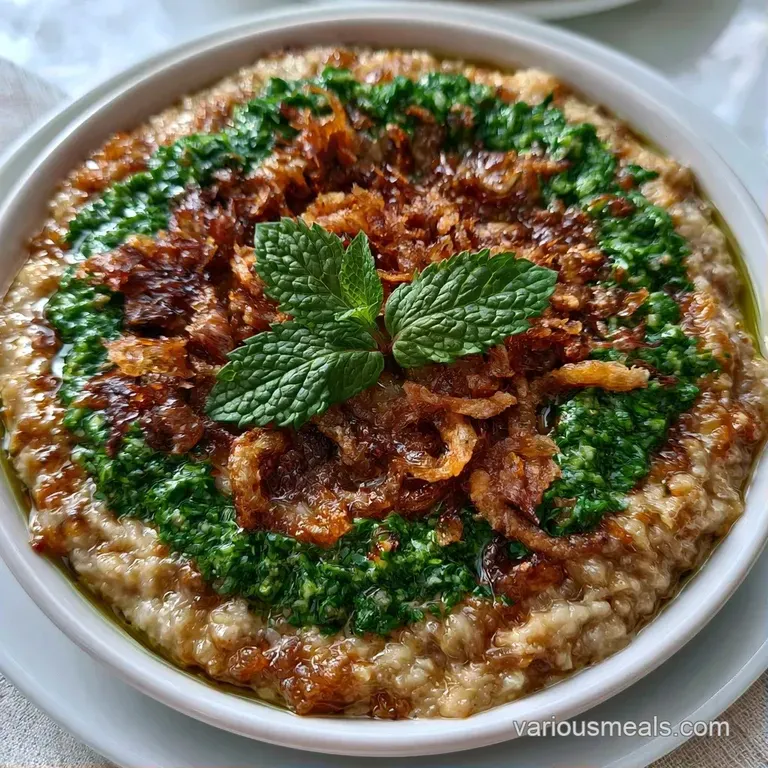
Let's dive in. Success with this recipe depends on the order of steps. Don't hurry the onions, as it affects the overall flavor profile.
Roasting the Eggplants
Preheat your oven to 425°F (220°C). Slice the eggplants in half lengthwise and score the flesh in a crosshatch pattern. Brush the cut sides with olive oil and a pinch of salt, then place them cut side up on a parchment-lined tray.
Roast for 20-25 minutes until the flesh is collapsed and tender.
Building the Aromatic Base
Warm vegetable oil in a skillet over medium heat. Sauté the diced onions until they are deep golden brown, which usually takes 8-10 minutes.
Stir in the turmeric and minced garlic, cooking for an additional 2 minutes until the smell is nutty and fragrant.
Folding in the Tang
Scoop the roasted flesh out of the skins with a spoon and add it to the skillet. Use a fork to mash the eggplant into a chunky paste. Stir in the kashk and dried mint, mixing until the dip is uniform and creamy. Remove from the heat immediately.
Plating and Garnishing
Spoon the Persian Eggplant Dip onto a shallow plate. Drizzle pomegranate molasses in a swirl on top. Garnish with pomegranate seeds, toasted walnuts, and a few fresh mint leaves for color.
Chef's Note: To maximize the flavor of the walnuts, toss them in a dry pan for 3 minutes before adding them to the dish. This releases natural oils that complement the kashk.
Avoiding Kitchen Disasters
Even straightforward dishes can have hiccups, usually relating to how you manage moisture.
Fixing Watery Dip
If the consistency is too thin, the eggplant likely needed more roasting time or the onions released too much juice. Simmer the mixture on low heat for another 5 minutes to evaporate the extra liquid and thicken the base.
Reducing Bitterness
Older eggplants can sometimes taste bitter. To avoid this, ensure you use only the soft flesh. If some skin ends up in the mash, stir in an additional teaspoon of pomegranate molasses to balance the flavor.
Managing Kashk Separation
Boiling the mixture can cause the kashk to separate, which is why you should take the pan off the heat immediately after stirring it in. If separation occurs, vigorously whisk in more kashk or a tablespoon of warm water to bring it back together.
Preventing Grainy Texture
A grainy feel usually stems from onion pieces that are too large. For future batches, try dicing them smaller. In the meantime, pulse the dip in a food processor for 2-3 seconds, taking care not to turn it into a smooth puree.
Mix It Up
Feel free to customize this recipe to suit your taste. If you want a completely different flavor profile using similar produce, my Chinese Eggplant Garlic Sauce is another fantastic option.
Making it Vegan
To create a plant-based version, substitute the kashk with a mix of vegan Greek yogurt and a pinch of nutritional yeast. The yeast helps mimic the savory, fermented depth of the original kashk.
Enhancing the Smokiness
For a more rustic touch, char the eggplant over a gas flame before you roast it. This adds a smoky dimension that pairs perfectly with the dried mint.
Varying the Crunch
If you aren't a fan of walnuts, try using pumpkin seeds or toasted pine nuts instead. These alternatives offer a different nuttiness that keeps the Persian Eggplant Dip interesting.
Balancing the Sweetness
Mix a teaspoon of maple syrup or honey into the pomegranate molasses. This creates a thicker glaze that provides a great contrast to the salty kashk.
| Goal | What to change |
|---|---|
| More Tang | Add 1 tbsp lemon juice |
| Thicker Dip | Roast eggplant 5 mins longer |
| Milder Taste | Reduce turmeric by half |
Preservation Guidelines
This dip stores beautifully, making it a perfect choice for meal prepping. Use an airtight glass container to ensure the flavors don't pick up other scents from the fridge.
Refrigeration
The Persian Eggplant Dip stays fresh for 4 days. Because the tastes intensify after a night in the cold, prepping it a day ahead is a great strategy.
Reheating the Dip
It can be served cold, but warming it up is recommended. Transfer the dip to a small oven-proof dish and heat at 300°F for 10 minutes. Skip the microwave if you can, as the kashk may split and the oil might separate.
Freezing Warning
I suggest avoiding the freezer for this recipe. The pomegranate molasses and kashk don't freeze effectively, leaving the texture grainy after thawing. Stick to refrigerated storage.
Sustainable Tips
Save those eggplant skins. They are wonderful for composting, or you can dry and grind them into a powder for garden fertilizer. Additionally, toss any extra pomegranate seeds into a Tomato Mint Onion Salad for a pop of color.
Pairing Ideas
This is a heavy, savory dip, so you need something bright to balance it out. I love serving it as part of a Mediterranean Mezze Platter with other small bites.
Bread Options Warm pita or naan is the classic choice. If you want something healthier, use sliced cucumbers or bell pepper strips. The crunch of the raw veg works well with the creamy dip.
Protein Pairings Grilled lamb skewers or roasted chickpeas make this a full meal. The acidity of the kashk acts like a sauce for the meat, cutting through the richness.
Side Salads A simple greenery with a lemon vinaigrette is best. Avoid anything too creamy, as you already have that in the dip. A side of fresh radish and carrots adds a peppery snap that wakes up the palate.
Common Kitchen Myths
Searing seals in flavor You'll often hear that searing the eggplant "locks in" the juices. It doesn't. Searing creates flavor through browning, but moisture loss happens regardless of the heat. The goal here is flavor and texture, not "sealing."
Eggplant must be salted and drained Some recipes tell you to salt eggplant for an hour to "draw out bitterness." With modern cultivars, this is rarely necessary. Roasting at 425°F handles the moisture and bitterness much more efficiently.
Kashk is just sour cream While they look similar, kashk is a fermented whey product. It has a much deeper, saltier, and more pungent profile. Substituting sour cream will give you a different dish entirely, though it's still edible.
The Persian Eggplant Dip is a lesson in how a few simple ingredients can create something complex. By focusing on the roast and the balance of the fermented whey, you get a dish that's healthy, budget-friendly, and full of character. Just remember to keep the heat high and the kashk away from the boil, and you're set.
Recipe FAQs
What ingredients define the flavor of this dip?
Roasted eggplant, kashk, and pomegranate molasses. The kashk provides a salty, fermented tang that distinguishes this dish from other Mediterranean spreads.
Is it true that this dip is essentially the same as baba ganoush?
Actually, no. While both use eggplant, this version replaces tahini and lemon with fermented whey (kashk) and turmeric for a completely different profile.
How to roast the eggplant for maximum smokiness?
Preheat your oven to 425°F (220°C). Halve the eggplant, score the flesh, brush with olive oil, and roast cut-side up for 20–25 minutes until tender.
Is roasting better than frying for this recipe?
Yes, roast for the best results. High heat breaks down the fibers quickly, preventing a watery texture and adding a rich, charred aroma.
Which side dishes pair best with this appetizer?
Fresh, acidic salads balance the richness. This dip pairs beautifully with a tomato feta salad to cut through the creamy kashk.
Do I need to boil the eggplant to soften it?
This one's false: Boiling often results in a watery, grey mess. Roasting at 425°F is the only way to achieve the proper collapse in the flesh.
Persian Eggplant Dip for 4 Servings