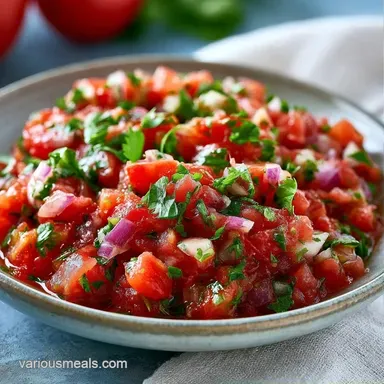
Classic Salsa Mexicana: Smoky and Chunky
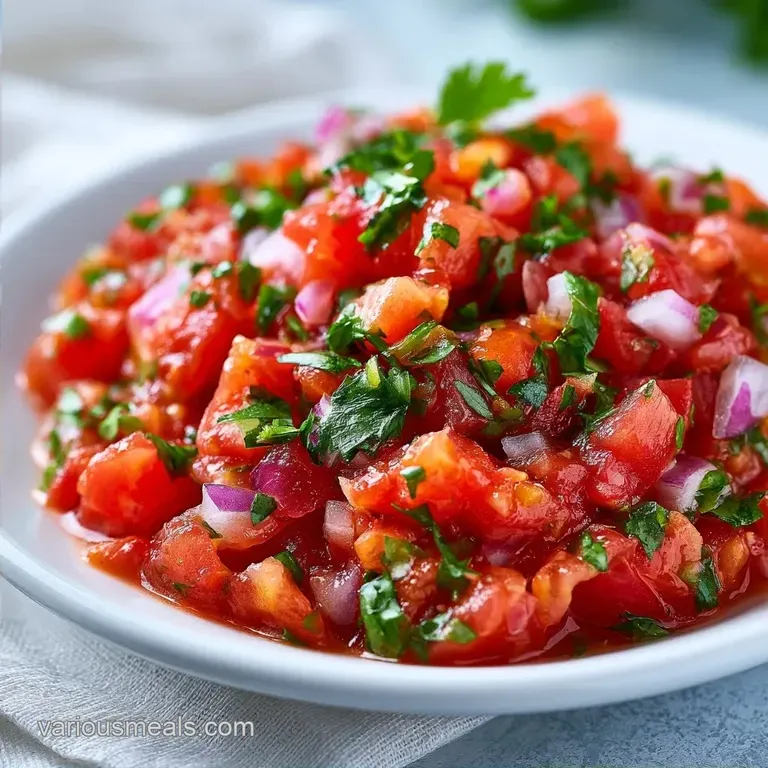
- Time: 10 min active + 15 min cooking
- Flavor/Texture Hook: Smoky, chunky, and bright
- Perfect for: Quick appetizers or taco nights
Ever wonder why restaurant salsa tastes smoky even when "smoked" isn't in the name? The answer is in the blister. When you hit a tomato with a hot cast iron pan, the skin chars and the insides soften, creating a depth you just can't get from raw veg.
I used to buy the jars from the store, but they always felt like flavored water. They lacked that punchy, fresh kick. Making your own Salsa Mexicana is surprisingly low effort and tastes a thousand times better because you control the heat.
You only need one pan and a blender for this. It's a simple process that delivers a result that feels fancy but takes less than half an hour. Let's get into it.
Salsa Mexicana Recipe Specs
This version focuses on a balance of heat and acidity. We use Roma tomatoes because they have less water, which prevents the sauce from becoming runny. According to Serious Eats, the lower moisture content in Romas makes them ideal for roasting and blending.
The result is a chunky, vibrant condiment that works with almost anything. It's a great introduction for beginners who want to try making their own condiments from scratch.
Decision Shortcut: If you want more heat, leave the jalapeño seeds in. If you want it smoother, pulse the processor for 3 more seconds. If you want more tang, add an extra squeeze of lime.
Why This Works
Dry Charring: High heat browns the skins and sugars, which adds a smoky depth without adding liquid. The Pulse Method: Using short bursts keeps the chunks distinct so it isn't a puree.
| Style | Prep Time | Flavor Profile | Best For |
|---|---|---|---|
| Roasted | 25 min | Smoky & Deep | Party appetizers |
| Raw | 10 min | Bright & Crisp | Quick snacks |
The Shopping List Breakdown
What Each Ingredient Does
| Ingredient | What It Does | Best Swap |
|---|---|---|
| Roma Tomatoes | Base & Acidity | Fire roasted canned tomatoes |
| Jalapeños | Heat & Depth | Serrano peppers (hotter) |
| Lime Juice | Brightness | Lemon juice |
Full Ingredients: 4 large Roma tomatoes (680g) Why this? Less water, more meat 1/2 medium white onion (85g) Why this? Sharp, clean bite 3 cloves garlic (15g) Why this? Pungent base 2 jalapeño peppers
(56g) Why this? Classic medium heat 1/4 cup fresh cilantro (15g) Why this? Herbal freshness 1 tbsp fresh lime juice (15ml) Why this? Cuts through the smoke 1 tsp kosher salt (6g) Why this? Pulls
Flavors together
Essential Equipment Needed
You don't need a kitchen full of gadgets for this Salsa Mexicana. A heavy cast iron skillet is the best tool because it holds heat evenly and creates those black blister marks. If you don't have one, a stainless steel pan works, though you might need to move the veg more often.
For the blending, a food processor is ideal. You can use a blender, but be careful. Blenders tend to liquefy things too quickly, and we want a chunky texture.
Finally, a simple mixing bowl and a spoon for the final fold. Keeping it minimal makes the cleanup stress free.
The Cooking Process
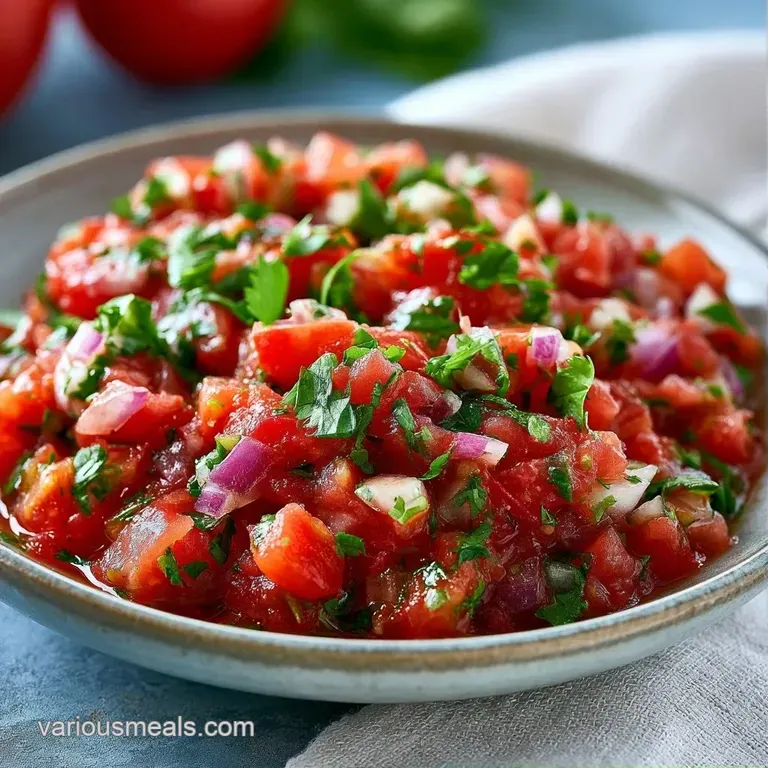
- Heat a dry cast iron skillet over medium high heat. Note: Don't add oil; we want a dry char.
- Place the tomatoes, onion chunks, garlic cloves, and jalapeños in the pan.
- Use tongs to turn them occasionally for 8-12 minutes until the tomato skins are blistered and blackened spots appear.
- Transfer the charred vegetables into a food processor.
- Use the pulse button in short 1 second bursts until the mixture is integrated but still chunky.
- Pour the pulsed mixture into a bowl.
- Stir in the chopped cilantro by hand. Note: This keeps the herb flavor bright.
- Add the lime juice and salt.
- Stir one last time to combine.
This Salsa Mexicana tastes great immediately, but letting it sit for 10 minutes helps the salt penetrate the vegetables.
Fixing Common Problems
If your salsa turns out too watery, it's usually because the tomatoes had too much juice or were blended too long. To stop this, you can strain some of the liquid or simply pulse less.
Another issue is excessive heat. If the jalapeños were particularly spicy, the salt and lime can help, but adding a bit more tomato or a pinch of sugar can balance it out.
Finally, a dull flavor usually means it needs more salt or acid. Don't be afraid to taste and adjust at the end.
| Problem | Root Cause | Solution |
|---|---|---|
| Too Watery | Over blending | Pulse less next time |
| Too Spicy | Jalapeño seeds | Remove seeds before charring |
| Bland Taste | Low salt/acid | Add extra lime and salt |
Creative Twists and Swaps
If you want to change the vibe of your Salsa Mexicana, try adding a chipotle pepper in adobo. This gives it a deeper, more concentrated smokiness. For those who prefer something less spicy, replace the jalapeños with red bell peppers.
For a fruity version, you can stir in some diced mango or pineapple after the blending step. This works brilliantly if you're serving it with fish tacos. You might also like my Fire Roasted Tomato Salsa for a similar but slightly different charred profile.
If you have a garden full of veggies, a Garden Tomato Salsa is a great way to use up a harvest. Just remember that garden tomatoes are often juicier, so you may need to roast them longer.
Storage and Freshness
Store your Salsa Mexicana in an airtight glass jar in the fridge. It stays fresh for about 5 days. You'll notice the flavors actually get better after 24 hours as the lime and salt meld with the charred veg.
I don't recommend freezing this. The water in the tomatoes expands and breaks the cell walls, which makes the texture mushy once it thaws. It's just not worth the loss in quality.
To avoid waste, use the other half of your white onion in a salad or a stir fry. If you have cilantro stems, chop them finely and add them to the food processor during the pulse phase. They hold a lot of flavor that usually goes in the bin.
Serving and Enjoying
The most obvious choice is thick corn chips. A chunky Salsa Mexicana is built for dipping. But don't stop there. It's a great topper for grilled chicken, blackened fish, or even a morning omelet.
For a full spread, pair this with a Cilantro Lime Salsa to give your guests two different flavor profiles. One is smoky and deep, the other is bright and zesty.
If you're serving it at a party, keep it chilled. A cold salsa contrasts beautifully with hot chips or warm tacos.
Why This Recipe Works
This Salsa Mexicana is a winner because it balances the heavy, charred notes of the roasted veg with the sharp acidity of fresh lime. It doesn't require any fancy technique, just a hot pan and a bit of patience.
It's a low effort way to bring something authentic to the table without spending hours in the kitchen. Most people overthink their salsa, but the trick is simply getting that sear right on the vegetables.
Whether you're a beginner or a seasoned cook, this version is stress free and reliable. It's a staple that belongs in every home cook's rotation because it's just that simple.
Recipe FAQs
What defines a traditional Mexican salsa like this one?
The use of charred vegetables and fresh acids. Searing the tomatoes and aromatics creates a smoky depth that balances the brightness of fresh lime juice and cilantro.
Can this salsa help lower cholesterol?
Yes, it generally can. Since it consists of fresh vegetables and contains no saturated fats or added sugars, it is a heart healthy condiment choice.
What type of salsa do most Mexican restaurants use?
Usually a roasted red salsa. Most establishments rely on charred tomatoes, garlic, and peppers to achieve that signature depth, similar to a fire roasted variety.
How to make salsa mexicana?
Char tomatoes, onion, garlic, and jalapeños in a skillet over medium high heat for 8 12 minutes. Pulse the charred vegetables in a food processor in 1-second bursts, then stir in cilantro, lime juice, and salt by hand.
How to achieve a restaurant quality texture?
Pulse in short, 1-second bursts. Avoiding a continuous blend ensures the salsa retains small, distinct chunks rather than becoming a smooth puree.
Is it true that I should blend the cilantro and lime juice in the food processor for better flavor?
No, this is a common misconception. Stirring these in by hand preserves the bright color and fresh flavor profile that would otherwise be muted by the blades.
Can I freeze this salsa to save it for later?
No, stick to refrigeration. Freezing causes the water in the tomatoes to expand and break cell walls, resulting in a mushy texture upon thawing.
Authentic Salsa Mexicana