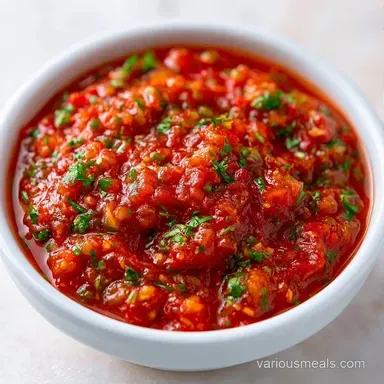
Restaurant Quality Blender Red Salsa
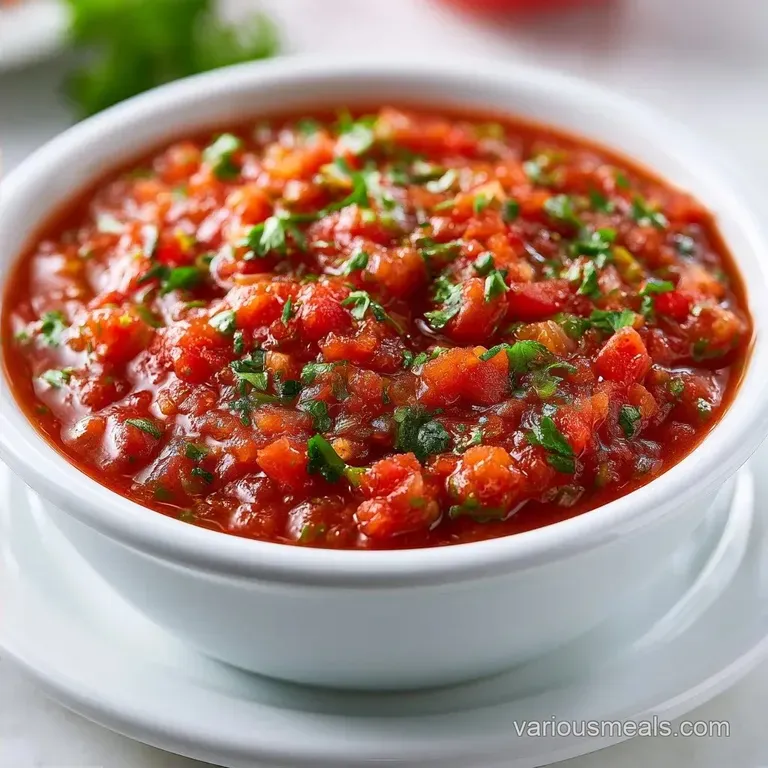
- Time: 5 min active
- Flavor/Texture Hook: Tangy, zesty, and chunky
- Perfect for: Taco Tuesday or a stress free party appetizer
Easy Homemade Red Salsa
Ever wonder why some salsas taste like a tin can while others taste like a street cart in Mexico City? I spent a while trying to figure that out. I used to think you needed a charcoal grill to get that deep, smoky flavor, but I realized a few smart additions to a blender can get you almost there.
The trick is all in the pulse. I remember my first attempt where I just hit "liquefy" and ended up with a smooth tomato soup. It was an embarrassing mistake, but it taught me that texture is what makes or breaks a dip.
This Red Salsa is a low effort way to get a bright, zingy topping. It's stress free, budget friendly, and doesn't require you to turn on a single burner.
Things You Should Know
The Pulse Method: Using short bursts keeps the vegetables chunky. If you blend too long, you lose the bite and get a puree.
Citrus Balance: Canned tomatoes can be a bit flat. Adding fresh lime juice cuts through that "canned" taste and wakes up the other flavors.
| Method | Prep Time | Texture | Best For |
|---|---|---|---|
| Fresh Roasted | 30 mins | Charred/Thick | Special Dinners |
| Blender (This) | 5 mins | Chunky/Fresh | Quick Weeknights |
Basic Recipe Specs
This version focuses on speed. Since it's a no cook recipe, the flavors are bright and raw. It's a great starter for beginners who want a restaurant quality blender salsa without the fuss.
The yield is generous, making 16 servings. It's a budget smart choice because canned tomatoes are cheaper and more consistent than fresh ones, especially during winter.
Why These Ingredients Work
| Ingredient | What It Does | Best Swap |
|---|---|---|
| Tomato Paste | Adds deep red color and thickness | Extra tomato puree |
| Jalapeños | Provides the primary heat | Serrano peppers (spicier) |
| Lime Juice | Adds brightness and acidity | Lemon juice (less authentic) |
Right then, let's look at what you'll need. I've kept this list simple so you don't have to run to three different stores.
- 28 oz canned crushed or diced tomatoes Why this? consistent texture and budget friendly
- 1 tbsp tomato paste Why this? boosts the rich color
- 1/2 cup white onion, roughly chopped Why this? provides a sharp bite
- 3 cloves garlic, peeled Why this? essential aromatic base
- 2 jalapeños, stems removed Why this? classic heat source
- 1/2 tsp ground cumin Why this? adds an earthy note
- 1/4 cup fresh lime juice Why this? cuts the canned flavor
- 1/2 cup fresh cilantro, stems removed Why this? fresh, herbal finish
- 1 tsp kosher salt Why this? brings out all flavors
- 1/4 tsp black pepper Why this? subtle woody spice
Essential Blender Tools
You don't need a fancy high end machine for this. A basic blender or even a food processor works. I use a standard blender, but make sure it has a pulse setting.
A rubber spatula is a must. It helps you scrape the garlic and onion off the sides so everything blends evenly. If you don't have one, a sturdy spoon will do, though it's a bit more clunky.
Making the Blend
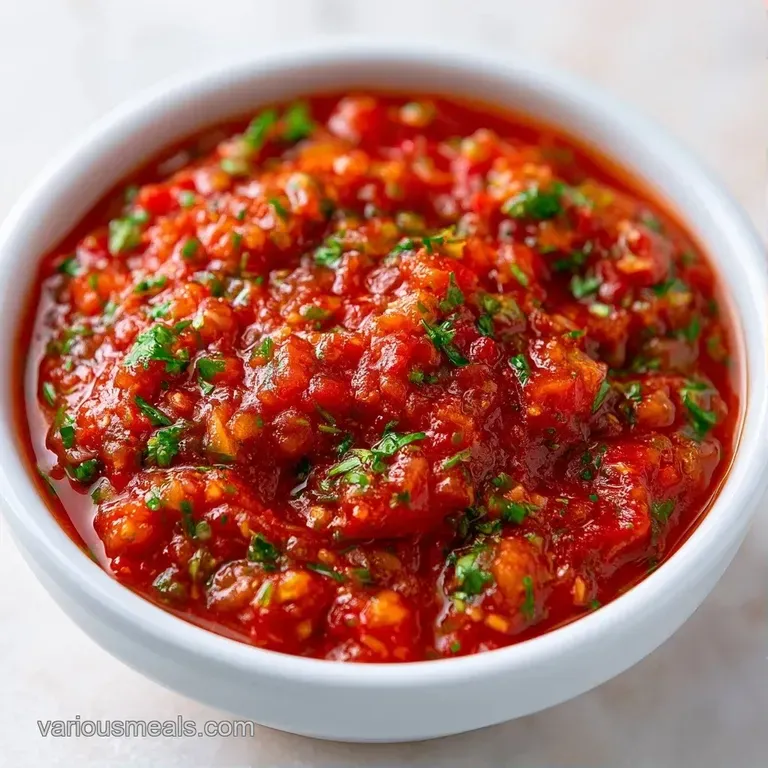
Let's crack on with the actual assembly. Trust me on the pulsing - don't just hold the button down.
- Roughly chop the onion and jalapeño, peel the garlic cloves, and gather the fresh cilantro.
- Place the onion, garlic, jalapeño, and cumin in the blender. Pulse 3 4 times until finely minced.
- Add the canned tomatoes, lime juice, and salt. Pulse in short 1 second bursts until the mixture is slightly chunky.
- Add the fresh cilantro.
- Pulse for the final 5 seconds until the cilantro is flecked but still green.
- Use a spatula to scrape down the sides.
- Give it one final quick pulse to combine everything.
Chef's Note: If you want a more intense heat, leave the seeds in the jalapeños. For a milder version, scrape the seeds out with a spoon before chopping.
Common Fixes
The biggest issue people have with a Blender Red Salsa is the consistency. If it looks like a smoothie, you've gone too far. You can't "un blend" it, but you can fix the taste.
Fixing Watery Texture
Canned tomatoes can sometimes release too much liquid. If your mix is too thin, add an extra teaspoon of tomato paste. This thickens the body without changing the flavor profile too much.
Taming Excessive Heat
If you accidentally added too many jalapeños, don't panic. Adding a bit more tomato paste or a pinch of sugar can neutralize the burn. According to USDA FoodData Central, the acidity in lime juice also helps balance the perception of heat.
| Problem | Root Cause | Solution |
|---|---|---|
| Too runny | Over blended | Stir in 1 tsp tomato paste |
| Too sour | Too much lime | Add a pinch of sugar or salt |
| Too bland | Lack of salt | Add salt in 1/4 tsp increments |
Fresh Flavor Twists
This Easy Blender Red Salsa is a great base. Once you're comfortable with it, you can start playing with the ingredients.
For an authentic Mexican blender salsa feel, try adding a smoked paprika or a chipotle pepper in adobo. This gives it a charred taste without using a grill. If you prefer something with more texture, you can try this Red Onion Salsa recipe for a crunchier experience.
I also love adding a handful of roasted corn kernels at the very end. Just stir them in by hand so they don't get pulverized. It adds a lovely sweetness that balances the acidity of the tomatoes.
Scaling Guidelines
If you're making this for a crowd, scaling up is easy. But don't just multiply everything linearly.
For a 2x or 4x batch, keep the cumin and salt at about 1.5x the original amount. Spices can become overwhelming when scaled up exactly. Work in batches if your blender is small to avoid overflow.
To scale down for just a few people, use 14 oz of tomatoes and one jalapeño. Reduce the onion to 1/4 cup. The lime juice should stay around 2 tablespoons to keep the brightness.
Salsa Myths
You might hear that salsa must be cooked to be "real." That's just not true. Fresh, raw salsas like pico de gallo are staples in Mexican cuisine. This Easy Homemade Salsa Recipe just uses a tool to speed up the chopping.
Another myth is that you need expensive heirloom tomatoes for a good result. While fresh is great, an Easy Blender Salsa Canned Tomatoes version is often more consistent in flavor throughout the year.
Storage Guidelines
Put your Red Salsa in an airtight glass jar. It stays fresh in the fridge for about 5 to 7 days. The flavors actually get better after 24 hours as the garlic and cumin meld.
I don't recommend freezing this. The cilantro will turn brown and the texture of the tomatoes becomes mealy. Instead, make it in small batches.
For zero waste, don't throw away your onion skins or garlic ends. Toss them in a freezer bag and use them to make a vegetable stock later.
Serving Suggestions
This Quick Blender Red Salsa is incredibly versatile. While chips are the obvious choice, it works as a marinade for chicken or pork. Just soak the meat for two hours before grilling.
It's also a great topper for breakfast tacos or huevos rancheros. For those who want something even faster, you can try a Quick Salsa for a different flavor profile.
If you're serving it at a party, put it in a chilled bowl. The cold temperature keeps the cilantro tasting fresh and the acidity sharp. Trust me, your guests will appreciate the extra effort.
Whether you're using it as a dip or a sauce, this Blender Red Salsa is a reliable, low effort win for any kitchen. It's a restaurant quality blender salsa that costs pennies to make. Enjoy it with your favorite snacks.
Recipe FAQs
How to blend salsa in a blender?
Pulse in short bursts. Use 3 4 pulses for the onion, garlic, and jalapeño, then add tomatoes and lime juice and pulse in 1-second bursts to avoid over processing.
Can I make salsa in a blender instead of a food processor?
Yes, a blender works perfectly. Just be sure to pulse the ingredients rather than blending on high to prevent the salsa from becoming a smooth puree.
What are the ingredients in red salsa?
It uses canned tomatoes, onion, garlic, and jalapeños. These are combined with tomato paste, ground cumin, fresh lime juice, salt, black pepper, and fresh cilantro.
Why does Mexican restaurant salsa taste so good?
The secret is the acidity and resting time. Fresh lime juice provides the brightness, while letting the salsa sit for 24 hours allows the garlic and cumin to meld.
How to make salsa?
Pulse aromatics first, then add tomatoes. Blend onion, garlic, and jalapeño, then pulse in canned tomatoes and lime juice before adding cilantro for the final 5 seconds. If you enjoyed mastering the pulsing technique here, see how the same principle works in our fresh tomato salsa.
How to prepare a thinner, restaurant style consistency?
Pulse in short 1-second bursts. This method prevents the blender from liquefying the ingredients, keeping the texture slightly chunky but pourable.
Is it true that freezing salsa preserves its quality?
No, this is a common misconception. Freezing causes the cilantro to turn brown and makes the texture of the tomatoes mealy.
Blender Red Salsa