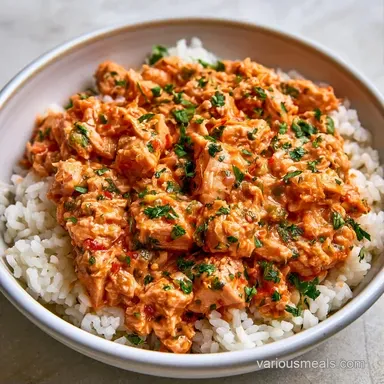
Healthy Japanese Tuna Rice Bowl
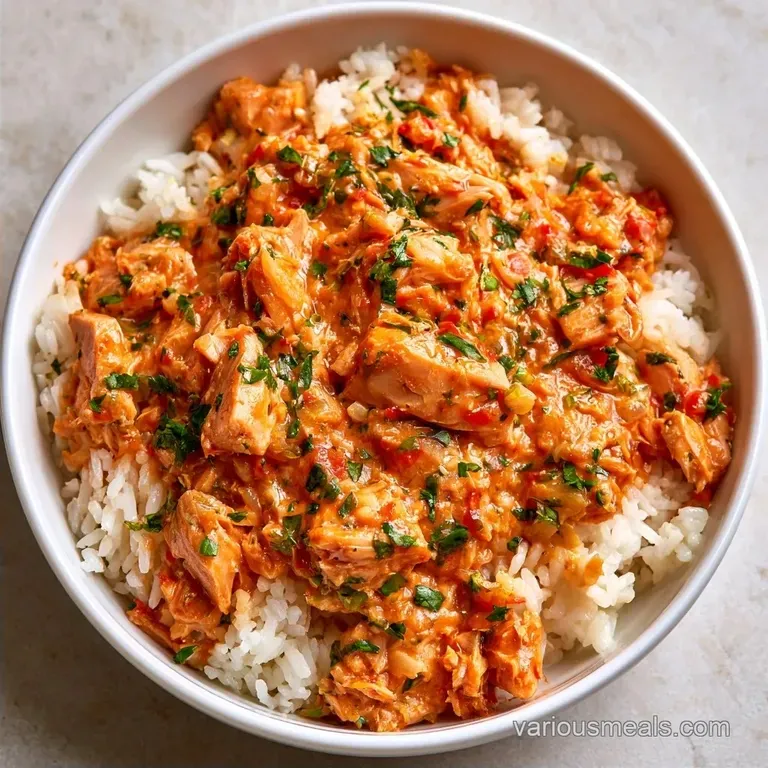
- Time: 10 min active + 3 min cook
- Flavor/Texture Hook: Creamy spicy tuna with a crisp cucumber snap
- Perfect for: Fast weeknight dinners or high protein meal prep
There is nothing quite like the scent of toasted sesame oil mingling with hot, fluffy rice to spark an appetite. That nutty, aromatic fragrance is the hallmark of a satisfying meal. Unfortunately, many people overlook the foundation.
Simply piling tuna onto cold rice creates a dish that feels more like a mediocre office lunch than a curated meal.
The issue lies in the clash of temperature and texture. Pairing chilly, dense rice with a rich, mayo heavy tuna mixture makes the experience feel fragmented. Instead of a unified bite, you get a mouthful of cold starch and a separate clump of fish, which completely ruins the vibe.
This Tuna Rice Bowl solves that by treating the rice as a flavor packed element rather than a simple base. By folding in seasonings while the rice is steaming and the grains are receptive, we create a cohesive, vibrant dish. You'll enjoy a bold, balanced meal without needing to spend your whole evening in the kitchen.
The Real Way to Make a Tuna Rice Bowl
Yolk Only Mayo: Opting for Kewpie over traditional mayo provides a more stable and decadent bind. Since it contains only egg yolks, it produces a smooth, velvety texture that ensures the tuna remains moist without being oily.
Acidic Balance: Rice vinegar provides a sharp contrast to the fatty tuna and avocado. This zing lifts the other ingredients and ensures the overall flavor profile remains complex rather than flat.
Residual Heat: Applying seasonings while the rice is still hot helps the soy sauce and sesame oil soak deep into each grain. Tests by Serious Eats indicate that short grain rice is much more effective at absorbing these liquids than long grain types.
Essential Gear for This Bowl
While you can manage with basic gear, a few specific tools make the process quicker. A rice paddle is particularly useful, as it allows you to fold in seasonings without crushing the grains into a paste. A wide silicone spatula is a great alternative if you don't have one.
It is also helpful to use two separate bowls: one for the rice base and a smaller one for the tuna. Mixing the tuna directly on the rice often results in a smeared mess rather than a tidy, restaurant style scoop.
Finally, a sharp knife is essential for the cucumber and avocado. Precise cuts ensure the toppings sit neatly on the rice instead of sliding off the side of the bowl.
Ingredients for the Perfect Mix
Before we get into the list, let's look at what these items actually contribute to the final bite.
| Ingredient | What It Does | Best Swap |
|---|---|---|
| Short grain white rice | Provides a sticky, chewy base | Brown rice (chewier, nuttier) |
| Kewpie Mayo | Adds richness and umami | Avocado oil mayo (lighter) |
| Sriracha | Brings a vinegary heat | Gochujang (deeper, fermented funk) |
| Furikake | Adds salty, toasted crunch | Toasted sesame seeds + shredded nori |
Now, gather these exact amounts for one serving:
- 1 cup (150g) cooked short grain white rice
- 1 tsp (5ml) toasted sesame oil Why this? Adds a deep, nutty aroma that defines the dish
- 1 tbsp (15ml) low sodium soy sauce
- 1 can (5 oz / 142g) skipjack or albacore tuna in water, drained Why this? Draining well prevents a soggy bowl
- 1.5 tbsp (22ml) Kewpie Japanese mayo
- 1 tsp (5ml) Sriracha
- 0.5 tsp (2.5ml) rice vinegar
- 1 pinch toasted sesame seeds
- 1/4 cup (60g) cucumber, finely diced
- 2 tbsp (30g) green onion, thinly sliced
- 1/4 avocado, sliced
- 1 tsp (5g) furikake
Quick Timing and Yield
This recipe is built for speed. It's an efficient way to get 41.7g of protein in under 15 minutes.
- Prep time: 10 minutes
- Cook time: 3 minutes
- Total time: 13 minutes
- Yield: 1 serving
If you're wondering about the method, here's how the heat source changes the experience.
| Method | Texture | Effort |
|---|---|---|
| Microwave | Soft, steaming, fast | Very Low |
| Stovetop | Slightly firmer, more control | Low |
Step by step Assembly
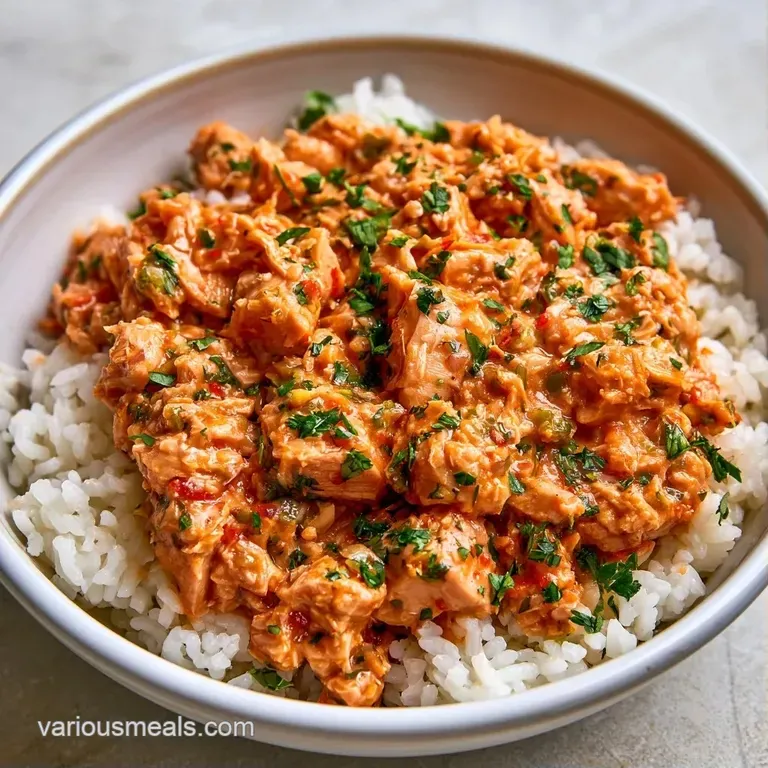
Phase 1: Prepping the Seasoned Base
Spread the cooked rice into a serving bowl. Microwave for 1-2 minutes until you see steam rising from the center. While the rice is hot, gently fold in the toasted sesame oil and low sodium soy sauce using a rice paddle or spoon.
Mix using a cutting motion until the rice turns a pale mahogany color and every grain looks glossy.
Phase 2: Mixing the Spicy Tuna
In a separate mixing bowl, combine the drained tuna, Kewpie mayo, Sriracha, and rice vinegar. Stir until the mixture is creamy but still has chunky tuna pieces. Fold in the toasted sesame seeds. The smell here should be sharp and spicy, balanced by the tang of the vinegar.
Phase 3: Assembling for Maximum Freshness
Scoop the spicy tuna mixture onto one side of the seasoned rice. Arrange the diced cucumber, sliced avocado, and sliced green onions in distinct sections next to the tuna. Finish by sprinkling furikake over the top.
Chef's Note: To get the avocado to stay in perfect slices, brush them with a tiny bit of the rice vinegar from your prep bowl. It keeps them from browning and adds a subtle zing.
Fixing Common Bowl Issues
The most frequent complaint with a Tuna Rice Bowl is the texture. Either the rice becomes a mushy paste, or the tuna feels too dry. The key is in the folding technique. If you stir the rice like you're mixing cake batter, you'll break the grains and release too much starch, which makes it gummy.
Another issue is the salt balance. Between the soy sauce, the canned tuna, and the furikake, it's easy to go overboard. Stick to low sodium soy sauce to keep the flavors balanced. For a different take on canned fish, check my Tuna Melt recipe which handles salt in a different way with melted cheese.
| Problem | Root Cause | Solution |
|---|---|---|
| Mushy Rice | Over stirring or too much water | Use a "cutting" motion with a paddle |
| Bland Tuna | Not enough acid | Add an extra 1/2 tsp of rice vinegar |
| Soggy Toppings | Tuna liquid not drained | Press tuna with a sieve for 30 seconds |
Keeping Leftovers Fresh
If you're meal prepping this Tuna Rice Bowl, do not assemble it all at once. The cucumber and avocado will release water and oxidize, making the rice soggy by day two.
Storage Guidelines Store the seasoned rice in one glass container and the spicy tuna mix in another. Keep them chilled for up to 3 days. The sliced vegetables should stay in a separate small bag or container.
Reheating Heat the rice separately in the microwave for 45-60 seconds with a splash of water to restore the fluffiness. Add the cold tuna and fresh toppings only after the rice is hot.
Zero Waste Tips Don't toss the avocado pit or the green onion roots. You can grow new green onions in a glass of water on your windowsill. If you have a small bit of tuna mix left over, smear it on a piece of toasted sourdough for a quick snack.
Customizing Your Tuna Bowl
Depending on your mood, you can shift the flavor profile of this dish easily. If you want a more "fusion" vibe, try swapping the furikake for toasted panko breadcrumbs for an extra crunch.
Goal Based Adjustments
| Goal | What to change |
|---|---|
| More heat | Increase Sriracha to 2 tsp |
| More crunch | Add toasted nori strips |
| Lighter feel | Swap white rice for cauliflower rice |
For a more substantial meal, you can add a soft boiled egg (marinated in soy and mirin). If you want a warm side to go with this, try some Chinese Eggplant Garlic Sauce for some added depth and vegetable variety.
You could also try an Ahi Tuna Rice Bowl by swapping the canned tuna for sushi grade raw tuna cubes. Just toss the raw fish in the same mayo and Sriracha mix and keep it chilled until the very last second.
Plating for the Wow Factor
The visual appeal of a Japanese Tuna Rice Bowl comes from its striking color contrasts. You have the neutral white or brown of the rice, the coral pink of the spicy tuna, the vivid green of the avocado, and the dark green of the onions.
For a professional presentation, avoid simply piling the ingredients. Instead, organize them into "zones": place the tuna at 12 o'clock, the avocado at 3 o'clock, the cucumber at 6 o'clock, and the onions at 9 o'clock.
This layout not only looks cleaner but allows you to customize the flavor profile of every single bite.
The final touch is the furikake. Rather than a random dusting, apply it in a clean line across the middle of the bowl to create a visual bridge linking the various ingredients.
When serving guests, opt for a wide, shallow bowl over a deep one. This maximizes the surface area to showcase your toppings and keeps the rice from compressing under the weight of the tuna.
Final Precision Checkpoints: 1. Rice should be steaming (approx 60-70°C) before the soy sauce is added. 2. Mix the tuna for roughly 30 seconds to ensure a creamy bind. 3. Dice all toppings into uniform 5mm cubes for a consistent mouthfeel.
This Japanese Tuna Rice Bowl Recipe is the ideal solution for a fast lunch. It's efficient, hits your protein goals, and tastes like an $18 cafe meal. Trust me, once you start seasoning your rice while it's still hot, you'll never go back to plain bowls. Let's get started.
Critical Sodium Level
1200 mg 1,200 mg of sodium per serving (52% 52% of daily value)
The American Heart Association recommends a daily sodium limit of no more than 2,300 mg, with an ideal limit of 1,500 mg for most adults to reduce cardiovascular risk.
Tips to Reduce Sodium
-
Swap Soy Sauce-25%
Replace low-sodium soy sauce with coconut aminos, which provides a similar savory flavor with significantly less sodium.
-
Homemade Furikake-20%
Create a DIY version of furikake using toasted sesame seeds and unsalted shredded nori to avoid the high salt content in commercial blends.
-
Rinse Canned Tuna-15%
Place the drained tuna in a fine mesh sieve and rinse it under cold water to wash away excess surface sodium from the brine.
-
Modify Condiments-10%
Reduce the amount of Kewpie mayo by half or swap Sriracha for freshly sliced red chilies to keep the heat without the salt.
-
Enhance with Aromatics
Add freshly grated ginger or a squeeze of lime juice to boost the flavor profile and acidity without adding any sodium.
Recipe FAQs
What ingredients belong in a tuna rice bowl?
Combine cooked short grain white rice, sesame oil, and soy sauce with a spicy tuna mix. Add diced cucumber, avocado, green onions, and furikake for texture and flavor.
Is it true that canned tuna is unhealthy?
Actually, no. Canned skipjack or albacore tuna is a lean protein source, especially when drained to reduce sodium levels.
Japanese rice bowls are called what?
They are called Donburi. This term refers to a variety of bowls featuring a simmered or fried topping served over a bed of steamed rice.
Are these rice bowls generally healthy?
Yes, when balanced with vegetables. They provide essential carbohydrates and protein, while the addition of avocado and cucumber adds healthy fats and vitamins.
How to cook frozen tuna steaks in a grill pan?
Sear on high heat for 2-3 minutes per side. This ensures a caramelized crust while keeping the center rare and tender.
Which method is best for cooking ahi tuna?
Quickly sear the exterior while leaving the middle raw. This preserves the buttery texture and prevents the fish from becoming dry or tough.
Should Ahi Tuna reach room temperature before cooking?
No, keep the fish cold. A chilled steak creates a better temperature contrast, allowing you to get a hard sear without overcooking the interior.
Pairing Ahi Tuna with which sides works best?
Fresh, zesty sides are the perfect match. A crisp seaweed salad or steamed edamame helps balance the richness of the fish. If you enjoy this specific balance of flavors, be sure to try our Thai Chicken Meatballs.
Healthy Tuna Rice Bowl